
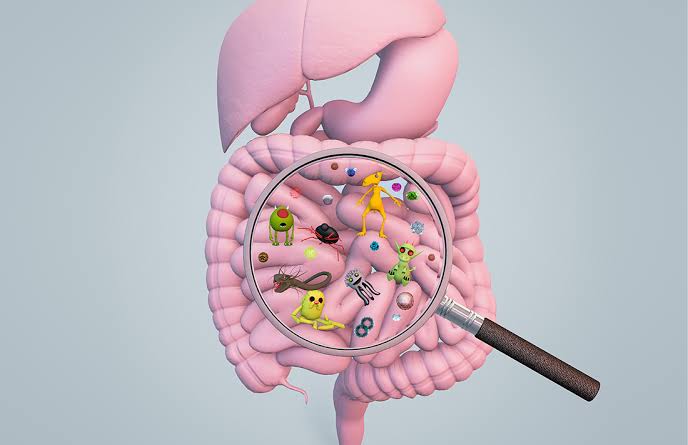
The relationship between sugar and gut health is more complex and consequential than the familiar message about dental cavities and weight gain suggests. Dietary sugar — particularly added sugars and free sugars found in processed foods, sweetened beverages, confectionery, and refined carbohydrates — profoundly reshapes the gut microbiome, alters intestinal barrier function, drives low-grade systemic inflammation, and disrupts the motility patterns that determine digestive comfort. Understanding these mechanisms enables dietary choices that protect gut function rather than eroding it over time.
- High added sugar intake selectively depletes beneficial gut bacteria (Bifidobacterium, Lactobacillus) and feeds pro-inflammatory species
- Fructose — the dominant sugar in HFCS and many processed foods — is absorbed primarily in the liver, and excess fructose drives intestinal permeability and systemic inflammation
- Sugar feeds dysbiotic overgrowth and small intestinal bacterial overgrowth (SIBO) that produce excess gas, bloating, and altered motility
- Artificial sweeteners are not neutral: some alter microbiome composition and glucose tolerance in ways that may counteract their caloric benefit
- Reducing added sugar — even modestly — produces measurable beneficial microbiome shifts within 2–4 weeks
How Sugar Reshapes the Gut Microbiome
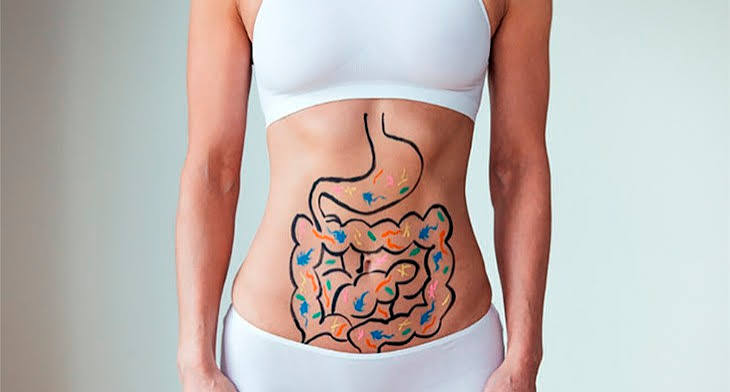
The gut microbiome — the community of trillions of micro-organisms inhabiting the gastrointestinal tract — is exquisitely sensitive to the composition of dietary carbohydrates. Different bacteria are specialised for fermenting different types of carbohydrate, meaning that dietary sugar content directly determines which bacterial populations are favoured and which are suppressed. High added-sugar diets consistently reshape the microbiome in ways that favour pro-inflammatory, dysbiotic species at the expense of health-promoting commensals.
Selective Depletion of Beneficial Bacteria
Beneficial bacteria — particularly Bifidobacterium and Lactobacillus species — preferentially ferment complex carbohydrates, particularly dietary fibre and resistant starch. They are outcompeted in high-sugar environments by fast-growing, simple-sugar-fermenting species that proliferate rapidly in the presence of abundant glucose and fructose. Research tracking microbiome changes in response to dietary sugar manipulation has documented significant reductions in Bifidobacterium adolescentis, Bifidobacterium longum, and Faecalibacterium prausnitzii — a key butyrate-producing species associated with intestinal barrier integrity and anti-inflammatory function — within weeks of adopting a high-added-sugar diet.
The loss of Faecalibacterium prausnitzii is particularly consequential. This species produces butyrate, a short-chain fatty acid (SCFA) that is the primary energy source for colonocytes (the cells lining the colon), maintains the mucus layer protecting the intestinal epithelium, and has direct anti-inflammatory effects on the intestinal immune system. Reduced butyrate production compromises colonocyte energy supply, thins the protective mucus layer, and shifts the mucosal immune environment toward pro-inflammatory cytokine production. For the full evidence on butyrate-producing foods and digestive health, see our guide on beans and digestive health.
Feeding Pro-Inflammatory Species
While beneficial bacteria decline, high-sugar diets selectively feed bacteria associated with gut inflammation and dysbiosis. Escherichia coli (certain pathobiont strains), Clostridium difficile precursors, and Bilophila wadsworthia all proliferate more readily in high-simple-carbohydrate gut environments. These species produce lipopolysaccharide (LPS) — a bacterial membrane component that activates toll-like receptor 4 (TLR4) on gut epithelial and immune cells, triggering innate immune activation and mucosal inflammation. The resulting low-grade intestinal inflammation contributes to altered gut motility, visceral hypersensitivity, and the gradual erosion of barrier function that characterises dysbiotic gut states.
Bacteroides thetaiotaomicron, while generally considered commensal, can shift toward more inflammatory phenotypes when its preferred complex carbohydrate substrates are depleted and simple sugars become the dominant available fuel. The altered fermentation patterns in high-sugar environments produce more hydrogen gas and less beneficial SCFA, creating a gut environment characterised by increased gas production (bloating, flatulence, discomfort) and reduced anti-inflammatory metabolite supply.
Reduced Microbiome Diversity
Beyond specific bacterial changes, high added-sugar diets consistently reduce overall microbiome diversity — the number of distinct bacterial species present and their relative abundance distribution. Lower gut microbiome diversity is one of the most robust predictors of poor gastrointestinal and systemic health outcomes in the research literature. It is associated with increased risk of irritable bowel syndrome (IBS), inflammatory bowel disease (IBD), metabolic syndrome, and type 2 diabetes. Mechanistically, a less diverse microbiome is less functionally redundant — fewer backup pathways exist for essential functions like SCFA production, bile acid transformation, and vitamin synthesis — and less resilient to perturbations from illness, antibiotics, or dietary change.
Dietary diversity is the principal driver of microbiome diversity: the number of distinct plant foods consumed per week is one of the strongest predictors of microbiome richness. A diet high in added sugar tends to be simultaneously low in the diverse fibres, polyphenols, and resistant starches from vegetables, legumes, whole grains, and fruits that selectively feed a wide range of beneficial bacteria. The detrimental effect of sugar on the microbiome is therefore partly direct (feeding dysbiotic species) and partly indirect (crowding out the food sources of diverse beneficial species). For evidence on plant-food diversity and gut microbiome health, see our article on vegetables for gut health.
Fructose — The Particularly Problematic Sugar for Gut Health
Not all dietary sugars affect the gut equally. Fructose — the sugar component of sucrose (table sugar) and the dominant sugar in high-fructose corn syrup (HFCS), fruit juice concentrates, and many processed food sweeteners — has specific metabolic and gut-health properties that make it particularly problematic in excess.
Limited Small Intestinal Absorption Capacity
Fructose is absorbed in the small intestine via the GLUT5 transporter, which has a substantially lower maximum transport capacity than the GLUT2 transporter responsible for glucose absorption. The small intestine can absorb approximately 25–50g of fructose per sitting in most adults. When dietary fructose exceeds this capacity — which it frequently does in people consuming multiple servings of sweetened beverages, HFCS-containing foods, and fruit juice daily — the unabsorbed fructose passes into the large intestine, where gut bacteria rapidly ferment it. This bacterial fermentation generates hydrogen and methane gas (bloating, flatulence, abdominal cramps), and the osmotic effect of unabsorbed fructose draws water into the large intestine (contributing to loose stools or diarrhoea in susceptible individuals).
This process — fructose malabsorption — is distinct from fructose intolerance (a rare genetic condition) and affects a significant proportion of the general population, particularly with the very high fructose loads delivered by modern processed food consumption. Symptoms of fructose malabsorption overlap substantially with IBS, and fructose restriction is a key component of the low-FODMAP dietary approach to IBS management.
Fructose and Intestinal Permeability
Excess dietary fructose increases intestinal permeability — the “leaky gut” phenomenon — through multiple mechanisms. Fructose fermentation by colonic bacteria generates acetaldehyde, which disrupts tight junction proteins (occludin, claudin-1, ZO-1) that seal the gaps between intestinal epithelial cells. These tight junctions are the molecular gatekeepers of intestinal barrier function; their disruption allows bacterial fragments, including LPS, to cross the intestinal epithelium and enter systemic circulation, driving systemic low-grade inflammation.
Animal studies and human research consistently show that high-fructose diets increase intestinal permeability markers including serum LPS levels, endotoxin activity, and faecal markers of intestinal barrier compromise. The resulting “metabolic endotoxaemia” — elevated circulating LPS — activates systemic inflammatory pathways that contribute to insulin resistance, non-alcoholic fatty liver disease (NAFLD), and low-grade chronic inflammation. The gut is the origin point of this inflammatory signal, and the dietary fructose load is the upstream driver.
Fructose and Non-Alcoholic Fatty Liver Disease
Unlike glucose, which is metabolised by all cells throughout the body, fructose is metabolised almost exclusively in the liver via a pathway that bypasses the regulatory step controlled by insulin. This unregulated hepatic fructose metabolism drives de novo lipogenesis (fat synthesis in the liver), uric acid production, and oxidative stress — the core pathological mechanisms in non-alcoholic fatty liver disease. The gut-liver axis connects intestinal barrier function to hepatic health: increased intestinal permeability from excess fructose consumption allows more LPS and bacterial metabolites to reach the portal circulation, amplifying the hepatic inflammatory response. NAFLD has reached epidemic proportions in parallel with the rise of HFCS consumption, and the mechanistic pathway linking the two is well-characterised in both animal models and human longitudinal studies.
Sugar, SIBO, and Digestive Symptoms
Small intestinal bacterial overgrowth (SIBO) — an abnormal proliferation of bacteria in the small intestine — is significantly influenced by dietary sugar intake. The small intestine normally has a relatively low bacterial population compared to the large intestine; conditions that disrupt the mechanisms controlling this distribution (impaired motility, reduced gastric acid, structural factors) allow colonic bacteria to migrate upward and proliferate. Simple dietary sugars provide abundant, rapidly fermentable substrates for these bacteria, feeding and sustaining the overgrowth once established.
SIBO produces characteristic digestive symptoms: bloating and abdominal distension (from bacterial gas production in the small intestine), altered motility (both diarrhoea and constipation depending on the predominant gas type — hydrogen versus methane), early satiety, and abdominal pain. High dietary sugar intake both contributes to the bacterial substrate that sustains SIBO and potentially exacerbates dysmotility patterns — impaired intestinal transit being both a cause and a consequence of SIBO — creating a reinforcing cycle of bacterial overgrowth and digestive dysfunction.
Reducing simple sugar and refined carbohydrate intake is a standard component of dietary management approaches for SIBO, alongside specific carbohydrate diets, low-FODMAP diets, and targeted antimicrobial treatment. The rationale is to deprive the overgrown bacterial population of their preferred fermentable substrate, reducing gas production and inflammatory metabolite generation while antimicrobial or prokinetic treatment addresses the underlying dysbiosis.
Artificial Sweeteners and Gut Health — Not a Neutral Alternative
The assumption that replacing sugar with non-caloric artificial sweeteners is gut-health-neutral has been challenged by a growing body of microbiome research. Artificial sweeteners are not metabolised by the human body but do reach the colon intact, where they interact directly with the gut microbiome.
Saccharin, sucralose, and aspartame have all been shown to alter gut microbiome composition in animal models, with saccharin and sucralose showing the most consistent effects. Weizmann Institute research demonstrated that saccharin consumption altered gut microbiome composition in ways that impaired glucose tolerance in human volunteers — effects that were transferable to germ-free mice via faecal transplant, confirming the microbiome as the mediating mechanism rather than direct metabolic effects of the sweetener itself.
Sucralose has been shown to reduce Lactobacillus and Bifidobacterium populations and increase the ratio of Bacteroides to Firmicutes at high doses, though the clinical significance of these effects at typical human consumption levels is still being characterised. Stevia (rebaudioside A) appears to have more neutral effects on the microbiome and may have modest prebiotic properties in some research, though evidence is limited.
The practical implication is that artificial sweeteners are not a simple “safe” swap for sugar from a gut health perspective. They may reduce caloric intake and dental caries risk while introducing their own microbiome-modulating effects whose long-term consequences are not yet fully characterised. Reducing overall sweetness preference — rather than substituting one sweetener for another — is the more physiologically conservative approach to protecting gut health.
Added Sugar vs Natural Sugar — Does the Source Matter?
An important distinction in the sugar-gut health relationship is between added sugars (those added to processed foods and beverages during manufacture) and naturally occurring sugars in whole foods such as fruit, vegetables, and dairy. This distinction is not merely regulatory — it reflects genuine differences in the physiological context in which sugars are consumed and metabolised.
Sugar in whole fruit is embedded within a fibre matrix that slows its digestion and absorption, attenuating the peak blood glucose and insulin response and dramatically reducing the rate of fructose delivery to the colon. The fibre, polyphenols, vitamins, and minerals present in whole fruit simultaneously feed beneficial bacteria, reduce intestinal inflammation, and support microbiome diversity — effects that largely counteract any adverse effects of the fruit’s intrinsic sugar content. Research consistently shows that whole fruit consumption is not associated with adverse gut health outcomes and is positively associated with microbiome diversity. For the full evidence on fruit and digestive health, see our article on fruits that support digestion.
Fruit juice — even 100% natural juice — lacks the fibre matrix of whole fruit and delivers an equivalent sugar load in rapidly absorbable liquid form. This fundamentally changes the gut metabolic impact: rapid fructose absorption saturates GLUT5 transport, drives colonic fructose delivery, and provides none of the fibre that would have modulated the sugar’s impact in whole fruit form. A glass of orange juice and eating an orange contain roughly the same sugars but have substantially different effects on gut microbiome and metabolic function. The WHO’s sugar guidelines specifically include 100% fruit juice in the “free sugar” category alongside soft drinks and confectionery.
Dairy sugar (lactose) is a disaccharide that requires the enzyme lactase for digestion. For those who tolerate it, lactose is more slowly absorbed than sucrose or HFCS and provides an energy substrate for beneficial lactate-fermenting bacteria in the colon. In people with lactose intolerance, undigested lactose produces the classic gas, bloating, and diarrhoea symptoms of colonic fermentation — but this is distinct from the pro-inflammatory, dysbiosis-driving effects of high added sugar intake.
Sugar and Gut Motility — The Constipation and Diarrhoea Connection
Dietary sugar affects gut motility through multiple mechanisms, and the direction of the effect depends on the type of sugar and the amount consumed relative to individual absorption capacity.
High sugar and diarrhoea: Unabsorbed sugars — fructose in excess of GLUT5 capacity, sorbitol and xylitol (sugar alcohols common in sugar-free products), and lactose in lactose-intolerant individuals — exert osmotic effects in the large intestine, drawing water into the gut lumen and accelerating transit. This is why large amounts of apple juice, pear juice (naturally high in sorbitol), or sugar-free products sweetened with sorbitol reliably cause loose stools in many people. The fermentation of these unabsorbed sugars also generates gas, adding to the urgency and discomfort.
High refined sugar and constipation: Paradoxically, high refined carbohydrate and sugar diets (which are typically low in dietary fibre) can also contribute to constipation through an indirect mechanism. A diet dominated by refined carbohydrates and added sugar tends to be low in the insoluble fibre from vegetables, whole grains, and legumes that provides mechanical bulk and promotes propulsive colonic contractions. Without adequate fibre, colonic transit slows and stool becomes harder and more difficult to pass. For the evidence on fibre and digestive transit, see our guides on whole grains and digestion and vegetables for gut health.
Sugar and IBS symptom exacerbation: For people with IBS, both the fermentable sugar component (fructose, lactose, sorbitol — all classified as FODMAPs) and the dysbiosis-promoting effects of high added sugar intake contribute to symptom provocation. High-FODMAP sugars directly cause gas, bloating, and altered transit through colonic fermentation and osmotic effects. The broader dysbiotic effect of high added sugar — reduced butyrate production, increased intestinal permeability, altered motility signalling — may also contribute to the visceral hypersensitivity that characterises IBS.
Practical Strategies for Reducing Sugar’s Gut Health Impact
Reducing dietary sugar to protect gut health does not require sugar elimination. The gut microbiome research points to threshold effects — reducing above-average added sugar intake to within WHO recommendations (≤6 tsp/day for women, ≤9 tsp/day for men) produces measurable beneficial microbiome shifts, while modest intake of naturally occurring sugars in whole foods has no documented adverse effect on gut health.
Targeting liquid sugar first: Sweetened beverages — soft drinks, fruit juices, flavoured coffees, sports drinks, energy drinks — are the single largest source of added sugar in Western diets and deliver sugar in the form most rapidly absorbed and most disruptive to the gut. Replacing one sweetened beverage per day with water, unsweetened tea, or sparkling water with fruit infusion removes 8–15 teaspoons of added sugar from the daily diet without requiring significant behavioural change beyond drink selection. The gut microbiome impact of this single substitution is measurable in research studies.
Reading ingredient labels for hidden sugars: Added sugar appears under more than 60 names in processed food ingredient lists: sucrose, glucose syrup, high-fructose corn syrup, dextrose, maltose, maltodextrin, agave nectar, rice syrup, coconut sugar, and many others. They are biochemically and metabolically similar in their effects on the gut microbiome. Practical label-reading involves checking the “added sugars” line in nutrition information (where regulations require it) and treating any of these ingredient names as added sugar regardless of how “natural” their marketing portrayal.
Whole fruit over juice and processed snacks: Substituting whole fruit for fruit juice, fruit-flavoured yoghurt, or processed snacks provides the same sweetness stimulus with a completely different gut metabolic impact. The fibre, polyphenols, and micronutrients in whole fruit feed beneficial bacteria, reduce intestinal inflammation, and support microbiome diversity. The same fructose delivered via juice or sweets, stripped of its fibre context, has a net adverse effect on gut health. For the full evidence on fruit’s specific digestive benefits, see our evidence review on fruits that support digestion.
Increasing gut microbiome-supportive foods simultaneously: The most powerful approach to reversing sugar-related gut dysbiosis is not just reducing sugar but simultaneously increasing the diverse fibres, resistant starches, and polyphenols that selectively feed beneficial bacteria. Increasing vegetable intake, adding legumes to 3–4 meals per week, switching to whole grain cereals and bread, and consuming fermented foods all directly feed the beneficial bacterial populations that high added sugar suppresses. The bidirectional strategy — reducing the bad substrate and increasing the good — produces faster and more durable microbiome improvement than sugar reduction alone.
How Quickly Does the Gut Microbiome Respond to Sugar Reduction?
The gut microbiome is dynamic rather than fixed, and it responds to dietary changes faster than most organ systems. Research tracking microbiome composition before and after dietary modification has consistently shown measurable shifts in bacterial species abundance within 2–4 days of sustained dietary change, with more substantial restructuring — increases in beneficial species populations, reductions in dysbiotic species — evident within 2–4 weeks.
A study published in Nature examining rapid dietary switching between plant-based and animal-based diets found significant microbiome compositional changes within 5 days of the dietary shift. While this study addressed macronutrient composition rather than sugar specifically, the responsiveness of the microbiome to dietary change is well established. Sugar-specific intervention studies show that reducing added sugar intake from high (above 20% of energy) to moderate (below 10% of energy) produces measurable increases in Bifidobacterium populations, reductions in pro-inflammatory Gram-negative bacterial LPS production markers, and improvements in intestinal permeability markers within 3–6 weeks.
This rapid responsiveness has important clinical implications: people who reduce added sugar intake can expect measurable digestive improvements within weeks rather than months. Symptoms driven by dysbiosis-related gas production (bloating, flatulence) and altered motility often improve within 1–2 weeks as the substrate for fermentative gas production decreases. Improvements in intestinal permeability and systemic inflammatory markers follow over 4–8 weeks of sustained lower sugar intake.
Frequently Asked Questions
Q: Does eating sugar cause bloating, and if so, why?
A: Yes, and through two primary mechanisms. First, fructose in quantities exceeding small intestinal GLUT5 transporter capacity passes unabsorbed into the large intestine, where gut bacteria rapidly ferment it, generating hydrogen and carbon dioxide gas. Second, the dysbiosis driven by high habitual sugar intake — depleted beneficial bacteria, increased fermentative bacteria — shifts the overall fermentation pattern toward more gas production per gram of fermentable substrate. People with IBS or SIBO are particularly sensitive to both mechanisms. Reducing high-fructose foods (soft drinks, HFCS-containing products, apple and pear juice, agave-sweetened products) often produces noticeable reduction in bloating within days as colonic fermentation of unabsorbed fructose decreases.
Q: Is honey healthier than table sugar for gut health?
A: Honey has a different sugar composition from table sugar — it contains approximately 40% fructose, 30% glucose, and smaller amounts of other sugars, plus water, enzymes, polyphenols, and small amounts of prebiotics depending on the variety. Raw honey contains hydrogen peroxide and defensin-1, which have antimicrobial properties, and some varieties (Manuka honey particularly) have documented prebiotic effects stimulating Bifidobacterium and Lactobacillus growth. However, in the quantities typically consumed in a Western diet, honey’s effect on gut health is dominated by its sugar content rather than its minor bioactive components. Replacing refined sugar with honey in large quantities does not meaningfully protect gut health compared to simply using less of any sweetener. Small quantities of raw or Manuka honey in contexts where sweetness is important may be marginally preferable, but honey is not a “gut health food” when consumed in typical amounts.
Q: Do probiotic supplements help reverse sugar-related gut damage?
A: Probiotic supplements can transiently increase the populations of the specific strains they contain, but evidence for their ability to permanently reverse sugar-driven gut dysbiosis is limited. The dominant determinant of gut microbiome composition is dietary substrate — what bacteria have to eat — rather than what bacteria are introduced. Introducing Bifidobacterium via a probiotic supplement while continuing to eat a high-sugar, low-fibre diet that selectively disadvantages Bifidobacterium produces limited durable benefit. Conversely, reducing dietary sugar and increasing prebiotic fibre creates the substrate conditions under which both supplemented and resident beneficial bacteria can thrive. Probiotic supplements are most useful as a complement to dietary modification, not a replacement for it.
Q: Why do I get digestive symptoms from sugar-free products if they have no sugar?
A: Sugar-free products are typically sweetened with sugar alcohols (sorbitol, xylitol, mannitol, maltitol) or with non-caloric artificial sweeteners. Sugar alcohols are poorly absorbed in the small intestine — they pass into the large intestine largely intact, where gut bacteria ferment them vigorously, producing gas, bloating, and loose stools. The laxative warning on products containing sorbitol is legally required in many countries because the effect is consistent and dose-dependent. Sugar alcohols are classified as FODMAPs and are a significant source of digestive symptoms in people with IBS or fermentation-related gut sensitivity. Artificial sweeteners such as sucralose may additionally alter gut microbiome composition with their own adverse effects. “Sugar-free” does not mean “gut-friendly.”
Q: How does sugar affect gut health differently in people with IBS compared to healthy individuals?
A: People with IBS typically have greater visceral sensitivity (lower pain threshold in response to gut distension), altered gut-brain axis signalling, and often some degree of existing dysbiosis or SIBO. High sugar intake amplifies each of these existing vulnerabilities. Fermentable sugars produce gas and luminal distension that, at the same physical level, causes more pain in people with visceral hypersensitivity. The dysbiosis-promoting effects of high sugar intake are more impactful because the microbiome is often already less resilient in IBS. Sugar alcohols in particular are classified as FODMAPs — the high-fermentability carbohydrates that the low-FODMAP diet restricts — because they consistently provoke IBS symptoms at much lower doses than in healthy individuals. For this reason, people with IBS often benefit more than the general population from reducing added sugar and FODMAP-containing sweeteners.
Q: Can eating too much fruit damage gut health through its natural sugar content?
A: Whole fruit is not associated with adverse gut health effects in the research literature, even at relatively high consumption levels, for reasons rooted in the fibre matrix of whole fruit. The soluble and insoluble fibre in fruit slows fructose absorption, preventing the rapid colonic fructose delivery that drives fermentative gas and intestinal permeability changes. The polyphenols in fruit actively feed beneficial bacteria. Multiple studies have shown that higher whole fruit intake is positively associated with microbiome diversity. The exception is people with diagnosed fructose malabsorption or IBS with fructose sensitivity, for whom high-fructose fruits (apples, pears, mangoes, watermelon) in large quantities may trigger symptoms even in whole form. For most people, whole fruit intake — including several servings per day — does not damage gut health and actively supports it.
Q: How quickly will my gut improve after I reduce my sugar intake?
A: Symptomatic improvements — reduced bloating, less gas, more regular transit — often begin within 3–7 days of consistently reducing high-fructose and high-sugar foods, as the substrate for fermentative gas production drops. Measurable microbiome changes — increases in Bifidobacterium, increases in SCFA production markers — are typically detectable within 2–4 weeks. Improvements in intestinal permeability markers follow within 4–8 weeks of sustained lower sugar intake. The rate of improvement accelerates when reduced sugar intake is combined with increased prebiotic fibre from vegetables, legumes, whole grains, and fruit, which both removes the adverse substrate and provides positive fuel for the beneficial bacteria suppressed by high sugar. The microbiome’s responsiveness means that motivated dietary change produces measurable gut health benefits on a relatively short timescale.
While many sugar-related digestive symptoms (bloating, gas, altered transit) respond well to dietary modification, the following warrant medical assessment to exclude underlying conditions:
- Persistent diarrhoea that does not improve after reducing fermentable sugars and sugar alcohols — may indicate IBD, coeliac disease, or infectious causes
- Blood in stool of any kind requires prompt evaluation
- Significant unintentional weight loss alongside digestive changes
- Nocturnal symptoms — gut symptoms that wake you from sleep are rarely functional and require investigation
- Symptoms beginning after age 50 — new-onset digestive changes in this age group should be evaluated endoscopically to exclude structural causes
- Symptoms that worsen progressively despite dietary modification over 6–8 weeks — may indicate SIBO, dysbiosis requiring targeted treatment, or other diagnoses requiring medical management
This article is for educational purposes only and does not constitute medical advice. Always consult a qualified healthcare provider regarding persistent digestive symptoms or for personalised dietary guidance.
- Turnbaugh PJ, et al. “The effect of diet on the human gut microbiome: a metagenomic analysis in humanized gnotobiotic mice.” Science Translational Medicine. 2009;1(6):6ra14.
- Suez J, et al. “Artificial sweeteners induce glucose intolerance by altering the gut microbiota.” Nature. 2014;514(7521):181-186.
- Lim SS, et al. “A comparative risk assessment of burden of disease and injury attributable to 67 risk factors and risk factor clusters.” The Lancet. 2012;380(9859):2224-2260.
- David LA, et al. “Diet rapidly and reproducibly alters the human gut microbiome.” Nature. 2014;505(7484):559-563.
- Sonnenburg JL, Bäckhed F. “Diet–microbiota interactions as moderators of human metabolism.” Nature. 2016;535(7610):56-64.
- Koh A, et al. “From dietary fiber to host physiology: short-chain fatty acids as key bacterial metabolites.” Cell. 2016;165(6):1332-1345.
- Chassaing B, et al. “Dietary emulsifiers impact the mouse gut microbiota promoting colitis and metabolic syndrome.” Nature. 2015;519(7541):92-96.
- WHO. “Guideline: Sugars intake for adults and children.” Geneva: World Health Organization; 2015.
- Stanhope KL. “Sugar consumption, metabolic disease and obesity: the state of the controversy.” Critical Reviews in Clinical Laboratory Sciences. 2016;53(1):52-67.
- Gibson PR, Shepherd SJ. “Evidence-based dietary management of functional gastrointestinal symptoms: the FODMAP approach.” Journal of Gastroenterology and Hepatology. 2010;25(2):252-258.
The section on fructose malabsorption was genuinely eye-opening. I’ve had bloating issues for years and always assumed it was lactose intolerance because dairy triggered it sometimes. But reading about GLUT5 transport capacity limits and how apple juice and pears are particularly high in fructose — I realised I was drinking a large glass of apple juice every morning. I cut that out three weeks ago and switched to eating an actual apple instead, and the morning bloating that I’d accepted as just being how I am has almost completely gone. The distinction between whole fruit (fine) and fruit juice (not fine) despite the same sugar content is something I wish I’d understood 10 years ago.
That’s a perfect practical example of exactly the distinction this article tries to make, Lena. The whole-fruit versus juice difference is consistently one of the most actionable and underappreciated insights in gut health nutrition. The fibre matrix in the apple isn’t just a nutritional bonus — it fundamentally changes the metabolic handling of the same fructose molecules. Intact apple fibre slows fructose delivery to the small intestine to a rate that GLUT5 can handle, while juice delivers the same fructose as a bolus that saturates GLUT5 and passes straight through to the colon. The morning timing also matters: on an empty stomach, the fructose load from a large glass of apple juice reaches the colon with minimal buffering. Switching to the whole apple is genuinely equivalent to a specific clinical intervention for GLUT5-limited fructose absorption — not a minor dietary tweak. Very glad the change has made such a visible difference.
Really appreciate the balanced coverage of artificial sweeteners. There’s so much conflicting information out there — some sources say they’re completely fine, others say they’re worse than sugar. The Weizmann Institute research on saccharin and glucose intolerance is something I hadn’t come across before. I’ve been using sucralose in my coffee for years thinking I was being virtuous. I’m not sure I’ll eliminate it completely but I’ll certainly reduce it and not think of it as a neutral option. The practical advice on targeting liquid sugar first was also very actionable — I hadn’t realised how much of my daily added sugar was coming from seemingly ‘healthy’ flavoured drinks at the gym.