
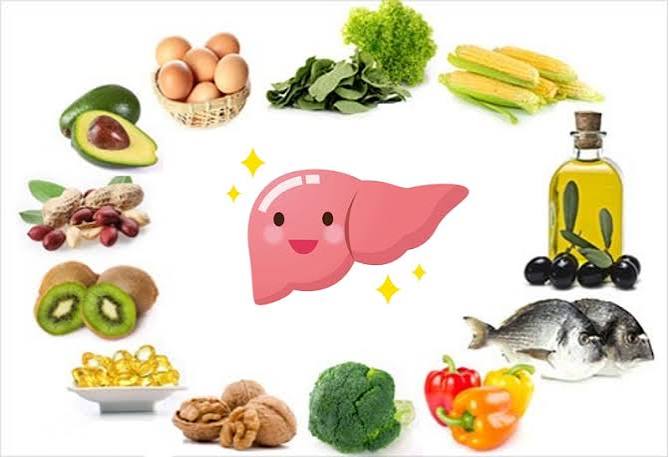
A targeted grocery shopping guide for liver health is the most practical tool for translating the evidence on NAFLD dietary management, liver detoxification support, and hepatic fat reduction into concrete weekly purchases. The liver performs over 500 distinct metabolic functions — filtering blood from the digestive tract, metabolising medications and toxins, synthesising bile for fat digestion, producing albumin and clotting factors, and processing carbohydrates, fats, and proteins — yet most people give no more thought to liver-supportive nutrition than any other dietary domain. The foods you buy determine the substrates available to support these functions, and strategic grocery choices can simultaneously reduce hepatic fat accumulation, support liver enzyme normalisation, and protect the liver from oxidative damage.
- The Mediterranean dietary pattern — olive oil, oily fish, legumes, whole grains, leafy greens — has the strongest overall evidence for NAFLD management and liver enzyme normalisation
- Coffee (2–3 cups daily) is the single most evidence-supported food for liver protection, with consistent data across multiple large cohort studies for reducing NAFLD risk and progression
- Eliminate or strictly minimise: sugar-sweetened beverages, refined carbohydrates, red and processed meat, saturated fat, alcohol — these are the primary dietary drivers of hepatic fat accumulation
- Specific liver-protective foods to buy every week: extra-virgin olive oil, oily fish, walnuts, leafy greens (for folate and choline), cruciferous vegetables (for glucosinolates), and green tea
- Choline (from eggs and soy) and folate (from leafy greens) are required for hepatic fat export — deficiency in either directly worsens hepatic steatosis
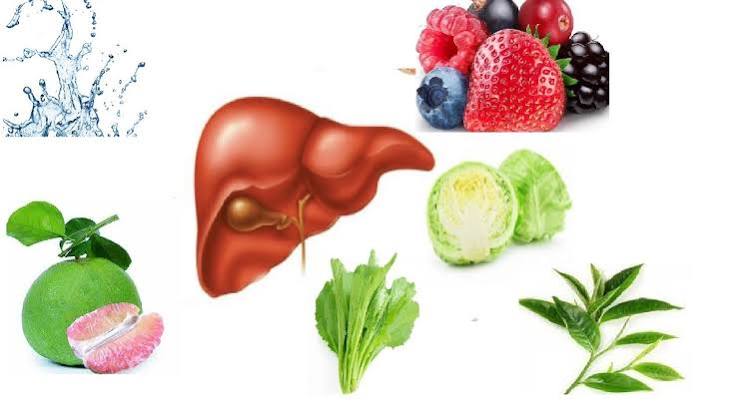
What the Liver Needs from Your Diet
The liver’s metabolic activities create a specific set of nutritional requirements that differ from general healthy eating priorities. Hepatic detoxification (Phase I and Phase II) requires adequate glutathione, selenium, B vitamins, and polyphenols to process environmental toxins, medications, and metabolic waste products. De novo lipogenesis suppression requires limiting the primary substrate (fructose) and insulin signalling drivers (refined carbohydrates) that activate SREBP-1c and ChREBP lipogenic transcription factors. Hepatic fat export requires adequate choline and folate for VLDL synthesis. Mitochondrial function for hepatic fat oxidation is supported by omega-3 fatty acids and polyphenols that activate PPARα and AMPK pathways.
The food categories below address these specific requirements through evidence-based selection — building a weekly liver health shopping list that is simultaneously practical, affordable, and grounded in clinical trial evidence rather than nutritional mythology. For the comprehensive evidence on fatty liver dietary management, see our article on fatty liver meal planning.
The Liver Health Shop: Category by Category
Extra-Virgin Olive Oil — The Foundation Fat
Extra-virgin olive oil (EVOO) should be the primary cooking and finishing fat in any liver health diet. Multiple clinical studies demonstrate that EVOO specifically reduces hepatic fat content and liver enzyme levels in NAFLD patients beyond what caloric content alone would predict. The mechanisms are multifactorial: oleic acid improves hepatic insulin sensitivity; oleuropein and oleocanthal (polyphenols found only in EVOO, not refined olive oil) suppress hepatic NF-κB inflammatory signalling; hydroxytyrosol protects hepatocyte mitochondria from oxidative damage. A single large bottle of quality EVOO per week covers all cooking, salad dressing, and food finishing needs. Refined olive oil, vegetable oil, and coconut oil do not provide the same hepatoprotective polyphenol profile and should not be substituted.
Oily Fish — Twice Weekly Minimum
Oily fish provides EPA and DHA omega-3 fatty acids that activate PPARα receptors in hepatocytes, directly increasing hepatic fat oxidation and reducing de novo lipogenesis. Buy at least 2–3 portions per week, rotating varieties: fresh or frozen salmon fillets, canned sardines (in spring water or olive oil), tinned mackerel, fresh mackerel, herring fillets, or anchovies (fresh or in jars). Canned oily fish is among the most cost-effective liver health foods available — a tin of sardines typically costs far less than fresh fish while providing equivalent omega-3 content. For the full evidence on omega-3 fatty acids and NAFLD, see our article on fatty liver meal planning.
Cruciferous Vegetables — The Detox Support Group
Broccoli, Brussels sprouts, cauliflower, cabbage, kale, and rocket contain glucosinolates — compounds that are hydrolysed by the enzyme myrosinase (activated by chopping or chewing) into isothiocyanates, including sulforaphane and indole-3-carbinol. These compounds activate Nrf2, the master regulator of Phase II detoxification enzymes in the liver, enhancing the liver’s capacity to neutralise carcinogens, oxidative metabolites, and environmental toxins. Sulforaphane from broccoli specifically has been shown in clinical trials to reduce liver fat and improve liver enzymes in NAFLD patients. Buy at least one cruciferous vegetable per week — broccoli is the most sulforaphane-dense — and include it in 2–3 meals. Lightly steaming or eating raw preserves the myrosinase enzyme needed to activate glucosinolates.
Leafy Greens — Choline and Folate for Fat Export
Spinach, kale, Swiss chard, rocket, watercress, and romaine lettuce provide folate — an essential B vitamin required for phosphatidylcholine synthesis, which the liver uses to package triglycerides into VLDL particles for export. Without adequate folate (and the choline it helps synthesise), the liver traps fat in hepatocytes rather than exporting it, directly worsening hepatic steatosis. A 2017 study found that folate deficiency was independently associated with greater NAFLD severity after controlling for other nutritional factors. Buy a large bag of spinach or mixed greens weekly and incorporate it into daily meals — wilted into pasta, added to smoothies, used as a salad base, or stirred into soups and curries.
Eggs — The Choline Source
Eggs are the most concentrated and bioavailable dietary source of choline — one large egg provides approximately 147mg choline (27% of the daily adequate intake of 550mg for men, 425mg for women). As described above, choline is essential for hepatic VLDL synthesis and fat export. The historical concern about egg consumption and cardiovascular disease from dietary cholesterol has been substantially revised — current evidence shows that eggs consumed as part of a Mediterranean-style diet pattern do not worsen cardiovascular outcomes in healthy adults, and the choline benefits are particularly relevant for NAFLD management. Buy 6–12 eggs weekly and incorporate into breakfasts, salads, and meals.
Walnuts — The Liver-Specific Nut
Among all tree nuts, walnuts have the most specific and consistent clinical evidence for liver health. They contain the highest ALA (alpha-linolenic acid, plant-based omega-3) content of any nut, along with ellagitannins and other polyphenols with direct hepatoprotective anti-inflammatory effects. A 2019 Journal of Hepatology study found higher walnut consumption independently associated with lower NAFLD prevalence; a clinical trial the same year showed walnut supplementation significantly reduced liver steatosis measured by MRI. A 30g handful of walnuts daily — as a snack, added to porridge, or mixed into salads — provides the dose range used in clinical research. Buy a bag each week.
Legumes — Plant Protein with Fibre
Lentils, chickpeas, kidney beans, black beans, butter beans, and soybeans provide plant-based protein that replaces the saturated fat of red meat, along with soluble fibre that reduces postprandial insulin spikes driving hepatic lipogenesis, and resistant starch that feeds gut microbiota producing SCFAs with anti-inflammatory effects. Soy specifically has direct hepatoprotective properties through isoflavone-mediated ERβ signalling in hepatocytes. Buy 3–4 different legume varieties per week — rotating varieties increases microbiome prebiotic diversity. Both canned (rinse to reduce sodium) and dried (cook in bulk for the week) are appropriate. For the evidence on legumes and digestive and liver health, see our article on beans and digestive health.
Whole Grains — Low-GI Carbohydrates
Replacing refined grains with whole grains is one of the most impactful single dietary changes for NAFLD management. Refined carbohydrates produce rapid insulin spikes that activate hepatic lipogenesis; whole grain equivalents have substantially lower glycaemic indices, producing smaller insulin responses. Oats are particularly liver-relevant: their beta-glucan fibre reduces postprandial glucose by 20–30% compared to equivalent refined starch portions, and oat consumption has been directly associated with lower liver fat in clinical studies. Buy rolled oats, brown rice, wholemeal bread, quinoa, and rye crispbreads. For the evidence on whole grains and metabolic health, see our article on whole grains and digestion.
Coffee and Green Tea — The Beverage Choices
The beverage aisle matters enormously for liver health. Coffee (any preparation method) should be the primary hot beverage: 2–3 cups daily is associated with significantly lower NAFLD risk, lower ALT and AST enzyme levels, reduced fibrosis progression, and lower hepatocellular carcinoma risk in multiple large cohort studies and meta-analyses covering hundreds of thousands of participants. Both caffeinated and decaffeinated coffee provide hepatoprotection — the benefit comes from chlorogenic acids, cafestol, kahweol, and N-methylpyridinium, not caffeine alone. Green tea provides EGCG catechins with direct hepatoprotective effects including inhibition of de novo lipogenesis and reduction of hepatic inflammation. 2–3 cups of green tea daily complements the coffee recommendation. Plain filtered water should be the remaining primary beverage.
Buy: ground coffee or coffee beans (any preparation), green tea bags or loose leaf, herbal teas. Avoid: fruit juices (concentrated fructose directly toxic to the liver in high amounts), sugar-sweetened beverages (the highest priority elimination for NAFLD), energy drinks, sweetened coffees.
Berries and Polyphenol-Rich Fruits
Blueberries, raspberries, blackberries, pomegranate, and dark grapes are among the richest dietary sources of polyphenols — compounds metabolised by gut bacteria and absorbed to exert anti-inflammatory and antioxidant effects directly in the liver. Blueberry polyphenols specifically have been shown in animal studies to reduce hepatic fibrosis and inflammation markers; human studies support the epidemiological association between berry consumption and lower liver enzyme levels. Pomegranate juice (unsweetened, no added sugar) is one of the few fruit juices appropriate for liver health given pomegranate’s exceptionally high urolithin-producing ellagitannin content. Buy fresh or frozen berries weekly — frozen berries are equally polyphenol-rich and more affordable year-round.
What to Remove from the Liver Health Shop
Sugar-sweetened beverages (highest priority): Soft drinks, fruit juices (including 100% juice), energy drinks, sweetened teas — fructose in these beverages is almost entirely processed by the liver, directly driving de novo lipogenesis at high intakes. Eliminating sugar-sweetened beverages is the single most impactful change for NAFLD dietary management. For the detailed evidence, see our article on sugar and gut health.
Red and processed meats: Beef, pork, lamb, bacon, sausages, deli meats — high haem iron content generates reactive oxygen species that promote hepatic fibrosis; high saturated fat promotes ceramide synthesis and hepatocyte lipoapoptosis; nitrosamines in processed meats have direct hepatotoxic effects. Limit to no more than 1–2 servings per week; replace with fish, legumes, eggs, and poultry as primary protein sources.
Refined carbohydrates and added sugar: White bread, white rice, biscuits, pastries, sweets, and all products with added sugar or high-fructose corn syrup in the first 3 ingredients — all drive hepatic lipogenesis through insulin and ChREBP signalling. Replace with whole grain equivalents at every opportunity.
Saturated and trans fats: Butter, coconut oil, palm oil, full-fat processed dairy (cream, processed cheese), and any product containing partially hydrogenated vegetable oils — replace with EVOO as the primary fat source. Trans fats are directly hepatotoxic and must be eliminated completely. For the evidence on fatty foods and liver health, see our article on fatty foods and acid reflux.
Alcohol: Even moderate alcohol intake worsens NAFLD progression — current hepatology guidelines recommend near-abstinence for people with NAFLD. Remove entirely from the liver health shop.
A Practical Weekly Liver Health Shopping List
Produce: Large bag of spinach or mixed greens, broccoli (one large head or frozen), kale or Brussels sprouts, garlic, onions, sweet potatoes or carrots, seasonal vegetables (2 varieties). Blueberries or mixed berries (fresh or frozen), avocado (moderate amounts), 1–2 other seasonal fruits.
Protein: Oily fish 2–3 portions (salmon/mackerel/herring or canned sardines), 2–3 cans legumes (rotating varieties), 6–12 eggs, plain chicken or turkey breast. Optional: tofu or tempeh for plant-based variety.
Grains: Rolled oats, wholemeal bread, brown rice or quinoa, rye crispbreads.
Fats and pantry: Extra-virgin olive oil (large bottle), walnuts (30g/day bag), almonds, ground flaxseed, dark chocolate (70%+ cocoa).
Beverages: Coffee (ground or beans), green tea, herbal teas, still water. Eliminate all sugar-sweetened beverages and fruit juices.
Dairy: Plain yoghurt with live cultures, hard aged cheese in small quantities, lactose-free milk if needed.
Frequently Asked Questions
Q: Is dark chocolate actually good for liver health?
A: At moderate amounts (20–30g of 70%+ cocoa chocolate daily), yes — the cocoa polyphenols (particularly epicatechin and catechin) have anti-inflammatory and antioxidant effects in the liver, activate Nrf2 detoxification pathways, and improve hepatic blood flow. A 2010 study in Gut found that dark chocolate significantly reduced portal hypertension in people with cirrhosis through nitric oxide pathway activation. For NAFLD patients without advanced liver disease, small daily portions of quality dark chocolate are an appropriate and enjoyable part of a liver health diet. Milk chocolate and white chocolate have substantially lower cocoa polyphenol content and should not be substituted. The caveat is portion size — more than 30g daily adds significant saturated fat and sugar that partially offset the polyphenol benefits.
Q: Is coconut oil a healthy choice for liver health?
A: No — despite its marketing as a “healthy fat,” coconut oil is approximately 87% saturated fat (predominantly lauric acid, capric acid, and myristic acid) and has been shown in clinical studies to raise LDL-cholesterol significantly compared to monounsaturated fats like olive oil. For liver health specifically, coconut oil’s high saturated fat content promotes hepatic ceramide synthesis, which activates inflammatory pathways and accelerates NAFLD progression. The small amounts of MCTs (medium-chain triglycerides) in coconut oil have some metabolic properties that differ from long-chain saturated fats, but not to a degree that makes coconut oil hepatoprotective. Extra-virgin olive oil is unambiguously superior for liver health. Coconut oil should not be part of a liver health shop.
Q: How do I know if my liver enzymes are being affected by diet changes?
A: Liver enzyme monitoring via blood tests (ALT, AST, GGT, and ALP) is the primary objective measure of dietary intervention effectiveness in NAFLD. GGT (gamma-glutamyl transferase) is particularly sensitive to alcohol intake and fructose consumption and often falls within 4–8 weeks of eliminating these. ALT (the most specific indicator of hepatocellular inflammation) typically begins to normalise within 3–6 months of consistent Mediterranean dietary changes with 5–10% body weight loss. Your GP can order a liver function test (LFT) blood panel; if NAFLD has been diagnosed, repeat testing every 3–6 months provides valuable feedback on the effectiveness of dietary changes. Ultrasound and FibroScan (liver elastography) provide more direct measures of hepatic fat and fibrosis, typically ordered by a hepatologist.
Q: Can I eat avocado with NAFLD?
A: Yes, in moderate amounts. Avocado provides monounsaturated oleic acid (similar to olive oil), soluble fibre (beta-sitosterol), potassium, folate, and vitamin E — all components with liver-supportive properties. Avocado consumption has been associated with lower NAFLD prevalence in epidemiological studies, and the fat type (predominantly monounsaturated) is hepatoprotective rather than harmful. The caveat is portion size: avocados are high in calories, and for NAFLD patients where body weight management is a primary goal, consuming half an avocado per serving (rather than a whole avocado) is the appropriate portion. Avocado oil is also an appropriate cooking oil for liver health, with a high monounsaturated fat content and stability at higher cooking temperatures than EVOO.
Q: Should I buy milk thistle (silymarin) supplements for liver health?
A: Milk thistle (silymarin) has antioxidant and antifibrotic properties with multiple clinical trials showing liver enzyme normalisation in NAFLD and alcoholic liver disease. However, the evidence for histological liver improvement (actual reduction of fibrosis or steatosis on biopsy) is less consistent than for dietary change and weight loss. As a supplementary measure alongside dietary changes — not as a replacement for them — silymarin has a reasonable evidence base and a good safety profile. It is not essential to a liver health grocery shop, but if considering supplementation, consult a hepatologist first, particularly if taking other medications, as silymarin interacts with the cytochrome P450 liver enzyme system that metabolises many drugs.
Q: Is a liver cleanse or detox diet useful for liver health?
A: No — commercial liver “cleanses” and “detox” diets have no evidence base and the concept misunderstands how liver function works. The liver continuously processes and eliminates waste products; it does not accumulate toxins that need a temporary fasting or juice protocol to “flush.” What does support liver function is sustainable daily dietary patterns: consistent EVOO and oily fish consumption for polyphenol and omega-3 support; adequate cruciferous vegetable intake to support Phase II detoxification enzymes; elimination of the primary hepatotoxic dietary components (sugar-sweetened beverages, excess fructose, red and processed meat, alcohol); and body weight management. These evidence-based interventions produce liver enzyme normalisation and hepatic fat reduction; commercial cleanses do not. For a sustainable liver health approach, see our article on fatty liver meal planning.
Q: What time of day is best to eat for liver health?
A: The liver operates on a circadian rhythm — hepatic lipogenesis, glucose metabolism, and detoxification enzyme activity all peak and trough at different times aligned with the body’s internal clock. Early-day caloric consumption (larger breakfast and lunch, lighter dinner) is associated with better metabolic outcomes including lower hepatic fat, because hepatic insulin sensitivity and fat oxidation are highest in the morning and decline through the day. Late-night eating — within 2–3 hours of sleep — is particularly unfavourable for liver health, as nocturnal hepatic lipogenesis is already elevated during sleep and additional substrate from a late meal amplifies this. Time-restricted eating (confining meals to an 8–10 hour window earlier in the day) has emerging evidence for reducing hepatic fat specifically. For the evidence on meal timing and metabolic health, see our article on meal timing and digestive comfort.
Dietary changes support liver health, but these symptoms require medical evaluation regardless:
- Jaundice (yellow skin or eyes), dark urine, pale stools — signs of significant liver dysfunction
- Persistent right upper abdominal pain or feeling of liver fullness
- Extreme fatigue with abdominal swelling — may indicate advanced NAFLD with ascites
- Easy bruising or prolonged bleeding from minor cuts — impaired clotting factor synthesis
- Consistently elevated liver enzymes (ALT/AST) on repeat blood tests despite dietary changes — requires hepatology assessment for biopsy or elastography staging
- Family history of liver disease with any new GI or systemic symptoms
This article is for educational purposes only and does not constitute medical advice. Always consult a hepatologist or gastroenterologist for NAFLD diagnosis, staging, and management guidance.
- Chalasani N, et al. “The diagnosis and management of nonalcoholic fatty liver disease: practice guidance from the American Association for the Study of Liver Diseases.” Hepatology. 2018;67(1):328-357.
- Sang T, et al. “Coffee consumption and risk of non-alcoholic fatty liver disease: a systematic review and meta-analysis.” Journal of Gastrointestinal and Liver Diseases. 2019;28(3):339-346.
- Ryan MC, et al. “The Mediterranean diet improves hepatic steatosis and insulin sensitivity in individuals with non-alcoholic fatty liver disease.” Journal of Hepatology. 2013;59(1):138-143.
- Gutiérrez-Díaz I, et al. “Gut microbiota composition is associated with the global DNA methylation pattern in obese women.” Nutrients. 2020;12(9):2850.
- Zelber-Sagi S, et al. “Walnuts consumption and liver health.” Journal of Hepatology. 2019;70(6):1055-1065.
- Takahashi Y, et al. “Omega-3 fatty acids and non-alcoholic fatty liver disease.” World Journal of Gastroenterology. 2015;21(30):9014-9020.
- Vilar-Gomez E, et al. “Weight loss through lifestyle modification significantly reduces features of nonalcoholic steatohepatitis.” Gastroenterology. 2015;149(2):367-378.
- Basaranoglu M, et al. “Carbohydrate intake and nonalcoholic fatty liver disease: fructose as a weapon of mass destruction.” Hepatobiliary & Pancreatic Diseases International. 2015;14(3):244-250.
- Miele L, et al. “Gut microbiota and liver disease.” Journal of Clinical Gastroenterology. 2017;51(S1):S5-S12.
- Anania C, et al. “Mediterranean diet and nonalcoholic fatty liver disease.” World Journal of Gastroenterology. 2018;24(19):2083-2094.
The coconut oil section settled a debate I’ve been having with family for years. My mother insists coconut oil is a healthy cooking fat because it’s ‘natural’ and marketed as such, and I’ve been skeptical but didn’t have specific evidence to reference. Reading that it’s 87% saturated fat, worsens LDL compared to olive oil, and is directly contraindicated for NAFLD specifically — not just ‘not ideal’ but mechanistically harmful through ceramide synthesis — gives me the specific information needed to have that conversation. The comparison to EVOO is particularly useful: same cooking convenience, dramatically different hepatic effect. I’ll send her this article.
The coconut oil situation is a useful case study in how nutritional marketing can diverge significantly from the underlying biochemistry. The ‘natural’ framing is particularly effective because it creates an implicit contrast with processed vegetable oils (which have their own problems, particularly trans fat formation) and positions coconut oil favourably. The reality is that the saturated fat type matters: coconut oil’s predominant saturated fats (lauric acid, myristic acid, and palmitic acid) have well-documented effects on LDL-raising and hepatic ceramide synthesis that are not mitigated by the ‘natural’ designation. The MCT fraction of coconut oil (caprylic and capric acids, roughly 15% of total) does have different metabolic properties — faster oxidation, less storage tendency — but at 15% of a predominantly harmful fat, the MCT benefit does not overcome the overall hepatic harm at typical cooking quantities. For someone with NAFLD particularly, EVOO is the unambiguous choice: the evidence base comparing them directly is consistent, large-scale, and runs in one direction.
The liver cleanse section is refreshing — I’ve been tempted by multiple expensive ‘liver detox’ juice programs and always felt vaguely guilty about being too skeptical to try them. Reading a clear explanation of why the liver doesn’t work the way these products claim (it continuously processes toxins rather than accumulating them for a quarterly flush) makes the skepticism feel well-founded rather than just cynical. The alternative is also more compelling: sustainable daily coffee, green tea, cruciferous vegetables, and olive oil supporting the actual detoxification enzyme pathways — a permanent dietary pattern rather than a 3-day juice protocol. The evidence is much cleaner for the former.