
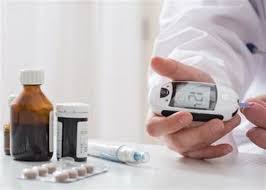
Adults with Type 2 diabetes occasionally decide to stop diabetes medication on their own — without discussing the decision with their prescribing clinician — for reasons that feel entirely reasonable: the medication is causing side effects, the cost is unsustainable, blood glucose has been under control for months and the medication seems unnecessary, or the person has read or heard that lifestyle changes can reverse diabetes and wants to try without medication. Each of these motivations reflects a legitimate concern. But the unilateral decision to stop diabetes medication suddenly, without a structured plan developed with a prescriber, is one of the most reliably harmful actions an adult with diabetes can take — producing blood glucose deterioration that is rapid, predictable, and often severe, while simultaneously eliminating cardiovascular and renal protective benefits that many modern diabetes medications provide beyond blood glucose control. Understanding why stopping diabetes medication suddenly is dangerous, what actually happens to blood glucose when medication is stopped, and what safer alternatives exist for every common reason people want to stop their medications, is essential knowledge for every adult managing Type 2 diabetes.
Studies of medication discontinuation in Type 2 diabetes consistently show rapid blood glucose deterioration following unplanned medication stops. Among adults who stop metformin without replacement therapy, HbA1c rises by an average of 0.8–1.5 percentage points within 3 months. Adults who stop insulin therapy return to pre-treatment glucose levels within days to weeks. The cardiovascular protective effects of GLP-1 receptor agonists and SGLT2 inhibitors — which reduce cardiovascular death and heart failure hospitalization — are lost within weeks of discontinuation. For patients with diabetic kidney disease on SGLT2 inhibitors, stopping the medication eliminates the renal protection that was slowing progression to dialysis or transplant. The harm from stopping medication is not always immediately visible in how the person feels — blood glucose can deteriorate substantially before symptoms appear, while vascular damage accumulates silently.
What Happens in the Body When You Stop Diabetes Medication
The physiological consequences of deciding to stop diabetes medication depend on the specific medication class, but the direction of change is consistent across virtually all cases:
- Stopping metformin: Metformin works primarily by reducing the liver’s overproduction of glucose (hepatic glucose output is elevated in Type 2 diabetes, contributing to fasting hyperglycemia). Within days to weeks of stopping metformin, hepatic glucose production rises back to pre-treatment levels — raising fasting blood glucose and HbA1c toward where they were before treatment began. For patients who have been on metformin for years with well-controlled HbA1c, stopping it can quickly reveal how much work the medication was doing — HbA1c can rise by 1–2 percentage points over 3 months. Since elevated HbA1c directly correlates with rates of diabetic retinopathy, nephropathy, and neuropathy, this deterioration is not benign even if it produces no immediate symptoms.
- Stopping sulfonylureas: Sulfonylureas directly stimulate the pancreas to produce more insulin. Stopping them removes this stimulation — blood glucose rises as the pancreas returns to its baseline reduced insulin secretion capacity. The rate of deterioration depends on residual beta cell function, which varies substantially between individuals and declines with diabetes duration. For patients with long-standing Type 2 diabetes and reduced beta cell reserve, stopping a sulfonylurea can cause rapid and significant hyperglycemia. The specific safety considerations for patients on sulfonylureas are covered in our sulfonylureas guide.
- Stopping insulin: For adults with Type 2 diabetes on insulin, stopping insulin therapy — particularly basal insulin — removes the primary tool managing blood glucose between meals and overnight. Blood glucose rises rapidly, sometimes dramatically, within 24–48 hours. For the small percentage of adults diagnosed with Type 2 diabetes who actually have slow-onset Type 1 diabetes (LADA — latent autoimmune diabetes in adults), stopping insulin can precipitate diabetic ketoacidosis, a potentially life-threatening emergency. Even for those with true Type 2 diabetes, stopping insulin without a replacement strategy for glucose management creates a period of uncontrolled hyperglycemia that is harmful. Our insulin therapy guide covers insulin types, dosing, and why insulin is sometimes a permanent requirement even with dietary changes.
- Stopping GLP-1 receptor agonists: GLP-1 medications (semaglutide, dulaglutide, liraglutide) provide glucose lowering, appetite suppression, and — at the approved cardiovascular outcome trial doses — significant reduction in MACE (major adverse cardiovascular events) including non-fatal heart attack, stroke, and cardiovascular death. Stopping these medications eliminates all three benefits: blood glucose rises, appetite and weight loss effect reverses within weeks to months, and the cardiovascular protection disappears. For patients who have established cardiovascular disease and are on GLP-1 medications partly for cardiovascular risk reduction, stopping without a clinical reason removes a treatment with demonstrated mortality benefit. Our GLP-1 medications and diabetes guide covers the cardiovascular trial evidence that makes discontinuation clinically significant beyond just glucose control.
Common Reasons People Stop Diabetes Medication — and Safer Alternatives
Every common reason adults give for wanting to stop diabetes medication has a safer alternative that addresses the underlying concern without the dangers of abrupt discontinuation:
- “My blood glucose is well-controlled — maybe I don’t need the medication anymore.” This is one of the most common and most understandable misreadings of what well-controlled blood glucose means. Well-controlled blood glucose in most cases means the medication is working — not that the underlying disease has resolved. Type 2 diabetes is a progressive condition in which insulin resistance and beta cell function decline over time. For most adults, blood glucose will rise without medication even with good dietary habits. The exception is adults who have made substantial weight loss and dietary changes — in this group, medication dose reduction or even discontinuation may genuinely be appropriate, but this should be assessed systematically by the prescribing clinician through careful monitoring, not assumed unilaterally. The correct question to ask the prescriber is: “Given my current control and lifestyle changes, is there a possibility of reducing or stopping any of my medications?” — not quietly stopping them and waiting to see what happens.
- “The medication is causing side effects.” Side effects are a legitimate reason to change a medication. But the appropriate response to side effects is to discuss them with the prescribing clinician and identify alternatives — not to stop the medication and go without. Almost every side effect of every diabetes medication class has either a management strategy (dose reduction, timing change, formulation switch) or a substitute medication without that side effect. Gastrointestinal side effects from metformin? Extended-release formulation often significantly reduces them. Hypoglycemia on sulfonylureas? Switch to a lower-risk agent or a different drug class. Weight gain concerns? GLP-1 receptor agonists and SGLT2 inhibitors are alternatives that cause weight loss rather than weight gain. Side effects are a conversation, not a reason to stop. The full safety profile of each medication class — including what side effects to watch for and what to do — is covered in our diabetes medication safety guide.
- “The medication is too expensive.” Cost is a genuine, serious barrier — not an excuse. But stopping medication due to cost without disclosure creates a medical management problem: the prescriber continues managing blood glucose as if the medication is being taken, cannot identify the deterioration as medication-related, and may escalate other treatments unnecessarily. Discussing cost openly with the prescribing clinician or pharmacist opens access to several real solutions: generic alternatives (metformin and glipizide are under $10/month generic), manufacturer patient assistance programs (all major GLP-1 and SGLT2 manufacturers have programs for uninsured patients), therapeutic substitution to an equally effective lower-cost alternative, or insurance coverage appeals. The ADA medication management resources and the NIDDK’s diabetes medicines information provide guidance on navigating medication access and cost. The CDC diabetes management resources also address medication adherence and access barriers for adults with diabetes. The complete medication overview that includes cost considerations across drug classes is in our diabetes medications overview.
The Hidden Risks Beyond Blood Glucose: Why Stopping Also Removes Protection
For many adults with Type 2 diabetes, the decision to stop diabetes medication is framed entirely in terms of blood glucose control — if blood glucose is okay for a while without the medication, the medication was unnecessary. This framing misses a critical dimension of modern diabetes pharmacotherapy: several medication classes provide cardiovascular and renal protection that is clinically significant and partially independent of their blood glucose lowering effect:
- GLP-1 receptor agonists and cardiovascular mortality: The LEADER trial (liraglutide), SUSTAIN-6 trial (semaglutide), and multiple subsequent cardiovascular outcome trials demonstrated that GLP-1 receptor agonists reduce the rate of non-fatal myocardial infarction, non-fatal stroke, and cardiovascular death in adults with Type 2 diabetes and established cardiovascular disease or high cardiovascular risk — benefits that are real, clinically significant, and not explained by blood glucose lowering alone (blood glucose differences between groups were modest). These benefits disappear when the medication is stopped. For an adult with Type 2 diabetes who has already had a heart attack or stroke and is on semaglutide or liraglutide partly for cardiovascular protection, stopping the medication removes a treatment with demonstrated mortality benefit — a decision that should not be made without full understanding of this implication and a clinical conversation about whether an alternative with cardiovascular benefit can be substituted.
- SGLT2 inhibitors and kidney disease progression: The CREDENCE trial demonstrated that canagliflozin significantly slowed the rate of end-stage kidney disease progression in adults with Type 2 diabetes and diabetic nephropathy. The DAPA-CKD trial showed similar results with dapagliflozin. For adults on SGLT2 inhibitors partly because of diabetic kidney disease, stopping the medication removes the renal protective effect — allowing kidney disease to progress at its untreated rate. Given that progression from moderate CKD to end-stage kidney disease requiring dialysis or transplant takes years, the harm from stopping an SGLT2 inhibitor in this population is not visible in the short term but is highly significant over a 3–5 year horizon. The full scope of SGLT2 inhibitor cardiovascular and renal benefits — and what they mean for the decision to continue or stop — is in our SGLT2 inhibitors explained guide.
- Insulin and the risk of DKA in LADA: A meaningful percentage of adults diagnosed with Type 2 diabetes in their 30s–50s actually have LADA (latent autoimmune diabetes in adults) — a slow-onset form of Type 1 diabetes caused by immune destruction of beta cells rather than insulin resistance. LADA patients are frequently misdiagnosed as Type 2 for years, particularly if they are not significantly overweight, and may appear to manage well initially without insulin. If such a patient stops insulin therapy (or was never correctly identified as needing it), the eventual near-complete loss of insulin production capacity creates a risk of diabetic ketoacidosis that is life-threatening. Any adult with Type 2 diabetes who is lean, has antibody markers (anti-GAD, anti-islet cell antibodies), or has failed to respond to oral medications appropriately should discuss the possibility of LADA with their endocrinologist before making any decision about insulin discontinuation.
- The complication timeline mismatch: One of the most insidious aspects of stopping diabetes medication is that the complications driven by elevated blood glucose take years to decades to develop clinically — retinopathy, nephropathy, neuropathy, and accelerated atherosclerosis are silent processes for most of that time. A person who stops their diabetes medication and feels fine for months or even years may be silently accumulating vascular damage throughout that period. By the time symptoms appear (blurry vision, protein in the urine, numbness in the feet), the underlying damage is often irreversible. The 10-year complication prevention benefit of good glycemic control was established definitively in the UKPDS (UK Prospective Diabetes Study) and DCCT trials — trials that showed the benefit of HbA1c control initiated early persists for decades, and conversely that the harm from poor control accumulates even when the blood glucose eventually improves (the “metabolic memory” effect). Blood glucose control today prevents complications you won’t see for 10–15 years — making the seemingly low stakes of short-term medication discontinuation clinically misleading.
When Reducing or Stopping Diabetes Medication Is Appropriate
There are genuine clinical situations where reducing the dose or number of diabetes medications is the right clinical decision — and understanding these situations clarifies why a unilateral patient decision to stop is the wrong process even when stopping might ultimately be the right outcome:
- After significant weight loss: Adults with Type 2 diabetes who lose 10–15% or more of their body weight through dietary change, bariatric surgery, or GLP-1 medication often achieve blood glucose levels that no longer require their previous medication regimen. Bariatric surgery in particular produces remission of Type 2 diabetes in 60–80% of patients by the 1-year mark — with blood glucose normalizing within days of the procedure, before significant weight loss has occurred, through gut hormone mechanisms that are not fully understood. In this setting, medication reduction or discontinuation is clinically appropriate — but it requires systematic monitoring to confirm that blood glucose remains controlled at the reduced medication level, and it should be managed by the prescribing clinician who can titrate the reduction safely rather than abruptly stop everything at once.
- After changes in other health conditions: Some diabetes medications need adjustment when kidney function declines, liver function changes, a new medication is added that interacts, or cardiovascular events change the risk-benefit calculation. These adjustments require clinical judgment and monitoring — not patient-initiated discontinuation.
- During planned medical procedures: Several diabetes medications should be held before surgery or procedures — metformin before contrast imaging, SGLT2 inhibitors before major surgery, and insulin dose adjustments for fasting periods. These are planned, temporary holds with a defined resumption plan — not discontinuation. The safety practices that govern these temporary medication holds are part of the diabetes medication safety framework covered in our diabetes medication safety guide. The specific missed-dose management that applies when medications are temporarily interrupted is in our managing missed diabetes medication doses guide. The complete medication context — all drug classes, their mechanisms, and how decisions about starting, changing, or stopping each are made — is in our diabetes medications overview. For understanding which medications carry hypoglycemia risk when doses are changed or stopped, see our diabetes medications and low blood sugar risk guide. The ADA’s medication management resources, the NIDDK’s diabetes medicines information, and the CDC’s diabetes management resources provide authoritative guidance on when medication changes are clinically appropriate and how to navigate medication decisions in partnership with a healthcare team.
How to Have the Medication Change Conversation With Your Prescriber
For adults who genuinely want to reduce or stop diabetes medication, the most effective approach is a structured, proactive conversation with the prescribing clinician — not a unilateral decision followed by disclosure at the next appointment (or no disclosure at all). Here is how to approach that conversation productively:
- Frame it as a question, not a decision already made: “I’ve been wondering whether I still need all of my current medications given the dietary changes I’ve made — can we look at my numbers and assess whether any of them could be reduced or stopped safely?” This framing invites clinical partnership rather than triggering a defensive response. It acknowledges that the prescriber has information (your recent labs, your complication risk profile, your cardiovascular history) that should inform the decision — information the patient doesn’t have in isolation.
- Be specific about the reason: “The cost of this medication is making it hard to fill consistently” or “I’m having significant gastrointestinal side effects from this medication” or “I’ve read that people who lose significant weight sometimes no longer need as much medication — is that true in my case?” are specific, actionable concerns that the prescriber can respond to with specific alternatives or solutions. Vague discomfort with the medication regimen is harder to address than specific concerns.
- Ask about the monitoring plan for any trial reduction: If the prescriber agrees that a medication trial reduction is appropriate, ask: “What would we monitor to know if this is working safely? How often should I check blood glucose? What HbA1c result after what timeframe would tell us the reduction was safe? What should I watch for that would tell me I need to go back on the full dose?” Having a defined monitoring plan — with clear re-escalation criteria — is the difference between a supervised medication reduction trial and simply stopping medication and hoping for the best.
- Consider the full picture, including what you’d be losing beyond blood glucose: Before the appointment, think about what you know about why the medication was prescribed. Was it added after a heart attack, meaning it may have cardiovascular protective value? Does your medical record mention kidney disease, suggesting an SGLT2 inhibitor’s renal protection is part of the rationale? Understanding the full reason for each medication helps ensure the conversation addresses all the reasons it was prescribed — not just blood glucose control. The diabetes medications overview provides a plain-language summary of each drug class’s full clinical role to help patients understand the complete picture of what their medications do. The dietary changes that can genuinely support medication reduction in appropriate candidates are covered in our diabetes meal planning guide. For understanding the hypoglycemia risk that appears during dose transitions — when a medication is being reduced rather than stopped abruptly — see our diabetes medications and low blood sugar risk guide. The ADA’s shared decision-making resources, the NIDDK’s diabetes treatment information, and the CDC’s diabetes management guidance all support the model of informed, shared decision-making on medication changes — a process that protects patients while respecting their active role in their own diabetes management.
The Bottom Line: Medication Changes Require a Plan
The core message about deciding to stop diabetes medication suddenly is simple: the decision is almost never as straightforward as it seems, the risks are almost never as low as they feel, and the medical system has legitimate tools and pathways to address every common reason someone wants to stop their medication — cost, side effects, overmedication concerns, or lifestyle-driven improvement. The right path is always to raise the concern with the prescribing clinician and ask for a supervised, monitored medication reduction plan if one is clinically appropriate. Going through this process protects both blood glucose control and the cardiovascular and renal benefits that many medications provide beyond glucose lowering. A prescriber who hears “I want to discuss whether I still need all of my diabetes medications” is not likely to be resistant — most clinicians actively support medication simplification when it is clinically safe and appropriate. The conversation is low risk. Stopping without the conversation carries real risk that is invisible in the short term and clinically significant over years.
Sources: American Diabetes Association — Standards of Medical Care in Diabetes; NIDDK — diabetes treatment and medication resources; studies on metformin discontinuation and HbA1c rebound; GLP-1 receptor agonist cardiovascular outcome trial data (LEADER, SUSTAIN-6, PIONEER-6) on benefit loss with discontinuation; SGLT2 inhibitor renal protection data (CREDENCE, DAPA-CKD) and discontinuation implications; pharmacological mechanism of each diabetes drug class and reversibility of effect; insulin cessation and DKA risk in LADA vs. Type 2 diabetes; patient adherence and non-adherence outcome data; ADA/EASD consensus on medication management and de-prescribing criteria; CDC diabetes medication adherence resources.
Came across this while researching why you should not stop diabetes for a family member. This is the kind of evidence-based writing that actually changes how people approach their health. Exactly the kind of evidence-based information that is hard to find in one place.
I have been reading about why you should not stop diabetes for weeks and this is the most thorough guide I found. What I liked most was that the article didn’t just say what to avoid — it also gave alternatives. Looking forward to reading more articles from this website.
This is one of the clearest explanations of why you should not stop diabetes I have found. I appreciate that the article is careful about distinguishing between what is known and what is still being researched. Thank you for making complex medical information accessible without dumbing it down.