
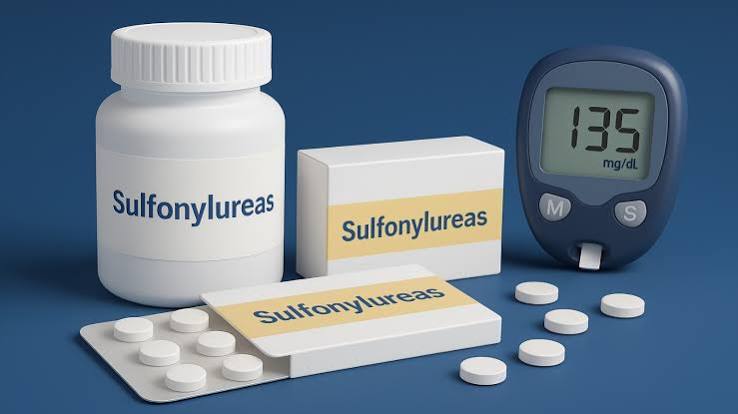
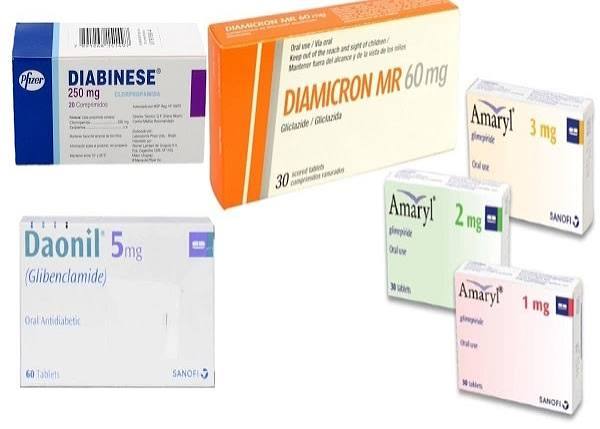
Sulfonylureas are one of the oldest and most widely prescribed classes of oral diabetes medications, used for more than 60 years to lower blood glucose in adults with Type 2 diabetes and still prescribed to tens of millions of patients worldwide. Despite the arrival of newer drug classes with superior cardiovascular and renal profiles, sulfonylureas remain clinically relevant because of their potent glucose-lowering efficacy, very low cost as generics, and availability in healthcare settings where newer medications are not affordable or accessible. The most commonly prescribed sulfonylureas in current US practice are glipizide (Glucotrol, Glucotrol XL), glimepiride (Amaryl), and glyburide (DiaBeta, Glynase) — second-generation agents that have largely replaced first-generation compounds (tolbutamide, chlorpropamide) due to lower side effect burden and more manageable pharmacokinetics. Every adult taking sulfonylureas should understand how these medications work, why they carry hypoglycemia risk that other oral agents do not, which specific situations increase that risk, and what practical steps can reduce the chance of dangerous low blood glucose episodes during treatment.
Sulfonylureas reduce HbA1c by approximately 1.0–2.0 percentage points when used as monotherapy — among the most potent HbA1c-reducing effects of any oral diabetes medication class. They are prescribed to approximately 20–25% of adults with Type 2 diabetes on pharmacotherapy in the United States, making them the second most commonly prescribed diabetes drug class after metformin. Generic glipizide and glimepiride cost under $15 per month at most US pharmacies, making them the most affordable second-line diabetes medications available when metformin alone is insufficient.
How Sulfonylureas Work
Understanding the mechanism of sulfonylureas explains both their glucose-lowering efficacy and the specific side effects — particularly hypoglycemia — that distinguish this class from newer diabetes medications:
- Beta-cell potassium channel closure: Sulfonylureas bind to the SUR1 subunit of ATP-sensitive potassium (K-ATP) channels on pancreatic beta cells. In normal physiology, these channels close when intracellular ATP increases (signaling high blood glucose), triggering the electrical depolarization that causes calcium influx and insulin vesicle release. Sulfonylureas bypass this glucose-sensing mechanism and close the K-ATP channels directly — stimulating insulin release regardless of the current blood glucose level. This is the fundamental difference from GLP-1 receptor agonists and DPP-4 inhibitors, which also stimulate insulin secretion but only when blood glucose is actually elevated (glucose-dependent mechanism). Sulfonylureas stimulate insulin continuously and glucose-independently, which is why they can drive blood glucose below the normal range when food intake is inadequate to match the medication-stimulated insulin output.
- Resulting insulin secretion pattern: The insulin secretion stimulated by sulfonylureas follows the drug’s pharmacokinetic profile rather than the blood glucose level — it is continuous throughout the medication’s duration of action regardless of whether the patient has eaten, how much they have eaten, or whether they are exercising (which increases glucose consumption and reduces the amount of insulin needed to maintain glucose homeostasis). This pharmacological characteristic — continuous, blood-glucose-independent insulin stimulation — is the direct cause of sulfonylurea-associated hypoglycemia and explains why the risk is highest when food intake is delayed or reduced, physical activity is unexpectedly high, or alcohol is consumed (which inhibits hepatic glucose production and removes the liver’s ability to compensate for insulin-driven glucose reduction).
- Progressive beta-cell function decline and sulfonylurea failure: Sulfonylureas work by stimulating insulin secretion from the existing pool of functional beta cells. As Type 2 diabetes progresses and beta-cell function declines over years, the pool of cells available to respond to sulfonylurea stimulation shrinks — progressively reducing the medication’s glucose-lowering effect. This phenomenon, called “secondary sulfonylurea failure,” typically develops over 5–10 years of continuous use and explains why many patients whose blood glucose was well-controlled on a sulfonylurea for several years develop inadequate control without any change in their lifestyle or medication adherence. Secondary failure signals the need to add or substitute medications rather than continuing to increase the sulfonylurea dose beyond the effective range.
Hypoglycemia Risk: The Most Important Safety Consideration
Hypoglycemia — blood glucose below 70 mg/dL — is the most clinically significant risk of sulfonylurea therapy and the primary factor that limits their use in high-risk populations. Unlike most newer diabetes drug classes, sulfonylureas carry genuine and meaningful hypoglycemia risk that requires patient education, monitoring awareness, and specific behavioral adaptations:
- Why sulfonylureas cause hypoglycemia when other oral agents do not: The glucose-independent insulin stimulation mechanism of sulfonylureas means that insulin is being released even when blood glucose is normal or low — in contrast to metformin (which reduces hepatic glucose output without affecting insulin), GLP-1 receptor agonists (which stimulate insulin only when glucose is elevated), and SGLT2 inhibitors (which have no effect on insulin secretion at all). When a patient taking a sulfonylurea skips a meal, eats significantly less than usual, exercises more than usual, or consumes alcohol, the medication-stimulated insulin continues to drive blood glucose downward without the usual food intake or hepatic glucose output to compensate. The result is hypoglycemia that would not occur with the same circumstances in a patient taking metformin or a GLP-1 receptor agonist.
- Highest-risk situations for sulfonylurea hypoglycemia: (1) Skipping or significantly delaying meals after taking the medication — the most common cause. (2) Eating significantly less than usual (illness with poor appetite, nausea, or food insecurity). (3) More physical activity than typical without corresponding increased food intake. (4) Alcohol consumption — alcohol blocks hepatic glucose production, eliminating the liver’s protective glucose release that would normally compensate for insulin-driven glucose reduction. (5) Renal impairment — several sulfonylureas (particularly glyburide and, to a lesser degree, glipizide) have active metabolites cleared by the kidney; reduced renal function prolongs their effect and increases hypoglycemia duration and severity. Glyburide is specifically contraindicated in significant renal impairment for this reason. (6) Advanced age — older adults have reduced awareness of hypoglycemia symptoms (hypoglycemia unawareness is more common), reduced counterregulatory response, and are more likely to have irregular meal patterns and renal function decline. (7) Drug interactions — certain medications increase sulfonylurea blood levels or augment their effect: fluconazole, ciprofloxacin, some NSAIDs, and some sulfonamide antibiotics can potentiate hypoglycemia risk in patients taking sulfonylureas.
- Recognizing and treating sulfonylurea hypoglycemia: Symptoms of hypoglycemia include shakiness, sweating, rapid heartbeat, hunger, pale skin, difficulty concentrating, headache, and dizziness — appearing when blood glucose falls below 70 mg/dL and intensifying as it falls further. Treatment: the “rule of 15” — consume 15 grams of fast-acting carbohydrate (4 glucose tablets, 4 oz juice, 4 oz regular soda), wait 15 minutes, recheck blood glucose, repeat if still below 70 mg/dL. Unlike hypoglycemia from some other causes, sulfonylurea-induced hypoglycemia can be prolonged and recur after initial treatment because the medication continues to stimulate insulin secretion — patients who have a hypoglycemic episode while on a sulfonylurea should eat a full meal or snack after initial glucose correction and contact their prescriber if the episode was severe, required more than one glucose correction, or was unexpected. The full framework of hypoglycemia risk across all diabetes medications — not just sulfonylureas — is covered in our diabetes medications and low blood sugar risk guide. The broader diabetes medication context — how sulfonylureas compare to and combine with newer agents — is in our diabetes medications overview. The ADA’s medication management resources, the NIDDK’s diabetes medicines guide, and the CDC’s diabetes medication management resources provide clinical guidance on sulfonylurea use and hypoglycemia management that complements individualized care team advice. The dietary consistency that reduces hypoglycemia risk on sulfonylureas — regular meal timing, adequate carbohydrate at each meal, and pre-planned adjustment for exercise and irregular eating — is supported by our diabetes meal planning guide.
Comparing Sulfonylureas: Glipizide vs. Glimepiride vs. Glyburide
The three most commonly prescribed second-generation sulfonylureas differ meaningfully in their pharmacokinetic profiles, hypoglycemia risk levels, and renal safety — making the choice between them clinically significant rather than interchangeable:
- Glipizide (Glucotrol, Glucotrol XL): Intermediate duration (12–24 hours for immediate-release; 24 hours for extended-release). Primarily metabolized to inactive metabolites — the safest sulfonylurea for adults with chronic kidney disease because metabolite accumulation does not extend duration or increase hypoglycemia risk. Glucotrol XL (extended-release) taken once daily with breakfast produces a smoother pharmacokinetic profile than immediate-release taken twice daily, with potentially lower postprandial hypoglycemia risk. Generally considered the preferred sulfonylurea in patients with renal impairment (though close monitoring is still required) and in older adults.
- Glimepiride (Amaryl): Long duration (24 hours), once daily dosing, lower binding affinity to cardiac K-ATP channels than older sulfonylureas (theoretically lower cardiac risk), and a reasonable renal safety profile in mild-to-moderate kidney disease. Comparable HbA1c reduction to glipizide with similar hypoglycemia risk profile. Once-daily convenient dosing improves adherence compared to twice-daily immediate-release glipizide. Often preferred as a once-daily alternative to glipizide ER in patients without significant renal impairment.
- Glyburide (DiaBeta, Glynase): Longer duration than other second-generation sulfonylureas (up to 24 hours), with active metabolites that accumulate in renal impairment — producing prolonged, severe hypoglycemia in patients with reduced kidney function. The ADA explicitly recommends against glyburide use in older adults and in patients with renal impairment for this reason. Despite this disadvantage, glyburide remains prescribed due to its extremely low cost and longstanding familiarity among some prescribers. Patients who have been on glyburide for years without problems in normal renal function may find that declining kidney function as they age changes their risk profile substantially — kidney function should be monitored and the medication reconsidered if eGFR falls below 60 mL/min/1.73m². The medication safety guidance that applies across all diabetes medications — including sulfonylureas — including what to do about missed doses, illness protocols, and drug interactions, is covered in our diabetes medication safety guide and our managing missed diabetes medication doses guide. The risks of stopping sulfonylureas abruptly are discussed in our why you should not stop diabetes medication suddenly guide.
Weight Gain and Other Side Effects of Sulfonylureas
Beyond hypoglycemia, sulfonylureas produce several other clinically relevant effects that patients should understand:
- Weight gain: Sulfonylureas cause average weight gain of 2–5 kg (4–11 pounds) over the first year of treatment in most patients. The mechanism involves both the hypoglycemia-prevention behaviors the medication encourages (eating more frequently and more consistently to avoid low blood glucose) and the direct anabolic effect of chronically elevated insulin levels on fat storage. This weight gain is clinically relevant because weight gain worsens the insulin resistance that is a core feature of Type 2 diabetes — creating a partial pharmacological paradox where the medication lowers blood glucose but simultaneously worsens the underlying metabolic abnormality that causes the elevated blood glucose. This is one of the primary reasons current diabetes guidelines prefer adding weight-neutral or weight-reducing medications (metformin, GLP-1 receptor agonists, SGLT2 inhibitors, DPP-4 inhibitors) over sulfonylureas as second-line agents when cost and access allow, reserving sulfonylureas for clinical contexts where cost-effectiveness is paramount or where other drug classes are not tolerated or accessible.
- Cardiovascular safety considerations: Early research raised theoretical concerns about sulfonylurea cardiovascular safety based on the University Group Diabetes Program (UGDP) study in the 1970s, which associated a first-generation sulfonylurea with increased cardiovascular mortality. Subsequent research has been mixed and the UGDP findings have not been consistently replicated with second-generation agents. The CAROLINA trial (2019) directly compared cardiovascular outcomes between glimepiride and the DPP-4 inhibitor linagliptin and found no significant difference in cardiovascular events between the two — providing the strongest direct evidence to date that glimepiride does not increase cardiovascular risk relative to an active comparator. The theoretical concern about cardiac K-ATP channel blockade (sulfonylureas bind to cardiac K-ATP channels in addition to pancreatic K-ATP channels, which could theoretically blunt ischemic preconditioning) remains mechanistically plausible but has not been confirmed as a clinical harm in contemporary outcome trials. Current ADA guidelines consider sulfonylureas cardiovascularly neutral based on available evidence, with preference for agents with demonstrated cardiovascular benefit (GLP-1 receptor agonists, SGLT2 inhibitors) in patients with established cardiovascular disease.
- Skin reactions and photosensitivity: Skin reactions (rash, itching, photosensitivity) occur in a small percentage of patients and are more common with the older first-generation sulfonylureas than with glipizide, glimepiride, or glyburide. Any skin reaction while starting a new medication should be reported to the prescribing clinician — mild rashes may be transient, while more significant reactions require medication evaluation.
- Hyponatremia (low sodium — primarily with older agents): First-generation sulfonylureas (chlorpropamide in particular) were associated with inappropriate ADH secretion causing hyponatremia. This is not a clinically significant concern with second-generation sulfonylureas (glipizide, glimepiride, glyburide) at standard doses.
Taking Sulfonylureas Correctly: Practical Guidance
The specific instructions for taking sulfonylureas correctly differ from those for most other oral diabetes medications and reflect the medication’s glucose-independent insulin stimulation mechanism:
- Timing with meals: Sulfonylureas should be taken with or immediately before the first bite of a meal — not fasting in the morning before breakfast, not at bedtime without food, and not at times when a meal is uncertain or delayed. Taking a sulfonylurea and then not eating (or eating significantly less than usual) is the most common preventable cause of sulfonylurea-induced hypoglycemia. Glipizide immediate-release and glyburide are typically taken twice daily with breakfast and dinner; glipizide extended-release and glimepiride are once-daily with the main meal. The specific meal-timing instruction from the prescribing clinician or the medication information should be followed consistently.
- Monitoring blood glucose on sulfonylureas: Blood glucose monitoring is more important on sulfonylureas than on medications without hypoglycemia risk. The minimum monitoring appropriate for patients on sulfonylureas is fasting glucose daily (or at least several times per week) plus testing whenever hypoglycemia symptoms are present. Pre-meal testing before the largest carbohydrate meal helps detect post-meal hypoglycemia risk from excessively active sulfonylurea effect. Patients who have experienced a hypoglycemic episode should increase monitoring frequency temporarily to understand their glucose pattern while the prescribing clinician adjusts the dose.
- Dose adjustments and missed doses: If a meal is going to be significantly delayed, smaller than usual, or skipped — hold the sulfonylurea dose for that meal rather than taking it and risking hypoglycemia. For regular missed doses (forgetting to take the medication with a meal), take it as soon as remembered if the meal is still in progress or just finished; skip it if the next meal is approaching. Do not double up on a subsequent dose to compensate for a missed dose. These specific missed-dose instructions for sulfonylureas are also covered in our managing missed diabetes medication doses guide, which covers this topic across all major diabetes drug classes. The safety practices that apply to all diabetes medications during illness, travel, and other disruptions are covered in our diabetes medication safety guide. The risks of stopping sulfonylurea treatment abruptly — and why blood glucose deteriorates rapidly when the medication is discontinued without a plan — are explained in our why you should not stop diabetes medication suddenly guide. For adults on sulfonylureas who are experiencing inadequate blood glucose control or worsening hypoglycemia, the full range of alternative and add-on medication options is covered in our diabetes medications overview, which places sulfonylureas in context alongside metformin, GLP-1 receptor agonists, SGLT2 inhibitors, and insulin. The dietary approach that reduces hypoglycemia risk on sulfonylureas through consistent meal timing and carbohydrate intake is supported by our diabetes meal planning guide. The ADA’s medication management guidance, the NIDDK’s diabetes medicines information, and the CDC’s diabetes medication resources all provide authoritative clinical information on sulfonylurea use, risks, and appropriate patient populations.
Drug Interactions and Special Populations: Who Needs Extra Caution with Sulfonylureas
Several drug interactions and patient characteristics significantly modify sulfonylurea response and hypoglycemia risk:
- Drugs that increase sulfonylurea effect (heightened hypoglycemia risk): Fluconazole and other azole antifungals inhibit CYP2C9, the primary enzyme responsible for sulfonylurea metabolism — substantially increasing blood sulfonylurea concentrations and extending their duration. Fluoroquinolone antibiotics (particularly ciprofloxacin) independently affect glucose regulation and can potentiate hypoglycemia in sulfonylurea-treated patients. NSAIDs displace sulfonylureas from protein binding sites, transiently increasing free drug concentration. Fibrates (used for high triglycerides) also enhance sulfonylurea effect. Alcohol both inhibits gluconeogenesis (the liver’s ability to produce glucose during fasting) and can mask hypoglycemia symptoms — the combination of alcohol and sulfonylureas is particularly hazardous and can produce profound, prolonged hypoglycemia requiring emergency treatment.
- Drugs that decrease sulfonylurea effect: Rifampin (used for tuberculosis treatment) strongly induces CYP2C9, dramatically increasing sulfonylurea metabolism and reducing blood glucose-lowering effect — patients who start rifampin while on stable sulfonylurea doses may experience substantial blood glucose deterioration requiring dose adjustment. Thiazide diuretics and corticosteroids (prednisone, methylprednisolone) raise blood glucose and can reduce the effective glucose-lowering response to sulfonylureas, often requiring temporary dose increases or insulin supplementation during courses of oral steroid treatment.
- Older adults: Sulfonylureas are included in the American Geriatrics Society Beers Criteria as medications of concern in adults 65 years and older — specifically because of hypoglycemia risk. The reasons are cumulative: older adults have reduced kidney clearance (extending sulfonylurea duration), reduced liver reserves (impairing gluconeogenesis during hypoglycemia), reduced awareness of hypoglycemia symptoms (hypoglycemia unawareness is more common with age), greater vulnerability to falls from hypoglycemia-related dizziness, and often reduced food intake or irregular eating schedules that create more unpredictable glucose patterns. The longer-acting agents — glyburide in particular — are considered especially high-risk in older adults because of their extended duration and active metabolite accumulation in renal impairment. When sulfonylureas are prescribed to older adults, guidelines favor shorter-acting agents (glipizide immediate-release), the lowest effective dose, frequent monitoring, and systematic patient education about hypoglycemia recognition and treatment.
- Kidney impairment: Both glyburide and to a lesser degree glimepiride undergo significant renal excretion of active metabolites — as kidney function declines, these metabolites accumulate and extend the effective duration of hypoglycemia risk. Glyburide is generally contraindicated in significant renal impairment (eGFR below 30 mL/min/1.73m²) and used with caution at mild-to-moderate impairment. Glipizide is the preferred sulfonylurea in chronic kidney disease because it has inactive metabolites that do not accumulate in renal impairment — providing a meaningful practical advantage in the CKD population where diabetes is common and hypoglycemia risk is already elevated.
Sources: American Diabetes Association — Standards of Medical Care in Diabetes, sulfonylurea guidance; NIDDK — diabetes medicines overview; pharmacology of sulfonylurea mechanism of action and beta-cell K-ATP channel binding; comparative pharmacokinetics of glipizide, glimepiride, and glyburide; sulfonylurea hypoglycemia risk evidence review; ADA Beers Criteria-equivalent guidance on sulfonylurea use in older adults; renal safety of sulfonylurea metabolites; drug interaction profiles for sulfonylurea class; CDC diabetes medication management resources; secondary sulfonylurea failure research.
Came across this while researching sulfonylureas: what patients should know for a family member. I especially valued the explanation of why these recommendations exist, not just what they are. Will definitely be coming back to this site for more health information.
As someone dealing with this personally, the sulfonylureas: what patients should know section was very helpful. What I liked most was that the article didn’t just say what to avoid — it also gave alternatives. This gave me real confidence going into my next specialist appointment.
As someone dealing with this personally, the sulfonylureas: what patients should know section was very helpful. It is refreshing to see an article that acknowledges individual variation rather than one-size-fits-all advice. This gave me real confidence going into my next specialist appointment.