
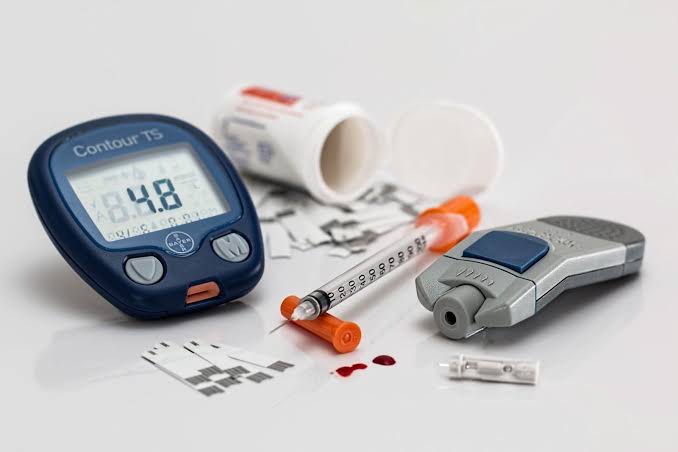
Not all diabetes medications low blood sugar risk is equal — the risk of hypoglycemia (low blood glucose, defined as blood glucose below 70 mg/dL) varies dramatically by drug class, from very high risk with insulin and sulfonylureas to essentially no intrinsic risk with metformin, GLP-1 receptor agonists, SGLT2 inhibitors, and DPP-4 inhibitors when used alone. This variation is not arbitrary: it reflects the fundamental mechanism by which each drug class lowers blood glucose. Medications that stimulate insulin secretion independently of blood glucose level — insulin itself and sulfonylureas — can push blood glucose below the normal range regardless of what you eat or how much activity you’ve done, because they add insulin effect that the body cannot suppress when glucose is already adequate. Medications that only enhance glucose management in a glucose-dependent manner (GLP-1 medications, DPP-4 inhibitors) or that remove glucose from the body through the kidneys (SGLT2 inhibitors) cannot produce hypoglycemia through their own mechanism — they can only cause low blood sugar when combined with medications that do. Understanding which diabetes medications low blood sugar risk applies to — and which do not — is foundational knowledge for every adult managing Type 2 diabetes with medication.
Hypoglycemia is the most immediately dangerous diabetes medication complication and one of the most common causes of diabetes-related emergency department visits. Approximately 100,000 emergency visits per year in the United States are attributed to hypoglycemia in adults with diabetes. Severe hypoglycemia — defined as blood glucose low enough to cause cognitive impairment requiring assistance from another person — is associated with increased cardiovascular event risk, falls and fractures in older adults, and impaired quality of life from fear of future episodes. Hypoglycemia unawareness — the reduced ability to recognize the warning symptoms of dropping blood glucose that develops after recurrent episodes — creates a cycle where hypoglycemia causes further hypoglycemia by blunting the body’s alert system. Preventing initial hypoglycemia events through appropriate medication selection, dose management, and patient education is therefore more effective than treating recurring episodes.
High-Risk Medications: Insulin and Sulfonylureas
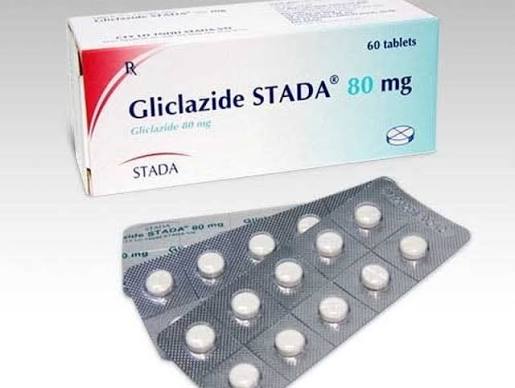
The two diabetes medications with the highest intrinsic low blood sugar risk are insulin (all types) and sulfonylureas (glipizide, glimepiride, glyburide). The mechanisms are related but distinct:
- Insulin hypoglycemia mechanism: Insulin lowers blood glucose by facilitating cellular glucose uptake and suppressing hepatic glucose production. When insulin is present in excess — relative to the current glucose load — blood glucose falls. The “excess” can arise from too much insulin (dose error), too little glucose input (missed meal, delayed meal, less carbohydrate than usual), or unexpectedly high insulin sensitivity (recent exercise, weight loss, illness recovery). Every insulin-treated patient has individual hypoglycemia risk factors that require individualized monitoring and dose management. Rapid-acting insulin (lispro, aspart, glulisine) causes hypoglycemia within 30 minutes to 2 hours of injection if food intake is insufficient. Long-acting basal insulin (glargine, detemir, degludec) causes hypoglycemia more gradually, often overnight or in the early morning, when the basal dose is higher than the patient’s overnight insulin needs. The complete guide to insulin types, mechanisms, and hypoglycemia management in insulin-treated patients is in our insulin therapy guide.
- Sulfonylurea hypoglycemia mechanism: Sulfonylureas stimulate the pancreatic beta cells to produce insulin by binding to the K-ATP channel on the beta cell surface — a mechanism that is independent of blood glucose level. Unlike the normal pancreatic response to glucose (which stops releasing insulin when blood glucose falls), sulfonylurea-stimulated insulin release continues even as blood glucose drops below the normal range. The result is hypoglycemia that occurs independently of whether the person has eaten appropriately. Key risk factors for sulfonylurea-induced hypoglycemia: taking the medication without eating (or eating significantly less than usual), alcohol consumption (which inhibits the liver’s ability to release stored glucose to rescue falling blood sugar), concurrent use of medications that enhance sulfonylurea effect (fluconazole, fluoroquinolones), reduced kidney function (which extends sulfonylurea duration), older age, and recent significant weight loss. Glyburide carries the highest hypoglycemia risk among the available sulfonylureas due to its long duration and active metabolite accumulation in renal impairment; glipizide immediate-release has the shortest duration and is generally preferred when hypoglycemia risk is a primary concern. The full clinical profile of sulfonylureas including comparative hypoglycemia risk is in our sulfonylureas guide.
Low-Risk Medications: Metformin, GLP-1, SGLT2, and DPP-4 Inhibitors
Several major diabetes medications have very low intrinsic low blood sugar risk when used without concurrent insulin or sulfonylureas — and understanding why helps patients interpret their individual risk accurately:
- Metformin — essentially no hypoglycemia risk as monotherapy: Metformin lowers blood glucose primarily by suppressing excessive hepatic glucose production. It does not stimulate insulin secretion and does not enhance insulin effect beyond helping the body use its normal insulin response more efficiently. As a result, metformin cannot push blood glucose below the normal range through its own mechanism — the liver retains its ability to release glucose when blood glucose falls, counteracting any excessive metformin glucose-lowering effect. When metformin is used alone, hypoglycemia does not occur except in extraordinary circumstances (prolonged fasting, alcohol intoxication). When metformin is combined with insulin or sulfonylureas, the combination’s hypoglycemia risk is driven by the insulin or sulfonylurea component, not the metformin. Detailed metformin pharmacology and safety profile are in our Metformin: What Adults Should Know guide.
- GLP-1 receptor agonists — glucose-dependent mechanism eliminates intrinsic risk: GLP-1 receptor agonists (semaglutide, dulaglutide, liraglutide) enhance insulin secretion in a glucose-dependent manner — meaning they enhance insulin release only when blood glucose is elevated. When blood glucose is at or near normal, GLP-1 receptor agonist stimulation of insulin secretion diminishes or stops automatically. This glucose-dependent mechanism means GLP-1 medications cannot produce hypoglycemia through their own action; they only cause hypoglycemia when combined with insulin or sulfonylureas. When a patient transitions to a GLP-1 medication from a higher-hypoglycemia-risk medication class, dose reduction of the insulin or sulfonylurea is typically needed as blood glucose control improves, to prevent hypoglycemia from the persistent high-risk medication while the new medication takes effect. Our GLP-1 medications and diabetes guide covers the full clinical profile of this drug class.
- SGLT2 inhibitors — kidney-based mechanism with no insulin dependence: SGLT2 inhibitors lower blood glucose by blocking kidney glucose reabsorption and causing glucose to exit in the urine. This mechanism is entirely insulin-independent and cannot push blood glucose below the renal threshold (approximately 70–80 mg/dL) because the kidneys only excrete glucose that is present in excess — when blood glucose falls to normal, glucose excretion stops automatically. SGLT2 inhibitors as monotherapy or with metformin carry essentially no hypoglycemia risk; when added to insulin, they may reduce insulin requirements sufficiently that insulin dose reduction is needed to prevent hypoglycemia. The complete SGLT2 inhibitor guide is at our SGLT2 inhibitors explained article.
- DPP-4 inhibitors — very low risk, glucose-dependent mechanism: DPP-4 inhibitors (sitagliptin, saxagliptin, alogliptin, linagliptin) prolong the action of endogenous GLP-1 by preventing its degradation, enhancing the glucose-dependent insulin secretion effect. Like GLP-1 receptor agonists, this mechanism is glucose-dependent and cannot produce hypoglycemia as monotherapy. DPP-4 inhibitors combined with insulin or sulfonylureas carry the hypoglycemia risk of the co-administered high-risk agent. The full diabetes medication overview that covers all drug classes and their comparative safety profiles is in our diabetes medications overview. The ADA hypoglycemia management guidance, the NIDDK’s diabetes treatment resources, and the Endocrine Society’s hypoglycemia resources provide authoritative clinical information on hypoglycemia risk, recognition, and management in diabetes treatment.
Recognizing Hypoglycemia Symptoms: What Low Blood Sugar Feels Like
Recognizing hypoglycemia quickly depends on knowing which symptoms to watch for — and understanding that the symptom pattern is not uniform across patients or across episodes. Hypoglycemia symptoms from diabetes medications low blood sugar events fall into two major categories:
- Adrenergic (autonomic) symptoms — the body’s alarm system: When blood glucose falls rapidly or reaches the low-normal range, the body releases adrenaline (epinephrine) as an emergency counter-regulatory response. Adrenaline triggers a recognizable cluster of symptoms: rapid or pounding heartbeat (palpitations), trembling or shakiness of the hands, sweating (often disproportionate to temperature or exertion), pallor (pale skin), anxiety or a sense of impending doom, and hunger — often urgent, almost overwhelming hunger. These symptoms are the body’s signal to eat immediately, and they are highly actionable: when they appear, blood glucose testing and rapid treatment should begin. These adrenergic symptoms typically begin when blood glucose drops below approximately 60–70 mg/dL, though the exact threshold varies by individual and adaptation history. Patients who frequently experience hypoglycemia may have their adrenergic symptom threshold shift downward over time — a phenomenon called hypoglycemia unawareness — where the alarm triggers at progressively lower blood glucose levels or may eventually be absent entirely. Beta-blocker medications (metoprolol, atenolol, carvedilol) blunt many adrenergic symptoms by blocking adrenaline receptors, reducing the palpitations and tremor while preserving sweating — patients on beta-blockers must rely more heavily on regular glucose monitoring rather than symptom awareness.
- Neuroglycopenic symptoms — the brain’s response to glucose deprivation: As blood glucose falls further (typically below 50–55 mg/dL), the brain itself begins to show signs of glucose deprivation. Neuroglycopenic symptoms include: difficulty concentrating or confusion, slowed thinking, unusual behavior or personality changes (irritability, aggression, emotional lability), blurred or double vision, slurred speech, weakness or difficulty with coordination, and severe headache. These symptoms are more dangerous than adrenergic symptoms because they impair the cognitive capacity needed to recognize the situation and take corrective action. A person experiencing significant neuroglycopenic symptoms may insist they feel fine, become argumentative about needing treatment, or be unable to follow simple instructions — all manifestations of glucose-deprived brain function rather than intentional behavior. At this stage, another person’s assistance in providing glucose treatment may be necessary. If blood glucose falls low enough to cause loss of consciousness or seizure, this constitutes severe hypoglycemia requiring emergency glucagon or IV glucose — oral treatment is not safe when the person cannot swallow reliably. Every adult on insulin or sulfonylurea therapy, and every person who lives with or cares for such an adult, should know the location of the glucagon emergency kit and know how to use it before it is ever needed.
- Nocturnal hypoglycemia — hypoglycemia during sleep: Hypoglycemia that occurs during sleep is particularly dangerous because the normal adrenergic warning symptoms may not awaken the person, or may be experienced only as vivid or disturbing dreams. Signs of overnight hypoglycemia that are recognized retrospectively include: waking with an unusual headache, night sweats (especially when the room is not warm), morning fatigue disproportionate to sleep duration, and elevated fasting blood glucose the following morning (the so-called Somogyi effect — counter-regulatory glucose release overnight that results in rebound morning hyperglycemia). Adults on basal insulin or long-acting sulfonylureas who have consistently high fasting blood glucose despite what should be adequate medication doses should discuss the possibility of nocturnal hypoglycemia with their prescribing clinician before further dose escalation is considered.
Treating Hypoglycemia: The 15-15 Rule and Beyond
The standard treatment protocol for mild-to-moderate hypoglycemia from diabetes medications causing low blood sugar is the 15-15 rule — a structured approach that prevents both undertreatment (leaving blood glucose dangerously low) and overtreatment (causing reactive hyperglycemia):
- The 15-15 rule for mild to moderate hypoglycemia (blood glucose 54–69 mg/dL with symptoms): Take 15 grams of fast-acting carbohydrate immediately. Wait 15 minutes. Recheck blood glucose. If still below 70 mg/dL, take another 15 grams of fast-acting carbohydrate and wait another 15 minutes. Repeat until blood glucose is above 70 mg/dL. Once blood glucose has recovered above 70 mg/dL, eat a small snack containing both carbohydrate and protein if the next meal is more than an hour away, to prevent blood glucose from falling again before the next meal (especially important with sulfonylureas, which continue stimulating insulin secretion after the initial glucose rescue). Fast-acting carbohydrate options that provide approximately 15 grams: 4 ounces (120 mL) of regular (non-diet) juice or regular soda, 3–4 glucose tablets (read the label for grams per tablet), 4 teaspoons of sugar dissolved in water, or 1 tablespoon of honey or corn syrup. Chocolate, cookies, ice cream, and foods high in fat are poor choices for acute hypoglycemia treatment because fat slows carbohydrate absorption and delays blood glucose recovery.
- Avoiding overtreatment: The most common error in treating hypoglycemia is eating far more than 15 grams of carbohydrate in a panic response to symptoms. Because hypoglycemia symptoms are distressing — hunger, tremor, anxiety — the urge to eat until feeling better is understandable, but the result is often a blood glucose spike to 200–300 mg/dL that requires additional insulin or hours of elevated glucose management. Restricting treatment to 15 grams at a time and waiting to recheck before treating again prevents this overcorrection cycle. This structured approach also provides useful data: if blood glucose does not respond to two or three 15-gram carbohydrate treatments, the hypoglycemia may be more persistent than usual — particularly with long-acting sulfonylureas — and medical attention may be needed.
- Severe hypoglycemia requiring glucagon or emergency services: If the person is unconscious, having a seizure, or cannot swallow safely, oral glucose treatment is not appropriate and emergency intervention is required. Glucagon (available as injectable kits or as nasal powder sprays) triggers the liver to release stored glucose and can be administered by another person without medical training. All adults on insulin and those on sulfonylureas with hypoglycemia risk factors should have a glucagon kit prescribed and accessible at home, and their family members or housemates should know how and when to use it. Intranasal glucagon (Baqsimi) and ready-to-use auto-injectors (Gvoke, Zegalogue) have simplified the administration process significantly compared to traditional vial-and-syringe kits. If glucagon is not available or the person does not respond within 15 minutes of glucagon administration, call emergency services. After any severe hypoglycemic episode requiring glucagon or emergency assistance, the prescribing clinician should be notified promptly — the event indicates that the current medication regimen carries more hypoglycemia risk than is acceptable and requires adjustment. The complete medication safety framework that encompasses hypoglycemia prevention alongside other safety practices is in our diabetes medication safety guide. The missed-dose management that can trigger hypoglycemia through catch-up dosing errors is in our managing missed diabetes medication doses guide. The dietary consistency practices that reduce hypoglycemia risk through regular meal timing and consistent carbohydrate intake are in our diabetes meal planning guide. The ADA’s hypoglycemia guidance, the NIDDK’s low blood glucose resources, and the Endocrine Society hypoglycemia information provide authoritative clinical guidance on hypoglycemia classification, treatment, and prevention.
Preventing Hypoglycemia: Medication Adjustment and Lifestyle Strategies
The most effective approach to diabetes medications low blood sugar prevention combines appropriate medication selection, dose management, and consistent lifestyle practices that reduce the gap between insulin availability and glucose supply:
- Meal consistency and carbohydrate timing: For adults on insulin or sulfonylureas, consistent meal timing and relatively consistent carbohydrate content from meal to meal significantly reduces hypoglycemia frequency. When the amount of carbohydrate eaten at a meal is significantly less than usual, the fixed insulin or sulfonylurea dose becomes proportionally excessive — the most common day-to-day mechanism of post-meal hypoglycemia in adults on these medications. This does not mean that dietary variety is impossible on insulin or sulfonylureas — but it does mean that significant reductions in meal size or carbohydrate content should prompt either a proactive dose reduction (for patients who have been taught dose adjustment) or closer monitoring after the meal. The dietary approach that supports stable blood glucose and reduces hypoglycemia risk is in our diabetes meal planning guide.
- Exercise and activity management: Physical activity increases insulin sensitivity — meaning that the same insulin dose that produces normal blood glucose at rest can produce hypoglycemia during or after exercise. Both aerobic exercise (walking, cycling, swimming) and resistance exercise increase glucose uptake by muscle, lowering blood glucose during and for several hours after the activity. Adults on insulin who exercise regularly typically need to either reduce their pre-exercise insulin dose, consume extra carbohydrate before and during exercise, or both — the specific strategy depends on the type, duration, and intensity of exercise and the individual’s glucose response pattern, and is best developed in collaboration with the prescribing clinician or diabetes care team. Nocturnal hypoglycemia is a particular risk after afternoon or evening exercise, as muscle glucose uptake can remain elevated for 8–12 hours after intense exercise sessions. Adults on sulfonylureas should also monitor more carefully after unusual exercise and ensure a carbohydrate-containing meal or snack follows prolonged physical activity.
- Alcohol caution: Alcohol inhibits hepatic glucose production — the liver’s ability to release stored glucose to rescue falling blood glucose during fasting or medication-induced hypoglycemia. When alcohol is consumed by someone taking insulin or sulfonylureas, the liver’s counter-regulatory glucose release is impaired, extending and deepening hypoglycemia events and making them more dangerous. Hypoglycemia symptoms under alcohol influence (confusion, impaired coordination, altered consciousness) can be misidentified as intoxication — delaying treatment. The practical guidance for adults on insulin or sulfonylureas: if alcohol is consumed, ensure a carbohydrate-containing meal accompanies it, limit intake, and monitor blood glucose before sleep and upon waking. Never drink alcohol on an empty stomach while on hypoglycemia-risk diabetes medications.
- Dose adjustment when blood glucose is consistently well-controlled or running low: Persistent mild hypoglycemia (blood glucose frequently 60–80 mg/dL without clear precipitating factors) is a sign that the current medication dose is higher than needed for the current level of dietary intake, activity, and insulin sensitivity. Rather than treating each episode reactively with carbohydrates, the correct long-term response is to discuss dose reduction with the prescribing clinician. Reducing insulin or sulfonylurea dose when blood glucose control is tighter than needed is not a failure of diabetes management — it is the appropriate clinical response to improved metabolic status, whether from weight loss, dietary change, increased activity, or the addition of a complementary medication. The context of how all diabetes medications work together and how hypoglycemia risk changes when medications are combined or changed is in our diabetes medications overview. For the specific safety practices that govern all diabetes medications including those with low hypoglycemia risk, see our diabetes medication safety guide.
Sources: American Diabetes Association — Standards of Medical Care in Diabetes, hypoglycemia chapter and drug class safety comparisons; NIDDK — diabetes treatment resources and hypoglycemia guidance; Endocrine Society — hypoglycemia recognition and management guidelines; pharmacological mechanisms of hypoglycemia for insulin, sulfonylureas, and glucose-dependent drug classes; ADA hypoglycemia classification (level 1: <70 mg/dL; level 2: <54 mg/dL; level 3: severe requiring assistance); 15-15 rule treatment protocol; glucagon emergency kit prescribing and use; sulfonylurea comparative hypoglycemia risk data; CAROLINI trial and sulfonylurea cardiovascular safety; GLP-1 receptor agonist glucose-dependent mechanism and hypoglycemia trial data; SGLT2 inhibitor hypoglycemia rates from cardiovascular outcome trials; insulin type-specific hypoglycemia timing; hypoglycemia unawareness and autonomic failure mechanisms.
I never fully understood diabetes medications and low blood sugar until I read this. The practical tips made this immediately actionable, not just theoretical. Keep up this kind of thorough health journalism — it genuinely helps patients like me.
This is one of the clearest explanations of diabetes medications and low blood sugar I have found. The section on managing this condition day-to-day was especially useful for planning. Appreciate the effort that went into researching and writing this — it shows.
Came across this while researching diabetes medications and low blood sugar for a family member. I especially valued the explanation of why these recommendations exist, not just what they are. Will definitely be coming back to this site for more health information.