
Best Foods for Kidney Health
Kidney-friendly eating is most often described as a list of restrictions — limit potassium, reduce phosphorus, cut sodium, moderate protein. That framing is accurate but incomplete. There are specific foods that are not merely “allowed” on a kidney-friendly diet but are actively beneficial: they are low in the minerals that accumulate to dangerous levels in CKD, they contain anti-inflammatory compounds that work against the oxidative stress and chronic NF-κB activation that drives kidney fibrosis, and they support the gut microbiome in ways that reduce production of uremic toxins — indoxyl sulfate and p-cresyl sulfate — that directly damage tubular cells and push disease forward. The best approach to eating for kidney health is not primarily about what to avoid. It is about consistently including the foods that actively work in the kidney’s favor.
This guide focuses on the foods with the strongest evidence for kidney health benefit, explaining the specific mechanisms through which each food supports kidney function. The nutrient values cited below are averages — actual levels vary by preparation method, ripeness, and portion size. Individual dietary restrictions, particularly for potassium and phosphorus, should always be matched to your actual lab values with guidance from a nephrologist or renal dietitian, because what is appropriate varies significantly across CKD stages.
Berries — Anti-Inflammatory, Low Potassium, Gut-Protective
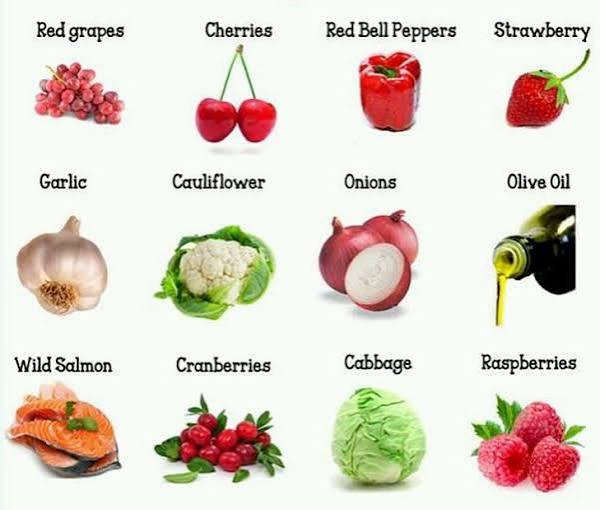
Berries — blueberries, strawberries, raspberries, and cranberries — are among the most consistently kidney-friendly foods available. They are low in potassium (blueberries contain approximately 57 mg per half cup; strawberries approximately 110 mg per half cup), low in phosphorus, low in sodium, and high in fiber and polyphenolic antioxidants that work through multiple mechanisms relevant to CKD.
The primary bioactive compounds in berries are anthocyanins — the pigments that give them their deep red, blue, and purple colors — along with other polyphenols including quercetin, ellagic acid, and pterostilbene. These compounds suppress NF-κB activation in kidney tissue. NF-κB is the master inflammatory transcription factor that drives production of IL-6, TNF-α, and MCP-1, the cytokines that promote mesangial cell proliferation, tubular injury, and the progressive interstitial fibrosis that characterizes advancing CKD. Blueberry supplementation has shown reductions in inflammatory markers in CKD patients in small clinical studies, and regular berry consumption is associated with slower GFR decline in prospective observational data.
The fiber in berries — particularly the soluble pectin fractions — supports the gut microbiome in ways that reduce uremic toxin production. Indoxyl sulfate and p-cresyl sulfate are produced when gut bacteria ferment tryptophan and tyrosine from undigested protein. Dietary fiber feeds bacterial populations that ferment fiber instead of protein, reducing the substrate available for uremic toxin generation. Cranberries add a benefit specific to urinary tract health: proanthocyanidins prevent E. coli — the bacteria responsible for most urinary tract infections — from adhering to the uroepithelium, reducing UTI frequency in CKD and dialysis patients who face elevated infection risk. The hydration and kidney health guide covers how adequate fluid intake works alongside dietary choices in preventing urinary tract infections.
Cabbage and Cauliflower — Low-Electrolyte Cruciferous Staples
Cruciferous vegetables are one of the clearest examples of foods that are both kidney-appropriate and genuinely nutritious. Cabbage contains approximately 120 mg of potassium per half cup cooked — low enough to be appropriate even in advanced CKD — along with meaningful amounts of vitamins K, C, and B6, folic acid, and the glucosinolates that have anti-inflammatory and potentially anti-carcinogenic properties. Raw cabbage in coleslaw, braised cabbage as a side dish, and cabbage stir-fried in olive oil with garlic are practical, affordable preparations that fit into a kidney-friendly diet without major restructuring.
Cauliflower (approximately 88 mg potassium per half cup) serves an additional role in kidney-friendly cooking as a substitute for higher-potassium, higher-phosphorus starchy foods. Cauliflower rice replaces white rice in dishes where lower potassium is needed. Mashed cauliflower with olive oil and garlic replaces mashed potatoes, which contain substantially more potassium even after leaching. Roasted cauliflower with herbs delivers the satisfaction of roasted vegetables without the potassium load of potatoes or sweet potatoes. These substitutions matter because they let CKD patients keep familiar meal structures without navigating constant restriction.
Fish — Omega-3 Fatty Acids and Cardiovascular-Kidney Protection
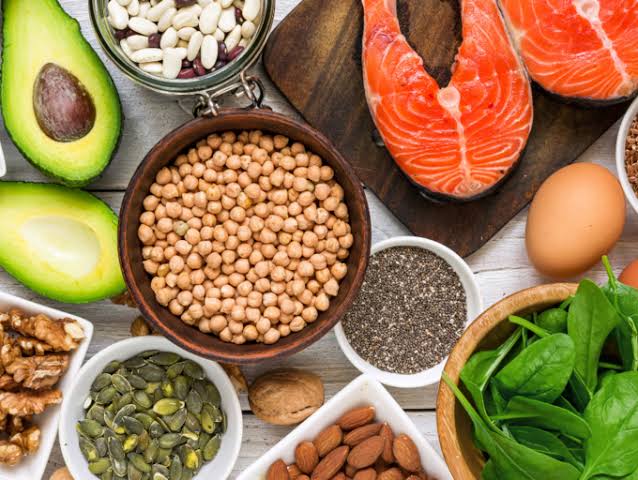
Fish — particularly fatty fish high in omega-3 fatty acids — is the animal protein most consistently recommended for people with kidney disease. The omega-3 fatty acids EPA and DHA reduce systemic and renal inflammation by competing with arachidonic acid for incorporation into cell membranes and by generating anti-inflammatory eicosanoids (resolvins and protectins) rather than the pro-inflammatory prostaglandins and leukotrienes produced from arachidonic acid. In the kidney specifically, omega-3 supplementation has been associated with reduced proteinuria and slower GFR decline in several randomized trials of CKD patients, though the effect size varies across populations and disease types.
The cardiovascular benefit of omega-3-rich fish matters just as much for CKD patients as the direct kidney effect. Cardiovascular disease accounts for approximately 50 percent of deaths in CKD — a mortality burden so dominant that improving cardiovascular outcomes is as important for many patients as slowing GFR decline. Fish consumption twice weekly is associated with reduced cardiovascular events in large cohort studies, and CKD patients — who face 10 to 30 times the cardiovascular mortality of the general population — get compounding benefit from both the direct renal and cardiovascular protective effects. The blood pressure and kidney protection guide covers the cardiovascular risk reduction strategies most relevant to CKD patients.
The phosphorus in fish is organic phosphorus — absorbed at 40 to 60 percent efficiency rather than the 90 to 100 percent absorption rate of the inorganic phosphate additives found in processed foods. At two to three servings per week, the phosphorus load from fish fits within a CKD dietary phosphorus budget, particularly when phosphate additives are eliminated from processed foods at the same time. Salmon, mackerel, sardines, and trout are the richest sources of EPA and DHA. Canned sardines and salmon (packed in water, no added salt) provide similar omega-3 content to fresh fish at lower cost and are convenient to keep stocked.
Garlic and Onions — Flavor Without Salt and Direct Anti-Inflammatory Effects
Garlic and onions earn their place in kidney-friendly cooking for two distinct reasons: their culinary role as salt-free flavor sources, and their direct effects on inflammation, blood pressure, and gut microbiome composition. Used as flavor agents, garlic and onions add negligible potassium or phosphorus while making low-sodium preparations satisfying enough that people actually stick to them — which matters, because dietary compliance is often the real constraint in kidney disease management.
Allicin — the sulfur compound formed when garlic is crushed or chopped — has demonstrated antimicrobial, anti-inflammatory, and modest antihypertensive properties in clinical studies, with some evidence of mild ACE-inhibitory activity that may complement the RAAS-blocking medications commonly prescribed in CKD. Quercetin in onions is one of the most extensively studied anti-inflammatory flavonoids, with demonstrated suppression of NF-κB and reductions in circulating inflammatory markers in human trials. The prebiotic fiber in onions — primarily fructooligosaccharides — feeds Lactobacillus and Bifidobacterium species in the gut, which ferment fiber rather than protein and reduce production of indoxyl sulfate and p-cresyl sulfate. This gut-microbiome effect of onion consumption is mechanistically the same pathway through which high-fiber diets broadly reduce uremic toxin burden in CKD.
Olive Oil — Anti-Inflammatory Fat and Caloric Support for Protein-Restricted Diets
Olive oil is the preferred cooking fat in kidney-friendly dietary patterns for several reasons. Its primary fatty acid — oleic acid, a monounsaturated fat — reduces the availability of arachidonic acid for conversion to pro-inflammatory eicosanoids, providing a mild anti-inflammatory effect through lipid metabolism. Oleocanthal, a phenolic compound found in extra virgin olive oil, inhibits COX-1 and COX-2 (the same enzymes targeted by ibuprofen and aspirin) and has demonstrated anti-inflammatory properties in laboratory and human studies. Olive oil is a central component of the Mediterranean diet, and data from the PREDIMED-Plus study show that Mediterranean diet adherence is associated with slower CKD progression and improved cardiovascular outcomes in high-risk populations. The alcohol and kidney health guide addresses a common question about Mediterranean diet advice in the context of CKD.
Olive oil also fills a practical nutritional role in CKD: it provides caloric density that helps patients maintain body weight while moderating protein. Protein restriction in CKD reduces a major calorie source; replacing those calories with olive oil adds energy without adding protein, potassium, phosphorus, or sodium. Patients who reduce protein without compensating calorically often experience involuntary weight loss that leads to protein-energy wasting — the malnutrition syndrome associated with significantly increased mortality in CKD. Cooking vegetables and egg whites in olive oil, using it as a salad dressing, and drizzling it over fish or mashed cauliflower provides both flavor and the caloric density needed to maintain body weight on a kidney-protective diet.
Egg Whites — High-Quality Protein With Very Low Phosphorus
Egg whites represent a uniquely valuable protein source in CKD because they deliver a complete amino acid profile — all nine essential amino acids — with a phosphorus content dramatically lower than whole eggs or most other animal proteins. One large egg white contains approximately 3–4 grams of high-quality protein and only 5 milligrams of phosphorus. Two egg whites provide roughly 7 grams of protein at only 10 milligrams of phosphorus. By comparison, a single whole egg contains similar protein but approximately 86–99 milligrams of phosphorus, the majority of which resides in the yolk. For CKD patients who need to meet protein targets while limiting phosphorus, egg whites offer a rare combination: the amino acid completeness of animal protein at a phosphorus cost approaching plant protein.
In practice, egg whites can replace whole eggs in scrambled preparations, omelets, and baking. Liquid egg white products in cartons are convenient and allow precise portion control. The difference compounds quickly: a patient eating three whole eggs daily takes in roughly 260 mg of phosphorus from eggs alone; switching to three egg whites reduces that to approximately 15 mg — a savings of over 240 mg per day, which represents more than 10 percent of the typical CKD dietary phosphorus budget. The protein intake and kidney health guide explains how to calculate and meet protein targets at each CKD stage while keeping phosphorus within range.
Apples and Red Bell Peppers — Stage-Universally Safe and Nutritious
Apples and red bell peppers are among the foods most consistently appropriate for kidney health across all CKD stages, including dialysis. A medium apple without skin contains approximately 100 mg of potassium — well within the range considered safe even in advanced CKD. Apples contain quercetin (anti-inflammatory), pectin (soluble fiber that acts as a gut-binding agent to reduce uremic toxin absorption), and malic acid (an organic acid that is metabolized alkaline-forming, helping buffer the metabolic acidosis that is common in CKD stages 3–5). Intervention studies have found associations between pectin-rich fruit consumption and reduced indoxyl sulfate levels in CKD patients, consistent with the proposed gut-binding mechanism.
Red bell peppers have among the lowest potassium content of any vegetable — approximately 88 mg per half cup — while providing vitamin C content well above the daily RDA of 75–90 mg. Vitamin C is an antioxidant that CKD patients are often depleted in due to dietary restriction and dialysis-related losses; adequate intake supports antioxidant defenses against the oxidative stress that drives glomerular and tubular damage. Red bell peppers also contain lycopene — an anti-inflammatory carotenoid also found in tomatoes — but unlike tomatoes, which are relatively high in potassium and may need restriction in advanced CKD, red bell peppers can be used freely across all stages. The National Kidney Foundation and the NIDDK’s CKD nutrition resources both maintain comprehensive food lists with potassium and phosphorus values for common kidney-friendly options.
Building a Kidney-Supportive Eating Pattern
The foods described above work best as part of a consistent dietary pattern rather than as isolated additions to an otherwise poor diet. A Mediterranean-style pattern adapted for CKD — olive oil as the primary cooking fat, fish twice weekly, abundant low-potassium vegetables (especially cruciferous varieties and bell peppers), legumes in moderate portions for plant protein and fiber, berries and apples for fruit, and garlic and herbs as salt-free seasoning — provides the anti-inflammatory, low-sodium, low-inorganic-phosphate, gut-microbiome-supportive framework that population studies consistently link to slower CKD progression and reduced cardiovascular events.
For patients in stages 3B–5 who need stricter potassium control, the pattern adjusts by leaching higher-potassium vegetables and replacing high-potassium fruits with apples, berries, and pineapple. For dialysis patients who need higher protein, fish and egg white portions increase while the overall principles — vegetable emphasis, olive oil as primary fat, low inorganic phosphorus — remain constant. The kidney-friendly diet beginner’s guide provides the stage-by-stage framework for translating these food choices into a personalized dietary plan developed with renal dietitian guidance.
Conclusion
The best foods for kidney health share three properties: they are low in the electrolytes that accumulate in CKD (potassium, phosphorus, sodium); they contain anti-inflammatory phytocompounds — anthocyanins, quercetin, allicin, EPA/DHA, oleocanthal — that counteract the oxidative stress and NF-κB-driven inflammation that accelerates kidney fibrosis; and they support the gut microbiome through fiber and prebiotic compounds in ways that reduce uremic toxin production. Berries, cabbage, cauliflower, fish, garlic, onions, olive oil, egg whites, apples, and red bell peppers together form a practical, affordable, and genuinely kidney-protective dietary foundation. No single food is a cure, and no individual food choice outweighs the effect of a consistently kidney-protective overall eating pattern — but each of these foods earns its place through specific, evidence-supported mechanisms rather than general healthy eating intuition.
Sources: National Kidney Foundation (kidney.org); NIDDK — CKD Nutrition (niddk.nih.gov); KDIGO CKD Clinical Practice Guidelines 2012/2024; PREDIMED-Plus study publications; Kalantar-Zadeh K et al., nutritional management in CKD, JASN/CJASN; NKF KDOQI Nutrition Guidelines.
Building a kidney-friendly diet starts at the grocery store. Knowing which aisles and specific products are reliably safe — and which require careful label reading — reduces the cognitive burden of dietary management considerably. The produce section is generally the most straightforward: the foods listed above (berries, cabbage, cauliflower, apples, red bell peppers, garlic, and onions) can be selected without label reading. All are naturally low in sodium, phosphorus, and (in the case of the specific foods above) potassium, and none contains phosphate additives.
The protein aisle requires more attention. Fresh fish — salmon, mackerel, trout, sardines — is generally appropriate without label concerns. Canned fish is appropriate when the label reads “packed in water” with no added salt; avoid canned fish in sauces, broths, or flavored oils, which typically carry significant sodium and may contain phosphate additives. Fresh egg whites are available in cartons in the refrigerated section; these are preferable to whole eggs for CKD patients who need to restrict phosphorus, and the carton format allows easy portion control. Whole eggs remain an option for CKD patients in early stages whose phosphorus level is normal — the restriction applies primarily to stages 3B through 5 when phosphorus accumulates.
The oils section is simple: extra virgin olive oil is the first choice. The extra virgin designation ensures that oleocanthal and other phenolic compounds are present at higher levels than in refined olive oil; light or “pure” olive oil is processed and contains fewer of these bioactive compounds. Canola oil is an acceptable alternative with a reasonable omega-6 to omega-3 ratio, but olive oil’s phenolic content makes it the first choice in the kidney-friendly kitchen. Avoid coconut oil (saturated fat), vegetable shortening (trans fat), and processed seed oils high in omega-6 fatty acids that promote the arachidonic acid cascade that generates inflammatory eicosanoids.
Processed food aisles require the most scrutiny. The guiding principle: if the ingredient list contains any word beginning with “phosph-” — phosphate, phosphoric acid, dicalcium phosphate, disodium phosphate — that product contains inorganic phosphate additives absorbed at 90 to 100 percent efficiency. Even a product otherwise considered kidney-friendly (a protein shake, a flavored water, a low-sodium soup) becomes a significant phosphorus load if it contains phosphate additives. This one criterion — checking the ingredient list for “phosph-” — is more important than reading the phosphorus number on the nutrition facts panel, which often underreports actual inorganic phosphate content. The foods to limit for kidney health guide covers the full list of processed food categories that are most problematic for CKD patients.
How to Prepare Kidney-Friendly Foods to Maximize Benefit
Preparation method meaningfully affects the nutritional profile of kidney-friendly foods. The most important technique for CKD patients who need to restrict potassium is leaching: soaking and boiling vegetables in water removes a significant portion of their potassium content, making higher-potassium vegetables more manageable. The standard leaching protocol involves peeling and cutting the vegetable into small pieces, soaking in warm water for at least two hours (changing the water once), then boiling in a large amount of fresh water and discarding the cooking water. This process can reduce potassium content by 30 to 60 percent in vegetables such as potatoes. For the low-potassium foods emphasized in this guide — cabbage, cauliflower, red bell peppers, berries, apples — leaching is generally not necessary, which makes them inherently easier to prepare.
For berries, the most kidney-protective preparation is fresh or frozen without added sugar. Frozen berries retain their anthocyanin content well (often better than fresh berries stored for several days) and are frequently less expensive than fresh, making them practical for daily use. For fish, baking, broiling, or poaching preserves omega-3 fatty acids better than deep frying, which can partially oxidize the EPA and DHA content and adds significant sodium and saturated fat from batter and frying oil. Garlic is most biologically potent when crushed or chopped and allowed to sit for five to ten minutes before cooking — this allows allicin to form fully before heat deactivates the enzyme (alliinase) responsible for its production. Olive oil should not be heated to smoking point, which degrades its phenolic compounds; moderate heat cooking (sautéing rather than high-heat frying) preserves its anti-inflammatory properties.
Seasoning choices matter in kidney-friendly food preparation. Salt — even sea salt or Himalayan pink salt — remains sodium chloride and adds to the daily sodium budget. The practical alternative is building flavor through garlic, onions, fresh herbs (parsley, rosemary, thyme, dill), lemon juice, vinegar, and spices (cumin, turmeric, paprika, black pepper). Turmeric deserves special mention: curcumin, its primary active compound, has demonstrated anti-inflammatory and potentially nephroprotective properties in several CKD studies, and it pairs naturally with garlic, olive oil, and fish in kidney-friendly cooking. These flavor-building techniques — aromatics, acids, herbs, and spices — make low-sodium preparations genuinely appetizing rather than merely compliant, which is ultimately what determines whether a dietary change is sustainable.
>
The egg white section surprised me — I had no idea that egg whites were such a kidney-friendly protein source. I’ve been avoiding eggs entirely because I thought all animal protein was hard on kidneys. Glad I read this. Going to try the egg white and red bell pepper combination mentioned here.
As someone who just started stage 2 CKD management, this list is genuinely helpful. I was worried about getting enough protein while also keeping phosphorus low. The cauliflower and cabbage ideas are great — I had no idea how versatile cauliflower can be as a kidney-friendly starch substitute.
Excellent article. The olive oil point is underrated — most kidney diet guides focus only on what to cut out, but this one actually celebrates healthy fats. My renal dietitian agrees that getting adequate calories from healthy fats prevents the muscle wasting that happens when CKD patients undereat trying to avoid protein.
I never fully understood best foods for kidney health until I read this. I appreciate that the article is careful about distinguishing between what is known and what is still being researched. Thank you for making complex medical information accessible without dumbing it down.
My doctor recommended I look into best foods for kidney health and this article covered it perfectly. I especially valued the explanation of why these recommendations exist, not just what they are. This is going into my health folder that I bring to every doctor’s visit.
As someone dealing with this personally, the best foods for kidney health section was very helpful. It is refreshing to see an article that acknowledges individual variation rather than one-size-fits-all advice. Will definitely be coming back to this site for more health information.