
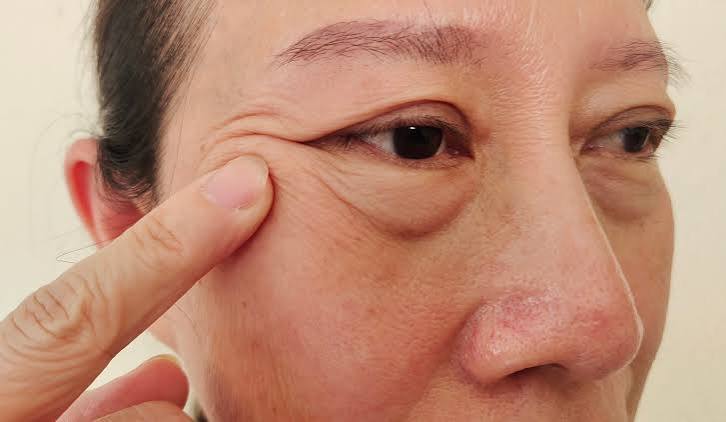
Most people blame puffy eyes on a bad night’s sleep, salt from the night before, or seasonal allergies. These are common and usually harmless explanations. But there is a specific pattern of eye puffiness that carries a different meaning entirely: bilateral swelling that appears on waking, is soft to the touch, not warm or tender, and gradually improves through the morning as the person stands and moves around. When that pattern accompanies weight gain, foamy or frothy urine, and swelling in the feet or ankles, it is one of the most recognizable early signs of kidney disease — specifically, of a condition called nephrotic syndrome in which the kidneys are leaking protein at a rate that lowers blood protein levels and allows fluid to collect in loose tissue around the eyes.
This guide explains the mechanism behind kidney-related puffy eyes, which specific kidney conditions produce it, how to tell kidney-related eye puffiness from the many more common and benign causes, and when puffiness around the eyes deserves medical evaluation rather than an extra hour of sleep.
Why the Kidneys Cause Puffy Eyes
The connection between the kidneys and the appearance of the face runs through a single protein: albumin. Albumin, produced by the liver and normally retained in the bloodstream by healthy kidneys, is the main determinant of oncotic pressure — the pulling force that keeps fluid inside blood vessels rather than leaking into surrounding tissues. When the glomeruli (the filtering units of the kidney) are damaged, albumin escapes into the urine. As blood albumin levels fall, oncotic pressure drops, and fluid moves passively from the bloodstream into the interstitial space — the spaces between cells throughout the body.
Periorbital tissue — the tissue around the eyes — is particularly susceptible because it is exceptionally loose and offers low resistance to fluid accumulation. Unlike the skin over the shins or the tissue in the hands, periorbital connective tissue fills with fluid readily when albumin-driven oncotic pressure fails to hold fluid in the vascular compartment.
The timing is also specific and diagnostically meaningful. During the day, gravity pulls fluid into the feet and ankles, where it pools as dependent edema. When a person lies down overnight, that fluid redistributes away from the lower extremities and toward the head and face. By morning, fluid that would otherwise have remained in the ankles has migrated upward, and the periorbital tissue — with its low resistance — becomes visibly swollen. As the day progresses and gravity re-establishes, fluid drains back toward the feet and the periorbital puffiness subsides. This pattern — worst on waking, improving by midday — is a key distinguishing feature of kidney-related eye puffiness compared to most other causes.
Nephrotic Syndrome: The Main Kidney Cause of Puffy Eyes
Nephrotic syndrome is the kidney condition most strongly associated with periorbital edema. It is defined by four cardinal features: proteinuria exceeding 3.5 grams per day, hypoalbuminemia (serum albumin below 3.5 g/dL), edema, and hyperlipidemia. According to the National Institute of Diabetes and Digestive and Kidney Diseases, nephrotic syndrome is one of the most common serious kidney disorders affecting both adults and children.
In children, periorbital edema is often the first and most striking feature — present in roughly 80 percent of pediatric cases — because minimal change disease, the most common cause in children, can produce very rapid and severe albumin loss. Parents frequently bring children to doctors concerned about allergic reactions or insect bites, only to discover through urine testing that massive proteinuria is driving the swelling. Frothy or foamy urine, noticed when the child uses the toilet, is often a concurrent sign that retrospectively makes sense once the diagnosis is established.
In adults, the clinical picture is similar but the underlying cause varies by age and population. The key causes of nephrotic syndrome in adults include:
- Focal segmental glomerulosclerosis (FSGS): The most common cause of nephrotic syndrome in US adults overall. Disproportionately affects Black adults. Associated with obesity, HIV, sickle cell disease, and reflux nephropathy. Often resistant to steroids, requiring second-line agents.
- Membranous nephropathy: Most common in white adults over 40. Associated with anti-PLA2R antibodies in approximately 70 percent of primary cases. Can also be secondary to malignancy (solid tumors, particularly lung and colon), hepatitis B, or lupus.
- Minimal change disease (MCD): Most common in children but occurs in adults as well, particularly those on NSAIDs or lithium, or those with Hodgkin lymphoma. Response to corticosteroids is excellent (approximately 90 percent remission in children, 75 to 80 percent in adults), but relapses are common.
- Diabetic nephropathy: The most common cause of nephrotic range proteinuria worldwide. Develops after years to decades of poorly controlled blood sugar. Periorbital edema in this context reflects advanced nephropathy and signals urgent evaluation.
- Amyloidosis: Systemic protein deposits (AL type from myeloma, or AA type from chronic inflammation) can infiltrate the glomeruli, producing massive proteinuria and edema. Suspect amyloidosis when nephrotic syndrome is accompanied by carpal tunnel syndrome, unexplained heart failure, or hepatosplenomegaly.
Alongside periorbital edema, nephrotic syndrome typically produces bilateral pitting edema of the feet and ankles, and in severe cases ascites (abdominal fluid accumulation). Frothy or foamy urine — the result of air mixing with protein-rich urine — is often the first symptom patients notice. Complications include blood clots (from antithrombin III loss in urine) and increased susceptibility to infection (from immunoglobulin loss).
Other Kidney Conditions That Can Cause Eye Puffiness
Post-streptococcal glomerulonephritis is a classic example. It occurs 1 to 3 weeks after a strep throat or skin infection and is characterized by facial edema (often periorbital), dark or cola-colored urine from blood, and hypertension. It is most common in children and young adults. In this condition, the edema is driven primarily by sodium retention rather than albumin loss — but the periorbital tissue still fills because of total fluid overload.
Lupus nephritis can produce periorbital edema as part of the nephrotic or mixed nephritic-nephrotic picture seen in lupus involving the kidney. In a woman of reproductive age with facial edema, rash, joint pain, and abnormal urine, lupus nephritis should be considered and evaluated urgently.
Advanced CKD, particularly at stages 4 and 5 or on dialysis, can produce hypoalbuminemia through a combination of reduced dietary protein intake, inflammation, and dialysis-related protein losses. Monitoring eGFR and albumin levels over time is a key part of CKD management; the guide on kidney health numbers every adult should know outlines what to track and what the targets mean.
How to Tell Kidney Puffy Eyes From Other Causes
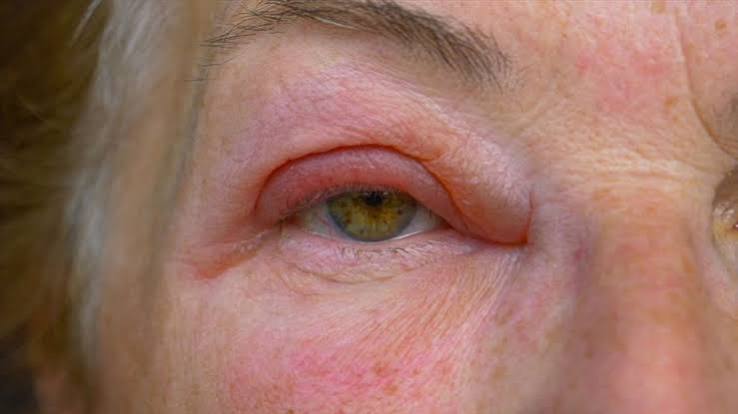
Periorbital puffiness has many causes, and kidney disease accounts for a small fraction of cases. Making the distinction requires examining the accompanying features rather than the puffiness alone.
Allergic reactions are the most common cause of bilateral eye puffiness. Allergic periorbital edema is typically itchy, may be accompanied by conjunctival redness, lacrimation, and nasal congestion, and often has an identifiable seasonal or environmental trigger. It improves with antihistamines. Kidney-related edema is never itchy.
ACE inhibitor-induced angioedema is a must-not-miss diagnosis. ACE inhibitors (lisinopril, ramipril, enalapril) can cause bradykinin-mediated angioedema — sudden, painless, non-itchy swelling of the lips, tongue, face, or throat — at any point during treatment, even after years of apparently well-tolerated use. This is not an allergic reaction but a pharmacological effect of bradykinin accumulation. Angioedema involving the throat is a life-threatening airway emergency. Any patient on an ACE inhibitor who develops rapid facial swelling should seek emergency evaluation immediately. Because ACE inhibitors are commonly used for kidney protection in CKD, distinguishing ACE inhibitor angioedema from kidney-related edema is clinically critical.
Thyroid eye disease (Graves’ orbitopathy) produces proptosis (forward bulging of the eyes), lid retraction, and often diplopia. The puffiness, when present, is firm and non-pitting. TSH is typically low with elevated T4/T3.
Hypothyroid myxedema can cause a dull, non-pitting periorbital fullness as part of diffuse skin changes from glycosaminoglycan accumulation. It is typically accompanied by fatigue, weight gain, constipation, and cold intolerance. TSH is elevated.
Contact dermatitis from cosmetics or skincare products typically affects one eye more than the other (depending on application pattern), is erythematous and pruritic, and follows the pattern of product application.
Periorbital cellulitis is warm, erythematous, tender, and usually unilateral. It is an infection and requires urgent antibiotic treatment.
The features that most reliably point toward a kidney cause are: puffiness that is bilateral, soft, non-itchy, non-tender, non-warm, maximally present on waking and improving through the morning, accompanied by foamy urine, bilateral ankle swelling, weight gain, or a history of kidney disease, diabetes, or lupus. According to the Mayo Clinic, periorbital swelling that does not resolve or recurs regularly warrants medical evaluation regardless of the presumed cause.
Red Flags That Need Prompt Evaluation
- Puffy eyes with frothy urine and ankle swelling — this triad is classic for nephrotic syndrome and requires evaluation within days to weeks.
- Puffy eyes with dark or brown urine — suggests glomerulonephritis; evaluation within days is appropriate. See the article on blood in the urine for more on what that finding can mean.
- Puffy eyes on an ACE inhibitor with lip or tongue involvement — this is a potential airway emergency; go to the ER immediately.
- Puffy eyes in someone known to have diabetes or lupus — new periorbital edema in these populations should trigger urgent urine testing for proteinuria.
- Puffy eyes in a pregnant woman with hypertension — raises the possibility of preeclampsia, which is a medical emergency.
Diagnostic Workup for Kidney-Related Eye Puffiness
When kidney disease is suspected as the cause of periorbital edema, evaluation begins with a urine dipstick. Significant proteinuria (2+ or greater on dipstick) in a patient with periorbital edema is a strongly suggestive finding. A spot urine protein-to-creatinine ratio above 3.5 mg/mg confirms nephrotic-range proteinuria. A 24-hour urine collection provides the most accurate quantification when nephrotic syndrome is confirmed or strongly suspected.
Blood tests include a basic metabolic panel (creatinine, BUN, eGFR, electrolytes), serum albumin, a lipid panel, and liver function tests. Serum albumin below 2.5 g/dL typically produces clinically apparent edema. Serological testing for specific causes includes complement levels (C3/C4), ANA and anti-dsDNA (lupus), anti-PLA2R (membranous nephropathy), ASO titer (post-strep), and TSH (hypothyroid). According to the CDC, routine urine testing is underutilized despite being the most important screening tool for kidney disease.
Kidney biopsy is typically required to establish the specific diagnosis of glomerular disease when proteinuria exceeds 1 to 2 grams per day without a clear cause. The biopsy determines whether immunosuppressive therapy is indicated and guides agent selection.
Treatment: When Kidney Puffy Eyes Improve
Treatment of kidney-related periorbital edema requires treating the underlying kidney condition. The eye puffiness itself is a marker of systemic fluid overload and hypoalbuminemia, not a local problem.
For minimal change disease, corticosteroids typically induce remission within 2 to 4 weeks. For membranous nephropathy, rituximab has emerged as a first-line treatment in many guidelines, with remission taking weeks to months. For FSGS, response to steroids is slower and less complete, and second-line agents including calcineurin inhibitors may be needed. For diabetic nephropathy, optimizing glycemic control and using ACE inhibitors or ARBs to reduce proteinuria can slow the process.
During the treatment period, symptomatic management includes sodium restriction (less than 2 grams per day), loop diuretics (furosemide or torsemide) to promote fluid excretion, and elevation of the head while sleeping to minimize overnight redistribution to the periorbital area. According to the National Kidney Foundation, sodium restriction remains the most consistently effective non-pharmacological intervention for kidney-related edema.
For patients with CKD and proteinuria, ACE inhibitors and ARBs reduce glomerular pressure and slow albumin loss, contributing over time to better albumin maintenance and less edema. Comprehensive kidney disease management is described in the overview of chronic kidney disease. The connection between puffy eyes and the more familiar swollen feet — both driven by the same hypoalbuminemia — is explored in the companion article on swollen feet and kidney problems.
Frequently Asked Questions
Can puffy eyes be the first sign of kidney disease?
Yes. In children with minimal change disease and in adults with membranous nephropathy, periorbital edema on waking is sometimes the first visible sign that brings someone to medical attention. The kidneys may have been leaking protein for weeks before albumin drops low enough to cause visible fluid accumulation. Foamy urine often predates the visible edema but is frequently dismissed or not noticed.
How do I know if my morning puffiness is kidney-related or just from sleep?
Sleep-related morning puffiness is mild, symmetric, and resolves quickly — within 20 to 30 minutes of being upright. Kidney-related periorbital edema is softer, more pronounced, takes longer to resolve (several hours), and is accompanied by other signs: foamy urine, ankle swelling, weight gain, or a history of kidney disease or diabetes. If the puffiness is persistent daily, takes hours to resolve, and is accompanied by any urinary changes, medical evaluation is appropriate.
Does drinking less water help with kidney-related puffy eyes?
No, and it may worsen kidney function. The appropriate intervention is sodium restriction, not fluid restriction. Sodium drives water retention; cutting sodium intake reduces the osmotic stimulus for fluid accumulation. Restricting fluids without reducing sodium is ineffective and, in some kidney conditions, can worsen kidney perfusion. Fluid restriction should only be implemented under medical guidance in specific circumstances such as severe oliguria.
Will puffy eyes resolve when kidney disease is treated?
Yes, in most cases. As treatment reduces proteinuria and albumin levels recover, oncotic pressure normalizes and fluid is reabsorbed from the tissues. The speed of resolution depends on the underlying condition and the speed of response to treatment. In minimal change disease, resolution can occur within weeks. In membranous nephropathy or FSGS, it may take months.
What is the connection between foamy urine and puffy eyes?
Both are caused by the same underlying process: protein leaking from the kidneys into the urine. Foamy urine is the direct result of protein in the urine creating surface tension that holds air bubbles. Puffy eyes are the downstream consequence of albumin loss lowering oncotic pressure. When both are present together, nephrotic syndrome is the probable diagnosis until proven otherwise.
Puffy Eyes and Kidney Disease in Special Populations
Children
Periorbital edema is the most common presenting symptom of nephrotic syndrome in children, and minimal change disease — the most frequent cause in the pediatric population — can produce a dramatic sudden onset of facial and periorbital swelling that alarms parents and leads to emergency department visits. Children with MCD often wake up with eyes so swollen they appear nearly shut, accompanied by abdominal swelling, weight gain, and frothy urine. The diagnosis is typically suspected on the basis of clinical presentation and confirmed with urine dipstick showing heavy proteinuria. Kidney biopsy is often deferred in children under 12 with the classic MCD presentation, as the response to steroids is so predictable that empirical treatment is justified. Within 2 to 4 weeks of starting corticosteroids, most children experience dramatic improvement in both proteinuria and edema. Relapses are common — occurring in up to 80 percent of children after an initial response — but the long-term kidney prognosis for MCD is excellent with appropriate management.
Older Adults
In adults over 60, membranous nephropathy becomes the most common cause of nephrotic syndrome, and periorbital edema in this age group deserves particular attention because the differential diagnosis broadens. Malignancy-associated membranous nephropathy — where kidney disease is the presenting sign of an occult solid tumor, most commonly lung or colon cancer — is an important consideration. New nephrotic syndrome in an older adult without a known history of diabetes or systemic disease warrants age-appropriate cancer screening alongside kidney workup. Additionally, amyloidosis — particularly AL amyloidosis from a plasma cell dyscrasia — peaks in incidence in older adults and can produce massive proteinuria and edema. The coexistence of nephrotic syndrome with unexplained cardiomyopathy, peripheral neuropathy, or carpal tunnel syndrome in an older adult raises the suspicion for systemic amyloidosis and should prompt protein electrophoresis of serum and urine.
People With Diabetes
Diabetic kidney disease is the most common cause of nephrotic-range proteinuria worldwide, and many people with longstanding type 2 diabetes develop periorbital edema as a sign of advanced diabetic nephropathy. In people with diabetes, the appearance of periorbital edema alongside frothy urine and ankle swelling should prompt immediate quantification of urine protein and kidney function. At this stage, the priority is to slow further decline — with optimized glycemic and blood pressure control, ACE inhibitor or ARB therapy, and SGLT2 inhibitor initiation where appropriate — rather than to reverse established nephropathy. The dark urine article covers additional urinary changes that can accompany advancing kidney disease in people with diabetes, and the comprehensive overview at kidney health numbers provides a framework for monitoring the key lab values at each stage of diabetic nephropathy.
Monitoring for Recurrence After Kidney Treatment
For patients who achieve remission of nephrotic syndrome — whether from minimal change disease, membranous nephropathy, or another cause — the disappearance of periorbital edema and foamy urine marks a meaningful milestone. But remission is not the same as cure. Relapses of nephrotic syndrome are common: they affect up to 80 percent of children with minimal change disease and a significant proportion of adults with membranous nephropathy and FSGS. Recognizing a relapse early is important because early intervention — reinstating treatment before serum albumin falls dramatically — limits the duration and severity of fluid overload.
At home, the most practical way to detect a relapse early is to monitor urine for protein using over-the-counter urine dipstick strips. Patients who have had nephrotic syndrome are typically instructed to test their urine with a dipstick at home during febrile illnesses (upper respiratory infections are a common relapse trigger in MCD) and anytime periorbital puffiness returns. A result of 2+ or greater on two consecutive mornings is generally enough to prompt a call to the nephrologist. Monitoring daily weight is also useful: a sudden gain of 1 to 2 kilograms over a few days, without dietary changes, often reflects early fluid retention before edema becomes visibly apparent.
The broader picture of kidney function monitoring — including eGFR trends, urine albumin-to-creatinine ratios, and blood pressure targets — is covered in the article on kidney health numbers every adult should know, which provides the key thresholds relevant to long-term kidney health surveillance after a diagnosis of nephrotic or nephritic syndrome.
Sources: NIDDK — Nephrotic Syndrome in Adults; National Kidney Foundation — Edema and Swelling; Mayo Clinic — Puffy Eyes; CDC — CKD Data; KDIGO 2021 Glomerular Disease Guidelines
Came across this while researching puffy eyes and kidney health for a family member. The section on managing this condition day-to-day was especially useful for planning. I wish I had found this article earlier — would have saved a lot of confusion.
I have been reading about puffy eyes and kidney health for weeks and this is the most thorough guide I found. The article answered questions I didn’t even know I had until I started reading. Appreciate the effort that went into researching and writing this — it shows.
This breakdown of puffy eyes and kidney health is exactly what patients need before a specialist appointment. I appreciate that the article is careful about distinguishing between what is known and what is still being researched. Looking forward to reading more articles from this website.