
Persistent itching without a visible rash — a symptom known medically as pruritus — is one of the most disabling and poorly understood manifestations of liver and biliary disease. Unlike the pruritus caused by dry skin, allergic reactions, or dermatological conditions, cholestatic pruritus is systemic in origin, driven by chemical mediators that accumulate in the blood when bile flow is impaired, and it does not respond to antihistamines, moisturizers, or topical treatments. It typically affects the palms and soles preferentially, is worse at night and in warm environments, and in severe cases can produce excoriations (scratch marks), sleep deprivation, and a profound deterioration in quality of life that patients and clinicians alike may underestimate because the symptom has no visible external cause. Understanding why liver disease causes itching — and what can be done about it — requires understanding the biology of cholestasis and the specific conditions that impair bile excretion.
The connection between liver disease and itching has been recognized since antiquity, but its precise mechanism remained controversial until recently. Earlier hypotheses centered on the accumulation of bile salts in the skin — a plausible but ultimately insufficient explanation, since bile salt concentrations do not correlate reliably with itch severity, and treatments that reduce bile salt levels do not uniformly relieve pruritus. Current evidence points toward lysophosphatidic acid (LPA) and endogenous opioids as the primary mediators of cholestatic pruritus, with LPA activating peripheral itch-transmitting neurons and excess endogenous opioids altering central itch processing. This mechanistic understanding has direct therapeutic implications — treatments targeting these pathways have been developed and tested, and several have demonstrated meaningful benefit in clinical trials.
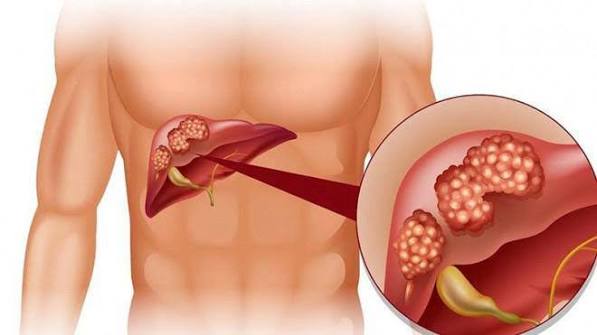
Which Liver Conditions Cause Itching and Why
Cholestatic pruritus occurs in liver and biliary conditions that impair bile flow — whether at the level of intrahepatic bile secretion (intrahepatic cholestasis) or extrahepatic bile drainage (extrahepatic obstruction). Primary biliary cholangitis (PBC) is the paradigmatic cause of cholestatic pruritus — itching is the presenting symptom in approximately fifty percent of PBC patients and the most debilitating symptom for those who have it. The itching in PBC often begins years before the diagnosis is made, in the absence of visible jaundice or other liver-related symptoms, and is frequently misattributed to dermatological conditions before liver disease is identified. Primary sclerosing cholangitis (PSC), intrahepatic cholestasis of pregnancy (ICP), drug-induced cholestasis, and biliary obstruction from gallstones or malignancy all cause cholestatic pruritus through the same fundamental mechanism: bile flow impairment and accumulation of bile-derived pruritogens.
Viral hepatitis, alcoholic hepatitis, and non-alcoholic fatty liver disease (NAFLD/MASLD) also cause pruritus, but through a different mechanism — cholestasis from hepatocellular injury rather than structural bile duct disease. In acute viral hepatitis with cholestatic features, itching can be intense and distressing, accompanying the jaundice, dark urine, and pale stools of significant cholestasis; it typically resolves as the hepatitis resolves. In chronic liver disease and cirrhosis, pruritus may reflect the combined effects of cholestasis, elevated bile acids, and altered central opioidergic tone. The itching of cirrhosis-related cholestasis tends to be less severe than that of PBC but shares the same nocturnal predominance and palm-and-sole distribution.
The Biology of Cholestatic Pruritus — LPA, Bile Acids, and Endogenous Opioids
Lysophosphatidic acid (LPA) is generated from lysophosphatidylcholine by the enzyme autotaxin, which is upregulated in cholestatic conditions and produces elevated LPA concentrations in the blood. LPA activates TRPV1 and other ion channels on peripheral sensory neurons that transmit itch signals to the spinal cord and brain. Serum autotaxin activity correlates more reliably with pruritus severity in PBC patients than bile acid concentrations do, supporting LPA as a primary mediator. This has clinical implications: bezafibrate — a fibrate drug primarily used for lipid-lowering — has demonstrated antipruritic effects in PBC that appear to be mediated at least partly through autotaxin inhibition, and the specific autotaxin inhibitor GLPG1690 has been investigated in clinical trials for PBC-related pruritus.
Elevated bile acid concentrations activate a subset of sensory neurons expressing the bile acid receptor TGR5, which are distinct from but interact with the LPA-activated pathways. Bile acid sequestrants like cholestyramine reduce circulating bile acids and provide symptomatic relief in some patients, particularly those with mild to moderate cholestatic pruritus, by binding bile acids in the gut and interrupting the enterohepatic circulation. The effectiveness of bile acid sequestrants is limited in severe cholestasis because the bile acid load exceeds what sequestrants can capture, and they are ineffective in patients with complete biliary obstruction (where bile acids do not reach the gut at all). Endogenous opioid accumulation in cholestasis — demonstrated by the nausea and other opioid withdrawal-like symptoms that cholestatic patients sometimes experience when given opioid antagonists — contributes to central sensitization and altered itch perception, explaining why opioid antagonists (naltrexone, nalmefene) provide meaningful antipruritic benefit in some patients.
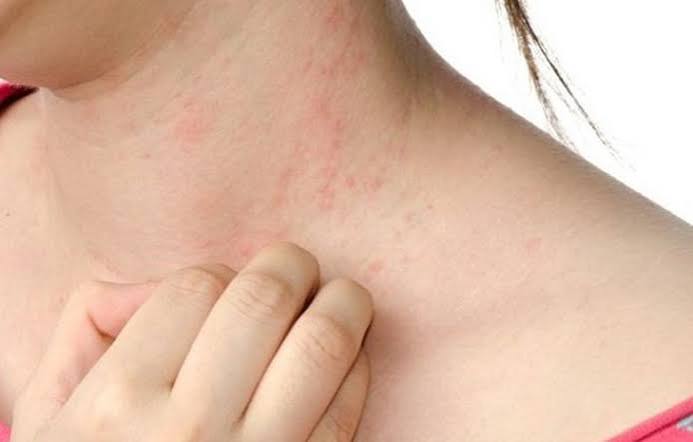
Treatment of Cholestatic Pruritus — A Stepwise Approach
The treatment of cholestatic pruritus is guided by the European Association for the Study of the Liver (EASL) and American Association for the Study of Liver Diseases (AASLD), both of which recommend a stepwise approach starting with the safest and most tolerable agents. Cholestyramine (4 grams two to four times daily, taken separately from other medications to avoid interference with drug absorption) is the recommended first-line treatment and provides meaningful relief in approximately thirty to fifty percent of patients. Its main limitations are palatability — the powder is gritty and unpleasant — and frequent gastrointestinal side effects including constipation and bloating. Colesevelam is a better-tolerated bile acid sequestrant that some patients prefer, although evidence for its antipruritic efficacy is less extensive than for cholestyramine.
Rifampicin — an antibiotic with antipruritic properties that appear to be mediated through induction of hepatic enzymes that metabolize pruritogens — is the second-line agent for cholestatic pruritus that does not respond adequately to bile acid sequestrants. At doses of 150 to 300 milligrams daily, rifampicin produces relief in sixty to seventy percent of patients who have failed or cannot tolerate cholestyramine. The main concern with rifampicin is hepatotoxicity — it can cause liver injury in a small proportion of patients, requiring baseline liver test measurement and monitoring at regular intervals during treatment. It should be used with caution in patients with advanced liver disease and avoided in those with significant hepatic impairment. Opioid antagonists (naltrexone 50 mg daily or nalmefene) are third-line options for refractory pruritus; they are effective in many patients but require a careful, slow titration schedule to minimize opioid withdrawal-like reactions at initiation.
Sertraline — a selective serotonin reuptake inhibitor — and bezafibrate have both demonstrated antipruritic effects in PBC patients in clinical trials and are sometimes used off-label, particularly when the standard stepwise therapies are not tolerated. For the most severe and refractory cholestatic pruritus — particularly in patients awaiting liver transplantation — molecular adsorbent recirculating system (MARS) liver support, which removes albumin-bound substances from the blood including pruritogens, can provide temporary but significant relief. Liver transplantation itself is curative for cholestatic pruritus, and in some patients with intractable pruritus from PBC who have preserved liver function, the severity of pruritus alone — independent of cirrhosis staging — may influence the timing of transplant listing. Associated liver symptoms including profound fatigue and jaundice often accompany severe cholestatic pruritus and should be addressed as part of a comprehensive management plan.
Distinguishing Liver-Related Itch from Skin Conditions
Not every itch is cholestatic pruritus. The clinical features that suggest a systemic liver cause rather than a primary skin condition include: absence of a visible primary rash (erythema, papules, vesicles, or plaques); predominance on the palms, soles, and lower legs; nocturnal worsening; failure to respond to antihistamines or topical emollients; and the presence of secondary scratch marks without primary skin lesions. Eczema, psoriasis, contact dermatitis, scabies, and urticaria all produce primary skin lesions that can be identified on careful examination. A patient who describes intense itching, particularly on the palms and soles, without any visible rash and without a dermatological diagnosis, should have liver function tests checked — particularly alkaline phosphatase, GGT, and bilirubin — as the first-line investigation, even in the absence of other liver symptoms.
The temporal relationship between the itch and other liver-related symptoms provides additional diagnostic context. Pruritus that precedes visible jaundice by months or years, as often occurs in PBC, indicates early cholestasis before bilirubin accumulation reaches the threshold for visible skin yellowing. Pruritus that develops simultaneously with jaundice and pale stools in the context of right upper quadrant pain suggests gallstone-related biliary obstruction. Pruritus during the second or third trimester of pregnancy that worsens progressively requires prompt liver function testing to exclude intrahepatic cholestasis of pregnancy — a diagnosis with serious fetal implications that should not be attributed to normal pregnancy-related skin changes without testing. Any pruritus in the context of known liver disease that changes in character, distribution, or severity warrants re-evaluation of disease activity and bile duct integrity.
Frequently Asked Questions About Itchy Skin and Liver Problems
Why does liver disease cause itching without a visible rash?
Cholestatic pruritus is a systemic symptom driven by chemicals circulating in the blood — primarily lysophosphatidic acid (LPA) and endogenous opioids — that activate itch-sensing nerves directly. Because the trigger is circulating rather than topical, there is no skin surface reaction: no redness, no blistering, no hives. The nerves fire, the brain registers itch, and the patient scratches — but there is nothing on the skin surface to see except the scratch marks the patient creates. This is why antihistamines, which block the skin-surface histamine receptor involved in allergic pruritus, have little effect on cholestatic pruritus — the mechanism is entirely different.
Does the severity of liver disease predict how bad the itching will be?
Not reliably. Cholestatic pruritus in PBC can be most severe in earlier stages, when biliary inflammation is most active, and may paradoxically diminish as cirrhosis develops and fewer bile ducts remain to generate pruritogens. In contrast, jaundice severity correlates better with the stage of liver disease. The disconnect between pruritus severity and objective markers of liver disease is one reason pruritus is sometimes underappreciated clinically — a patient with a modestly elevated bilirubin can experience itch severe enough to prevent sleep and profoundly impair daily functioning.
Can cholestatic pruritus resolve without treating the underlying liver disease?
Symptomatic treatments can substantially reduce pruritus severity — sometimes to a degree that allows normal sleep and daily activity — without curing the underlying liver disease. Rifampicin, for example, can produce near-complete resolution of pruritus in responsive patients even as the liver disease continues to progress. However, addressing the underlying cause where possible — clearing a bile duct obstruction, treating viral hepatitis, optimizing UDCA therapy in PBC — is always preferable because it both treats the liver condition and reduces the cholestatic stimulus driving the pruritus. Symptomatic antipruritic therapy is therefore complementary to disease-directed treatment, not a substitute for it.
Sources: NIDDK — Primary Biliary Cholangitis · ACG — PBC · Mayo Clinic — Itching
Intrahepatic Cholestasis of Pregnancy — Itching That Threatens the Fetus
Intrahepatic cholestasis of pregnancy (ICP) is a condition that develops in the second or third trimester in which impaired bile secretion causes elevation of serum bile acids and produces pruritus — sometimes of extreme severity — without a primary skin rash. It affects approximately one to two percent of pregnancies in most populations, with higher rates in women of South American, Scandinavian, or South Asian ancestry and in women carrying twins. The itch of ICP is classically most severe on the palms of the hands and soles of the feet, is pronounced at night, and may become so intense that it disrupts sleep entirely. Because the skin remains clear — no rash, no blistering, no visible changes — many women and their care providers initially attribute the itching to normal pregnancy-related skin stretching and irritation, delaying the testing that would identify elevated bile acids.
The principal clinical importance of ICP is not the pruritus itself — which resolves promptly after delivery — but the risk to the fetus. Serum bile acid concentrations above forty micromoles per liter are associated with significantly elevated rates of preterm birth, meconium-stained amniotic fluid, and stillbirth. The mechanism of fetal harm is not fully established but is thought to involve bile acid-induced cardiac arrhythmia in the fetus and placental dysfunction impairing oxygen and nutrient transfer. Ursodeoxycholic acid is the standard first-line treatment for ICP and reduces maternal pruritus and lowers serum bile acids in most patients; its effect on fetal outcomes remains the subject of ongoing research. Women with severe ICP (bile acids above forty micromoles per liter) are typically managed with intensified fetal surveillance and consideration of early delivery — usually at thirty-seven to thirty-eight weeks or earlier — to reduce the risk of stillbirth in the final weeks of pregnancy. ICP recurs in approximately forty-five to ninety percent of subsequent pregnancies and may also occur with hormonal contraception containing estrogen in women who have previously had ICP.
Skin Changes Beyond Pruritus in Chronic Liver Disease
Beyond pruritus, chronic liver disease produces a range of cutaneous changes that reflect altered metabolism, hormonal effects, nutritional deficiency, and vascular changes associated with portal hypertension and impaired hepatic function. Spider angiomata — small, spider-like vascular lesions with a central arteriole and radiating vessels — are among the most recognizable cutaneous signs of chronic liver disease; they result from elevated estrogen levels from reduced hepatic estrogen metabolism and develop primarily on the upper chest, shoulders, face, and arms. A few spider angiomata can be normal in healthy people, particularly during pregnancy, but multiple spider angiomata in a non-pregnant adult — especially when combined with other liver signs — are a reliable indicator of underlying chronic liver disease or cirrhosis.
Palmar erythema — a reddening of the thenar and hypothenar eminences of the palms — is another consequence of elevated circulating estrogen in chronic liver disease and often accompanies spider angiomata. Leukonychia (white nails) and Terry’s nails (predominantly white nails with a distal pink or brown band) are nail changes associated with liver disease, thought to reflect altered albumin levels and vascular changes. Caput medusae — a pattern of engorged veins radiating from the umbilicus — is a visible sign of portal hypertension reflecting collateral venous drainage through recanalized periumbilical veins. Xanthelasmas — yellowish, flat plaques of cholesterol deposits on or around the eyelids — are classically associated with PBC and other cholestatic conditions in which prolonged cholestasis leads to abnormal lipid metabolism and xanthoma formation. These cutaneous signs collectively constitute a physical examination signature of chronic liver disease that, when present in combination, is highly specific for hepatic pathology even in the absence of obvious jaundice or ascites.
Porphyria cutanea tarda (PCT) — a disorder of heme synthesis caused by deficiency of uroporphyrinogen decarboxylase — is particularly associated with liver disease, including hepatitis C, alcoholic liver disease, and hemochromatosis. PCT produces photosensitive skin fragility, blistering on sun-exposed areas, hyperpigmentation, and hypertrichosis (excessive facial hair). The association with liver disease is bidirectional: liver disease predisposes to PCT by creating oxidative stress that inhibits the enzyme, and PCT itself causes liver injury from accumulating porphyrins. Treatment with phlebotomy to reduce iron stores and, where appropriate, hydroxychloroquine to increase porphyrin excretion is effective in most cases, particularly when the underlying liver disease is also addressed. Any patient with unexplained photosensitive blistering should have liver function tests checked and, if abnormal, undergo evaluation for hepatitis C, alcohol-related liver disease, and iron overload as potential precipitants of PCT.
When to Seek Evaluation for Liver-Related Skin Changes
Several skin presentations should prompt evaluation for underlying liver disease, even in patients without known hepatic conditions. Persistent unexplained pruritus — particularly affecting the palms and soles, worse at night, not responding to antihistamines — warrants liver function tests including alkaline phosphatase, GGT, and bilirubin as first-line investigations. Pruritus developing in the second or third trimester of pregnancy requires urgent serum bile acid measurement to exclude ICP, and should not be attributed to normal pregnancy changes without laboratory confirmation. Multiple spider angiomata appearing in a non-pregnant adult, particularly in the upper body, warrant investigation for chronic liver disease. Unexplained skin fragility and blistering on sun-exposed areas in an adult should prompt evaluation for porphyria cutanea tarda, including urine and plasma porphyrins and liver function tests. Xanthelasmas or xanthomas developing in an adult without a clear hyperlipidemia history should include evaluation for cholestatic liver disease, particularly PBC, as part of the workup.
The association between skin symptoms and liver disease is often overlooked because patients and practitioners alike tend to approach skin symptoms through a dermatological lens — looking for skin diseases — rather than a systemic lens. Many cases of PBC are first identified by a dermatologist or allergist who encounters a patient with unexplained pruritus and chooses to check liver tests as part of a broader evaluation. Similarly, ICP is sometimes diagnosed in a dermatology consultation for pregnancy-associated itch rather than in obstetric care. Broadening the differential diagnosis of unexplained itching to include cholestatic liver conditions — particularly in middle-aged women (the peak demographic for PBC), in pregnant women, or in adults with risk factors for chronic liver disease including unexplained fatigue and any degree of scleral icterus — is one of the most impactful steps a practitioner can take in reducing diagnostic delay for these conditions.
For patients already living with a cholestatic liver condition such as PBC, managing pruritus requires a long-term strategy that combines disease-directed therapy with symptom-specific treatment and practical lifestyle measures. Keeping the skin moisturized reduces dryness-related itch that compounds the cholestatic component; cool or lukewarm showers are better tolerated than hot showers, which worsen pruritus by dilating cutaneous vessels and increasing pruritogen delivery to skin-surface neurons. Light, loose-fitting cotton clothing reduces friction-related itch exacerbation. Cutting fingernails short and wearing cotton gloves at night minimizes skin damage from nocturnal scratching. Some patients find that cool ambient temperatures provide meaningful temporary relief. The severity of pruritus should be documented and communicated at each clinical visit using a numerical rating scale or validated instrument such as the 5-D Itch Scale, which covers duration, degree, direction, disability, and distribution — serial measurement allows objective tracking of treatment response and supports the case for treatment escalation when standard measures are insufficient. Pruritus that significantly impairs sleep, disrupts daily activities, or causes psychological distress meets the threshold for referral to a hepatologist with expertise in cholestatic liver disease, where access to second- and third-line treatments including rifampicin, opioid antagonists, and MARS liver support is available.