
Hiccups are involuntary, reflex contractions of the diaphragm and intercostal muscles followed by sudden closure of the vocal cords — the characteristic “hic” sound is produced by the abrupt cessation of air entry when the glottis snaps shut approximately thirty-five milliseconds after the diaphragmatic spasm begins. Transient hiccups lasting a few minutes are a universal human experience, typically triggered by gastric distension from eating too quickly, swallowing air, consuming carbonated beverages, or sudden temperature changes in the esophagus, and they resolve spontaneously without medical significance. Persistent hiccups — defined as episodes lasting more than forty-eight hours — and intractable hiccups — lasting more than one month — are an entirely different clinical entity and represent a symptom that demands systematic medical investigation, as they may be the presenting manifestation of serious pathology affecting the gastrointestinal tract, central nervous system, metabolic status, or thoracic and mediastinal structures.
The hiccup reflex arc involves the vagus nerve, the phrenic nerve (which innervates the diaphragm), and a poorly defined “hiccup center” in the brainstem — specifically the region between C3 and C5 of the cervical spinal cord and the medullary reticular formation. Because the vagus nerve supplies a vast territory including the pharynx, larynx, trachea, bronchi, heart, esophagus, stomach, small intestine, and proximal colon, any irritant or inflammatory stimulus along this extensive pathway can trigger or sustain the hiccup reflex. This anatomy explains why persistent hiccups have such a broad differential diagnosis spanning gastroenterology, neurology, cardiology, and oncology, and why their investigation requires a systematic organ-by-organ approach guided by clinical context.
Gastrointestinal Causes of Persistent Hiccups
Gastroesophageal reflux disease is the most commonly identified gastrointestinal cause of persistent hiccups. Acid reflux irritates the lower esophageal mucosa and stimulates the vagal afferents running along the esophageal wall, initiating the hiccup reflex. In many patients with reflux-induced persistent hiccups, heartburn may be absent or mild — so-called “silent reflux” — making the connection between reflux and hiccups non-obvious clinically. A trial of proton pump inhibitor therapy (omeprazole 40 mg daily or equivalent for four to eight weeks) is an appropriate and low-risk first step in the investigation of persistent hiccups with no other obvious cause; resolution of hiccups on PPI strongly supports a reflux etiology. Esophageal manometry and pH monitoring can confirm abnormal acid exposure and assess esophageal motility when empirical PPI treatment is ineffective or the diagnosis is uncertain. Esophagitis — erosive or eosinophilic — independently irritates vagal afferents and may cause persistent hiccups even in the absence of classic heartburn, making upper endoscopy an important investigation when PPI therapy fails to resolve the symptom.
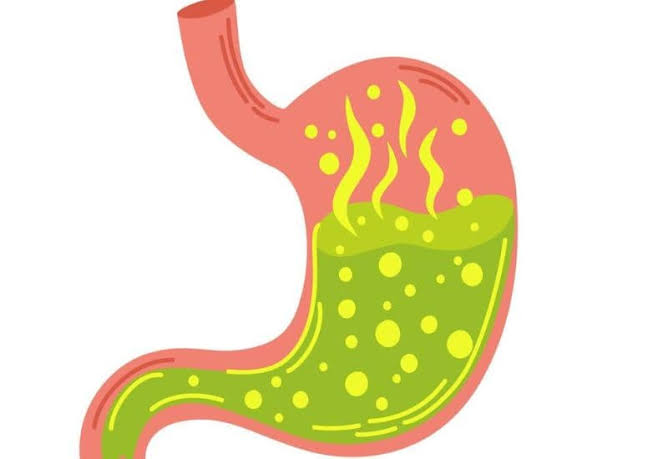
Gastric causes of persistent hiccups include acute and chronic gastric distension, gastroparesis, gastric ulceration, and gastric cancer. The stomach rests immediately below the diaphragm, and distension from large meals, aerophagia (air swallowing), or delayed gastric emptying (gastroparesis) stretches the gastric fundus against the diaphragm, activating mechanoreceptors and vagal afferents. Gastroparesis — delayed gastric emptying most commonly from diabetes mellitus, post-surgical vagal injury, or idiopathic causes — produces persistent nausea, early satiety, bloating, and regurgitation, and hiccups are a recognized associated symptom in patients with significant gastric distension from retained food. Gastric cancer involving the fundus or cardia can directly compress or infiltrate the diaphragm and vagal nerve plexus, making persistent hiccups a presenting symptom that prompts upper endoscopy and the detection of gastric malignancy. In patients over fifty with new-onset persistent hiccups and any upper abdominal discomfort, weight loss, or iron deficiency anemia, upper gastrointestinal endoscopy is an essential early investigation to exclude gastric pathology.
Non-Gastrointestinal Causes — Central, Metabolic, and Thoracic
Central nervous system causes of persistent hiccups include brainstem lesions (stroke, multiple sclerosis plaques, encephalitis, tumors), posterior fossa tumors, and meningitis — all of which can directly disrupt or irritate the hiccup center in the medullary reticular formation. A new onset of persistent hiccups in a patient with any neurological symptoms — headache, vertigo, nausea, diplopia, ataxia, facial numbness — mandates urgent MRI of the brain and posterior fossa to exclude a structural lesion. Metabolic causes include uremia (hiccups are a classical symptom of renal failure, from uremic metabolite irritation of the vagus and central hiccup center), hyponatremia, hypocalcemia, and diabetic ketoacidosis — all producing hiccups through metabolic irritation of the neural pathways. In patients with advanced chronic kidney disease or those on hemodialysis, persistent hiccups are particularly common and distressing, and may respond to correction of the underlying metabolic disturbance or to pharmacological treatment with chlorpromazine or gabapentin.
Thoracic and mediastinal causes are important to consider in any patient with persistent hiccups and chest, shoulder, or back pain. Pericarditis or myocarditis — inflammation around or within the heart — can activate vagal afferents in the pericardium. Pneumonia or pleuritis in the left lower lobe brings inflammation adjacent to the diaphragm and the phrenic nerve, triggering the hiccup reflex. Esophageal cancer, mediastinal lymphoma, and thoracic aortic aneurysm can all compress the vagus or phrenic nerves extrinsically. Subphrenic abscess — a collection of pus beneath the diaphragm from perforated peptic ulcer, bowel perforation, or post-surgical infection — directly irritates the diaphragm and is a classic but now less common cause of persistent hiccups in the antibiotic era; it is a surgical emergency when diagnosed and should not be missed in a patient with fever, persistent hiccups, and upper abdominal tenderness. Hepatic causes — including hepatic abscess, hepatocellular carcinoma involving the right hemidiaphragm, and liver metastases — should also be considered in the appropriate clinical context.
Pharmacological Treatment of Persistent and Intractable Hiccups
When a reversible underlying cause has been identified and treated, hiccups typically resolve. When the underlying cause is not amenable to treatment, or when hiccups persist despite addressing the primary diagnosis, pharmacological suppression is required. Chlorpromazine — a first-generation antipsychotic — is the only drug with regulatory approval (in the United States) for the treatment of intractable hiccups; it acts through dopamine receptor blockade in the central hiccup center and is effective in approximately eighty percent of patients. Its use is limited by sedation, orthostatic hypotension, and extrapyramidal side effects, particularly in the elderly. Metoclopramide — a dopamine antagonist with additional prokinetic activity — is frequently used as a first-line agent when gastrointestinal causes (gastroparesis, gastric distension) are suspected, providing both central hiccup suppression and improved gastric emptying. Haloperidol, another dopamine antagonist, is commonly used off-label for persistent hiccups in palliative care settings.
Gabapentin and pregabalin — anticonvulsant medications that reduce neuronal excitability by binding voltage-gated calcium channels — have become widely used for persistent and intractable hiccups in recent years, supported by case series and small randomized trials showing efficacy and a favorable tolerability profile compared to chlorpromazine. Gabapentin 300 mg three times daily, titrated as needed, is a common regimen. Baclofen — a GABA-B receptor agonist that suppresses the hiccup reflex arc at the spinal cord level — is effective in some patients with intractable hiccups, particularly those with central nervous system or metabolic causes, and is often used in combination with gabapentin. For refractory intractable hiccups in palliative care patients, midazolam infusion, ketamine, or phrenic nerve block (temporary or permanent) may be considered when all other measures have failed, with the goal of symptom control and quality of life rather than curative treatment. The approach to pharmacological treatment should always be guided by the clinical context — the cause of the hiccups, the patient’s overall clinical status, and the treatment goals — with regular reassessment to determine whether the underlying pathology has changed and whether continued treatment is appropriate.
Frequently Asked Questions About Persistent Hiccups
Can hiccups be a sign of cancer?
Yes, persistent or intractable hiccups can be a presenting symptom of malignancy. Gastric cancer (through fundal distension and vagal irritation), esophageal cancer (through vagal nerve involvement), hepatocellular carcinoma or liver metastases (through diaphragmatic irritation), mediastinal lymphoma (through phrenic or vagal nerve compression), and brain tumors in the posterior fossa (through direct brainstem involvement) can all present with persistent hiccups. This is one reason why persistent hiccups lasting more than forty-eight hours in an adult — particularly in the context of weight loss, pain, or other systemic symptoms — require systematic medical evaluation, including blood tests, imaging, and in some cases endoscopy, rather than simple reassurance. The absence of a malignant cause is reassuring but should be confirmed by investigation, not assumed on clinical grounds.
Are home remedies for hiccups effective for persistent hiccups?
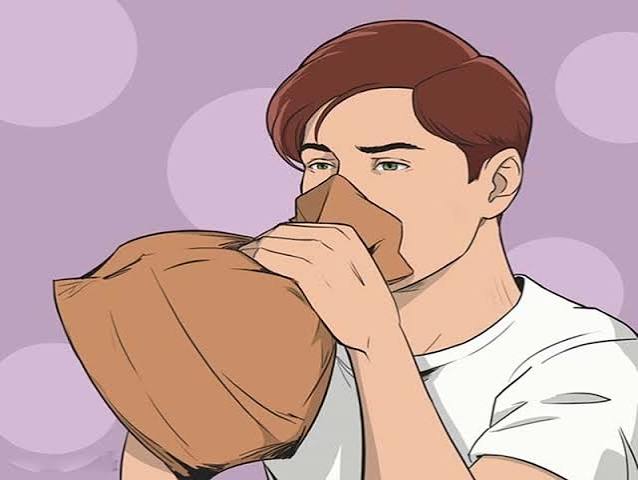
Home remedies — breath-holding, swallowing sugar, drinking from the far side of a glass, paper bag rebreathing, Valsalva maneuver — work primarily by increasing carbon dioxide levels in the blood or stimulating the vagus nerve, both of which can transiently suppress the hiccup reflex. They are effective for short, transient hiccups and are entirely appropriate to try in that setting. For persistent hiccups (lasting more than forty-eight hours), however, these maneuvers are rarely effective beyond momentary suppression because the underlying pathological stimulus maintaining the reflex arc is not addressed. At that point, the investigation and treatment of the underlying cause — and, when necessary, pharmacological suppression — is the appropriate management pathway. Linking persistent hiccups to other upper GI alarm symptoms is an important part of recognizing when a systematic digestive health review is needed. If home remedies are still failing after twenty-four to forty-eight hours, a medical consultation is the correct next step.
Sources: NIH — Intractable Hiccups: Etiology and Treatment · Mayo Clinic — Hiccups · AAFP — Evaluation and Treatment of Hiccups
Hiccups in Liver Disease and Cirrhosis
Liver disease — particularly advanced cirrhosis with ascites — is an important and often under-recognized cause of persistent hiccups. In patients with large-volume ascites, the accumulation of fluid in the peritoneal cavity elevates the diaphragm and causes sustained diaphragmatic irritation that triggers persistent hiccups. The connection is direct: as ascites accumulates, the right hemidiaphragm is compressed upward and the vagal afferents running along its peritoneal surface are continuously stimulated. Large-volume paracentesis — removal of three to five or more liters of ascitic fluid — frequently relieves persistent hiccups in cirrhotic patients, providing both diagnostic confirmation of the mechanism and effective, if temporary, treatment. Diuretic therapy with spironolactone and furosemide for long-term ascites control reduces the frequency of hiccup recurrence between paracentesis sessions. Spontaneous bacterial peritonitis (SBP) — infection of ascitic fluid — is another cause of sudden-onset or worsening persistent hiccups in cirrhotic patients, and should be excluded by diagnostic paracentesis (ascitic fluid analysis for white cell count, culture, and albumin) whenever a cirrhotic patient with ascites develops new hiccups, fever, abdominal pain, or deteriorating renal function or encephalopathy.
Hepatic encephalopathy — the neuropsychiatric dysfunction caused by accumulation of ammonia and other gut-derived toxins in the brain of patients with advanced liver disease — can independently cause persistent hiccups through central nervous system disruption of the hiccup center. Hiccups in a cirrhotic patient with altered mental status or confusion should prompt measurement of blood ammonia, assessment of hepatic encephalopathy grade, and initiation or optimization of lactulose and rifaximin therapy. Hiccups from liver disease with ascites are also associated with hepatic hydrothorax — transudation of ascitic fluid through diaphragmatic defects into the pleural space — which adds pleural irritation to diaphragmatic compression as a driver of the hiccup reflex. Hepatocellular carcinoma invading the right hemidiaphragm is another important cause of persistent hiccups specifically in patients with known cirrhosis, and should be considered when hiccups develop in a cirrhotic patient who has not previously had this symptom, particularly alongside right upper quadrant pain, weight loss, or a rising AFP level.
Drug-Induced Hiccups and Iatrogenic Causes
A number of commonly used medications are recognized causes of persistent hiccups — a point frequently overlooked when new onset persistent hiccups develop in a hospitalized or recently medicated patient. Corticosteroids (prednisolone, dexamethasone, methylprednisolone) — widely used for inflammatory conditions, immunosuppression, and antiemetic premedication in chemotherapy — are among the most common drug causes of persistent hiccups; the mechanism is incompletely understood but may involve corticosteroid-induced changes in central neurotransmitter systems and diaphragmatic muscle excitability. Dexamethasone given as an antiemetic premedication before chemotherapy is a particularly well-recognized trigger, with persistent hiccups occurring in up to thirty percent of patients receiving high-dose dexamethasone in some series. Reducing the dexamethasone dose or substituting an alternative antiemetic (ondansetron, metoclopramide, aprepitant) may resolve steroid-induced hiccups while maintaining antiemetic efficacy. Benzodiazepines, barbiturates, and alcohol are also associated with hiccups both through their CNS effects and through rebound central excitability on withdrawal.
Chemotherapy agents — particularly cisplatin and carboplatin — are associated with persistent hiccups through their emetogenic and direct neurotoxic effects; hiccups in the setting of chemotherapy are particularly distressing because they compound existing nausea and may interfere with sleep, nutrition, and quality of life. Gastric acid-related medications may paradoxically cause hiccups during PPI initiation through changes in gastric motility and reflux patterns. General anesthesia and surgical procedures — particularly upper abdominal and thoracic operations — are associated with postoperative persistent hiccups through vagal and phrenic nerve irritation during surgical manipulation; most resolve within days, but those persisting beyond forty-eight hours after surgery should prompt assessment for surgical complications including subphrenic collection, aspiration pneumonia, and anastomotic problems. Intubation and nasogastric tube placement can directly irritate the hypopharynx, epiglottis, and upper esophageal mucosa, triggering hiccups that resolve when the tube is repositioned or removed. A careful medication review — checking for recently started corticosteroids, benzodiazepines, opioids, or chemotherapy agents — should be part of the systematic assessment of any patient with new-onset persistent hiccups, and is the most immediately actionable diagnostic step when the temporal relationship between drug initiation and hiccup onset is clear.
Impact on Quality of Life and Sleep
The quality-of-life impact of persistent and intractable hiccups is frequently underestimated by clinicians who may view hiccups as trivial. In reality, hiccups that persist for days, weeks, or months produce significant physical and psychological morbidity. Each hiccup episode involves forceful diaphragmatic contraction and glottic closure; when occurring hundreds or thousands of times per day — as in intractable hiccups — the cumulative muscular effort causes chest wall pain, respiratory discomfort, and physical exhaustion. Eating and drinking are severely impaired: hiccups interrupt swallowing, trigger regurgitation of recently ingested food, and produce early satiety from gastric air swallowing associated with each episode, leading to weight loss and malnutrition in prolonged cases. Sleep disruption is severe — many patients with intractable hiccups cannot sleep for more than one to two hours without being woken by hiccup episodes, compounding fatigue, cognitive impairment, and psychological distress. Speech and communication are interrupted and socially disabling. In patients with intractable hiccups from terminal illness or non-reversible neurological disease, the psychological burden of uncontrolled hiccups — including despair, social isolation, and demoralization — may be as significant as the physical discomfort.
Recognition of this impact is important for several reasons. First, it justifies aggressive investigation and treatment rather than reassurance and watchful waiting — a patient with intractable hiccups that have disrupted sleep and nutrition for two weeks deserves prompt specialist evaluation and pharmacological treatment, not repeated reassurance that the hiccups will resolve. Second, it supports a multidisciplinary approach: speech-language pathology assessment for patients with hiccup-associated dysphagia and aspiration risk, dietitian review for those with significant weight loss, and psychological or psychiatric support for patients with severe distress. Third, it ensures that treatment goals are framed appropriately — for patients with terminal illness and intractable hiccups, palliative symptom control through pharmacological suppression (chlorpromazine, midazolam, or ketamine by continuous subcutaneous infusion) is a legitimate and important goal in its own right, independent of the underlying prognosis. Connecting persistent hiccups to their digestive health context — particularly recognizing that the warning signs of liver disease and systemic digestive conditions often appear together — helps both patients and clinicians take the symptom seriously and pursue timely investigation.
Diagnostic Approach — How Persistent Hiccups Are Investigated
The systematic investigation of persistent hiccups proceeds from the clinical history and examination to targeted investigations. The history should establish the duration of hiccups, their temporal relationship to meals, medications, posture (worse lying down suggests GERD), and any associated symptoms (heartburn, dysphagia, weight loss, neurological symptoms, abdominal pain). An accurate medication review is essential — corticosteroids, opioids, and chemotherapy agents are common drug triggers identified only when specifically asked about. Alcohol history is important; both chronic alcohol excess and acute alcohol intake precipitate hiccups through gastric mucosal irritation and central nervous system effects. Blood tests — full blood count, metabolic panel (renal function, electrolytes, calcium, glucose), liver function tests, and serum ammonia in patients with known liver disease — screen for metabolic causes. Chest X-ray and CT chest-abdomen-pelvis are recommended when no gastrointestinal or metabolic cause is identified, to evaluate for mediastinal masses, subphrenic collections, pulmonary pathology, and hepatic lesions. Upper gastrointestinal endoscopy is indicated when GERD, gastric pathology, or esophageal disease is suspected. Brain MRI with posterior fossa sequences is essential when any neurological symptom accompanies the hiccups.
A structured diagnostic approach avoids the common error of attributing persistent hiccups to benign or functional causes without adequate investigation. In clinical practice, a significant proportion of patients referred to gastroenterology clinics with persistent hiccups are found to have GERD or esophageal disease as the primary cause, and most improve substantially with appropriate antireflux therapy and endoscopic management of associated esophagitis or stricture. However, the minority who have malignant, neurological, or metabolic causes — and who might have been dismissed as having “functional” hiccups — are the reason why systematic investigation is warranted for any adult with hiccups persisting beyond forty-eight hours. The practical approach is to begin with a medication review and PPI trial simultaneously, while obtaining initial blood tests and chest imaging, and to proceed to endoscopy and cross-sectional imaging if the initial simple measures do not resolve the symptom within two to four weeks. Early referral to a gastroenterologist is appropriate if the primary care evaluation is unrevealing, the patient is distressed, or alarm features (weight loss, neurological symptoms, known cancer history) are present.
For most adults, persistent hiccups lasting two to four days resolve when the triggering cause is identified and treated — GERD responds to PPIs, steroid-induced hiccups resolve when the dose is reduced, and hiccups from gastroparesis improve with prokinetic therapy. The key message is that persistent hiccups should be treated as a clinical symptom requiring investigation, not as a nuisance to be tolerated or suppressed without understanding the cause. Patients who are aware that hiccups can signal serious underlying conditions — from esophageal disease to liver pathology to brainstem lesions — are better positioned to seek timely evaluation, to provide the clinical history that guides efficient investigation, and to engage with the treatment recommendations that arise from it. The digestive system, the nervous system, and the thoracic organs are all potential sources of the irritant signal that sustains persistent hiccups, and the pathway to resolution in most cases runs through the gastroenterologist, the neurologist, or the oncologist — not through breath-holding and sugar.