
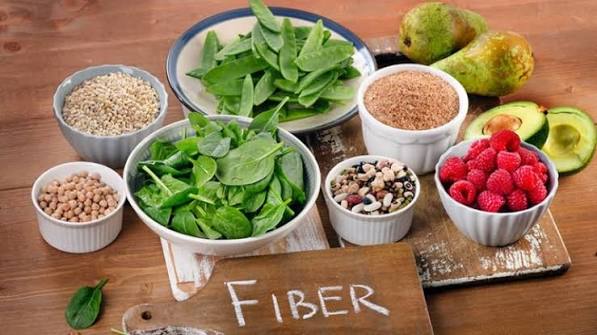
A well-designed constipation diet is the most effective first-line intervention for the majority of people with chronic constipation — more impactful, safer, and more sustainable than laxative dependence. Constipation affects approximately 16% of adults worldwide, rising to 33% in those over 60, yet the dietary factors that drive it are highly modifiable. Understanding precisely which foods accelerate transit, which slow it, and why — enables targeted dietary changes that restore regularity without medication in most cases.
- Insoluble fibre (wheat bran, vegetables, whole grains) is the most effective dietary intervention for slow-transit constipation, adding bulk and accelerating colonic transit
- Soluble fibre (oats, psyllium, legumes, flaxseed) retains water and forms a gel that softens stool and lubricates the intestinal wall
- Prunes contain sorbitol and dihydroxyphenyl isatin — the only food proven in RCTs to be as effective as psyllium for constipation relief
- Foods to limit include refined grains, red and processed meats, excess dairy, and fried foods — all associated with slower colonic transit
- Hydration is essential: fibre requires water to function, and inadequate fluid intake can worsen constipation even with high fibre consumption
Why Diet Is the Primary Driver of Constipation
Constipation is defined clinically as fewer than three bowel movements per week, straining on more than 25% of attempts, hard or lumpy stools, incomplete evacuation, or the need for manual manoeuvres to facilitate defecation — with at least two of these features present for at least 3 months. While structural causes (pelvic floor dysfunction, thyroid disease, medication side effects) require specific management, the majority of chronic constipation — classified as functional constipation — has dietary modification as its most effective and evidence-supported first-line treatment.
Colonic transit time — the speed at which stool moves through the large intestine — is strongly influenced by stool bulk and water content. Dietary fibre increases stool bulk by adding indigestible plant material, retaining water within the stool, and promoting the gas production that distends the colon and stimulates propulsive contractions. Without adequate fibre, stool is small and hard, moving slowly through the colon where it is subjected to prolonged dehydration. The result is the firm, pellet-like stool and extended transit times characteristic of dietary constipation.
Best Foods to Eat for Constipation Relief
Insoluble Fibre Foods — The Primary Transit Drivers
Insoluble fibre does not dissolve in water and passes through the GI tract largely intact, adding physical bulk to stool and mechanically stimulating the intestinal wall. This mechanical stimulation activates the peristaltic contractions that propel stool through the colon. Insoluble fibre is the most direct dietary intervention for slow-transit constipation.
Wheat bran: The most concentrated source of insoluble fibre available — providing approximately 42g fibre per 100g. A daily tablespoon (10g) of unprocessed wheat bran mixed into porridge, smoothies, or soups adds 4–5g insoluble fibre. Multiple randomised controlled trials confirm wheat bran’s effectiveness at increasing stool frequency and reducing transit time. Note: introduce gradually (starting with 1 teaspoon) to avoid initial gas and bloating as the gut adjusts.
Whole grains: Wholemeal bread (6–7g fibre per 100g), brown rice (3.5g/100g), wholegrain pasta (6g/100g), and bran cereals (all high in insoluble fibre) significantly outperform their refined counterparts for constipation management. Replacing white bread with wholemeal and choosing brown rice over white are single-food substitutions with measurable transit improvement. For the comprehensive evidence on whole grain fibre and gut health, see our article on whole grains and digestion.
Vegetables: Broccoli, Brussels sprouts, carrots, cabbage, sweetcorn, peas, parsnips, and dark leafy greens (kale, spinach, Swiss chard) are excellent insoluble fibre sources that also provide water content contributing to stool softening. Aim for at least 5 portions of vegetables daily, with at least 2–3 from the high-insoluble-fibre category above. Eating vegetables with their skins where possible (potatoes, courgette, cucumber) maximises fibre intake. For evidence on specific vegetables and their gut health benefits, see our guide to vegetables for gut health.
Soluble Fibre Foods — Stool Softeners and Lubricants
Soluble fibre dissolves in water to form a gel-like substance that retains water within the stool, keeping it soft and lubricated for easier passage. Soluble fibre also serves as a prebiotic — feeding beneficial gut bacteria that produce short-chain fatty acids (SCFAs) promoting colonic motility.
Prunes and dried plums: Prunes deserve special mention as the single best-evidenced food for constipation relief. They contain both sorbitol — a sugar alcohol with osmotic laxative properties that draws water into the intestine — and dihydroxyphenyl isatin, a compound that stimulates intestinal secretion and motility through a mechanism similar to bisacodyl. A landmark 2011 RCT (Attaluri et al.) found that 50g of prunes twice daily (approximately 10–12 prunes) outperformed psyllium (a standard medical fibre supplement) on stool frequency, consistency, and straining in adults with chronic constipation. Three to five prunes daily is an effective starting dose for most people.
Oats and oat bran: Rich in beta-glucan soluble fibre (3–4g per 40g serving of porridge oats), oats significantly increase stool water retention and produce a gentle lubricating effect on intestinal transit. Daily porridge is one of the most practical and evidence-supported dietary interventions for constipation, combining soluble fibre with good hydration if prepared with milk or water.
Legumes: Lentils, chickpeas, kidney beans, black beans, and peas provide both soluble and insoluble fibre (typically 6–9g per 100g cooked) along with resistant starch, making them among the highest-fibre and most microbiome-supportive foods available. Incorporating legumes into 3–4 meals per week has been shown to increase stool frequency and improve stool consistency in multiple clinical studies. Start with smaller portions (2–3 tablespoons) if legumes are new to your diet and increase gradually to allow microbiome adaptation and reduce gas. For the full evidence on legumes and digestive health, see our article on beans and digestive health.
Psyllium husk: The most commonly used medical-grade soluble fibre supplement, psyllium is derived from Plantago ovata seeds and provides approximately 70% soluble fibre. Clinical trials consistently show that 5–10g of psyllium daily reduces constipation symptoms. While it is classified as a supplement rather than a food, psyllium can be incorporated into the diet easily (mixed into water, yoghurt, smoothies, or baked into bread). It must always be consumed with a full glass of water; without adequate hydration, psyllium can worsen constipation or cause obstruction.
Flaxseed (ground): Ground flaxseed provides a combination of soluble mucilaginous fibre, insoluble fibre, and omega-3 fatty acids (which have anti-inflammatory effects on the intestinal mucosa). A tablespoon (10g) of ground flaxseed daily added to porridge, yoghurt, or smoothies provides approximately 3g fibre and measurably increases stool frequency in people with constipation. Whole flaxseed passes largely undigested; ground form is essential for fibre bioavailability.
Fruits for Constipation Relief
Several fruits have specific and well-evidenced benefits for constipation beyond their general fibre content:
Prunes (see above): The best-evidenced single food for constipation.
Kiwifruit: Kiwi contains actinidin, a unique protease enzyme with prokinetic properties, along with polyols and soluble fibre. Multiple RCTs have demonstrated that 2 kiwi fruits daily significantly increase defecation frequency and improve stool consistency in both constipated and healthy adults — independent of fibre content alone. This is an unusual finding that positions kiwi as a functional food for constipation with a mechanism beyond simple fibre supplementation.
Pears and apples: Both contain sorbitol, soluble fibre (pectin), and water — the combination of which softens stool and accelerates transit. Eating with the skin maximises the insoluble fibre contribution. Pear and apple juice do not provide the same benefit because the fibre is removed in processing. For the full evidence on fruit and digestive health, see our article on fruits that support digestion.
Figs: Both fresh and dried figs are high in fibre (fresh: 2g/100g; dried: 10g/100g) and contain a ficin enzyme that promotes digestive motility. A clinical study found that fig paste consumption significantly reduced colonic transit time and improved stool consistency compared to placebo in adults with functional constipation.
Hydration — The Essential Partner to Dietary Fibre
Dietary fibre requires water to function. Insoluble fibre adds bulk only when adequately hydrated; soluble fibre forms its water-retaining gel only when fluid is available. Consuming a high-fibre diet without adequate hydration can paradoxically worsen constipation by creating hard, poorly-hydrated stool bulk that moves even more slowly through the colon than a low-fibre diet would.
The general recommendation is 1.5–2 litres of fluid daily as a baseline, with additional intake in hot weather, during physical activity, or when consuming a high-fibre diet. Water, herbal teas, diluted fruit juices, and milk all contribute to fluid intake. Caffeinated beverages (coffee, tea) have a mild diuretic effect but also stimulate the gastrocolic reflex and are net beneficial for most people with constipation in moderate quantities. Warm liquids — particularly warm water with lemon or warm herbal tea in the morning — are often reported to help stimulate morning bowel movements through the gastrocolic reflex and gut motility effects of warm fluid on the intestinal wall.
Foods to Limit for Constipation Management
Certain foods slow colonic transit, reduce stool bulk, or create gut environments unfavourable to regular motility. Understanding these dietary factors enables targeted reduction rather than blanket dietary restriction.
Refined Grains and White Starchy Foods
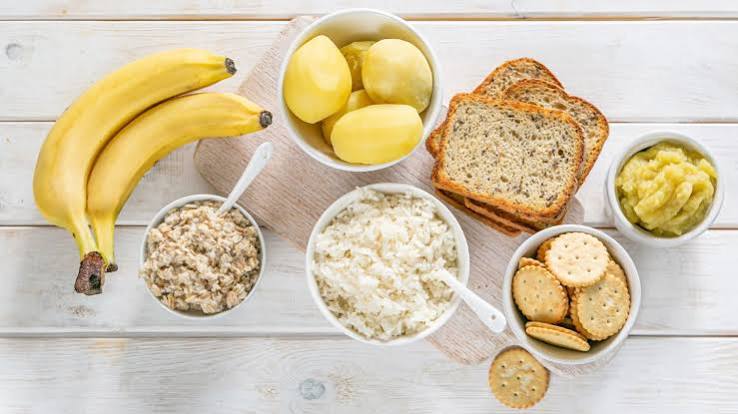
White bread, white rice, white pasta, refined breakfast cereals, and pastries made with white flour have had their fibre-containing bran and germ layers removed during milling. What remains is essentially pure starch with negligible fibre content. These foods are absorbed completely in the small intestine, delivering nothing to the large intestine to bulk or soften stool. A diet dominated by refined carbohydrates is one of the strongest dietary predictors of slow-transit constipation. The practical intervention is straightforward: replacing refined grain products with whole grain equivalents increases fibre intake significantly without requiring dramatic dietary restructuring.
Red and Processed Meat
Red meat (beef, pork, lamb) and processed meats (bacon, sausages, salami) contain essentially no dietary fibre. High consumption of these foods is associated with constipation in epidemiological studies, both directly (through low fibre content) and indirectly (because meat consumption typically displaces fibre-rich plant foods from the diet). High protein intake from meat also increases nitrogen excretion, altering the gut microbiome composition in ways that reduce SCFA-producing bacteria important for colonic motility. Reducing red and processed meat to 2–3 servings per week and replacing remaining protein needs with legumes, fish, eggs, and poultry is both a constipation management strategy and a gut microbiome health strategy.
Dairy Products in Large Quantities
Full-fat dairy — cheese (particularly aged hard cheese), whole milk, and butter — can contribute to constipation, particularly when consumed in large quantities. The mechanism is not entirely clear but may involve displacement of fibre-rich foods, reduced colonic motility from high fat content slowing gastric emptying, and in some individuals, lactose intolerance-related dysmotility that paradoxically reduces motility despite being normally associated with loose stools. Low-fat dairy options and fermented dairy (yoghurt, kefir) are less constipating than full-fat unfermented dairy and additionally provide beneficial bacteria that support gut motility.
Ultra-Processed and High-Sugar Foods
Biscuits, cakes, crisps, packaged snack foods, and sweetened beverages provide high calories with minimal fibre, are often high in fat, and displace fibre-rich whole foods from the diet. These foods actively worsen constipation by reducing the total dietary fibre available to the colon. Additionally, high sugar intake alters the gut microbiome in ways that reduce SCFA-producing bacteria important for colonic motility. For the full evidence on how ultra-processed foods and sugar affect gut function, see our guides on ultra-processed foods and digestion and sugar and gut health.
Unripe Bananas and High-Tannin Foods
Unripe bananas contain high amounts of resistant starch and tannins that have astringent effects on the intestinal mucosa, reducing motility and secretion. This is why unripe bananas are specifically recommended during diarrhoea (slowing transit) and specifically should be limited in constipation management. Ripe and overripe bananas have higher sugar content and less resistant starch, making them more appropriate for people with constipation. Similarly, high-tannin foods including strong tea (tannic acid), red wine, unripe persimmons, and some dark chocolate consumed in large quantities may contribute to constipation through mucosal astringent effects on the colon.
The Role of Probiotics and Fermented Foods
The gut microbiome plays an active role in colonic motility through SCFA production (particularly butyrate and propionate, which stimulate propulsive colonic contractions) and through the production of serotonin precursors (enterochromaffin cells in the gut produce 95% of the body’s serotonin, which regulates motility). Dysbiosis — an imbalanced gut microbiome — is common in people with chronic constipation and contributes to impaired motility signalling.
Fermented foods — plain yoghurt (with live cultures), kefir, kimchi, sauerkraut, and miso — introduce live beneficial bacteria and the metabolites they produce, supporting microbiome composition associated with healthy motility. Multiple clinical trials have demonstrated that regular probiotic consumption (either through supplements or fermented foods) increases stool frequency and improves stool consistency in constipated adults. Specific strains with the strongest evidence include Bifidobacterium lactis BB-12, Lactobacillus rhamnosus GG, and Bifidobacterium longum.
Plain yoghurt with live cultures — consumed daily, without the high-sugar flavoured varieties — provides both probiotics and is a practical daily food that most people can incorporate without significant dietary change. Kefir (fermented milk with a broader range of bacterial strains than yoghurt) has shown particularly strong effects on constipation in clinical research, reducing whole-gut transit time significantly in randomised trials.
Practical Daily Constipation Diet Plan
Translating the evidence into a practical daily eating pattern requires distributing fibre-rich foods throughout the day and building hydration habits that support fibre function. The goal is to reach 25–38g of dietary fibre daily — substantially more than the 15g average in Western diets — while maintaining adequate hydration.
Morning: Begin with a warm glass of water or herbal tea to activate the gastrocolic reflex. Breakfast should provide 8–12g fibre: porridge with tablespoon of ground flaxseed, sliced banana, and a handful of berries; or high-fibre bran cereal (≥10g fibre per serving) with milk and berries; or wholemeal toast with peanut butter and fruit. Morning is the optimal time for bowel movements — the gastrocolic reflex is strongest after waking and first food intake, and developing a consistent post-breakfast bathroom routine (regardless of whether the urge is strong initially) helps establish regular defecation timing. For evidence on morning meal timing and the gastrocolic reflex, see our article on meal timing and digestive comfort.
Lunch: Aim for 8–10g fibre at lunch: a large salad with mixed leaves, chickpeas, cucumber, carrot, cherry tomatoes, and whole grain bread; or a lentil soup with wholemeal bread; or a wholegrain wrap with hummus, roasted vegetables, and a side of fruit. Legumes at lunch are particularly effective for constipation management — a 150g serving of chickpeas, lentils, or kidney beans provides 6–9g of mixed soluble and insoluble fibre.
Dinner: 8–10g fibre: include a large serving of vegetables (at least half the plate), a wholegrain carbohydrate (brown rice, whole wheat pasta, quinoa), and lean protein. Avoid making dinner the largest meal of the day and ensure 3+ hours between dinner and sleep to allow gastric emptying before the overnight reduction in motility. For evidence on meal timing and digestive health, see our article on meal timing and digestive comfort.
Snacks: Choose fibre-rich snacks: 3–5 prunes or a pear (3g fibre each); an apple with skin (4g); a small handful of almonds (3g per 28g); wholegrain crackers with hummus; or a small bowl of mixed berries. Avoid fibre-free snacks (crisps, biscuits, confectionery) that consume caloric budget without contributing to the daily fibre target.
Hydration throughout the day: A glass of water with each meal (3 glasses = 750ml) plus 4–6 additional glasses during the day reaches the 1.5–2 litre minimum. Keeping a water bottle visible at the work desk or adding fruit slices to still water significantly improves hydration consistency. Herbal teas (particularly those containing senna for short-term use, or chamomile, ginger, and fennel for everyday use) contribute both to fluid intake and gut motility support.
How to Increase Fibre Without Bloating and Gas
The most common reason people abandon high-fibre diets is the initial increase in bloating and gas that occurs as the gut microbiome adapts to processing more fermentable fibre. This adaptation discomfort is normal and temporary — it reflects beneficial bacteria proliferating in response to new substrate — but it can be managed with a gradual introduction strategy.
The recommended approach is to increase fibre intake by no more than 5g per week, giving the microbiome 7 days to adapt to each increment before adding more. Starting with easier-to-tolerate fibre sources (white bread → wholemeal, introducing oats and fruit before legumes and bran) and leaving the highest-fermentability fibres (legumes, raw onion, raw garlic) for the later weeks of introduction reduces the severity of adaptation symptoms. Ensuring adequate hydration during the increase period is essential — each additional 5g of fibre requires approximately 200ml of additional daily fluid to avoid worsening stool hardness.
Thorough chewing of fibre-rich foods also reduces post-meal gas production. Poorly chewed plant foods arrive in the colon with more intact cell walls, which bacteria ferment more vigorously, producing more gas than equivalent food chewed to a near-liquid consistency. For the evidence on chewing and digestive health, see our article on eating slowly and digestive health.
Physical Activity and Constipation
Diet and physical activity work synergistically for constipation management. Exercise stimulates colonic motility through multiple mechanisms: increased abdominal muscle activity compresses the colon, promoting propulsive contractions; exercise increases circulating prostaglandins that stimulate intestinal secretion; and regular physical activity reduces sympathetic nervous system tone that suppresses GI motility. Multiple systematic reviews confirm that regular aerobic exercise — particularly walking — reduces chronic constipation symptoms with effect sizes comparable to dietary fibre supplementation.
The practical minimum is 30 minutes of moderate aerobic activity daily, which can be achieved through brisk walking. For people with sedentary jobs, two 15-minute walks (morning and lunchtime) have been shown to significantly improve colonic transit time compared to continuous sitting. Post-meal walks — even 10–15 minutes — activate the gastrocolic reflex and promote motility during the period of maximum digestive activity.
Frequently Asked Questions
Q: How long does it take for dietary changes to relieve constipation?
A: Most people experience measurable improvement in stool frequency and consistency within 2–4 days of consistently implementing high-fibre dietary changes, provided hydration is also adequate. The initial response may include some increased flatulence as gut bacteria adapt to higher fibre loads — this normalises within 1–2 weeks. The full benefit of a sustained high-fibre diet on microbiome composition, SCFA production, and gut motility signalling accumulates over 4–8 weeks. If there is no improvement in stool frequency after 2 weeks of consistent dietary change (25g+ fibre daily, 1.5L+ fluid daily), medical evaluation is warranted to assess for non-dietary causes of constipation including pelvic floor dysfunction, thyroid disease, or medication effects.
Q: Are prunes really better than fibre supplements for constipation?
A: The 2011 Attaluri RCT comparing prunes directly to psyllium found that prunes produced significantly more improvement in stool frequency and consistency — the primary endpoints — than psyllium. Prunes have the advantage of providing a multifactorial intervention: sorbitol (osmotic laxative effect), dihydroxyphenyl isatin (motility stimulant), soluble fibre (stool softening), and polyphenols (microbiome benefits). Psyllium provides only fibre-mediated effects. Three to five prunes daily is an effective, natural, and palatable approach that most people can incorporate sustainably. Larger daily quantities (50g twice daily, as in the research protocol) are appropriate for people with more severe chronic constipation.
Q: Does coffee help with constipation?
A: Yes — coffee (both caffeinated and decaffeinated, though caffeinated more strongly) stimulates colonic motility through the gastrocolic reflex and through coffee-specific compounds including chlorogenic acids and the peptide hormone cholecystokinin (CCK). Research has shown that coffee activates colonic motility within 4 minutes — faster than a meal in some studies. For many people with constipation, morning coffee is an effective and natural bowel movement stimulus. However, coffee is also mildly diuretic, meaning it is important to maintain hydration by consuming additional water alongside coffee intake. For the full evidence on coffee and digestion, see our article on coffee and digestion.
Q: Can too much fibre make constipation worse?
A: In certain situations, yes. Very high insoluble fibre intake without adequate hydration can worsen constipation by creating hard, desiccated stool bulk. This is most common when people dramatically and rapidly increase bran intake without a corresponding increase in fluid consumption. The solution is always to increase hydration in parallel with fibre increases. Additionally, for a subset of people with slow-transit constipation where the primary problem is impaired colonic motor function (rather than dietary fibre deficit), high fibre intake may increase stool bulk without accelerating transit, potentially worsening bloating and distension without improving frequency. These individuals typically require medical evaluation and may benefit more from prokinetic agents, osmotic laxatives, or pelvic floor physiotherapy than from dietary fibre alone.
Q: Should I avoid dairy if I have constipation?
A: Dairy restriction is not universally recommended for constipation — it depends on the individual and the type of dairy. Full-fat aged cheese in large quantities may contribute to constipation and can be reduced. Fermented dairy (plain yoghurt with live cultures, kefir) is beneficial for constipation management and should not be restricted. Full-fat milk in moderate quantities is neutral for most people. If you notice a clear relationship between specific dairy foods and worsened constipation, reduce those specific items, but routine dairy restriction as a constipation intervention is not evidence-supported for most people. Lactose intolerance typically produces diarrhoea (from osmotic effect) rather than constipation.
Q: How many glasses of water per day do I need for a high-fibre constipation diet?
A: The general baseline is 1.5–2 litres (6–8 glasses) of total fluid daily, and this should increase proportionally with fibre intake. A useful rule of thumb is approximately 200ml of additional fluid per 5g of additional fibre above baseline. Someone consuming 35g of fibre daily (approximately 20g above the Western average of 15g) would benefit from an additional 800ml beyond the baseline 1.5L — approximately 2.3L total. Urine colour is a practical indicator: pale straw-coloured urine indicates adequate hydration; dark yellow urine indicates under-hydration and a likely contributor to constipation regardless of fibre intake.
Q: I eat a lot of fibre but am still constipated. What else should I consider?
A: If dietary fibre (25g+ daily) and hydration (1.5L+ daily) are consistently adequate and constipation persists beyond 4–6 weeks, several non-dietary factors should be considered. Medications are a common and often overlooked cause — opioid analgesics, iron supplements, calcium channel blockers, tricyclic antidepressants, anticholinergics, and antacids containing aluminium all cause constipation as a documented side effect. Pelvic floor dysfunction (paradoxical puborectalis contraction during defecation, also called dyssynergia) causes functional outlet obstruction that does not respond to dietary interventions and requires pelvic floor physiotherapy for management. Thyroid disease (hypothyroidism) reduces GI motility throughout the tract. Medical evaluation including thyroid function tests and assessment for medication effects is appropriate when dietary measures have been consistently implemented without success.
Most dietary-related constipation responds to the interventions described above within 2–4 weeks. Seek medical assessment promptly for:
- Blood in stool or black tarry stools — always requires urgent investigation
- Constipation beginning suddenly after age 50 with no clear dietary cause — requires colonoscopic assessment
- Unexplained weight loss alongside bowel habit change
- Severe abdominal pain or distension with constipation — may indicate obstruction
- Alternating constipation and diarrhoea without clear dietary explanation — may indicate IBS, IBD, or other structural causes
- No bowel movement for more than 5 days despite dietary and lifestyle measures
- Constipation that fails to respond to consistent dietary intervention over 4–6 weeks
This article is for educational purposes only and does not constitute medical advice. Always consult a qualified healthcare provider regarding persistent constipation or for personalised dietary guidance.
- Attaluri A, et al. “Randomised clinical trial: dried plums (prunes) vs. psyllium for constipation.” Alimentary Pharmacology & Therapeutics. 2011;33(7):822-828.
- Boilesen SN, et al. “Water and fluid intake in the prevention and treatment of functional constipation in children and adolescents: is there evidence?” Jornal de Pediatria. 2017;93(4):320-327.
- Christodoulides S, et al. “Systematic review with meta-analysis: effect of fibre supplementation on chronic idiopathic constipation in adults.” Alimentary Pharmacology & Therapeutics. 2016;44(2):103-116.
- Müller M, et al. “Interventions to improve dietary fibre intake in adults with chronic constipation: a systematic review.” Nutrients. 2022;14(16):3436.
- Staudacher HM, et al. “Fermentation in the human large intestine: evidence and implications for health.” Current Opinion in Biotechnology. 2012;23(2):171-177.
- Tuck CJ, et al. “Nutritional interventions for constipation: a systematic review.” Journal of Human Nutrition and Dietetics. 2021;34(3):583-595.
- Varma MG, et al. “Association between unprocessed red meat and processed meat intake and incident constipation.” European Journal of Clinical Nutrition. 2013;67(5):516-521.
- Mayer EA. “Gut feelings: the emerging biology of gut-brain communication.” Nature Reviews Neuroscience. 2011;12(8):453-466.
- Ford AC, et al. “Systematic review with meta-analysis: the efficacy of prebiotics, probiotics, synbiotics and antibiotics in irritable bowel syndrome.” Alimentary Pharmacology & Therapeutics. 2018;48(10):1044-1060.
- Bliss DZ, et al. “Supplementation with dietary fiber improves fecal incontinence.” Nursing Research. 2001;50(4):203-213.
The section on prunes vs psyllium was genuinely surprising — I had no idea there was an actual clinical trial comparing them head-to-head. I’ve been taking psyllium powder for months with moderate results and always assumed it was the gold standard. The fact that prunes outperformed it in a randomised trial on both frequency and consistency, plus they have three different active mechanisms (sorbitol, the motility compound, and fibre) while psyllium only has fibre, makes the comparison really unfair to psyllium. Switching to prunes this week. The 3-5 per day starting dose is much more manageable than I expected.
You’ve identified exactly why the prune comparison is so striking from a clinical perspective. Psyllium is classified as a bulk-forming laxative and works entirely through fibre-mediated water retention and stool bulking — which is one mechanism. Prunes deliver three mechanistically distinct pathways simultaneously: sorbitol creates an osmotic gradient that draws water into the intestinal lumen (similar to how osmotic laxatives like lactulose work); dihydroxyphenyl isatin directly stimulates intestinal secretion and smooth muscle motility through a mechanism similar to stimulant laxatives like bisacodyl; and the soluble fibre fraction contributes the same water-retention effect psyllium relies on exclusively. The clinical trial finding that this three-mechanism combination outperforms a single-mechanism intervention is consistent with what pharmacology would predict. The 3-5 prune starting dose is genuinely manageable — and unlike psyllium, prunes require no mixing, no large glass of water taken immediately, and no risk of the obstruction that occurs when psyllium is swallowed without adequate fluid. For most people, prunes are both more effective and simpler to incorporate consistently.
I’ve been trying to increase my fibre for years and always abandon it after a week because of the bloating and gas — this is the first explanation I’ve read that made me understand why that happens biologically rather than just ‘it takes time to adjust.’ Understanding that the adaptation discomfort is beneficial bacteria proliferating in response to new substrate — not a sign that high fibre disagrees with me — actually makes me want to push through it. The 5g per week increase limit is the specific practical detail I was missing. I’ve always gone from near-zero fibre to maximum overnight and wondered why it felt terrible. Starting the gradual approach tomorrow.