
Common Types of Cancer in Adults
Cancer is not one disease. It is a broad group of conditions that can begin in different organs, tissues, blood cells, immune cells, glands, or the skin. Understanding the most common types of cancer can help adults recognize warning signs, know when screening matters, and have more informed conversations with their healthcare team.
Estimated new cancer cases in the United States in 2026.
Breast, prostate, lung, and colorectal cancers account for a large share of new U.S. cases.
Screening and timely diagnosis can improve treatment options for several common cancers.
Data sources: American Cancer Society Cancer Facts & Figures 2026; National Cancer Institute; SEER Cancer Statistics; CDC cancer screening resources.
Why Knowing Cancer Types Matters
Many people hear the word “cancer” and think of one condition. In reality, cancers behave differently depending on where they start, what cells are involved, how fast they grow, and whether they have specific genetic or molecular changes. A slow-growing prostate cancer, for example, is very different from an aggressive lung cancer or an acute leukemia.
Modern cancer care uses a combination of clinical evaluation, imaging, biopsy, pathology, laboratory tests, genetic or biomarker testing, and follow-up monitoring. This helps clinicians classify the cancer, estimate stage, choose treatment, and track whether the disease is responding.
Horizon Health Institute perspective: Learning about common cancers is not about fear. It is about awareness, prevention, early detection, and knowing when a symptom or risk factor deserves medical attention.
Major Types of Cancer Commonly Seen in Adults
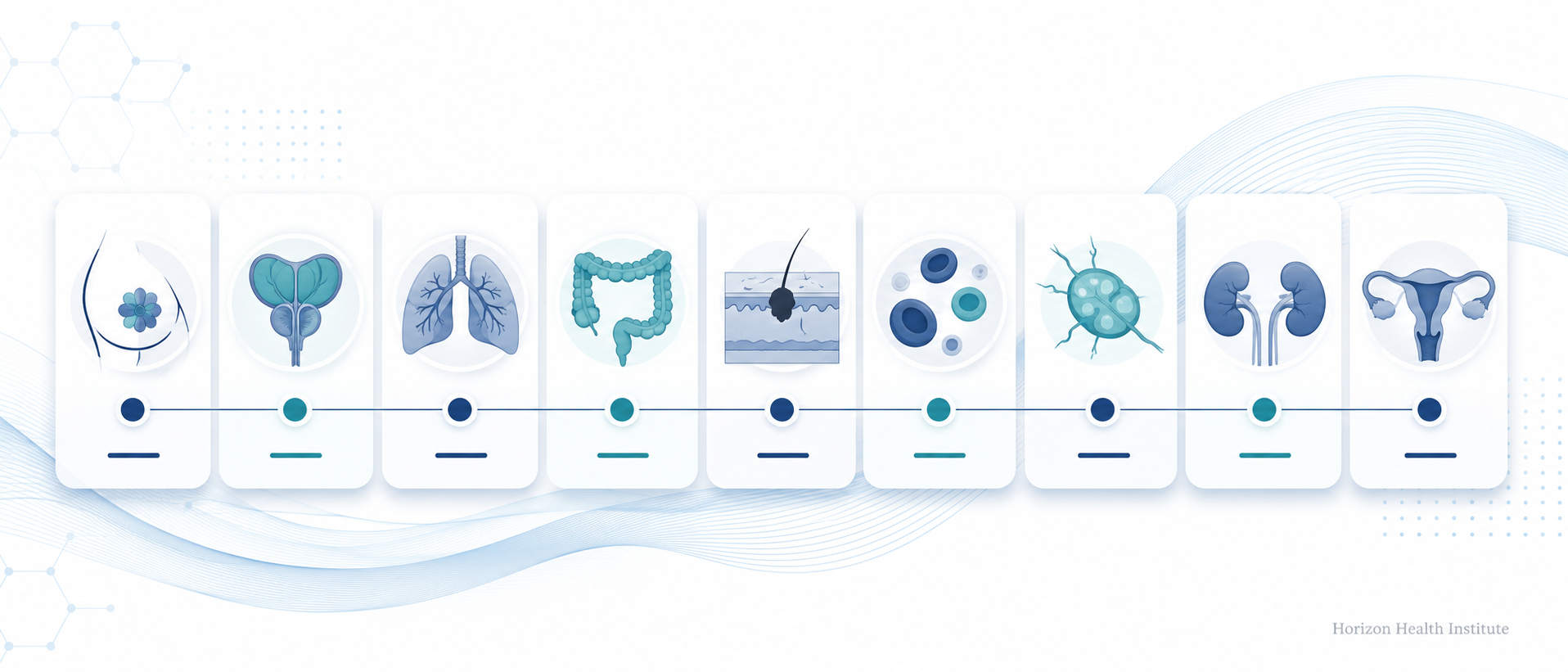
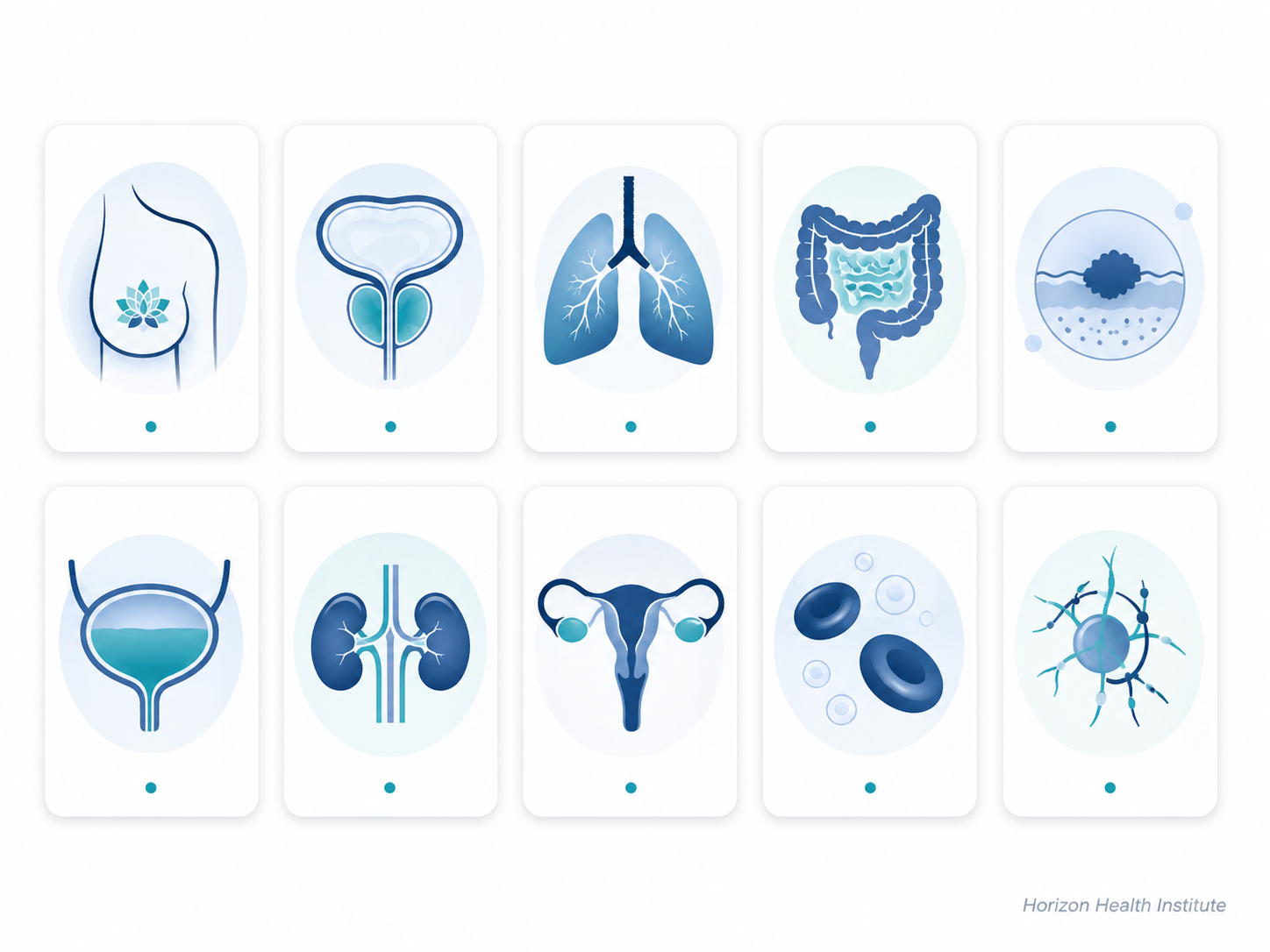
The most common cancers in the United States include breast, prostate, lung, and colorectal cancers. Other frequently diagnosed cancers include melanoma, bladder cancer, kidney cancer, uterine cancer, thyroid cancer, leukemia, lymphoma, and pancreatic cancer. The list below focuses on cancers adults are most likely to hear about in primary care, screening visits, or oncology care.
Breast Cancer
Breast cancer usually begins in the ducts or lobules of breast tissue. It is most common in women, but men can also develop breast cancer. Screening mammography, clinical risk assessment, biopsy, hormone receptor testing, HER2 testing, and imaging all play important roles in modern care.
Prostate Cancer
Prostate cancer begins in the prostate gland and is one of the most common cancers in men. Some prostate cancers grow slowly, while others are more aggressive. PSA blood testing, digital rectal exam, MRI, biopsy, and risk scoring may be used to guide decisions.
Lung Cancer
Lung cancer often develops in the tissues of the lungs or airways. Smoking is the strongest risk factor, but lung cancer can also occur in people who have never smoked. Low-dose CT screening is recommended for certain adults at high risk, and biomarker testing is increasingly important in treatment planning.
Colorectal Cancer
Colorectal cancer begins in the colon or rectum, often from polyps that can develop over time. Screening can sometimes prevent cancer by finding and removing precancerous polyps. Options may include stool-based tests, colonoscopy, CT colonography, or flexible sigmoidoscopy.
Melanoma and Skin Cancer
Melanoma begins in pigment-producing skin cells called melanocytes. It is less common than some other skin cancers but can be more dangerous if it spreads. Sun protection, skin awareness, dermoscopy, biopsy, and pathology review are central to diagnosis.
Bladder Cancer
Bladder cancer often begins in the lining of the bladder. A common warning sign is blood in the urine, even when there is no pain. Evaluation may include urine testing, cystoscopy, imaging, and biopsy.
Kidney Cancer
Kidney cancer may be found after symptoms such as blood in the urine or flank pain, but it is also sometimes discovered incidentally on imaging. CT, MRI, ultrasound, biopsy in selected cases, and surgical planning may be part of care.
Uterine and Endometrial Cancer
Endometrial cancer begins in the lining of the uterus. Abnormal vaginal bleeding, especially after menopause, should be evaluated. Diagnosis may involve pelvic exam, ultrasound, endometrial biopsy, and pathology testing.
Leukemia and Lymphoma
Leukemia affects blood-forming tissues such as bone marrow, while lymphoma begins in the lymphatic system. Symptoms can include fatigue, infections, swollen lymph nodes, fevers, night sweats, or unexplained weight loss. Blood tests, imaging, bone marrow studies, and molecular testing may be used.
The “most common” cancers can vary by sex, age, family history, tobacco exposure, infections, inherited risk, and screening patterns. A personal risk discussion with a healthcare professional is often more useful than looking at population averages alone.
How Doctors Classify Cancer
Cancers are often named by the place where they begin, such as breast cancer, lung cancer, or colon cancer. They can also be grouped by the type of cell or tissue involved. This classification matters because treatment is usually based on the cancer’s origin, stage, microscopic appearance, and molecular profile.
Common Tissue-Based Categories
- Carcinomas: cancers that begin in epithelial tissues, including many breast, lung, colon, prostate, and skin cancers.
- Sarcomas: cancers that begin in bone, muscle, fat, blood vessels, or connective tissue.
- Leukemias: cancers of blood-forming tissues, often involving bone marrow and blood cells.
- Lymphomas: cancers that begin in lymphocytes, a type of immune cell.
- Melanoma: a cancer that begins in pigment-producing cells, most often in the skin.
Why Classification Changes Care
- It helps determine which imaging tests are useful.
- It guides whether surgery, radiation therapy, systemic therapy, or monitoring may be appropriate.
- It identifies whether biomarker testing or genetic testing may help guide treatment.
- It supports follow-up planning after treatment or during active surveillance.
Warning Signs That Deserve Medical Attention
Cancer symptoms can be subtle, and many common symptoms are caused by non-cancer conditions. Still, symptoms that are persistent, unexplained, worsening, or unusual for you should be discussed with a healthcare professional.
| Symptom or Change | Possible Related Cancer Types | Why It Matters |
|---|---|---|
| New lump, breast change, nipple discharge, or skin dimpling | Breast cancer | Breast changes may need clinical exam, mammography, ultrasound, or biopsy. |
| Persistent cough, coughing blood, chest discomfort, or shortness of breath | Lung cancer | Persistent respiratory symptoms may require imaging, especially in high-risk adults. |
| Blood in stool, change in bowel habits, unexplained iron deficiency anemia | Colorectal cancer | Colorectal cancer can develop from polyps and may be detected through screening or colonoscopy. |
| Blood in urine or urinary changes | Bladder, kidney, prostate cancer | Urinary bleeding should be evaluated even when there is no pain. |
| Changing mole, irregular border, new dark spot, or non-healing skin lesion | Melanoma and other skin cancers | Skin changes may require dermoscopy, biopsy, and pathology review. |
| Unexplained weight loss, fevers, night sweats, fatigue, or swollen lymph nodes | Lymphoma, leukemia, and other cancers | Systemic symptoms may need blood tests, imaging, and specialist evaluation. |
Screening and Early Detection
Screening means checking for cancer before symptoms appear. In the United States, screening is especially important for breast, cervical, colorectal, and lung cancers in eligible adults. Screening recommendations depend on age, sex, personal history, family history, and risk level.
Examples of Common Screening Tests
- Breast cancer: mammography for eligible women based on age and risk.
- Cervical cancer: Pap test, HPV testing, or combined testing depending on age and guideline pathway.
- Colorectal cancer: stool-based tests, colonoscopy, CT colonography, or flexible sigmoidoscopy.
- Lung cancer: low-dose CT for adults who meet high-risk smoking history criteria.
- Prostate cancer: PSA-based screening is usually a shared decision between a patient and clinician.
What Screening Can and Cannot Do
Screening can find some cancers earlier and may reduce deaths from certain cancers. It can also find precancerous changes, such as colon polyps. However, no screening test is perfect. False positives, false negatives, overdiagnosis, and follow-up procedures are possible, which is why screening decisions should be individualized.
How Modern Medicine Helps Diagnose Cancer
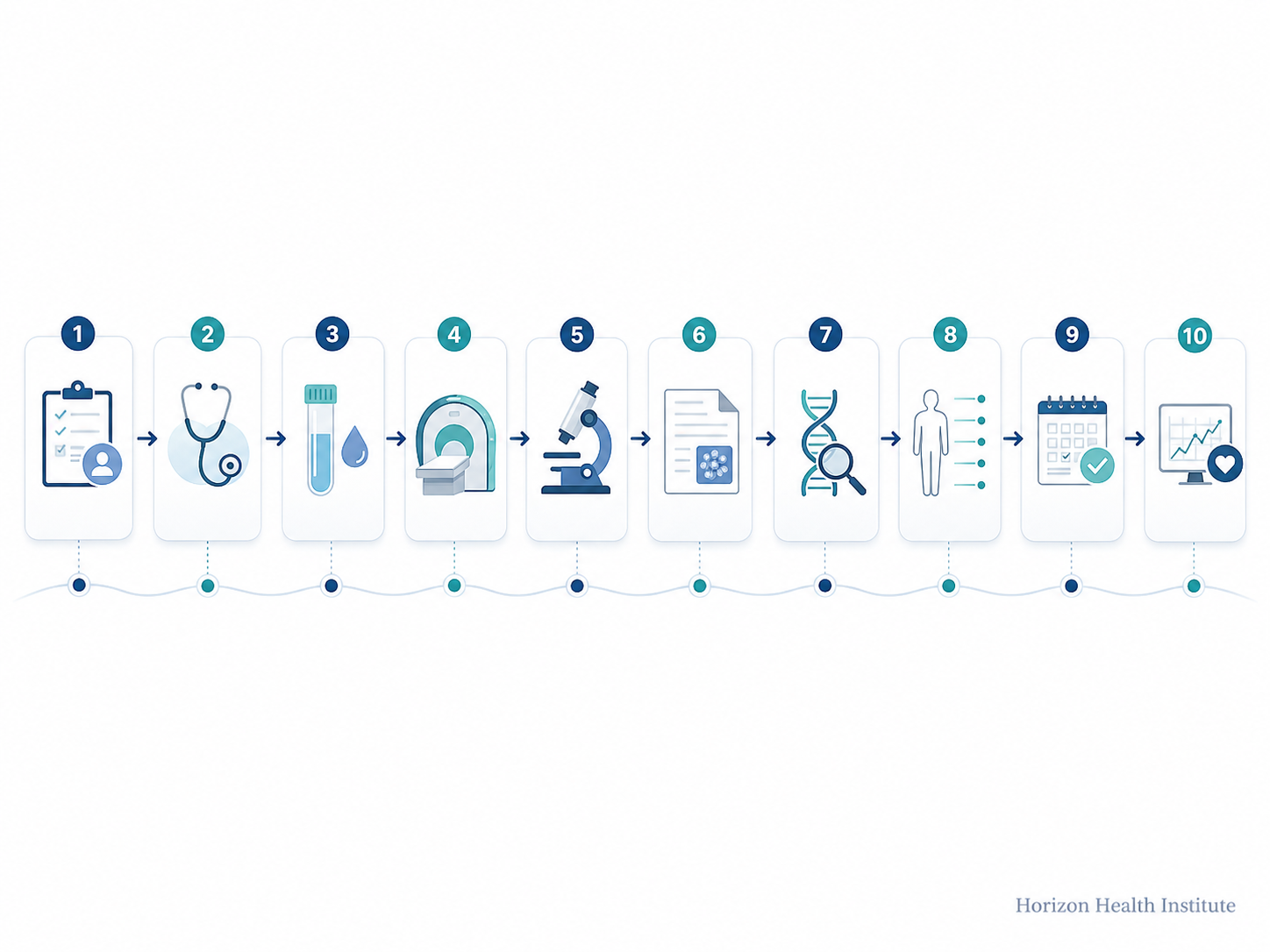
A cancer diagnosis usually requires more than one test. Doctors combine symptoms, physical examination, laboratory findings, imaging, tissue sampling, and pathology results to understand what is happening. In many cancers, biomarker testing now helps identify whether targeted therapy, immunotherapy, or other treatment approaches may be useful.
Clinical evaluation: symptoms, medical history, physical exam, and risk review.
Imaging: ultrasound, mammography, CT, MRI, PET, or X-ray depending on the suspected cancer.
Biopsy and pathology: tissue is examined under a microscope to confirm cancer type.
Biomarkers and staging: tests help define spread, risk level, and treatment options.
Prevention and Risk Reduction Still Matter
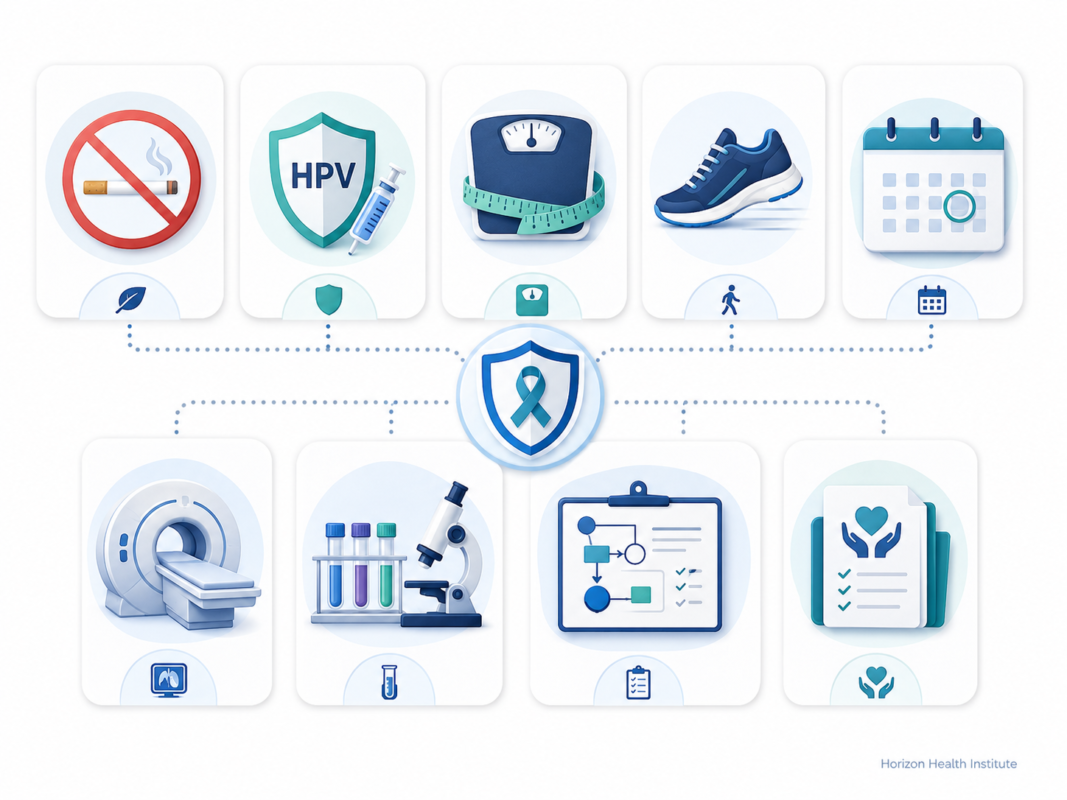
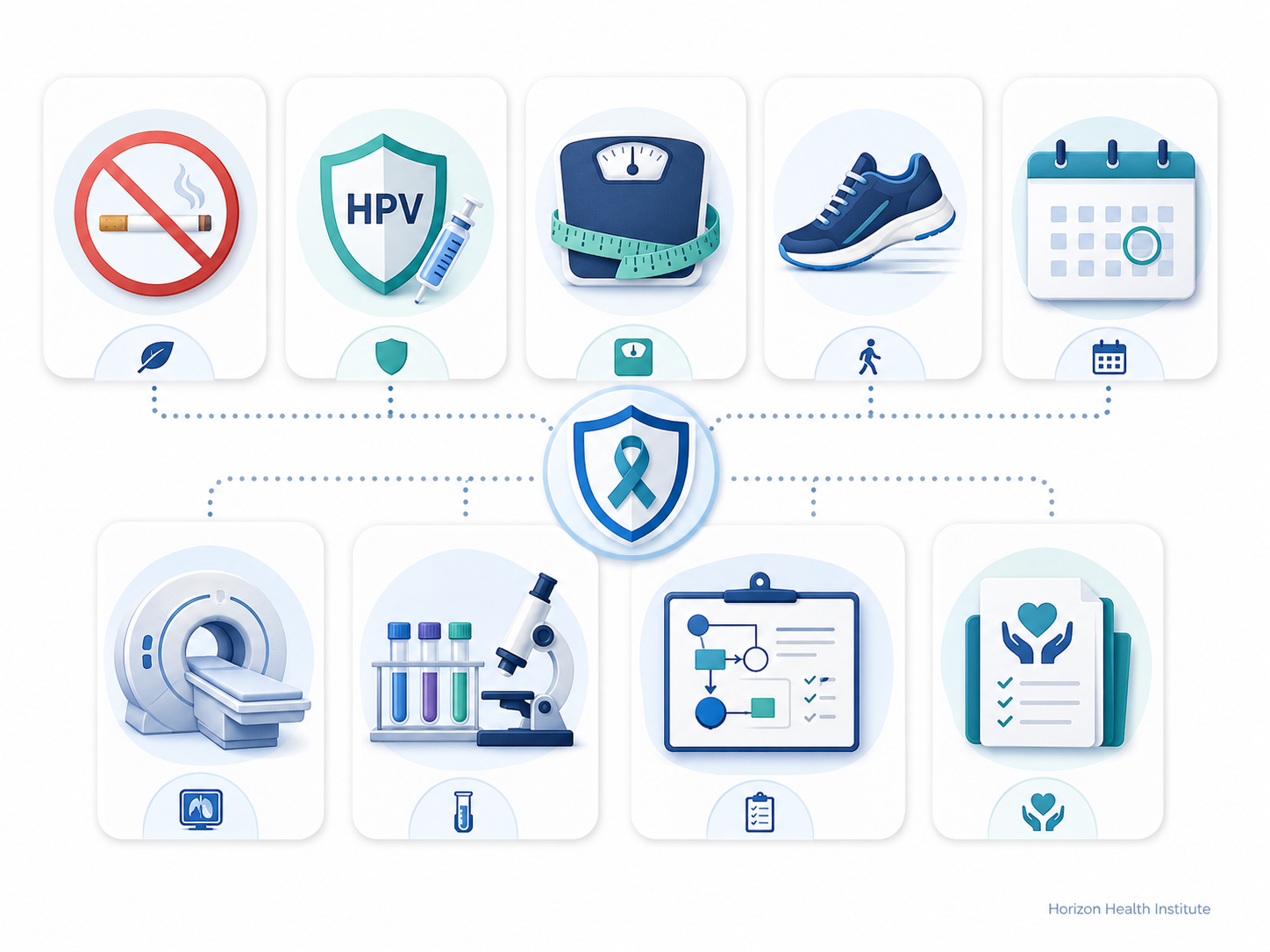
Not every cancer can be prevented. Some risks are related to age, inherited genetics, hormones, or factors that are not fully understood. Still, public health research consistently supports several practical steps that can reduce the risk of many cancers.
Follow-Up Care After Diagnosis or Treatment
Cancer care does not end after a diagnosis or even after initial treatment. Follow-up care may include physical exams, imaging, lab tests, symptom review, medication monitoring, survivorship planning, and screening for recurrence or late treatment effects.
Monitoring Response
Imaging scans, blood tests, tumor markers, and clinical symptoms may help clinicians assess whether treatment is working.
Managing Side Effects
Follow-up visits help address fatigue, pain, neuropathy, hormonal changes, emotional health, and medication-related effects.
Long-Term Survivorship
Survivorship care plans can support future screening, lifestyle goals, recurrence monitoring, and coordination between specialists and primary care.
Key Takeaways
The most common types of cancer in adults include breast, prostate, lung, colorectal, melanoma, bladder, kidney, uterine, leukemia, and lymphoma. Each cancer type has its own risk factors, symptoms, screening options, diagnostic pathway, and treatment approach. For many cancers, modern medicine now uses imaging, biopsy, pathology, biomarker testing, staging, and structured follow-up to make care more precise and personalized.
Horizon Health Institute provides evidence-informed health education designed to help readers understand prevention, early detection, diagnosis, and long-term health monitoring with clarity and confidence.
References
- American Cancer Society. Cancer Facts & Figures 2026.
- National Cancer Institute. Common Cancer Types.
- SEER Cancer Statistics. Cancer Stat Facts: Common Cancer Sites.
- Centers for Disease Control and Prevention. Cancer Screening Tests.
- American Cancer Society. Cancer Screening Guidelines for Early Detection.
- National Institutes of Health and National Cancer Institute resources on cancer diagnosis, staging, pathology, and treatment planning.
My cardiologist recommended I look into common types of cancer: symptoms, risk and this article covered it perfectly. The practical tips at the end made this immediately actionable, not just theoretical. Appreciate the effort that went into researching and writing this — it shows.
As someone dealing with this personally, the common types of cancer: symptoms, risk section was very helpful. The practical tips at the end made this immediately actionable, not just theoretical. I wish I had found this article when I was first diagnosed — would have saved a lot of confusion.
Finally a resource that explains common types of cancer: symptoms, risk in plain language. The practical tips at the end made this immediately actionable, not just theoretical. Will definitely be coming back to this site for more health information.
Came across this while researching common types of cancer: symptoms, risk for a family member. The section on managing this condition day-to-day was especially useful for planning. This is exactly why I prefer this website over generic health platforms.
My doctor recommended I look into common types of cancer: symptoms, risk and this article covered it perfectly. This is the kind of evidence-based writing that actually changes how people approach their health. This is exactly why I prefer this website over generic health platforms.
I shared this article on common types of cancer: symptoms, risk with my doctor and they appreciated the level of detail. I appreciated how the article addressed both the clinical side and the practical adjustments. Shared this with three friends who are dealing with related issues. Very useful resource.