
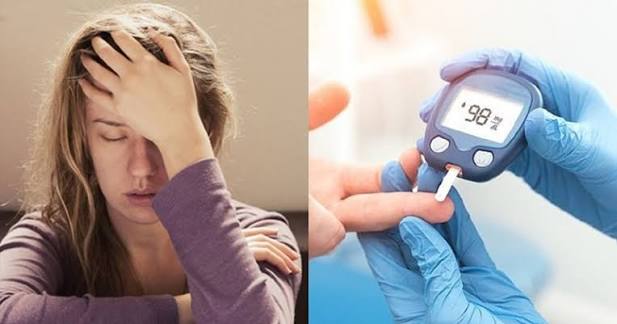
Hypoglycemia: Symptoms, Causes, and What to Do
Hypoglycemia — low blood sugar — is one of the most immediately dangerous complications of diabetes treatment, capable of causing impaired judgment, loss of consciousness, seizure, and cardiac arrhythmia if severe and untreated. Yet it is also one of the most manageable complications when recognized early and treated promptly, and much of the fear surrounding hypoglycemia in people with diabetes comes from uncertainty about its symptoms, causes, and correct response — uncertainty that this guide addresses directly. Understanding hypoglycemia symptoms, causes, and what to do about it is foundational knowledge for anyone using insulin or insulin-stimulating medications, and for the family members and companions who may need to provide assistance in severe episodes. This guide covers the full symptom spectrum of hypoglycemia from mild to severe, the physiological causes of each symptom category, the most common causes of hypoglycemia in people with diabetes, and the evidence-based treatment and prevention strategies that allow active management of hypoglycemia risk without sacrificing quality of life. For the numerical thresholds that define hypoglycemia and its severity levels, see our guide to normal blood sugar. For the underlying physiology of how the body normally prevents blood glucose from falling too low and why those protective mechanisms fail in people with diabetes, see our guide on what causes low blood sugar.
Hypoglycemia Symptoms: The Two-Stage Response
The symptoms of hypoglycemia arise from two distinct physiological processes that occur in sequence as blood glucose falls, and understanding this two-stage structure helps explain why symptoms vary between individuals, why some people lose early warning symptoms after repeated hypoglycemia (hypoglycemia unawareness), and what each category of symptom is signaling about the urgency of treatment needed.
Stage 1 — Adrenergic symptoms (glucose approximately 60–70 mg/dL): The first response to falling blood glucose is the release of epinephrine (adrenaline) from the adrenal glands, which is both a counter-regulatory attempt to raise glucose (epinephrine stimulates glycogen breakdown and gluconeogenesis in the liver) and a warning system that signals the person to eat. Epinephrine produces the classic “adrenergic” symptoms of hypoglycemia: shakiness or tremulousness, palpitations and rapid heartbeat, sweating (often cold sweat), anxiety, pallor, and hunger. These symptoms are designed to be uncomfortable enough to motivate immediate action — eating — and in most people with diabetes who have not yet developed hypoglycemia unawareness, they provide reliable warning at a glucose level that is still safe enough to treat easily with food. When these symptoms are recognized and responded to promptly with fast-acting carbohydrates, the hypoglycemia episode is usually minor and self-limiting.
Stage 2 — Neuroglycopenic symptoms (glucose below approximately 55 mg/dL): If the adrenergic warning signals are missed, ignored, or absent (as occurs in hypoglycemia unawareness), and glucose continues to fall, brain function begins to be impaired by the glucose deficiency itself — producing “neuroglycopenic” symptoms: difficulty concentrating, slowed thinking, confusion, difficulty speaking clearly, coordination problems, visual disturbances, severe weakness, and ultimately seizure or loss of consciousness. These neuroglycopenic symptoms represent actual brain dysfunction from glucose deficiency, not just a warning system — and they are more dangerous both because brain impairment interferes with the person’s ability to self-treat (they may not be able to recognize their condition or safely consume food) and because severe and prolonged neuroglycopenic hypoglycemia can cause brain injury. This is why Stage 2 hypoglycemia requires external assistance rather than self-treatment, and why severe hypoglycemia with loss of consciousness requires glucagon administration rather than oral carbohydrates. Our guide on when blood sugar symptoms need medical attention provides the specific decision framework for when to call emergency services for hypoglycemia — covering both the glucose thresholds and the clinical findings (especially loss of consciousness or seizure) that make emergency response necessary regardless of the glucose reading.
- Adrenergic (Stage 1, ~60–70 mg/dL): Shakiness, sweating, palpitations, rapid heartbeat, anxiety, pallor, intense hunger, tingling lips — treat immediately with fast carbohydrates
- Neuroglycopenic (Stage 2, below ~55 mg/dL): Confusion, difficulty speaking, poor coordination, blurred vision, weakness, headache — requires assistance; may not be able to self-treat safely
- Severe (Stage 3, below ~40 mg/dL): Seizure, loss of consciousness, unresponsiveness — requires glucagon injection or intranasal glucagon and emergency services
- Hypoglycemia unawareness: No adrenergic warning symptoms even at 50–60 mg/dL — most dangerous form; CGM with alarms and provider consultation essential

Causes of Hypoglycemia in People with Diabetes
The causes of hypoglycemia in people with diabetes are covered in comprehensive detail in our companion guide on what causes low blood sugar. In the context of this treatment-and-prevention focused guide, the key causes to understand are those that directly inform the response — both the immediate treatment choice and the prevention measures that reduce recurrence:
- Too much insulin or insulin-stimulating medication: The most common cause. Includes dose errors, timing mismatches between insulin and meals, and insulin stacking (correction doses taken too close together, resulting in overlapping insulin action).
- Skipped or delayed meals: When insulin or sulfonylurea medication is taken and a meal is then skipped, delayed, or smaller than planned, the medication lowers glucose below the level the available food can maintain.
- Prolonged or intense exercise: Exercise dramatically increases muscle glucose uptake and can cause hypoglycemia during and for 6–24 hours after prolonged activity. Our guide on how often blood sugar should be checked covers the specific monitoring schedule recommended around exercise.
- Alcohol without food: Alcohol blocks the liver’s glucose release, preventing the normal counter-regulatory response to falling glucose — particularly dangerous overnight after evening drinking without adequate food intake.
- Improved insulin sensitivity (from weight loss or new medications): When insulin sensitivity improves — through weight loss, addition of an SGLT-2 inhibitor or GLP-1 agonist, or increased physical activity — previously appropriate insulin or sulfonylurea doses may become excessive, requiring proactive dose reduction.
How to Treat Hypoglycemia: The 15-15 Rule and Beyond
The standard treatment protocol for mild-to-moderate hypoglycemia (glucose below 70 mg/dL with adrenergic symptoms or confirmed on meter, but person is awake and able to swallow safely) is the 15-15 rule: consume 15 grams of fast-acting carbohydrate, wait 15 minutes, and recheck blood glucose. If glucose is still below 70 mg/dL after 15 minutes, repeat the cycle. Once glucose has returned to above 80 mg/dL, a small snack containing carbohydrate and protein (to sustain the glucose recovery) is recommended if the next meal is more than an hour away. The most effective fast-acting carbohydrate sources for treating hypoglycemia include glucose tablets (typically 4 tablets = 16 grams of glucose, the most reliably and consistently absorbed form), 4 ounces (120 mL) of orange juice or regular soda (not diet), glucose gel, or hard candies specifying their glucose content. Fat-containing foods (chocolate, peanut butter, cheese) are not appropriate first-line treatment because fat slows carbohydrate absorption, delaying the glucose recovery. Protein alone does not effectively raise glucose in acute hypoglycemia. This is why carrying glucose tablets — which are specifically formulated for rapid glucose delivery, are shelf-stable, and are portion-controlled — is the recommendation most often made by diabetes care specialists for people at hypoglycemia risk. The 15-gram dose is calibrated to raise blood glucose approximately 40–50 mg/dL in most adults within fifteen to twenty minutes — enough to bring glucose from 50 mg/dL to approximately 90–100 mg/dL — without causing rebound hyperglycemia. People who are larger or more insulin resistant may need 20–25 grams; children typically need less. Effective management of acute hypoglycemia — and consistent review of each episode to identify its cause and adjust prevention strategies accordingly — is how people with diabetes maintain active lives with insulin-based treatment while managing hypoglycemia risk. Tracking hypoglycemia episodes in a blood sugar log with annotations about what preceded the episode (meal, exercise, medication timing) is the key tool for identifying patterns and working with a care team to reduce recurrence. For a complete understanding of blood sugar management that integrates monitoring, medication, nutrition, and activity into a coherent personal system — starting with what is blood sugar and building through monitoring guides, cause-specific content, and prevention strategies — the Horizon Health Guide blood sugar series provides the complete educational framework for managing hypoglycemia risk within a broader approach to confident, informed diabetes self-management.
Severe Hypoglycemia: When Food Is Not Enough
When hypoglycemia progresses to Stage 2 — neuroglycopenic impairment with confusion, inability to follow instructions, or loss of coordination — or Stage 3 — loss of consciousness or seizure — oral treatment is no longer safe or possible. Attempting to put food or liquid in the mouth of an unconscious or confused person creates a serious aspiration risk. The treatment for severe hypoglycemia is glucagon — a hormone that directly stimulates the liver to release stored glucose into the bloodstream, raising blood glucose without requiring the person to swallow anything. Glucagon is available in several forms, each appropriate for specific situations. The traditional glucagon emergency kit (a powder that must be mixed with liquid and injected subcutaneously or intramuscularly) has been available for decades and is effective, but requires the person administering it to follow multiple preparation steps under what is typically a stressful emergency situation — a design that creates significant risk of errors. Newer glucagon products have substantially improved the ease of emergency use: intranasal glucagon (Baqsimi) is sprayed into one nostril — no injection required — and produces glucose elevation within 10–15 minutes, making it much easier for family members or bystanders to administer correctly under emergency conditions. Auto-injector glucagon devices (Gvoke HypoPen) are prefilled, require no mixing, and allow single-step injection similar to an EpiPen, also significantly reducing the training burden and emergency error risk compared to the traditional kit. All people with diabetes who use insulin or sulfonylurea medications, or who have had any severe hypoglycemia episode, should have a glucagon product accessible and should ensure that the people they live or spend significant time with know where it is, know how to use it, and when to call emergency services. Emergency services (ambulance) should be called whenever glucagon is used — not because glucagon itself is dangerous, but because the underlying cause of the severe hypoglycemia (medication dose, meal timing, or activity) needs to be evaluated and addressed, and because the person may need intravenous glucose if the glucagon response is insufficient. After glucagon administration and glucose recovery, a carbohydrate-containing meal or substantial snack should be eaten within 15–30 minutes to replenish liver glycogen stores — the glucose raised by glucagon comes from liver glycogen, which becomes depleted after the glucagon response, and failure to eat afterward can result in a secondary hypoglycemia episode as glycogen stores are exhausted. Understanding when and how to use glucagon is one of the most important components of hypoglycemia emergency preparedness for people at significant hypoglycemia risk. For the practical context of when glucagon use indicates a need for emergency services versus when it is sufficient on its own, our guide on when blood sugar symptoms need medical attention covers the complete decision framework.
Preventing Hypoglycemia: Targeting the Underlying Causes
Effective hypoglycemia prevention requires identifying the specific cause of recurring episodes and addressing it directly — rather than simply accepting hypoglycemia as an unavoidable cost of tight glucose control or compensating by chronically eating more carbohydrates to offset excessive medication doses. The most effective prevention approaches depend on which cause is most relevant for the individual:
For insulin dose or timing issues: Working with a diabetes specialist to review current doses, meal timing relative to injections, and carbohydrate counting accuracy. If correction doses are being stacked (taken too close together and overlapping), establishing a minimum interval between corrections (typically two to three hours for rapid-acting insulin analogs) and using a structured correction algorithm rather than ad hoc dosing. Switching from fixed-timing insulin regimens to more flexible approaches (such as taking rapid-acting insulin after eating rather than before, for people whose meal sizes are unpredictable) can significantly reduce the risk of meal-timing hypoglycemia without sacrificing glucose control. Insulin pump therapy, for those who qualify, allows far more precise and individualized insulin delivery that can be programmed around known hypoglycemia risk periods (overnight, post-exercise).
For exercise-related hypoglycemia: Specific strategies include checking glucose before starting exercise and not beginning if glucose is below 90 mg/dL without a carbohydrate snack; reducing the bolus insulin dose before the exercise session (typically 20–50% reduction depending on exercise intensity and duration — specific adjustments should be developed with a diabetes care provider); consuming 15–30 grams of additional carbohydrate per 30–60 minutes of sustained moderate aerobic exercise; reducing overnight basal insulin on days with afternoon or evening exercise to prevent delayed nocturnal hypoglycemia; and if using a pump, activating a temporary reduced basal rate for the exercise period and for several hours afterward. CGM systems that show glucose direction and rate of change (not just the current glucose level) are particularly valuable during exercise because they allow preemptive carbohydrate consumption when glucose is falling rapidly even if the absolute level has not yet reached the treatment threshold. Our guide on continuous glucose monitoring explains how these trend arrows and rate-of-change features work and how to use them effectively during exercise.
For overnight and early-morning hypoglycemia: Bedtime glucose targets should be adjusted upward if nighttime hypoglycemia is occurring — the ADA recommends targeting bedtime glucose of at least 90–120 mg/dL for most adults using insulin, with a carbohydrate-containing bedtime snack if glucose is below this range. CGM systems with nighttime low-glucose alarms — set to alert at 70–80 mg/dL — are among the most valuable tools for detecting nocturnal hypoglycemia, since asymptomatic overnight hypoglycemia is extremely common and cannot be detected without either CGM or specifically timed nighttime glucose checks. Our guide on morning blood sugar: what it means covers the full picture of overnight and early-morning glucose patterns, including how to distinguish overnight hypoglycemia followed by rebound from the dawn phenomenon and insufficient basal insulin — three very different situations that can all manifest as an anomalous morning glucose reading.
For alcohol-related hypoglycemia: Consistently eating a substantial meal before or during drinking, checking glucose before bed after any evening drinking, targeting a bedtime glucose of at least 130 mg/dL on nights with alcohol consumption, and setting a CGM low-glucose alarm for the overnight period after drinking. Anyone who drinks alcohol while using insulin or a sulfonylurea should inform their companions about hypoglycemia and ensure that glucose treatment materials are accessible.
The most powerful approach to long-term hypoglycemia prevention combines these specific strategies with systematic glucose monitoring that makes episodes visible, documented, and analyzable. Tracking each hypoglycemia episode in a blood sugar log with notes about the preceding meal, medication timing, activity level, and alcohol intake provides the data needed to identify patterns and test whether specific prevention measures are working. Using a home blood sugar monitoring guide provides the systematic approach to meter use and data recording that makes this pattern analysis possible. And consistent A1C monitoring — available through our guide on the A1C test — provides the longer-term glucose average context that confirms whether prevention efforts are succeeding without inadvertently causing a sustained rise in average glucose that would increase the risk of long-term diabetes complications. Managing hypoglycemia effectively is not about choosing between preventing low blood sugar and controlling high blood sugar — it is about achieving a personalized balance where glucose is consistently in the target range, hypoglycemia is minimized through targeted prevention, and the individual has the knowledge, tools, and support system to handle both common episodes safely and emergencies without panic. The combination of understanding that this guide provides — hypoglycemia symptoms, causes, and what to do — with the broader blood sugar management knowledge in our companion guides on what is blood sugar, what is diabetes, insulin resistance, and why blood sugar matters for long-term health provides the complete foundation for confident, safe, and effective diabetes management.
Hypoglycemia Unawareness: Recognizing and Managing the Loss of Warning Symptoms
Hypoglycemia unawareness is a condition in which repeated hypoglycemia episodes blunt the epinephrine response to falling glucose — progressively raising the glucose threshold at which the adrenergic warning symptoms (shakiness, sweating, palpitations) are triggered until they no longer occur at glucose levels that are dangerously low. People with hypoglycemia unawareness may have blood glucose fall to 50 or even 40 mg/dL without experiencing any recognizable warning symptoms, proceeding directly into neuroglycopenic impairment that may prevent them from self-treating or even recognizing what is happening. The condition develops through a mechanism called hypoglycemia-associated autonomic failure (HAAF): the brain, adapting to repeated glucose lows, increases its glucose efficiency and reduces the glucose threshold for epinephrine activation — a protective adaptation that becomes dangerous because it removes the warning system that allows people to treat hypoglycemia before it becomes severe. Hypoglycemia unawareness develops in approximately 25% of people with Type 1 diabetes and a substantial minority of people with long-standing insulin-treated Type 2 diabetes, and it is the primary driver of severe hypoglycemia risk in these populations. The most important treatment for hypoglycemia unawareness is strict avoidance of hypoglycemia for two to four weeks — typically requiring upward adjustment of glucose targets during this recovery period to create a sufficient buffer against falling glucose — which allows the counter-regulatory system’s sensitivity threshold to partially reset toward normal glucose levels. CGM with low-glucose alarms set at 80 mg/dL (rather than the standard 70 mg/dL) provides an external warning system that partially compensates for the absent internal warning. Any person with established hypoglycemia unawareness should discuss blood glucose targets, monitoring approach, medication adjustments, and driving safety with their diabetes care provider — hypoglycemia unawareness is a clinically significant condition that substantially changes the risk calculation for insulin use and requires a systematically different management approach than hypoglycemia with intact awareness. Our companion guides on what causes low blood sugar and how often blood sugar should be checked provide the complementary detail on identifying causes and building a monitoring approach appropriate for people with hypoglycemia unawareness, where the frequency and depth of glucose monitoring is even more important than in people who retain their warning symptoms.
Sources: American Diabetes Association. Standards of Medical Care in Diabetes — 2024. Diabetes Care. 2024;47(Suppl 1):S20–S42. • Cryer PE. Hypoglycemia in Diabetes: Pathophysiological Mechanisms, Incidence, and Prevention. Diabetes. 2009;58(12):2733–2741. • Seaquist ER, et al. Hypoglycemia and Diabetes: A Report of a Workgroup of the American Diabetes Association and the Endocrine Society. Diabetes Care. 2013;36(5):1384–1395.
As someone dealing with this personally, the hypoglycemia: symptoms, causes, and what to section was very helpful. I appreciate that the article is careful about distinguishing between what is known and what is still being researched. Appreciate the effort that went into researching and writing this — it shows.
Came across this while researching hypoglycemia: symptoms, causes, and what to for a family member. The article answered questions I didn’t even know I had until I started reading. This is going into my health folder that I bring to every doctor’s visit.
Bookmarked this article on hypoglycemia: symptoms, causes, and what to immediately — going to reference it regularly. The section on managing this condition day-to-day was especially useful for planning. Keep up this kind of thorough health journalism — it genuinely helps patients like me.