
What Causes Low Blood Sugar?
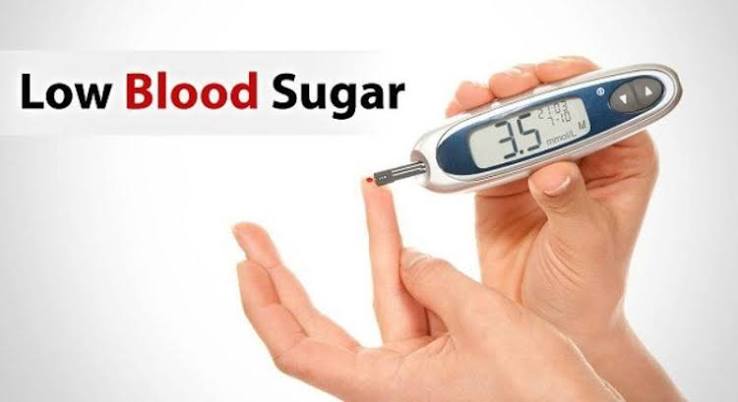
Understanding what causes low blood sugar (hypoglycemia) is essential for anyone using insulin or certain diabetes medications — because hypoglycemia is not just a number on a glucose meter but an acute physiological emergency that can impair judgment, cause loss of consciousness, and if severe and untreated, lead to serious harm. Low blood sugar is defined as a blood glucose level below 70 mg/dL by most clinical guidelines, though symptoms can begin above 70 mg/dL in some individuals and may be absent until well below 70 mg/dL in people with hypoglycemia unawareness (a condition discussed later in this guide). The causes of low blood sugar fall into clear categories — too much insulin or insulin-stimulating medication, insufficient carbohydrate intake relative to medication, alcohol consumption, prolonged exercise, and counter-regulatory hormone impairment — and identifying which cause applies in any given episode is the key to preventing recurrence. For the reference ranges that define what counts as low blood sugar and how different severity levels are classified, see our guide to normal blood sugar ranges. For the broader context of blood sugar regulation and how the body normally prevents glucose from falling too low, see how the body controls blood sugar.
The Physiology of Low Blood Sugar: Why the Body Normally Prevents It
Understanding why the body normally prevents blood sugar from falling dangerously low — and which specific failures of this prevention system lead to hypoglycemia — provides the foundation for understanding the individual causes of low blood sugar. The brain has an absolute dependence on glucose as its primary fuel: unlike muscle cells that can switch to fatty acid oxidation during fasting, the brain cannot effectively use fatty acids and must receive a continuous supply of glucose from the bloodstream to function. This requirement means that evolution has built powerful protective mechanisms against falling blood sugar, and hypoglycemia in a healthy person without diabetes is actually quite rare because these protective mechanisms are highly effective. The protection system operates in a counter-regulatory cascade: when blood glucose begins to fall below normal, the first response (at approximately 80 mg/dL) is suppression of insulin secretion from the pancreatic beta cells. If glucose continues to fall below approximately 70 mg/dL, the alpha cells of the pancreas release glucagon, which signals the liver to break down stored glycogen and release glucose into the bloodstream. If glucose continues to fall below approximately 65 mg/dL, the adrenal glands release epinephrine (adrenaline), which both stimulates hepatic glucose production and produces the well-known symptoms of hypoglycemia — sweating, shakiness, rapid heartbeat, anxiety — that serve as warning signals for the person to eat. Cortisol and growth hormone also provide later-onset protection. In people with diabetes who take insulin or insulin-stimulating medications, these protective mechanisms are often impaired: insulin levels cannot be suppressed (because injected insulin continues acting regardless of glucose level), glucagon secretion may be deficient (a common finding after years of diabetes), and repeated hypoglycemia episodes impair the epinephrine response, leading to hypoglycemia unawareness. Understanding the components of this protective cascade that are impaired in any given person with diabetes is key to understanding why they experience hypoglycemia and what can be done to reduce its frequency. Our guide on insulin resistance provides relevant context on how the beta-cell and counter-regulatory response to insulin change over the course of diabetes progression.
Insulin and Insulin-Stimulating Medications
Insulin is the most common cause of hypoglycemia in people with diabetes, and the relationship between insulin and blood sugar lowering is both direct and dose-dependent — more insulin drives more glucose clearance, and if the insulin dose is too high relative to the glucose available (from either food or endogenous production), blood sugar falls to hypoglycemic levels. Understanding the specific ways in which insulin use leads to hypoglycemia helps identify both the most common error patterns and the strategies that prevent them. The primary insulin-related causes of hypoglycemia include:
- Too high a dose: Bolus insulin (rapid-acting insulin taken with meals) that is too high for the carbohydrate content of the meal consumed, or basal insulin (long-acting background insulin) that is too high for a person’s overnight fasting needs. Dose miscalculations — particularly when carbohydrate counting is inaccurate — are a leading cause of post-meal hypoglycemia in insulin users.
- Timing mismatch between insulin and eating: Rapid-acting insulin injected significantly before a meal can cause hypoglycemia if the meal is delayed, smaller than expected, or skipped entirely. For someone who injects insulin fifteen minutes before eating and then finds the meal delayed by forty-five minutes, the rapid-acting insulin may be producing its peak glucose-lowering effect before any significant food-derived glucose has entered the bloodstream.
- Injection site absorption variability: Insulin injected into muscle (accidental intramuscular injection rather than subcutaneous) is absorbed much more rapidly than intended, producing an unexpectedly rapid and strong glucose-lowering effect. Lipohypertrophy (thickened scar tissue at frequently used injection sites) can slow absorption unpredictably, while highly vascular or warm injection sites (after exercise or a hot shower) can accelerate it.
- Insulin-stimulating oral medications: Sulfonylureas (glipizide, glyburide, glimepiride) and meglitinides (repaglinide, nateglinide) work by stimulating insulin secretion from the pancreas, and they carry significant hypoglycemia risk because they cause insulin release independent of blood glucose level — the insulin stimulus continues even when glucose is normal or falling. This is why sulfonylureas cause hypoglycemia much more frequently than newer medication classes (metformin, SGLT-2 inhibitors, DPP-4 inhibitors, GLP-1 agonists) that lower glucose through mechanisms that are glucose-dependent and therefore switch off as glucose normalizes.
For anyone using insulin who is experiencing recurrent hypoglycemia, systematic review of insulin doses, meal timing and composition, injection technique, and injection site rotation — ideally with a diabetes care and education specialist — is more effective than simply eating more carbohydrates to compensate for excessive insulin doses. The goal is a matched insulin dose, not chronically over-eating to compensate for too much insulin. Tracking these patterns in a blood sugar log is essential for identifying the specific pattern of hypoglycemia and communicating it effectively to a care team. The frequency and severity of checking for hypoglycemia is covered in our guide on how often blood sugar should be checked.
- Too much insulin or insulin-stimulating medication — dose too high, timing error, or injection site issue
- Skipping or delaying meals — particularly after taking rapid-acting insulin or a sulfonylurea
- Prolonged or intense exercise — muscle glucose uptake during and after exercise can persist for 12–24 hours
- Alcohol consumption — blocks hepatic glucose release, particularly dangerous when combined with insulin or sulfonylureas
- Insulin stacking — taking correction doses too close together, overlapping insulin action
- Unplanned reduction in carbohydrate intake — eating far less carbohydrate than the medication dose was planned for
- Kidney disease progression — reduced kidney clearance of insulin extends insulin action duration
- Weight loss without medication adjustment — improved insulin sensitivity can cause previously appropriate doses to become excessive
Skipping Meals and Insufficient Carbohydrate Intake
For people taking insulin or sulfonylurea medications, the relationship between food intake and blood sugar is not merely about eating “less sugar” — it is about maintaining a minimum carbohydrate intake that matches the glucose-lowering effect of their medication. If a dose of rapid-acting insulin is taken in anticipation of a meal and the meal is then skipped, delayed significantly, or eaten in much smaller quantity than expected, the insulin will lower blood sugar more than the available food-derived glucose can counteract, producing hypoglycemia. This is the most common non-exercise cause of meal-time hypoglycemia in insulin users and is entirely preventable through consistent meal timing and carbohydrate intake — or through the use of modern rapid-acting insulin analogs that allow injection after eating rather than before, providing flexibility when meal size is uncertain. For people on sulfonylureas, the risk is different but similarly meal-related: sulfonylureas stimulate continuous insulin secretion regardless of meal status, so meals that are skipped or significantly smaller than usual can still produce hypoglycemia because insulin secretion continues even without food to match it. Intermittent fasting approaches — which have become popular for general health and weight management — can create significant hypoglycemia risk for people on insulin or sulfonylureas, because the medication doses appropriate for regular eating become excessive during planned fasting periods. Anyone on insulin or a sulfonylurea who is interested in intermittent fasting should discuss specific medication adjustment strategies with their care team before attempting any fasting protocol. For those managing A1C through dietary changes, our guide on A1C vs blood glucose provides the context for understanding how dietary changes affect long-term glucose averages in relation to acute hypoglycemia risk.
Exercise-Induced Low Blood Sugar
Exercise is one of the most powerful tools for improving blood sugar management in diabetes, but it can also cause significant hypoglycemia in people using insulin or insulin-stimulating medications — particularly during prolonged aerobic exercise. The mechanism has two components: during aerobic exercise, skeletal muscle increases its glucose uptake dramatically through both insulin-dependent and insulin-independent pathways (AMPK-mediated GLUT4 translocation), drawing glucose from the blood at a substantially higher rate than at rest. Simultaneously, if circulating insulin levels are elevated (as they typically are in insulin-using people who exercised within hours of their last bolus dose), the normal counter-regulatory suppression of insulin by falling glucose cannot occur because injected insulin continues acting regardless of glucose level. The combination of elevated glucose uptake and inability to suppress insulin creates the conditions for hypoglycemia during prolonged exercise. After exercise, glucose uptake in muscle remains elevated for six to twelve hours (or longer after very prolonged exercise) as glycogen stores are replenished — this is the cause of delayed post-exercise hypoglycemia, which often occurs overnight after an afternoon or evening exercise session and can be severe in insulin-using individuals because it occurs during sleep when symptoms cannot be recognized.
Prevention strategies for exercise-induced hypoglycemia include reducing basal or bolus insulin doses on exercise days (specific reductions depend on exercise type, intensity, duration, and individual response and should be developed with a diabetes specialist), increasing carbohydrate intake before, during, and after prolonged exercise, adjusting medication timing to minimize circulating insulin during the exercise period, and setting a higher-than-usual glucose target before the exercise begins (targeting glucose of approximately 130–150 mg/dL before starting prolonged exercise provides a buffer against exercise-related decline). Continuous glucose monitoring — particularly systems with predictive alarms that alert to rapidly falling glucose — is valuable for managing exercise-related hypoglycemia safely and allowing more active exercise participation. Our guide on continuous glucose monitoring: a beginner’s guide explains how CGM systems work and why their glucose trend arrows and rate-of-change data are particularly useful during exercise when glucose is changing rapidly.
Alcohol as a Cause of Low Blood Sugar
Alcohol is a particularly important and often underappreciated cause of hypoglycemia in people with diabetes who use insulin or sulfonylureas, because its glucose-lowering mechanism is indirect and delayed — and because the symptoms of alcohol intoxication can closely mimic the symptoms of hypoglycemia, making the condition difficult to recognize and treat promptly. Understanding exactly how alcohol causes low blood sugar explains both why it is dangerous and how the risk can be managed without requiring complete alcohol avoidance. The liver plays a critical role in preventing blood glucose from falling too low: when blood glucose begins to drop, the liver responds by breaking down stored glycogen (glycogenolysis) and by synthesizing new glucose from non-carbohydrate precursors (gluconeogenesis), releasing glucose into the blood to restore normal levels. Both of these hepatic processes require active liver metabolism. Alcohol, when consumed, is processed preferentially by the liver — the liver prioritizes clearing alcohol from the blood over maintaining hepatic glucose output. During alcohol metabolism, the liver’s gluconeogenesis pathway is directly inhibited by the NADH produced during ethanol oxidation, which shifts the liver’s metabolic capacity away from glucose synthesis. The result is that while alcohol is being metabolized, the liver’s protective glucose-releasing response to falling blood sugar is impaired or absent. In a person taking insulin or a sulfonylurea, who cannot suppress their medication-driven glucose lowering, the removal of this hepatic safety net creates the conditions for significant and prolonged hypoglycemia — particularly if the drinking occurred without adequate food, if the person drank a large amount, or if they are physically active (dancing, walking) during or after drinking. The onset of alcohol-induced hypoglycemia is typically delayed by two to eight hours after the drinking episode, meaning it often occurs overnight or in the early morning hours rather than during active drinking — when the person is asleep and unable to recognize or respond to hypoglycemia symptoms. The practical management strategies for people who choose to drink alcohol include always eating a substantial meal with or before drinking (carbohydrate intake blunts the hypoglycemia risk), checking glucose before bed and having a carbohydrate-containing snack if glucose is below 120–130 mg/dL, setting a glucose alarm on a CGM for the overnight period, and informing companions that glucose testing supplies and treatment should be available in case of hypoglycemia. People using insulin pumps or CGM systems have additional options for managing alcohol-related hypoglycemia risk that should be discussed with their diabetes care team. The relationship between hypoglycemia and the management of diabetes overall — including how alcohol fits into the broader picture of blood sugar management — is covered in our comprehensive guide on what is blood sugar.
Kidney Disease and Medication-Related Causes of Low Blood Sugar
As diabetes progresses and diabetic nephropathy (kidney disease) develops, the risk of hypoglycemia increases for two distinct reasons. First, the kidneys normally clear insulin from the circulation — as kidney function declines, insulin is cleared more slowly, extending its duration of action and making its glucose-lowering effect stronger and longer-lasting than intended. A dose of insulin that was appropriate when kidney function was normal may become excessively potent as GFR declines, producing hypoglycemia without any change in dose or timing. This is a common and serious issue in people with advanced chronic kidney disease (CKD stage 3 and above) and is a major reason why insulin doses typically need to be progressively reduced as kidney disease advances. Second, the kidneys contribute to gluconeogenesis (roughly ten to fifteen percent of the body’s glucose production comes from the kidney during fasting), and progressive kidney disease reduces this contribution. For people with advanced CKD who also have reduced food intake (a common accompaniment of kidney disease), the combination of slower insulin clearance, reduced renal glucose contribution, and decreased dietary intake creates a substantially elevated hypoglycemia risk compared to the same person at the same diabetes stage without kidney disease. Regular kidney function monitoring — through GFR estimation and urine albumin testing — is a standard part of diabetes care in part because the results directly inform medication dosing decisions, particularly for insulin and for renally-cleared oral medications like metformin (which is dose-adjusted or stopped based on kidney function) and certain sulfonylureas. For anyone whose glucose patterns have changed significantly without obvious dietary or behavioral explanation, checking for changes in kidney function is an important diagnostic step. Our guide on why blood sugar matters for long-term health covers the mechanisms through which diabetes causes kidney damage and why maintaining glucose control is one of the most effective strategies for slowing diabetic nephropathy progression.
Hypoglycemia Unawareness: When Low Blood Sugar Goes Unrecognized
Hypoglycemia unawareness is a condition in which a person with diabetes loses the ability to recognize the warning symptoms of low blood sugar — the shakiness, sweating, rapid heartbeat, and anxiety that are produced by epinephrine release when glucose falls below approximately 65 mg/dL. In hypoglycemia unawareness, glucose can fall to severely low levels (below 50 mg/dL, or in some cases even below 40 mg/dL) without producing any recognizable warning symptoms, making the condition profoundly dangerous because the person cannot take action to treat the hypoglycemia before it progresses to severe impairment of consciousness or seizure. Hypoglycemia unawareness develops through a process called hypoglycemia-associated autonomic failure (HAAF): repeated episodes of mild-to-moderate hypoglycemia progressively reduce the blood glucose threshold at which the epinephrine response is triggered. With each additional hypoglycemia episode, the brain adapts to lower glucose levels, reducing the sensitivity of the counter-regulatory response — the next episode of the same glucose level triggers less epinephrine release, and the cycle of adaptation continues. Over time, the epinephrine response that once triggered at 65 mg/dL may not trigger until glucose falls below 50 or even 40 mg/dL, or may not trigger effectively at all. The treatment for hypoglycemia unawareness is rigorous avoidance of hypoglycemia for two to four weeks — a period that allows the counter-regulatory system’s threshold sensitivity to partially restore to normal glucose levels. This requires careful medication adjustment, more frequent glucose monitoring (often CGM-based with low-glucose alarms), and temporary acceptance of somewhat higher glucose targets during the recovery period. For people with established hypoglycemia unawareness, CGM is not merely convenient but clinically essential: CGM systems provide continuous glucose data and can alert — through audible or vibratory alarms — to falling glucose even when the person cannot feel it themselves. Our guide on continuous glucose monitoring explains how these alarm features work and why they are particularly important for people with hypoglycemia unawareness. Recognizing the signs that blood sugar symptoms need medical attention — and understanding when to call for emergency help — is especially important for family members and companions of people with hypoglycemia unawareness, who may need to provide treatment or summon assistance if the person cannot do so themselves. Using a structured home blood sugar monitoring guide helps establish the consistent measurement pattern needed to detect hypoglycemia episodes early and identify their causes before unawareness develops. And tracking glucose data in a blood sugar log with notes about timing, activities, meals, and medication provides the information needed to work with a care team on reducing hypoglycemia frequency through systematic medication and lifestyle adjustments — the proven path to both treating hypoglycemia unawareness and preventing its development in people with established diabetes who are not yet affected. Understanding what causes low blood sugar, recognizing the patterns that produce recurring episodes, and working systematically to address the underlying causes through medication adjustment, dietary timing, exercise management, and alcohol awareness is the foundation of safe, effective diabetes management for anyone whose treatment regimen carries hypoglycemia risk.
Sources: American Diabetes Association. Standards of Medical Care in Diabetes — 2024. Diabetes Care. 2024;47(Suppl 1):S20–S42. • Cryer PE. Hypoglycemia in Diabetes: Pathophysiological Mechanisms, Incidence, and Prevention. Diabetes. 2009;58(12):2733–2741. • Colberg SR, et al. Physical Activity/Exercise and Diabetes: A Position Statement of the American Diabetes Association. Diabetes Care. 2016;39(11):2065–2079.
Finally a resource that explains what causes low blood sugar? in plain language. It is refreshing to see an article that acknowledges individual variation rather than one-size-fits-all advice. Keep up this kind of thorough health journalism — it genuinely helps patients like me.
This breakdown of what causes low blood sugar? is exactly what patients need before a specialist appointment. The practical tips made this immediately actionable, not just theoretical. Forwarding this to others in my support group who are dealing with similar issues.
This is one of the clearest explanations of what causes low blood sugar? I have found. The article answered questions I didn’t even know I had until I started reading. I wish I had found this article earlier — would have saved a lot of confusion.