
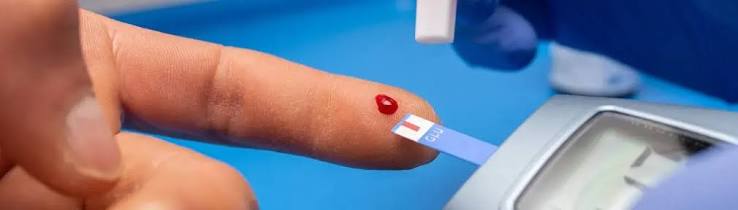
Hyperglycemia: Symptoms, Causes, and Prevention
Hyperglycemia — the medical term for high blood sugar — is the defining metabolic abnormality in diabetes and the primary driver of both acute complications and the long-term organ damage that makes diabetes one of the leading causes of blindness, kidney failure, and cardiovascular disease worldwide. Understanding hyperglycemia symptoms, causes, and prevention equips people with diabetes and those at risk with the knowledge to recognize high blood sugar early, identify its specific triggers, and take targeted action before it causes harm. This guide covers what hyperglycemia is, how to recognize its symptoms at different severity levels, what causes it in the context of both established diabetes and pre-diabetic states, and how to prevent it through an integrated approach addressing diet, activity, medication, and monitoring. For the numerical reference ranges that define hyperglycemia, see our blood sugar chart for adults. For the broader physiological framework of how the body normally regulates blood sugar, see how the body controls blood sugar.
What Is Hyperglycemia? Definition and Diagnostic Thresholds
Hyperglycemia is defined as blood glucose above normal thresholds, though the specific threshold used depends on the clinical context and the time of measurement. In clinical practice, the most commonly used thresholds are: fasting blood glucose above 130 mg/dL (in people with established diabetes; the threshold for diagnosing prediabetes is 100–125 mg/dL and diabetes is at or above 126 mg/dL), and post-meal blood glucose above 180 mg/dL two hours after eating. These thresholds align with the American Diabetes Association’s guidelines for what constitutes blood glucose above target in people with diabetes. It is important to recognize that hyperglycemia exists on a spectrum: mildly elevated glucose (130–180 mg/dL fasting) is metabolically different from significantly elevated glucose (250–350 mg/dL), which is different again from severely elevated glucose (above 400 mg/dL) that carries risk of acute diabetic emergencies. Our guide on what is normal blood sugar provides the complete reference framework for interpreting glucose readings across the full spectrum from normal through prediabetes into diabetes, and our guide on fasting blood sugar explained covers the specific thresholds and their clinical significance in the fasting context. Hyperglycemia can be asymptomatic — particularly at lower elevations (130–180 mg/dL) — or can produce progressively more severe symptoms as glucose rises, and can progress to acute life-threatening emergencies (diabetic ketoacidosis and hyperosmolar hyperglycemic state) if severely elevated and untreated.
Hyperglycemia Symptoms: From Early to Severe
The symptoms of hyperglycemia reflect both the direct chemical effects of excess glucose on the body and the body’s physiological responses to it. Recognizing these symptoms — particularly the early ones, which are easy to dismiss as minor discomforts — is essential for prompt treatment before hyperglycemia becomes more severe.
Early hyperglycemia symptoms (glucose approximately 180–250 mg/dL): The earliest and most classic symptoms of elevated blood glucose arise from the osmotic effects of excess glucose drawing water from cells into the bloodstream. Glucose above the renal threshold (approximately 180 mg/dL) spills into the urine, taking water with it — producing frequent urination as the kidneys attempt to clear the excess glucose. The fluid loss and the high osmolarity of glucose-rich blood then stimulate thirst — the excessive thirst that is one of the most recognized symptoms of diabetes. Despite glucose in the blood, cells may be underutilizing it due to insufficient insulin, producing cellular energy deficits that manifest as fatigue and increased hunger. Glucose in the aqueous humor of the eye changes its osmolarity, causing the lens to swell slightly — producing the blurry vision that many people experience during periods of elevated blood sugar. Dry mouth reflects both the dehydrating effect of osmotic diuresis and direct effects of glucose on salivary flow.
More advanced hyperglycemia symptoms (glucose approximately 250–350 mg/dL): As glucose rises further, symptoms become more pronounced and additional findings emerge. Slow wound healing reflects the impairment of immune function and microvascular circulation at elevated glucose levels — the cells responsible for infection fighting and tissue repair function poorly in a high-glucose environment. Recurrent infections — particularly skin infections, urinary tract infections, and vaginal yeast infections — reflect the same impaired immune function combined with the glucose-rich environment that promotes microbial growth. Headaches and difficulty concentrating may emerge as cognitive effects of sustained hyperglycemia become apparent. At this glucose level, the urgency for treatment increases significantly.
Severe hyperglycemia symptoms (glucose above 300–400 mg/dL): Glucose at this level produces severe dehydration, profound fatigue, confusion, and in Type 1 diabetes and insulin-deficient Type 2 diabetes, the symptoms of diabetic ketoacidosis — nausea, vomiting, abdominal pain, and fruity-smelling breath from exhaled acetone. In Type 2 diabetes, extremely high glucose (often above 600 mg/dL) can produce hyperosmolar hyperglycemic state — extreme dehydration, neurological symptoms including confusion and seizures, and risk of cardiovascular collapse. Both DKA and HHS are medical emergencies requiring immediate hospitalization. Our guide on when blood sugar symptoms need medical attention provides the specific criteria for when to call emergency services versus a healthcare provider, covering both DKA and HHS warning signs in practical detail.
- Mild (180–250 mg/dL): Excessive thirst, frequent urination, fatigue, blurred vision, dry mouth, increased hunger
- Moderate (250–350 mg/dL): All of above plus slow wound healing, recurrent infections, headache, difficulty concentrating
- Severe (350–600+ mg/dL): Nausea/vomiting, abdominal pain, fruity breath (Type 1/DKA), extreme confusion, altered consciousness (HHS) — SEEK EMERGENCY CARE IMMEDIATELY
- Asymptomatic: Many people feel nothing at 130–180 mg/dL — regular monitoring is the only reliable detection method
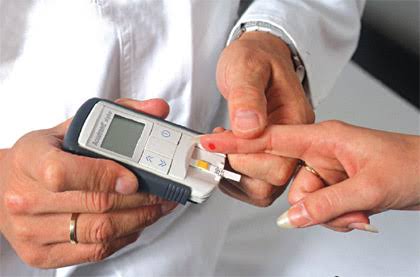
Causes of Hyperglycemia
Hyperglycemia in people with diabetes or prediabetes arises from an imbalance between the glucose entering the bloodstream and the body’s ability to clear it through insulin action. The full range of causes — dietary, behavioral, pharmacological, and physiological — is covered in depth in our companion guide on what causes high blood sugar. In the context of this prevention-focused guide, the most clinically important causes to understand are those that can be targeted by specific prevention strategies:
- Dietary carbohydrate intake: Refined carbohydrates and sugary foods produce rapid post-meal glucose spikes. Portion size, food quality, and meal timing all affect the magnitude of post-meal hyperglycemia. Understanding blood sugar after meals helps clarify which dietary choices most significantly affect post-meal glucose levels.
- Insufficient or missed medication: Missed insulin doses or oral medication doses remove the pharmacological glucose control that the body’s own insulin system cannot provide adequately. Even a single missed basal insulin dose can produce 24–36 hours of elevated glucose.
- Insulin resistance: The progressive decline in insulin sensitivity that is central to Type 2 diabetes progression means that the same medication dose becomes progressively less effective over time without lifestyle and medication adjustments. Our guide on what is insulin resistance covers the mechanisms driving this progression and the lifestyle factors that can slow it.
- Stress, illness, and infection: Counter-regulatory hormones released during physical or psychological stress raise glucose through hepatic glucose production and insulin resistance, independent of dietary intake.
- Physical inactivity: Reduced physical activity decreases muscle glucose uptake capacity and worsens insulin resistance, producing higher glucose throughout the day and night compared to more active periods.
- Certain medications: Corticosteroids, atypical antipsychotics, and other medications can significantly elevate glucose through direct effects on insulin sensitivity and insulin secretion.
Preventing Hyperglycemia: An Integrated Approach
Effective hyperglycemia prevention combines dietary management, regular physical activity, consistent medication adherence, stress management, and structured glucose monitoring. No single intervention is sufficient in isolation — the combination of approaches that targets multiple causes simultaneously produces the best outcomes in real-world glucose management. The foundational prevention strategies include consistent meal composition and timing (favoring lower glycemic index carbohydrates, adequate protein, and fiber-rich vegetables that slow glucose absorption), regular aerobic exercise (which improves muscle insulin sensitivity and directly lowers post-meal glucose), consistent medication use at the same time each day, and regular glucose monitoring that allows early detection of emerging hyperglycemia before it becomes severe. For people with prediabetes — elevated glucose that has not yet reached the diabetes diagnostic threshold — aggressive lifestyle intervention reduces the risk of progression to Type 2 diabetes by approximately 58% in clinical trials, making prevention of hyperglycemia a genuinely achievable goal rather than merely a management target. Our guide on what is prediabetes covers the prediabetes threshold and the evidence for lifestyle intervention in reversing early glucose dysregulation. For established diabetes, the goal shifts from prevention of diabetes to prevention of hyperglycemia episodes and their consequences — and the tools of structured monitoring (covered in our home blood sugar monitoring guide), A1C tracking (covered in our A1C test guide), and understanding the relationship between daily glucose patterns and long-term outcomes (covered in our guide on why blood sugar matters for long-term health) provide the framework for effective prevention. Recognizing the early signs of high blood sugar and responding promptly — with correction doses, dietary adjustments, and increased monitoring — is the key practical skill that translates knowledge of hyperglycemia into better glucose outcomes.
Hyperglycemia and Long-Term Complications: Why Prevention Matters
The urgency of preventing hyperglycemia comes not only from the acute risks of DKA and HHS at severely elevated glucose levels, but from the cumulative tissue damage that occurs at even moderately elevated glucose levels over months and years. The pathophysiology of hyperglycemia-induced organ damage has been extensively studied and involves four principal mechanisms that are activated by intracellular glucose excess in vulnerable cell types — primarily endothelial cells, pericytes, mesangial cells, and neurons, which cannot restrict glucose uptake in proportion to blood glucose concentration and therefore accumulate excess intracellular glucose when blood glucose is elevated. The four mechanisms — the polyol pathway (sorbitol accumulation causing osmotic and oxidative cellular damage), advanced glycation end products (AGEs, formed when glucose reacts with proteins and lipids, stiffening blood vessel walls and activating inflammatory receptors), protein kinase C activation (impairing nitric oxide production and promoting vascular inflammation), and the hexosamine pathway (producing insulin resistance and inflammatory signaling) — all converge on a common final outcome: increased oxidative stress, inflammation, and vascular dysfunction in the tissues most exposed to elevated glucose. In the kidney, this produces diabetic nephropathy — progressive glomerular damage that can lead to kidney failure requiring dialysis or transplantation. In the retina, it produces diabetic retinopathy — the leading cause of blindness in working-age adults in the developed world. In peripheral nerves, it produces diabetic peripheral neuropathy — the tingling, numbness, and pain in the feet and legs that affects more than half of people with long-standing diabetes. In large blood vessels, elevated glucose and the associated insulin resistance and dyslipidemia accelerate atherosclerosis — producing dramatically elevated rates of cardiovascular disease, stroke, and peripheral arterial disease. These long-term complications are directly related to the cumulative burden of hyperglycemia over time, which is why A1C — which reflects average glucose over the preceding three months — is such an important clinical measure. The landmark DCCT and UKPDS trials demonstrated definitively that reducing A1C through tighter glucose control substantially reduces the risk of microvascular complications (nephropathy, retinopathy, neuropathy), and subsequent studies have confirmed macrovascular benefits at longer time horizons. This is the clinical basis for the imperative to prevent hyperglycemia: every period of elevated glucose is adding to a cumulative damage burden that manifests as complications years or decades later. Our guide on why blood sugar matters for long-term health provides the complete evidence-based context for understanding why this prevention effort is one of the most important health investments a person with diabetes can make.
Monitoring for Hyperglycemia: Building a Detection System
The most important practical limitation in managing hyperglycemia is that it is often asymptomatic at glucose levels that are still causing ongoing tissue damage — particularly in the 130–200 mg/dL range that represents chronically above-target but not dramatically elevated glucose. A person who feels fine at a consistent fasting glucose of 170 mg/dL may not recognize that this level is silently contributing to kidney and retinal damage; the absence of acute symptoms can create a false sense that glucose management is adequate. Structured glucose monitoring — whether through self-monitoring of blood glucose (SMBG) with a meter or through continuous glucose monitoring (CGM) — is therefore not merely a compliance tool but the essential detection mechanism that makes it possible to identify, treat, and ultimately prevent hyperglycemia. The appropriate monitoring frequency and schedule depend on the individual’s diabetes type, treatment regimen, and clinical stability — covered in detail in our guide on how often blood sugar should be checked. For people using insulin, higher-frequency monitoring (before and after meals, at bedtime, and sometimes overnight) is typically needed. For people managed with oral medications or lifestyle alone, less frequent monitoring may be adequate while still providing sufficient detection of hyperglycemia trends. The A1C test provides the essential complement to day-to-day glucose monitoring by averaging glucose over the previous three months — identifying whether the overall glucose exposure has been in the target range even if individual glucose readings look acceptable. Combining regular daily monitoring with quarterly A1C testing creates the detection system needed to identify both acute hyperglycemia episodes (which daily monitoring catches) and chronic hyperglycemia trends (which A1C captures). For anyone who finds home glucose readings confusing or difficult to interpret, our home blood sugar monitoring guide provides the practical framework for obtaining accurate readings, interpreting results, and connecting what the meter shows to the dietary, medication, and behavioral factors that produced it. Our blood sugar log guide covers how to record these readings in a way that reveals patterns over time — converting a stream of individual data points into the pattern-level information that drives effective hyperglycemia prevention. For people interested in more comprehensive glucose data including overnight and post-meal patterns without finger-sticking, our guide on continuous glucose monitoring explains how CGM systems work, who benefits most from them, and how to use the data they generate. The combination of understanding hyperglycemia — its symptoms, causes, complications, and prevention strategies — with a robust monitoring and logging system that makes glucose data visible and interpretable is the foundation of effective hyperglycemia prevention in people with established diabetes. And for those who are still in the prediabetes stage — where hyperglycemia is developing but diabetes has not yet been diagnosed — the evidence that structured lifestyle intervention can prevent or significantly delay the transition to diabetes makes understanding hyperglycemia early an especially high-value investment in long-term health. Our guides on what is prediabetes and diabetes risk factors every adult should know provide the context for understanding who is at elevated risk and what specific interventions most effectively reduce that risk in the years before diabetes develops.
Hyperglycemia in People Without Diabetes: When Should Non-Diabetics Be Concerned?
While hyperglycemia is most commonly discussed in the context of established diabetes, it can also occur transiently in people without a diabetes diagnosis — and recognizing when non-diabetic hyperglycemia warrants medical evaluation is important for early detection of prediabetes and diabetes before complications begin. The most common situations in which people without established diabetes encounter hyperglycemia include: stress hyperglycemia during acute illness or hospitalization (blood glucose may rise significantly during serious illness or surgery even in people with no prior diabetes history, reflecting the same counter-regulatory hormone response that causes glucose spikes in people with known diabetes); gestational diabetes (high blood sugar that develops during pregnancy, typically identified through routine glucose screening in the second trimester, and which represents a significant risk factor for later development of Type 2 diabetes); and the early stages of prediabetes and Type 2 diabetes, which can be detected only through blood glucose testing because they are usually asymptomatic in their early course. The American Diabetes Association recommends routine diabetes screening for all adults aged 35 and over, for adults of any age who are overweight or obese, and for adults with additional risk factors (family history of Type 2 diabetes, hypertension, polycystic ovary syndrome, history of gestational diabetes, or belonging to certain ethnic groups with higher diabetes prevalence). Our guide on diabetes risk factors every adult should know covers the full spectrum of factors that increase Type 2 diabetes risk, and our guide on prediabetes symptoms and why testing matters explains why routine screening is the only reliable way to detect prediabetes before it has progressed — since prediabetes and early Type 2 diabetes rarely produce recognizable symptoms until glucose has been elevated for years.
When to Seek Medical Attention for Hyperglycemia
While mild hyperglycemia (glucose below 250 mg/dL without acute symptoms) can typically be managed at home through correction doses (for insulin users), increased water intake, light physical activity, and dietary adjustments, certain situations require prompt medical contact or emergency care. Seek emergency care immediately if blood glucose is above 400 mg/dL and not responding to correction within two hours; if glucose is above 300 mg/dL and accompanied by nausea, vomiting, or abdominal pain (possible DKA); if there is confusion, difficulty speaking, or altered consciousness at any glucose level (possible HHS, severe DKA, or concurrent stroke); or if glucose cannot be checked but there are severe hyperglycemia symptoms including extreme thirst, profuse urination, and progressive lethargy. Contact a healthcare provider the same day if glucose is above 250 mg/dL for more than two consecutive readings despite management, if hyperglycemia is accompanied by signs of infection (fever above 38.5°C, localizing pain or warmth, discharge), or if glucose has been consistently above target for more than one week without a clear explanation and without a plan for medication adjustment. The urgency framework for hyperglycemia is not simply about the glucose number but about the combination of glucose level, symptoms, trajectory (rising versus stable), and individual clinical context — a glucose of 300 mg/dL in a person with Type 2 diabetes who is alert, asymptomatic, and well hydrated is managed differently from the same glucose level in a person with Type 1 diabetes who is vomiting. For the complete clinical framework for evaluating when glucose readings and their associated symptoms require urgent attention, our guide on when blood sugar symptoms need medical attention provides the evidence-based decision framework. And for anyone working to bring persistently elevated blood sugar under better control through a combination of monitoring, dietary adjustment, and medical management — the full toolkit of blood sugar management knowledge is available across the Horizon Health Guide blood sugar series, starting with what is blood sugar and what is diabetes, progressing through testing and monitoring guides, and culminating in the practical prevention and management content in this guide and its companion pieces on specific hyperglycemia causes and patterns.
Sources: American Diabetes Association. Standards of Medical Care in Diabetes — 2024. Diabetes Care. 2024;47(Suppl 1):S20–S42. • Diabetes Prevention Program Research Group. Reduction in the Incidence of Type 2 Diabetes with Lifestyle Intervention or Metformin. N Engl J Med. 2002;346(6):393–403. • Brownlee M. Biochemistry and Molecular Cell Biology of Diabetic Complications. Nature. 2001;414:813–820.
Thank you for covering hyperglycemia: symptoms, causes, and prevention so thoroughly without being overly technical. The connection between lifestyle choices and long-term outcomes is explained clearly here. Exactly the kind of evidence-based information that is hard to find in one place.
I shared this article on hyperglycemia: symptoms, causes, and prevention with my doctor and they appreciated the level of detail. The article answered questions I didn’t even know I had until I started reading. Will definitely be coming back to this site for more health information.
This is one of the clearest explanations of hyperglycemia: symptoms, causes, and prevention I have found. The connection between lifestyle choices and long-term outcomes is explained clearly here. Will definitely be coming back to this site for more health information.