
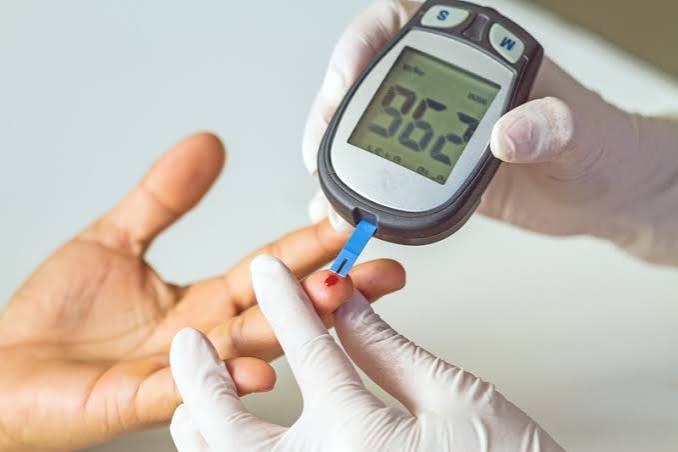
What Causes High Blood Sugar?
Understanding what causes high blood sugar is essential for anyone managing diabetes or at risk of developing it — because the same glucose reading of 200 mg/dL can arise from completely different triggers that require different responses. High blood sugar (hyperglycemia) is not simply the result of eating too much sugar; it arises from any imbalance between the glucose entering the bloodstream and the body’s ability to clear it through insulin action. Identifying the specific cause in any given situation allows for a targeted response rather than a generic one. This guide covers the full range of causes of high blood sugar — physiological, behavioral, medicinal, and situational — with the clinical context needed to understand why each one raises glucose and what can be done about it. For the reference ranges that define what counts as high blood sugar, see our blood sugar chart for adults. For the broader physiological context of how glucose is normally regulated, see our guide on how the body controls blood sugar.
The Three Physiological Mechanisms Behind High Blood Sugar
Regardless of the specific trigger, high blood sugar always results from one or more of three underlying physiological mechanisms. Understanding these mechanisms helps connect specific causes to their physiological basis and makes the range of causes easier to understand as a coherent system rather than an arbitrary list.
Mechanism 1 — Insufficient insulin: Insulin is the hormone that signals cells (primarily in muscle, liver, and fat tissue) to take up glucose from the bloodstream. When insufficient insulin is available — either because the pancreatic beta cells are not producing enough, or because an insulin-dependent person missed or under-dosed an injection — glucose accumulates in the blood because there is not enough hormonal signal to drive its uptake into cells. This is the primary mechanism in Type 1 diabetes (where beta cells have been destroyed by autoimmune attack and produce essentially no insulin) and a contributing mechanism in advanced Type 2 diabetes (where beta cell exhaustion has reduced insulin secretory capacity). Understanding what diabetes is at the physiological level clarifies why insufficient insulin is so central to the condition.
Mechanism 2 — Insulin resistance: When cells become resistant to insulin’s signal — requiring progressively larger amounts of insulin to achieve the same glucose uptake — the result is that even normal or elevated amounts of insulin are insufficient to clear glucose from the blood at a normal rate. This is the primary mechanism in Type 2 diabetes and prediabetes, and it is typically the earliest metabolic defect, appearing years before glucose levels rise enough to cross diagnostic thresholds. Our guide on what is insulin resistance covers this mechanism in detail, including what drives it and how it can be improved through lifestyle changes.
Mechanism 3 — Excessive hepatic glucose production: The liver stores glucose as glycogen and releases it between meals and overnight to maintain a continuous glucose supply for the brain and other organs. In people with diabetes and insulin resistance, the normal insulin suppression of this hepatic glucose release is impaired — the liver continues releasing glucose at inappropriately high rates even when blood glucose is already elevated, because the liver’s insulin sensitivity is reduced. This is a major driver of elevated fasting glucose in Type 2 diabetes and is the primary target of metformin, which works by reducing hepatic glucose output.
Dietary Causes of High Blood Sugar
Diet is the most immediately modifiable cause of post-meal high blood sugar, and for many people it is the most important factor in day-to-day glucose management. The dietary factors that raise blood sugar most significantly include:
High refined carbohydrate intake: Refined carbohydrates — white bread, white rice, pasta, crackers, sweetened cereals, and ultra-processed foods — are rapidly digested and absorbed, producing sharp, high glucose spikes after eating. The carbohydrate content of a meal is the primary determinant of the post-meal glucose rise; the more rapidly digestible the carbohydrate, the higher and faster the spike. Our guide on blood sugar after meals covers in detail how different foods affect post-meal glucose and what a normal versus elevated post-meal response looks like. And our guide on post-meal blood sugar explained provides the clinical reference ranges for interpreting post-meal readings across different clinical groups.
Sugary beverages: Liquid carbohydrates — sweetened sodas, fruit juice, energy drinks, sweetened coffee drinks — raise blood glucose more rapidly than equivalent carbohydrates in solid form because they require no digestion and are absorbed almost immediately. A 12-ounce regular soda containing 40 grams of sugar can raise blood glucose by 40–80 mg/dL within thirty minutes in a person with diabetes, depending on their current insulin action. The speed of this glucose rise makes sugary beverages particularly impactful on blood sugar management compared to solid foods with equivalent carbohydrate content.
Large meal portions: Even with the same foods, eating a larger portion — double the carbohydrate content of a meal — produces roughly double the glucose rise compared to a smaller portion. This dose-response relationship between carbohydrate quantity and glucose rise is consistent and predictable, making portion control one of the most effective and straightforward dietary levers for managing post-meal glucose. Our guide on morning blood sugar covers how the previous evening’s meal size and timing can affect next-morning fasting glucose — an important connection between dinner choices and the following morning’s reading.
Late-night eating: Consuming significant calories, particularly carbohydrates, in the two to three hours before sleep can elevate morning fasting glucose by extending the post-meal glucose period into the overnight hours. The liver’s glucose production is normally suppressed overnight by insulin, but a large evening meal that is still elevating glucose at midnight provides a high glucose baseline from which the dawn phenomenon (early-morning cortisol-driven glucose rise) then further elevates the fasting reading. Timing of meals relative to sleep is an underappreciated dietary factor in blood sugar management that does not require changing what is eaten — only when it is eaten.
- Missed insulin or medication: Single missed dose can raise glucose by 50–150+ mg/dL within hours
- Acute illness (infection, fever): Counter-regulatory hormone surge raises glucose even without eating
- Physical or emotional stress: Cortisol and adrenaline mobilize glucose; raises blood sugar 20–80 mg/dL in sensitive individuals
- Corticosteroid medications (prednisone, dexamethasone): Potent insulin resistance inducers; can raise glucose by 100+ mg/dL
- Insufficient physical activity: Exercise increases muscle glucose uptake; sedentary days produce higher glucose than active days
- Poor sleep: Sleep deprivation impairs insulin sensitivity within 24 hours; one bad night can raise next-day glucose
- Dehydration: Reduced blood volume concentrates glucose; glucose appears higher without actual glucose increase
- Dawn phenomenon: Natural early-morning cortisol surge raises glucose between 4–8 AM in many people with diabetes
Medication and Treatment-Related Causes
Several categories of medications can cause or worsen high blood sugar, sometimes dramatically. Healthcare providers managing diabetes need to be aware of these interactions, and people with diabetes should discuss any new medication with their care team to understand potential glucose effects.
Corticosteroids: Prednisone, dexamethasone, methylprednisolone, and other corticosteroids are powerful insulin resistance inducers. They primarily raise post-meal and afternoon/evening glucose (less effect on fasting glucose), can increase blood sugar by 100–200 mg/dL above baseline in people with diabetes, and can trigger diabetes-level glucose elevations in people who were previously prediabetic or had no glucose disorder. People with diabetes starting a corticosteroid course should expect significant glucose elevation and typically need temporary increases in medication — insulin adjustments are common. The glucose elevation typically resolves when the corticosteroid course ends, though the resolution may not be complete in people with advanced underlying diabetes.
Atypical antipsychotics: Second-generation antipsychotics (olanzapine, clozapine, quetiapine, and others) can cause significant insulin resistance and weight gain, substantially increasing diabetes risk and worsening glucose control in people with existing diabetes. The mechanism involves direct effects on insulin secretion and insulin sensitivity, and the effect may persist for weeks after medication initiation. Regular glucose monitoring is recommended for anyone starting these medications who has diabetes risk factors.
Missed or inadequate diabetes medication: For people using insulin, a missed injection — even a single missed basal dose — can produce significant glucose elevation within hours. For people using oral medications, missing doses consistently over days allows the underlying glucose dysregulation to emerge without pharmacological support. Medication adherence is one of the most common and correctable causes of elevated glucose in people with established diabetes, and it should always be assessed when glucose has worsened unexpectedly. Our guide on early signs of high blood sugar covers the symptoms that typically accompany glucose elevations and can serve as an alert that medication management needs attention. And for anyone experiencing symptoms that suggest glucose has become significantly elevated, our guide on when blood sugar symptoms need medical attention provides the framework for deciding how urgently to seek medical attention based on the combination of glucose level and symptom severity. Understanding the full range of what causes high blood sugar — from dietary choices to medication interactions to physiological stressors — transforms glucose management from reactive problem-solving into proactive pattern recognition. When a high reading appears in a blood sugar log, the question is not just “how do I bring this down?” but “what caused this, and what does that mean for what I should do differently?” The answer to that question — informed by the physiological and practical understanding of hyperglycemia causes in this guide — is what makes glucose management increasingly effective over time. For the comprehensive picture of how high blood sugar affects long-term health when causes are not identified and addressed, our guide on why blood sugar matters for long-term health provides the evidence-based context for understanding why identifying and managing the causes of hyperglycemia matters profoundly for the prevention of diabetes complications. And for the diagnostic context — understanding what glucose levels constitute high blood sugar at different times of day and in different clinical situations — our guides on fasting blood sugar explained and what is normal blood sugar provide the complete reference framework.
Stress and Emotional Triggers of High Blood Sugar
Physical and emotional stress are among the most overlooked causes of blood sugar elevation, particularly in people who are otherwise disciplined about diet and medication. When the body perceives stress — whether physical (injury, exercise, surgery) or psychological (anxiety, work pressure, relationship conflict, fear) — it activates the hypothalamic-pituitary-adrenal (HPA) axis and the sympathetic nervous system simultaneously. This activation triggers the release of two primary counter-regulatory hormones: cortisol from the adrenal glands and epinephrine (adrenaline) from both the adrenal medulla and sympathetic nerve terminals. Both cortisol and epinephrine are designed by evolution to prepare the body for immediate physical action — the “fight or flight” response — and both do this in part by rapidly raising blood glucose to provide fuel for muscular effort. Cortisol achieves this primarily by increasing hepatic glucose production and reducing peripheral insulin sensitivity; epinephrine achieves it more acutely by directly stimulating glycogenolysis (breakdown of liver glycogen stores into glucose). In a person without diabetes, the glucose-raising effect of stress is countered within minutes by a matched increase in insulin secretion, so blood glucose rises only transiently and returns to normal quickly. In a person with diabetes — where insulin secretion is impaired, delayed, or absent — or with insulin resistance — where the insulin response is blunted — the counter-regulatory glucose elevation persists, producing meaningfully elevated blood sugar that can last for hours after the stressful event. This is why people with well-controlled diabetes can suddenly see unexplained high readings on days of significant stress, even without any dietary deviation. For people who find that emotional stress consistently produces glucose spikes, stress management interventions (regular physical activity, sleep optimization, mindfulness-based practices, social support) are not merely lifestyle advice but clinically relevant components of glucose management. The relationship between fatigue and blood sugar problems further illustrates how the stress-cortisol-glucose axis operates across different physiological states, since chronic fatigue and chronic stress share many of the same cortisol-driven mechanisms.
Illness, Infection, and High Blood Sugar
Acute illness — particularly infections, fevers, and inflammatory conditions — is one of the most potent triggers of blood sugar elevation in people with diabetes and a major cause of diabetic ketoacidosis (DKA) and hyperosmolar hyperglycemic state (HHS) in vulnerable individuals. The mechanism is the same counter-regulatory hormone response described in the stress section above — infection and inflammation are major physiological stressors that activate cortisol and epinephrine release — but the magnitude can be substantially greater during serious illness than during psychological stress. A significant infection such as pneumonia or urinary tract infection can raise blood glucose by 100–200 mg/dL above a person’s typical baseline even without any change in food intake, and can dramatically increase insulin requirements in insulin users. The glucose elevation persists as long as the illness continues and typically resolves as the illness resolves — but the resolution may lag behind the clinical recovery by one to several days as counter-regulatory hormone levels normalize. People with diabetes managing acute illness should check blood glucose more frequently than usual — at minimum every two to four hours during the acute phase of a significant illness — eat consistently if possible (small amounts of carbohydrate at regular intervals to prevent hypoglycemia while maintaining energy intake), stay well hydrated, and follow established sick-day management rules provided by their care team. The early signs of illness-driven glucose elevation — excessive thirst and frequent urination that exceeds normal patterns — are important signals to begin more frequent monitoring and to contact a healthcare provider if glucose remains consistently above 300 mg/dL or if symptoms of DKA (nausea, vomiting, abdominal pain, breath that smells fruity) develop.
Physical Inactivity as a Cause of High Blood Sugar
Physical activity is one of the most powerful non-pharmacological mechanisms for lowering blood glucose, and its absence — physical inactivity — is correspondingly a significant and underappreciated contributor to elevated blood sugar. Exercise increases glucose uptake in skeletal muscle through both insulin-dependent and insulin-independent pathways: during exercise, muscle contractions activate GLUT4 glucose transporter translocation to the cell surface through an AMP-kinase dependent mechanism that does not require insulin, allowing glucose uptake to proceed even in states of significant insulin deficiency. This means that physical activity lowers glucose through a mechanism that partially bypasses insulin resistance — making it effective even in people whose cells respond poorly to insulin. After exercise, muscle insulin sensitivity remains elevated for six to twenty-four hours, depending on the intensity and duration of the exercise, meaning that regular physical activity provides an extended period of improved glucose clearance that extends well beyond the exercise session itself. Conversely, sedentary periods — long stretches of sitting without movement, bed rest during illness, or chronically low activity levels — reverse these benefits, reducing muscle insulin sensitivity, decreasing the muscle mass available for glucose disposal, and worsening the insulin resistance that is central to Type 2 diabetes progression. Studies of people with established Type 2 diabetes have consistently shown that reducing sitting time through light physical breaks — even brief two-minute walks every thirty minutes of sitting — produces meaningful reductions in post-meal glucose compared to continuous uninterrupted sitting. For people who are primarily sedentary and whose blood sugar management is suboptimal, increasing physical activity — starting with walking after meals, which specifically targets post-meal glucose peaks — can produce glucose improvements comparable to adding a low-dose oral medication. Understanding how activity affects glucose also informs how to interpret tracking data in a blood sugar log: consistently higher glucose on weekends versus weekdays (or vice versa) often reflects differences in activity level rather than dietary patterns, and recognizing this connection allows for targeted behavioral adjustments.
Sleep Deprivation and High Blood Sugar
The connection between sleep and blood sugar is more direct and more clinically significant than most people with diabetes are taught, and poor sleep is a genuinely important but frequently overlooked cause of elevated glucose. Laboratory studies of sleep restriction in healthy adults — reducing sleep from the typical eight hours to five to six hours per night — consistently show measurable impairment in insulin sensitivity, equivalent to the early stages of insulin resistance, within one to three nights of restricted sleep. The mechanism involves multiple pathways: sleep deprivation elevates cortisol levels, particularly in the early morning hours, increasing hepatic glucose production and reducing peripheral insulin sensitivity; it also increases concentrations of counter-regulatory growth hormone released in episodic pulses during deep sleep, which when sleep is disrupted may be released at inappropriate times in a glucose-raising pattern; it dysregulates appetite hormones (ghrelin and leptin) in ways that increase hunger for high-carbohydrate foods, indirectly affecting dietary glucose intake; and it directly impairs the beta cell insulin secretion response in sleep-restricted individuals. For people with diabetes who are struggling to meet glucose targets despite consistent medication and dietary adherence, asking about sleep quality and quantity is a clinically important diagnostic step. Sleep apnea — a condition that causes repetitive nocturnal hypoxia and arousals — is strongly associated with insulin resistance and poor glucose control in Type 2 diabetes, and treating sleep apnea with CPAP has been shown to improve insulin sensitivity and in some studies to modestly lower A1C. The connection between sleep and early-morning blood sugar is particularly direct through the dawn phenomenon and cortisol patterns, which is covered in depth in our guide on morning blood sugar: what it means.
Dehydration and High Blood Sugar
Dehydration causes blood glucose readings to appear elevated through a relatively straightforward concentration effect: when the body is dehydrated, blood volume decreases, and the same amount of glucose is now dissolved in a smaller volume of blood — producing a higher concentration even though the total amount of glucose in circulation has not changed. In practical terms, mild to moderate dehydration (losing approximately two to three percent of body weight in fluid) can raise blood glucose readings by ten to thirty mg/dL above the actual physiological glucose concentration, simply through concentration rather than any change in glucose metabolism. Additionally, dehydration activates the renin-angiotensin-aldosterone system (RAAS), which has secondary effects on insulin secretion and insulin resistance that can genuinely elevate glucose beyond the simple concentration effect. And the kidneys, which normally clear excess glucose from the blood through filtration when glucose exceeds the renal threshold (approximately 180 mg/dL), require adequate fluid volume to do so effectively — reduced urine production during dehydration impairs this renal glucose clearance mechanism. For people with diabetes who see unexpectedly elevated readings after periods of hot weather, significant sweating, illness with poor fluid intake, or inadequate daily hydration, increasing fluid intake to rehydrate and then rechecking glucose is a valid initial response before attributing the elevation to other causes. The symptoms of dehydration — dry mouth, dark urine, reduced urination, dizziness — can overlap significantly with the symptoms of high blood sugar itself, making it important to assess hydration status when evaluating glucose elevation.
Identifying the Cause of Your High Blood Sugar: A Practical Approach
When a high blood sugar reading appears, the most effective response begins with asking what is different about this reading compared to typical readings at the same time of day. A systematic approach to pattern recognition — rather than responding to each high reading as an isolated event — is what transforms blood sugar data into actionable management insight. Questions to ask include: Was this reading higher than usual readings at this time of day? If so, what was different? Did I eat more carbohydrates than usual, or eat later than usual? Is there any illness, stress, or unusual physical situation that could be triggering a counter-regulatory response? Did I take all my medications as prescribed? Am I well hydrated? Did I sleep poorly last night? Is this a pattern I see repeatedly at this time of day, or an isolated occurrence? If the reading is consistently high at a specific time of day despite no obvious situational trigger, that pattern-level information is important to share with a healthcare provider, as it may reflect an underlying issue with basal glucose regulation, medication timing, or medication dosing that requires adjustment. Using a structured home blood sugar monitoring guide and maintaining a detailed log with notes about potential contributing factors makes this pattern recognition vastly more effective than trying to identify causes from memory alone. For the foundational understanding of what blood sugar is and what the body is trying to maintain, our guides on what is blood sugar and what is normal blood sugar provide the reference context needed to interpret glucose readings in the context of this guide’s causes and mechanisms. And for anyone interested in understanding the full spectrum of diagnostic testing that can identify which specific causes are most relevant to their individual situation — including whether insulin resistance, insufficient insulin secretion, or excess hepatic glucose production is the dominant mechanism — our guide on the oral glucose tolerance test explained and our overview of what the A1C test means provide the diagnostic framework that places individual cause-identification within the broader clinical picture of glucose metabolism assessment.
Sources: American Diabetes Association. Standards of Medical Care in Diabetes — 2024. Diabetes Care. 2024;47(Suppl 1):S20–S42. • Donihi AC, et al. Prevalence and Predictors of Corticosteroid-Related Hyperglycemia in Hospitalized Patients. Endocr Pract. 2006;12(4):358–362. • Spiegel K, et al. Impact of Sleep Debt on Metabolic and Endocrine Function. Lancet. 1999;354(9188):1435–1439.
I shared this article on what causes high blood sugar? with my doctor and they appreciated the level of detail. I have tried following advice from several sources but this is most consistent with what my specialist told me. Will definitely be coming back to this site for more health information.
Bookmarked this article on what causes high blood sugar? immediately — going to reference it regularly. I appreciated how the article addressed both the clinical side and the practical adjustments. This is going into my health folder that I bring to every doctor’s visit.
Finally a resource that explains what causes high blood sugar? in plain language. I appreciate that the article is careful about distinguishing between what is known and what is still being researched. Looking forward to reading more articles from this website.