
Morning Blood Sugar: What It Means
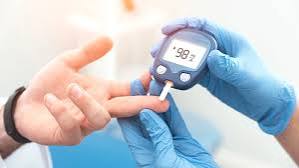
Morning blood sugar — the glucose reading taken first thing in the morning before eating, drinking anything other than water, or taking medications — is the most commonly measured and most clinically significant home glucose reading. It is the standard reference point for fasting glucose assessment, the anchor of daily blood glucose patterns, and the measurement that most directly reflects how well the body regulated glucose during the overnight fast. Elevated morning blood sugar is often the first glucose abnormality detected in people with developing diabetes or prediabetes, and in people already managing diabetes, consistently elevated morning readings typically indicate the single highest-priority management target. This guide explains what morning blood sugar measures, what causes it to be high or low, what the reference ranges mean, and what to do when morning readings are consistently outside target. For the full reference framework of blood sugar ranges at different time points, see our blood sugar chart for adults, and for the detailed clinical context of fasting glucose testing and interpretation, see our guide on fasting blood sugar explained.
What Morning Blood Sugar Actually Measures
A morning blood glucose reading does not measure what glucose was doing during sleep in any comprehensive way — it captures glucose at one specific moment: after an overnight fast of typically eight to ten hours, in the morning, before the first meal of the day. What it reflects is the balance between two processes that have been occurring throughout the night: hepatic glucose production (the liver releasing glucose into the bloodstream through gluconeogenesis and glycogenolysis to maintain a continuous glucose supply for the brain and other organs during the fasting period) and insulin-mediated suppression of that production (basal insulin and endogenous insulin secretion limiting how much glucose the liver releases, preventing it from rising too high). In a metabolically healthy person, these two processes are in careful balance — the liver releases just enough glucose to keep blood sugar in the 70–99 mg/dL range throughout the night without the level either rising too high or falling too low. Elevated morning blood sugar means the liver produced more glucose than the overnight insulin could suppress — either because insulin secretion or sensitivity was insufficient, or because physiological processes actively increased glucose production in the early morning hours. Understanding how the body controls blood sugar throughout the 24-hour cycle provides the physiological context that makes morning readings meaningful rather than just numbers. And for anyone who is just beginning to understand what glucose levels mean for health, our guide on what blood sugar is provides the foundational context.
Normal, Prediabetes, and Diabetes Morning Blood Sugar Ranges
Fasting morning glucose is the most precisely defined of all blood sugar measurements because the standardized fasting condition eliminates the variability introduced by meal timing and composition. The clinical reference ranges are:
- Normal fasting glucose: 70–99 mg/dL — indicates normal overnight glucose regulation with adequate insulin action to suppress hepatic glucose production
- Prediabetes (impaired fasting glucose): 100–125 mg/dL — indicates early-stage impairment in fasting glucose regulation; significant risk of progression to Type 2 diabetes without lifestyle intervention; classified as prediabetes when confirmed on more than one occasion
- Diabetes: 126 mg/dL or above — on two separate testing occasions, or once in conjunction with other diagnostic criteria (A1C above 6.5%, post-meal glucose above 200 mg/dL, or random glucose above 200 mg/dL with symptoms); indicates clinically significant impairment in fasting glucose regulation
- Management target for people with diabetes (ADA guideline): 80–130 mg/dL — slightly broader than the diagnostic threshold because maintaining fasting glucose consistently below 100 mg/dL in a person using glucose-lowering medications carries hypoglycemia risk that outweighs the benefit in most clinical situations
For anyone whose morning blood sugar is consistently above 125 mg/dL, medical evaluation is warranted to determine whether a formal diabetes diagnosis should be made and what management steps are appropriate. Our guide on what diabetes is covers the full clinical picture, and our guide on what prediabetes is covers the intervention options when morning glucose is in the 100–125 mg/dL range. For context on the diabetes risk factors that increase the likelihood of finding elevated morning glucose, see our guide on diabetes risk factors every adult should know.
- Insufficient basal insulin: Most common in Type 1 or insulin-treated Type 2 — overnight insulin dose too low to suppress hepatic glucose production
- Dawn phenomenon: Normal early-morning cortisol/growth hormone surge raises hepatic glucose output between 4–8 AM in people with diabetes
- Somogyi effect (rebound hyperglycemia): Overnight hypoglycemia triggers counter-regulatory hormone surge; glucose rebounds high by morning — rarer, confirmed by 2–3 AM glucose check
- High carbohydrate dinner: Late dinner with high glycemic load may still be raising glucose into the early morning
- Insulin resistance: Underlying insulin resistance impairs overnight insulin action regardless of dose
- Illness or stress: Counter-regulatory hormone responses raise morning glucose during acute illness, poor sleep, or high-stress periods
The Dawn Phenomenon and Why Morning Glucose Rises Overnight
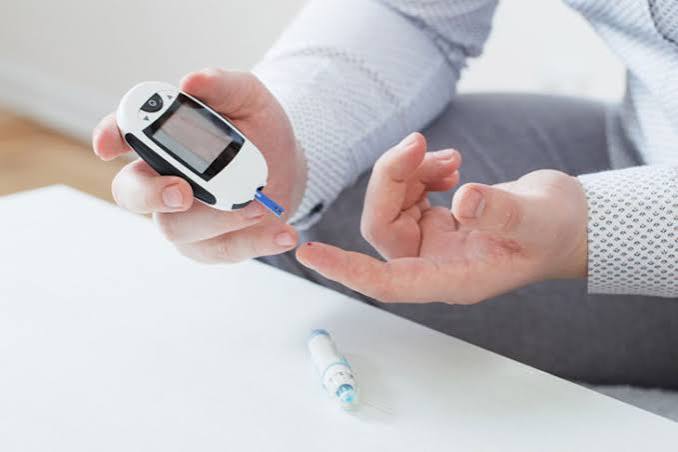
One of the most clinically significant phenomena in glucose management is the dawn phenomenon — the pattern of morning blood glucose being meaningfully higher than overnight glucose, even without any food intake between the overnight check and the morning reading. The dawn phenomenon occurs because of the normal physiological pattern of cortisol and growth hormone secretion in the early morning hours.
Cortisol — the body’s primary stress hormone and a key regulator of metabolism — follows a circadian (24-hour) rhythm, with levels lowest in the late evening and rising steeply from approximately 3–4 AM to peak around the time of waking (typically 6–8 AM). This early morning cortisol surge is a normal and important part of the daily biological rhythm — it prepares the body for the activity of the day by increasing blood glucose (through promoting hepatic gluconeogenesis), increasing blood pressure, sharpening alertness, and mobilizing energy stores. In a metabolically normal person, the simultaneous rise in insulin that occurs in response to the rising glucose counteracts the cortisol-driven glucose increase, keeping fasting glucose within the normal range despite the early morning hormone surge.
In a person with Type 1 or Type 2 diabetes, the insulin response is insufficient to counteract the cortisol-driven glucose production — either because exogenous basal insulin is running low by early morning (insulin has a finite duration of action), because the person’s own insulin secretion is impaired, or because their insulin resistance amplifies the glucose-raising effect of cortisol at the same time insulin sensitivity is naturally lower in the early morning hours. The result is that glucose rises progressively from approximately 4 AM, reaching a fasting glucose level by the time of the morning reading that is substantially higher than the glucose measured at midnight or 2 AM. This is the dawn phenomenon: not a problem with overnight glucose regulation per se, but a specific vulnerability to the normal early-morning hormone surge. In people with diabetes, the dawn phenomenon can add 20–50 mg/dL to the morning fasting glucose compared to overnight glucose levels, making morning readings consistently the highest of the day even when other readings are in target range. The fasting blood sugar explained guide covers the full clinical interpretation of morning fasting glucose readings in the context of both the dawn phenomenon and other causes of morning glucose elevation.
Low Morning Blood Sugar: When Fasting Glucose Is Too Low
While elevated morning glucose is the most common clinical concern, fasting glucose can occasionally be lower than expected — below 70 mg/dL in people not taking medications, or below the target range in people on insulin or sulfonylurea. Understanding why morning glucose might be low, and when this is a concern requiring action, is as important as understanding elevated morning readings.
In people using insulin, a morning glucose below 70 mg/dL suggests that basal insulin dose is too high — producing overnight hypoglycemia. However, the morning reading in this case may not represent the nadir (lowest point) of overnight glucose — the actual low may have occurred earlier in the night at 1–2 AM, with a rebound by morning. This pattern — the Somogyi effect or rebound hyperglycemia — means that a morning reading of 180 mg/dL could actually be the result of overnight hypoglycemia that triggered a counter-regulatory hormone surge and glucose rebound, rather than inadequate overnight insulin control. Distinguishing dawn phenomenon (overnight glucose stable, then rising 4–8 AM) from rebound hyperglycemia (glucose dipping low in the middle of the night, then rising to high by morning) requires checking glucose at 2–3 AM — the two patterns require opposite management adjustments. Dawn phenomenon is treated by increasing or adjusting overnight insulin; rebound hyperglycemia is treated by decreasing the insulin causing the overnight low. For anyone experiencing either of these patterns, our guide on home blood sugar monitoring covers how to incorporate overnight glucose checks into a monitoring routine to identify these patterns. And for context on the symptoms that may (or may not) accompany overnight hypoglycemia — a particularly important concern since overnight hypoglycemia may occur during sleep without waking the person — our guide on the early signs of high blood sugar and our guide on when blood sugar symptoms need medical attention provide the broader symptom context for blood sugar abnormalities at any time of day. The complete picture of morning glucose — whether normal, elevated by dawn phenomenon, elevated by rebound, or below target due to excessive overnight insulin — is one piece of the overall glucose pattern that matters for long-term health. Our guide on why blood sugar matters for long-term health provides the evidence-based context connecting morning glucose control to the long-term complication outcomes that optimal fasting glucose management is ultimately protecting. For the comprehensive view that puts morning blood sugar in context alongside all other blood glucose measurements — fasting, post-meal, A1C, and random readings — our blood sugar chart for adults provides the single-reference overview that makes all these measurements interpretable against established clinical benchmarks.
Strategies for Lowering High Morning Blood Sugar
When morning blood glucose is consistently above target — whether the target is the diagnostic normal range of below 100 mg/dL or the diabetes management target of 80–130 mg/dL — the appropriate strategy depends on what is driving the elevation. Targeting the right cause produces effective results; applying the wrong intervention (for instance, increasing basal insulin when the actual cause is late-night snacking rather than insufficient overnight insulin) can worsen management rather than improve it.
Adjusting basal insulin dose and timing: For insulin users, a morning glucose that is consistently elevated while overnight glucose (checked at 2–3 AM) is normal or near-normal usually indicates that the basal insulin dose is insufficient or that the insulin is running out before morning. The adjustment is typically to increase the basal insulin dose by a small increment (often 2–4 units at a time) or to shift the timing of the basal injection — for insulin with a peak of action, injecting slightly later in the evening can shift the peak effect into the critical early morning window. For insulin pump users, the pump can be programmed to automatically increase the basal rate during the specific hours when the dawn phenomenon produces the glucose rise. Any adjustment to insulin dose should be discussed with a healthcare provider before implementation, as insulin adjustments carry hypoglycemia risk and should be guided by the full pattern of readings rather than a single time point.
Adjusting the evening meal: Late dinner, high-carbohydrate evening meals, or bedtime snacks can all contribute to elevated morning glucose by either extending the post-meal glucose period into the early morning hours or by providing substrate for overnight hepatic glucose production. Moving the main evening meal earlier (before 7 PM rather than after 9 PM) and reducing the carbohydrate content of late-evening eating can meaningfully reduce morning glucose in some individuals without any medication adjustment. This dietary timing effect is often underappreciated as a morning glucose management strategy and is worth trialing before medication adjustments are considered. Our guide on post-meal blood sugar explained covers how different meal compositions affect the duration and peak of post-meal glucose responses — information directly relevant to managing the evening meal’s contribution to the next morning’s fasting glucose.
Evening physical activity: A moderate walk or other aerobic exercise after dinner — even thirty minutes at a moderate pace — can substantially reduce the post-dinner glucose spike and can lower fasting glucose the following morning by increasing overnight insulin sensitivity. Studies of evening exercise timing have shown that a post-dinner walk improves morning glucose in both people with and without diabetes, and this effect persists for up to twelve to eighteen hours after the exercise in some individuals. The glucose-lowering effect of physical activity is mediated by improved muscle glucose uptake that continues during and after exercise through both insulin-dependent and insulin-independent mechanisms — a key aspect of insulin resistance management that applies directly to morning glucose improvement through evening activity.
Specific medications targeting fasting glucose: For people with Type 2 diabetes whose morning glucose is the primary management challenge, several medication classes are particularly effective for fasting glucose: long-acting GLP-1 receptor agonists (semaglutide, dulaglutide) reduce hepatic glucose production and improve fasting glucose substantially; SGLT-2 inhibitors reduce glucose reabsorption throughout the day including the overnight period; and metformin primarily works by reducing hepatic glucose production — directly targeting the mechanism that drives elevated fasting glucose in Type 2 diabetes. A healthcare provider can help select the medication approach most appropriate for individual circumstances, taking into account the specific pattern of glucose elevation, other health conditions, and individual medication tolerance. Checking the A1C test results alongside the morning glucose pattern provides the clinical context that guides appropriate medication decisions — A1C confirms whether the fasting glucose pattern is sufficiently impactful on overall average glucose to warrant medication adjustment versus whether the daytime readings are the primary driver of the A1C elevation.
Tracking Morning Blood Sugar Over Time
Morning blood sugar readings are most informative when tracked consistently over time in a blood sugar log, because trends across days and weeks reveal patterns that any single morning reading cannot show. A single morning glucose of 140 mg/dL on a day when sleep was poor and dinner was unusually late tells you relatively little. A blood sugar log showing morning glucose consistently in the 130–150 mg/dL range over three weeks across all conditions — good sleep and poor sleep, normal dinner timing and late dinner — tells you clearly that morning glucose regulation is significantly impaired and needs targeted attention. Our guide on blood sugar log: how to track your numbers covers the principles of effective glucose logging, including how to annotate morning readings with the information (previous evening’s meal timing and composition, sleep quality, whether a bedtime snack was eaten, insulin dose taken) that makes morning readings interpretable in the context of the preceding night’s circumstances.
When reviewing a blood sugar log for morning glucose patterns, specific questions to ask are: Are morning readings consistently higher than pre-dinner readings, suggesting active dawn phenomenon or overnight glucose rise? Are morning readings lower than expected based on what was eaten the evening before, potentially indicating overnight hypoglycemia that recovered by morning? Does morning glucose correlate with the previous evening’s dinner size or timing? Is morning glucose consistently higher on specific days of the week (perhaps days when a larger or later dinner is typical)? These pattern-level observations are what translate a morning glucose reading from a number into a diagnostic and management tool. For anyone who is also tracking A1C and wants to understand how morning glucose specifically contributes to their A1C result — and which time periods of glucose elevation have the most influence on the A1C average — our guide on A1C vs blood glucose: what is the difference provides the comprehensive framework. And for those using a continuous glucose monitor — which provides overnight glucose data showing exactly what glucose does between midnight and the morning reading — our guide on continuous glucose monitoring covers how to read overnight CGM data to definitively distinguish dawn phenomenon, the Somogyi effect, and insufficient basal insulin as causes of elevated morning glucose. Whether measured once a day at the bedside before breakfast or tracked continuously through a CGM sensor overnight, morning blood sugar is a window into one of the most fundamental aspects of glucose metabolism — the body’s ability to maintain glucose stability during the fasting overnight period — and consistently optimizing it is one of the highest-impact interventions available for improving overall glucose control and reducing long-term diabetes complication risk. Our guide on why blood sugar matters for long-term health provides the evidence-based context for understanding precisely why that optimization matters, connecting the daily discipline of monitoring and managing morning glucose to the long-term protection of kidney, eye, nerve, and cardiovascular health that it ultimately provides.
Frequently Asked Questions About Morning Blood Sugar
Is it normal for blood sugar to be higher in the morning than before bed? Yes, this is common and is the hallmark of the dawn phenomenon. In people with diabetes, early morning cortisol and growth hormone surges raise hepatic glucose production between 4–8 AM, producing a fasting glucose that is meaningfully higher than the pre-bedtime reading even without any overnight eating. In metabolically normal individuals, this same hormone surge occurs but the insulin response is sufficient to prevent significant glucose elevation, so the fasting reading remains in the normal range despite the increased glucose production.
What should I do if my morning blood sugar is above 200 mg/dL? A morning fasting glucose above 200 mg/dL is significantly elevated and warrants prompt medical attention if it is not an already known pattern with an established management plan. If this is a new finding, contact a healthcare provider the same day. If this is an established diabetes patient with a known management plan, follow the provider-established sick-day or high-glucose protocol. For guidance on which glucose levels and symptoms require same-day or urgent medical attention, see our guide on when blood sugar symptoms need medical attention.
Does coffee raise morning blood sugar? Plain black coffee (without milk, cream, or sweetener) can raise morning blood sugar in some people with diabetes through a combination of mild cortisol stimulation and direct effects of caffeine on insulin sensitivity. This effect is individual and varies significantly — some people see a 10–20 mg/dL rise from morning coffee; others see no meaningful effect. If morning glucose is a management priority, checking glucose before and thirty to sixty minutes after morning coffee on several days can reveal whether coffee is a contributing factor for that specific individual. Adding milk or cream adds a small carbohydrate and fat load that may further affect post-coffee glucose, while adding sugar or flavored syrups produces a more significant glucose effect. For anyone tracking the full post-breakfast glucose pattern, our guide on post-meal blood sugar explained and the foundational reference in our fasting blood sugar explained guide provide the complete framework for interpreting morning glucose in the context of these individual lifestyle factors.
Sources: American Diabetes Association. Standards of Medical Care in Diabetes — 2024. Diabetes Care. 2024;47(Suppl 1):S20–S42. • Basu R, et al. Mechanisms of the Dawn Phenomenon in Patients with Type 1 Diabetes. Diabetes. 2004;53(10):2598–2604. • Perriello G, et al. The Dawn Phenomenon in Type 1 Diabetes. J Clin Invest. 1988;82(5):1452–1460.