
Continuous glucose monitors represent the most significant advance in diabetes self-management technology in the past two decades. By measuring glucose every 1–5 minutes and providing real-time trend information, CGMs give adults with diabetes a fundamentally richer picture of how their glucose behaves throughout the day and night — information that periodic fingerstick readings cannot replicate regardless of how frequently they are done. For the right person in the right clinical situation, a CGM improves glucose management, reduces hypoglycemia, decreases monitoring burden, and provides actionable data that changes treatment decisions. For others, the added cost, sensor management complexity, and information volume may not provide enough additional benefit over traditional monitoring to justify the change. Understanding the genuine pros and genuine cons of continuous glucose monitoring — not the marketing version of either — allows adults to make the upgrade decision based on their specific clinical situation rather than technology enthusiasm or cost anxiety alone.
The Genuine Pros of Continuous Glucose Monitoring
Trend Arrows — Information That Changes Decisions
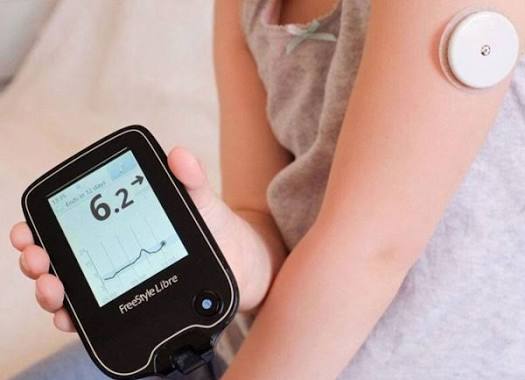
The trend arrow displayed alongside a CGM glucose reading is clinically valuable in a way that is difficult to overstate. A glucose reading of 90 mg/dL accompanied by a double-down arrow (glucose falling rapidly at more than 3 mg/dL per minute) requires immediate carbohydrate intake to prevent hypoglycemia. The same 90 mg/dL reading with a horizontal arrow (glucose stable) requires no action. The same reading with an up arrow (glucose rising after a meal) requires no concern. Without the trend arrow, the number 90 requires guessing — is this a dropping low or a stable normal? With the trend arrow, the management response is clear. This trend information reduces hypoglycemia by allowing preemptive action before glucose falls below threshold — rather than reactive treatment after symptoms appear. Multiple randomized controlled trials have demonstrated that CGM use reduces both the frequency and severity of hypoglycemia in adults on insulin, including older adults and those with hypoglycemia unawareness. The trend data also allows more aggressive post-meal correction decisions: if post-meal glucose peaks at 180 mg/dL but is already trending downward rapidly, additional correction insulin may cause a subsequent low — something visible in the trend that would not be apparent from the peak reading alone.
Time in Range — A Better Measure of Overall Glucose Quality
HbA1c reflects average glucose over 3 months but cannot distinguish between two adults with the same average: one who is consistently in the target range, and one who swings between high hyperglycemia and low hypoglycemia that average out to the same HbA1c. Time in range (TIR) — the percentage of each day that glucose stays within the target range of 70–180 mg/dL — is now recognized by the American Diabetes Association alongside HbA1c as a meaningful measure of glucose management quality. CGM technology makes TIR directly measurable; traditional fingerstick monitoring cannot compute it because readings capture only isolated moments rather than the continuous glucose profile. The ADA’s consensus target for TIR is greater than 70% for most adults with Type 1 or Type 2 diabetes — meaning glucose should be in the 70–180 mg/dL range for more than 16.8 hours per day. Adults whose TIR is significantly below this target despite an acceptable HbA1c have a glucose variability pattern that predicts worse long-term outcomes — and CGM data is the only way to identify this pattern. Time below range (TBR) — time with glucose below 70 mg/dL — is similarly only measurable with CGM, and the ADA target is less than 4% TBR (less than approximately 1 hour per day in hypoglycemia). Knowing TBR allows optimization that reduces hypoglycemia independently of the HbA1c measure. Our blood sugar log and tracking guide covers how to use CGM data downloads and reports for care team preparation.
The Genuine Cons of Continuous Glucose Monitoring
Cost — The Most Common Barrier
CGM systems have substantially higher costs than traditional blood glucose monitoring, and the ongoing cost structure is very different. The sensor — the wearable component that inserts under the skin and measures glucose — requires replacement every 7–14 days depending on the system: the Dexcom G7 sensor lasts 10 days, the FreeStyle Libre 3 sensor lasts 15 days, the Medtronic Guardian 4 sensor lasts 7 days. Sensor costs without insurance run approximately $70–120 per sensor, translating to $1,800–5,400 per year in sensor costs alone — compared to the much lower cost of fingerstick strips for a typical Type 2 diabetes patient. CGM transmitters (for real-time systems) require replacement every 90 days to 1 year and add additional cost. Insurance coverage has expanded substantially — Medicare now covers CGM for adults with diabetes who use insulin or are at risk for hypoglycemia, and many commercial insurance plans cover CGM with prior authorization for appropriate clinical indications. The FreeStyle Libre 3 — the most prescribed CGM system — has a lower per-sensor cost than Dexcom and is often covered at lower cost-sharing tiers than real-time CGM systems. For adults whose insurance does not cover CGM, the out-of-pocket cost is a significant barrier that makes traditional monitoring with a well-chosen meter the practical choice regardless of clinical benefit preference.
Accuracy Gaps — When CGM Readings Cannot Be Trusted
CGM systems measure interstitial fluid glucose — glucose in the fluid surrounding cells beneath the skin — rather than blood glucose directly. Interstitial glucose normally tracks blood glucose closely, but with a physiological lag of approximately 5–15 minutes. During periods of rapidly changing blood glucose — during acute hypoglycemia, immediately after a large meal, or during intense exercise — CGM readings can lag significantly behind the actual blood glucose level. This lag means that when hypoglycemia symptoms are present, the CGM may still show a glucose level in range because blood glucose dropped faster than interstitial fluid glucose could equilibrate. Current CGM guidelines recommend confirming with a fingerstick meter before treating a hypoglycemic episode based on CGM reading alone — particularly if the CGM reading seems inconsistent with symptoms. Acetaminophen (Tylenol) interferes with some CGM sensor chemistry, producing falsely elevated readings — adult users of the original FreeStyle Libre and Dexcom G5 were advised not to take acetaminophen while wearing these sensors, though newer generations have improved this limitation. Sensor accuracy also varies during the first 12–24 hours after insertion (warm-up period), requiring either fingerstick calibration or simply treating readings with more uncertainty during this window.
Skin Reactions and Sensor Management Burden
A meaningful proportion of CGM users develop skin reactions to the adhesive that holds the sensor to the skin — ranging from mild redness and itching to significant contact dermatitis that requires discontinuing CGM use. The incidence of allergic contact dermatitis from CGM adhesives is estimated at 5–10% of users for some systems, with individual variation in sensitivity. Strategies that reduce adhesive reactions include: applying a barrier film (Skin Tac, Flonase spray under the sensor) between the skin and the adhesive, using hypoallergenic adhesive overlays, rotating sensor sites consistently, and ensuring the skin is fully dry and clean at application. Sensor management burden — inserting a new sensor every 7–15 days, ensuring the transmitter is charged (for systems requiring it), troubleshooting sensor errors and missed readings, and replacing a sensor that falls off before its wear period — adds a maintenance overhead that some adults find manageable and others find frustrating enough to discontinue CGM use. Adults considering a CGM for the first time should trial a system for one full sensor wear period before committing to long-term use, to assess their personal tolerance for both the skin adhesive and the device management tasks. Our best blood glucose monitors guide covers the traditional fingerstick meter option for adults who conclude that CGM is not the right fit. The doctor visit checklist covering how to discuss CGM eligibility, coverage, and clinical indication with a care team is in our doctor visit checklist for diabetes guide. The diabetes apps guide covering the digital ecosystem that integrates CGM data with dose tracking, food logging, and care team sharing is in our diabetes apps guide. The annual care checklist that includes a CGM data review alongside HbA1c at the annual diabetes management visit is in our annual diabetes care checklist. The blood sugar log templates guide covering how to use CGM download reports as the basis for structured paper or digital logs that support care team discussions is in our blood sugar log templates guide. The questions to ask about Type 2 diabetes guide — including the CGM coverage eligibility question to raise at the next care team visit — is in our questions to ask about Type 2 diabetes guide. The FDA’s continuous glucose monitoring resource covers the regulatory approval status and accuracy requirements for CGM systems cleared for clinical use. The ADA’s CGM guidance covers the American Diabetes Association’s current evidence-based recommendations on CGM use across diabetes types and clinical situations. The NIDDK’s CGM overview covers how continuous glucose monitoring works, the available systems, and how CGM fits within a comprehensive diabetes management approach.
Leading CGM Systems — A Practical Comparison
Dexcom G7 — Real-Time CGM With Active Alarming
The Dexcom G7 is the current flagship real-time CGM system from Dexcom. It uses a 10-day sensor worn on the upper arm or abdomen, transmits readings every 5 minutes to a smartphone or dedicated receiver, and provides customizable alarms for both high and low glucose thresholds — including a predictive low alarm that warns 20 minutes before glucose is projected to fall below a specified threshold. The G7 is factory-calibrated and does not require fingerstick calibration under normal conditions. Its accuracy — with a mean absolute relative difference (MARD) of approximately 8.2% — exceeds the FDA’s 15% accuracy requirement and is among the best in its class. The G7 integrates with several automated insulin delivery systems (closed-loop insulin pumps) and is the CGM of choice for adults on pump therapy or multiple daily injections who need precise glucose-responsive insulin delivery. Insurance coverage for Dexcom G7 is extensive — it is covered by Medicare for insulin-using adults and most commercial plans under diabetes device benefits. The phone application provides real-time trend graphs, 24-hour history, and customizable share settings for remote monitoring by caregivers or care team members.
Abbott FreeStyle Libre 3 — Flash CGM with Real-Time Capability
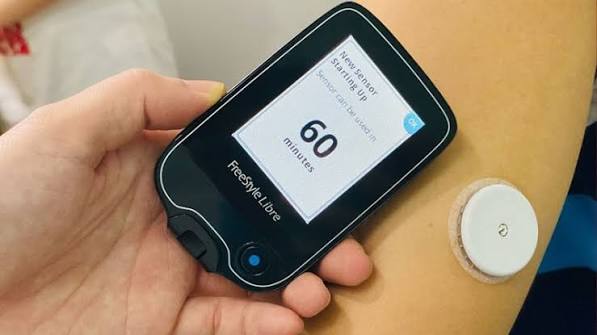
The FreeStyle Libre 3 is the most prescribed CGM system in the United States and represents the best value at lower cost than Dexcom for most Type 2 diabetes users. It uses a 15-day sensor worn on the back of the upper arm — the longest wear duration of any current major CGM — and provides readings every minute to a smartphone app, with optional high and low glucose alarms that bring it functionally close to real-time CGM capability. Earlier FreeStyle Libre generations required scanning the sensor with the phone to obtain a reading (flash CGM, no passive monitoring); the Libre 3 transmits automatically, providing continuous passive monitoring without user action. The Libre 3’s MARD of approximately 7.9% represents excellent accuracy comparable to Dexcom G7. Its lower per-sensor cost — and more favorable formulary placement on many insurance plans — makes it the preferred starting CGM for adults transitioning from fingerstick monitoring who do not require integration with an automated insulin delivery system. The LibreLink app provides glucose history, trend graphs, and optional sharing with the LibreLinkUp companion app for remote monitoring by caregivers. Unlike Dexcom G7, the FreeStyle Libre 3 does not currently integrate with most automated insulin delivery systems — limiting its use for adults who want or need closed-loop pump therapy.
Who Qualifies for CGM Coverage — Insurance Criteria
Insurance coverage for CGM — including Medicare — requires that the adult with diabetes meet specific eligibility criteria. Medicare’s coverage criteria, revised in 2023 to align with clinical evidence, cover CGM for adults who are treated with insulin (any insulin regimen) or who have a documented history of problematic hypoglycemia — defined as recurrent hypoglycemia, severe hypoglycemia, or hypoglycemia unawareness. Prior to 2023, Medicare required three or more insulin injections per day for CGM coverage; the current criteria are substantially more inclusive. For adults on non-insulin diabetes medications (metformin, GLP-1 receptor agonists, SGLT-2 inhibitors) who do not meet the hypoglycemia criteria, Medicare CGM coverage remains limited — though some commercial insurance plans cover CGM more broadly for adults with Type 2 diabetes regardless of insulin use. The CGM eligibility discussion at the next diabetes care visit — particularly for adults newly starting insulin or experiencing more frequent low glucose events — can open access to technology that was previously assumed to be inaccessible. Our doctor visit checklist for diabetes covers how to raise the CGM coverage question with a prescribing provider. The questions to ask at the prediabetes appointment — for adults whose glucose management is still at the prediabetes stage — are in our questions to ask about prediabetes guide.
Using CGM Data Effectively — Beyond Just Reading the Number
Interpreting Trend Arrows for Treatment Decisions
The trend arrows displayed on CGM receivers and apps indicate the current rate and direction of glucose change. Understanding what each arrow means for treatment decisions makes CGM data actionable rather than merely informative. A single upward arrow indicates glucose is rising at 1–2 mg/dL per minute — a moderate rise that may require monitoring but not immediate action unless glucose is already high. A double upward arrow indicates glucose is rising above 2 mg/dL per minute — a rapid rise often associated with a large carbohydrate meal or missed pre-meal insulin, where earlier correction intervention prevents a higher peak. A single downward arrow indicates glucose is falling at 1–2 mg/dL per minute — worth monitoring, particularly if approaching the 80 mg/dL range, when a preventive carbohydrate intake may be appropriate. A double downward arrow indicates glucose is falling above 2 mg/dL per minute — a rapid drop that typically requires immediate carbohydrate intake regardless of current glucose level, because glucose will continue falling significantly before any correction can reverse the trend. These action thresholds — when to intervene based on trend plus current level rather than level alone — should be discussed with a diabetes care team and individualized based on target glucose range, hypoglycemia history, and medication regimen. Standardized CGM-based decision rules for insulin dosing adjustments based on trend are available from diabetes education resources and should be provided by the prescribing care team when CGM is first initiated.
Using Ambulatory Glucose Profile Reports for Care Team Visits
The Ambulatory Glucose Profile (AGP) report — a standardized single-page CGM data summary developed through international diabetes technology consensus — condenses 14 days of CGM data into a format that allows rapid clinical review of glucose patterns, time in range, time below range, glucose variability, and median versus worst-case daily profiles. Most CGM systems generate AGP reports through their companion apps or web portals that can be printed or sent to a care team electronically before or at an appointment. Bringing an AGP report to a diabetes care visit is one of the most efficient ways to make the visit clinically productive — it gives the care team the full picture of glucose patterns in 90 seconds of review, compared to the limited information available from a log of isolated fingerstick readings or verbal recall of typical glucose levels. The ADA and international diabetes technology associations now recommend AGP review at every diabetes care visit for CGM users. Learning how to generate and interpret an AGP report for personal use — understanding what the shaded glucose bands mean, what the median line represents, and how to identify problematic patterns — significantly improves the value adults derive from CGM technology. Our blood sugar log and tracking guide covers the systematic monitoring approach that structures CGM data alongside the contextual information that makes patterns interpretable. The long-term diabetes care plan guide — covering how CGM data informs the multi-year goals and adjustment points in comprehensive diabetes management — is in our long-term diabetes care plan guide. The annual care checklist that includes time-in-range review alongside HbA1c and other laboratory measures is in our annual diabetes care checklist. The medication list template covering the documentation of CGM system alongside medications — relevant for accurate records during hospitalizations or emergency care — is in our medication list template for diabetes care guide. The building healthy habits guide that shows how CGM trend data during meals and exercise directly guides habit optimization — making real-time glucose feedback a behavior change tool — is in our building healthy habits with diabetes guide.
Making the Decision — A Practical Summary
Continuous glucose monitoring is not the right choice for everyone with diabetes, and it is the clearly superior choice for some. The adults most likely to benefit meaningfully from CGM are those on multiple daily insulin injections or insulin pumps — where real-time glucose trends directly guide dosing decisions multiple times daily; those with hypoglycemia unawareness or frequent hypoglycemia, where the alerting function prevents dangerous low glucose events; those with highly variable glucose who want to understand the drivers of their variability; and those whose insurance covers CGM with manageable cost-sharing. Adults with Type 2 diabetes managed without insulin who monitor glucose occasionally to check dietary impact and medication effectiveness often derive adequate information from a quality fingerstick meter without the cost and complexity of CGM. The most productive approach is to bring both options to the next diabetes care visit — ask specifically about CGM eligibility, insurance coverage, and whether the clinical situation justifies the upgrade — rather than deciding based on marketing materials or peer recommendation alone. Technology should serve management goals; the question is always whether the added information from CGM would change treatment decisions or monitoring behavior in ways that improve outcomes, not whether CGM technology is impressive in the abstract. For adults who decide to start a CGM, the diabetes apps guide covering the digital ecosystem that maximizes the value of CGM data is in our diabetes apps guide. The questions to ask about Type 2 diabetes — including the CGM coverage eligibility question — are in our questions to ask about Type 2 diabetes guide.
CGM and Exercise — A Particularly Useful Application
Exercise produces rapid and sometimes unpredictable glucose changes — post-exercise glucose can rise acutely during intense anaerobic exercise (from stress hormone-driven glycogen release) or fall significantly during and after sustained aerobic exercise (from increased insulin-independent glucose uptake by contracting muscle). These exercise-related glucose swings occur over 30–60 minute windows that fingerstick testing between exercise intervals cannot adequately capture. CGM worn during exercise provides real-time visibility into glucose response to different exercise types, intensities, and durations — allowing the adult with diabetes to identify whether a particular workout pattern drives glucose too low, whether a pre-exercise snack is needed, and when post-exercise glucose patterns require additional monitoring attention. For adults on insulin who exercise regularly, this real-time exercise glucose data is among the most clinically valuable applications of CGM technology.
Sources: Battelino T et al. Clinical targets for continuous glucose monitoring data interpretation. Diabetes Care 2019; Dexcom G7 Prescribing Information 2023; Abbott FreeStyle Libre 3 User Guide 2023; FDA Continuous Glucose Monitoring Guidance 2024; ADA Standards of Care in Diabetes 2024; NIDDK Continuous Glucose Monitoring Overview 2024.
This breakdown of continuous glucose monitors: pros and cons is exactly what patients need before a specialist appointment. The specific numbers and thresholds mentioned are exactly what I needed to understand my results. Appreciate the effort that went into researching and writing this — it shows.
Really well-written article on continuous glucose monitors: pros and cons. What I liked most was that the article didn’t just say what to avoid — it also gave alternatives. Will definitely be coming back to this site for more health information.
Finally a resource that explains continuous glucose monitors: pros and cons in plain language. The article answered questions I didn’t even know I had until I started reading. Will definitely be coming back to this site for more health information.