
Mucus is a normal component of the digestive tract. The cells lining the colon continuously secrete mucus to lubricate stool passage, protect the intestinal wall from digestive acids and bacteria, and maintain a healthy relationship with the gut microbiome. A small amount of mucus in stool is therefore normal and not a cause for concern. What warrants attention is visible, persistent, or significantly increased mucus — particularly when it appears alongside other symptoms such as blood, abdominal pain, diarrhea, or changes in bowel habits.
The significance of mucus in stool depends entirely on the accompanying clinical picture. In isolation, a streak of mucus after straining or an episode of constipation is usually benign. But mucus that is consistently visible, appears as jelly-like globs, or is mixed with blood represents a symptom that deserves evaluation. The conditions that cause increased mucus in stool range from common and self-limiting (irritable bowel syndrome, transient infections) to serious and progressive (inflammatory bowel disease, colorectal cancer). Understanding which category a presentation falls into requires attention to the pattern, quantity, color, and associated symptoms of the mucus, along with the patient’s overall health context.
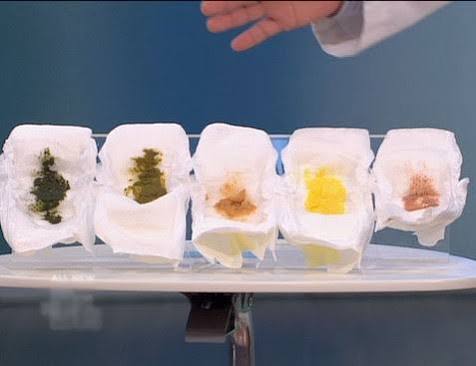
Why the Colon Produces Mucus — Normal Physiology
The mucus layer of the colon serves multiple critical functions. Goblet cells — specialized secretory cells interspersed throughout the colonic epithelium — produce mucins, large glycoprotein molecules that form a two-layer gel-like barrier over the intestinal surface. The inner layer is tightly adherent to the epithelium and largely free of bacteria; the outer layer is looser, allows bacterial colonization by commensal organisms, and provides a substrate for the gut microbiome. This mucus barrier is the primary physical defense against translocation of bacteria and toxins from the intestinal lumen into the body.
Mucus production increases in response to any stimulus that activates goblet cells more than usual: increased luminal content and pressure (constipation), irritants (certain foods, infections), inflammatory mediators, and parasympathetic nervous stimulation. This upregulation is part of the colon’s normal protective response — more mucus is produced to protect the mucosa from whatever is irritating it. When inflammation becomes chronic or severe, goblet cell function can be disrupted in two opposing directions: goblet cells may overproduce mucus early in inflammation, or mucus production may be depleted in severe disease as goblet cells are destroyed. Both patterns can manifest as visible mucus in stool, though by different mechanisms.
The normal colon produces approximately one liter of mucus per day, but this is typically mixed with stool and not visible. Mucus becomes visible to the naked eye when production increases substantially, when it fails to be mixed properly into stool (as in constipation or incomplete evacuation), or when it is accompanied by blood, inflammatory exudate, or pus from an active intestinal process. The distinction between clear, white, or yellowish mucus is clinically less important than whether it is mixed with blood, whether it is copious, and whether it is associated with urgency, pain, or systemic symptoms.
Irritable Bowel Syndrome and Functional Causes
Irritable bowel syndrome (IBS) is the most common reason adults notice mucus in their stool, accounting for a significant proportion of cases presenting to gastroenterology. In IBS, altered gut motility, visceral hypersensitivity, and changes in intestinal secretion all contribute to abnormal mucus production and passage. Mucus in IBS is typically white or clear, appears as streaks or coats the surface of the stool, and is not accompanied by blood. It is particularly noticeable with the diarrhea-predominant (IBS-D) subtype and sometimes with the mixed subtype, and it often increases during symptom flares triggered by stress, dietary indiscretion, or hormonal changes.
The mucus in IBS does not reflect structural damage to the bowel. Colonoscopy and biopsy are macroscopically and microscopically normal in IBS — the mucus results from altered secretory patterns driven by the gut-brain axis dysregulation that characterizes the condition. This distinguishes IBS-related mucus from the mucus of inflammatory bowel disease, where biopsy shows active inflammation, crypt abscesses, or architectural distortion. If mucus in stool is the sole or primary symptom in a patient with otherwise characteristic IBS — associated with bloating, cramping, abdominal pain relieved by defecation, and altered bowel habit — and there are no alarm features, investigation can be appropriately selective rather than exhaustive. Persistent changes in bowel habits alongside mucus should prompt more formal evaluation.
Inflammatory Bowel Disease — Crohn’s and Ulcerative Colitis
Inflammatory bowel disease (IBD) — comprising Crohn’s disease and ulcerative colitis — is among the more serious causes of persistent mucus in stool. In ulcerative colitis, inflammation begins in the rectum and extends proximally in a continuous pattern along the colon. The inflamed mucosa is edematous, friable, and produces excessive mucus mixed with blood and pus. Patients with active ulcerative colitis typically experience urgent, frequent diarrhea — often more than six stools per day in moderate to severe disease — with mucus, blood, and tenesmus (a constant feeling of needing to defecate even when the rectum is empty). The mucus in ulcerative colitis is typically yellow or green due to the presence of inflammatory cells and pus, and it is nearly always accompanied by blood rather than appearing in isolation.
Crohn’s disease can affect any part of the gastrointestinal tract from mouth to anus but most commonly involves the terminal ileum and colon. When Crohn’s affects the colon (Crohn’s colitis), mucus in stool follows a pattern similar to ulcerative colitis, though typically more patchy and with intervening areas of normal mucosa. Crohn’s may also produce mucus through the formation of fistulae — abnormal connections between loops of bowel, between bowel and skin, or between bowel and other organs — that can discharge mucus, pus, or stool. Perianal Crohn’s with fistula or abscess is a particularly challenging form of the disease, producing persistent mucoid discharge from the perianal area that patients may notice on toilet paper or underwear alongside or independent of stool mucus.
The evaluation of suspected IBD includes colonoscopy with biopsies, fecal calprotectin (a non-invasive inflammatory marker that is markedly elevated in IBD and helps distinguish it from IBS), and sometimes small bowel imaging (MRI enterography) to assess for Crohn’s involvement beyond the colon. Management of IBD-related mucus ultimately requires treatment of the underlying inflammation — aminosalicylates for mild ulcerative colitis, immunomodulators, biologic therapies (anti-TNF agents, vedolizumab, ustekinumab) and small molecule inhibitors (JAK inhibitors, sphingosine-1-phosphate modulators) for moderate to severe disease. When IBD is well-controlled, mucus in stool typically diminishes significantly alongside other symptoms of active disease.
Intestinal Infections and Parasites
Bacterial and parasitic infections of the colon commonly produce mucus in stool, typically alongside diarrhea, fever, and abdominal cramping. Bacterial dysentery — caused by Shigella, Campylobacter, Salmonella, or enteroinvasive Escherichia coli — produces an inflammatory colitis with bloody diarrhea containing mucus, pus, and inflammatory cells. Clostridium difficile (C. diff) colitis, which occurs most commonly after antibiotic use, produces a pseudomembranous colitis with profuse watery diarrhea that may contain mucus and sometimes blood. Yersinia enterocolitica can mimic appendicitis while also producing mucoid stool. Amoebic colitis from Entamoeba histolytica is a parasitic cause of bloody mucoid diarrhea that is particularly important to consider in travelers returning from endemic regions.
Giardia lamblia is a parasitic protozoan that colonizes the small intestine rather than the colon and produces watery, foul-smelling diarrhea with steatorrhea but typically without blood or significant mucus. Mucus in the context of parasitic infections is more characteristic of large intestinal involvement — amoebiasis and Balantidium coli are the primary parasitic causes. Infectious causes of mucoid stool generally have an acute onset, are associated with fever and systemic symptoms, and resolve within days to weeks with appropriate treatment. Persistent mucus in stool beyond several weeks without a clear infectious trigger warrants investigation for IBD, functional disorders, or, less commonly, neoplastic causes. Any time mucus accompanies blood in the stool, evaluation should proceed more urgently regardless of suspected cause.
Colorectal Cancer and Polyps
Mucus in stool is a recognized feature of certain colorectal cancers and polyps. Villous adenomas — a specific type of colonic polyp with a frond-like surface architecture — can produce large amounts of mucus that is secreted directly into the intestinal lumen. Some villous adenomas secrete enough mucus to cause clinically significant secretory diarrhea with large volumes of watery, mucus-containing stool, and electrolyte abnormalities. Colorectal cancers arising in the distal colon and rectum may produce mucus as part of their secretory activity, and mucus mixed with blood in a patient over fifty — particularly with a change in bowel habits or weight loss — represents a clinical picture that mandates colonoscopy.
Mucinous adenocarcinoma is a specific histological subtype of colorectal cancer characterized by abundant extracellular mucin production. It accounts for approximately 10–15% of colorectal cancers and tends to present at a later stage than conventional adenocarcinoma, partly because the extracellular mucin pools can spread through the abdominal cavity — a condition called pseudomyxoma peritonei when extensive mucin accumulates in the peritoneum. The presence of copious mucus in stool, particularly in older adults with no prior IBD diagnosis, should prompt consideration of mucinous colorectal tumors alongside the more common non-mucinous adenocarcinoma. Screening colonoscopy guidelines exist precisely to detect these lesions before they produce symptoms. Patients who notice persistent bowel habit changes alongside mucus should not delay evaluation on the assumption that the cause is benign.
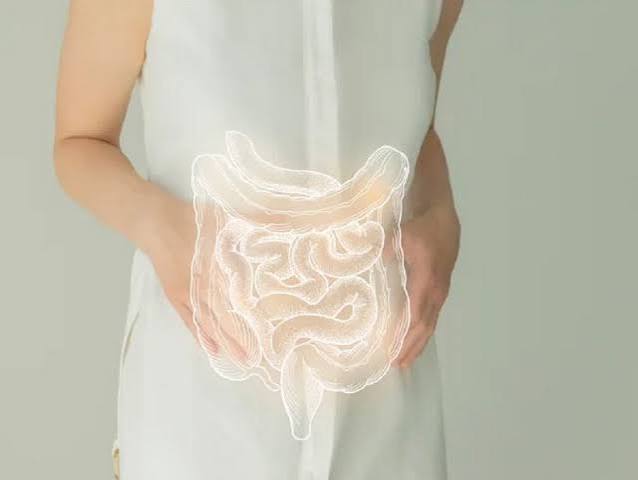
When Mucus in Stool Requires Medical Evaluation
Seek prompt evaluation for mucus in stool when any of the following are present: blood mixed with the mucus (red, pink, or dark); fever accompanying the mucoid stool; severe abdominal pain; unintentional weight loss; mucus persisting for more than three to four weeks; age over fifty with new onset of mucoid stool and no prior diagnosis; or a known diagnosis of IBD with new or worsening mucus suggesting a flare. These features raise the probability of conditions requiring treatment — infection needing specific antibiotics, IBD flare requiring escalation of therapy, or neoplasia requiring colonoscopy and possible resection.
Observation without immediate evaluation may be appropriate for: a single episode of clear mucus without blood after straining or an unusually hard stool; transient mucus during a self-limiting viral gastroenteritis that resolves within a week; or in a patient with established IBS whose mucus pattern is chronic and stable with no new features. The distinction between these reassuring patterns and those requiring evaluation is not always clear-cut, and when in doubt, a primary care assessment with basic stool testing (cultures, calprotectin, ova and parasites if travel exposure) is a reasonable first step before considering colonoscopy.
Frequently Asked Questions About Mucus in Stool
Is it normal to see mucus in stool occasionally?
Yes. Small amounts of clear mucus coating the surface of stool are normal and reflect the colon’s regular secretory function. This is particularly common after straining, during constipation, or with rapid transit diarrhea. The mucus becomes clinically significant when it is persistent, copious, yellow or green, mixed with blood, or accompanied by other symptoms such as abdominal pain, fever, or weight loss.
Can stress cause mucus in stool?
Psychological stress can worsen IBS symptoms including mucus production through the gut-brain axis, which modulates intestinal motility and secretion in response to stress hormones and autonomic nervous system activation. Patients with IBS often notice mucus flares coinciding with periods of anxiety or stress. This does not mean the symptoms are imagined — gut-brain dysregulation produces real physiological changes in intestinal function. However, stress alone does not cause the mucus of IBD or infection; those require structural pathology in the intestinal wall.
What is the difference between mucus in stool from IBS versus IBD?
In IBS, mucus is typically clear or white, coats the stool surface, is not accompanied by blood, and occurs in the context of otherwise normal endoscopy and biopsy results. In IBD, mucus is often yellow or green, is mixed with blood or pus, is accompanied by urgency and tenesmus, and is associated with endoscopic and histological evidence of active mucosal inflammation. Fecal calprotectin is markedly elevated in active IBD and typically normal or mildly elevated in IBS, making it a useful non-invasive test to help distinguish the two before colonoscopy.
Does mucus in stool mean I have colorectal cancer?
Mucus alone, without blood or other alarm features, is not a specific sign of colorectal cancer. Most adults who notice mucus in stool have IBS, a transient infection, or functional causes. However, age over fifty, new onset of mucus without a clear benign explanation, or mucus alongside blood, weight loss, or a bowel habit change warrants colonoscopy to exclude colorectal neoplasia. The goal is not to create alarm but to identify the small proportion of cases where mucus reflects a serious underlying diagnosis that benefits from early detection.
Can food intolerances cause mucus in stool?
Some individuals notice increased mucus in stool after consuming foods they are intolerant to — dairy products in lactose intolerance, gluten-containing foods in celiac disease or non-celiac gluten sensitivity, or high-FODMAP foods in IBS. The mechanism involves irritation of the intestinal mucosa or altered motility that increases goblet cell stimulation. Eliminating the trigger food typically reduces the mucus in these cases. If mucus persists despite dietary modification, or if it is accompanied by blood or systemic symptoms, formal evaluation is needed regardless of suspected food intolerance. Dietary factors alone do not explain the more serious structural causes of abnormal stool appearance.
Sources: NIDDK — Irritable Bowel Syndrome · ACG — Inflammatory Bowel Disease · Mayo Clinic — Mucus in Stool
Rectal Conditions — Solitary Rectal Ulcer, Proctitis, and Rectal Prolapse
Several conditions affecting the rectum specifically can produce visible mucus — sometimes in large amounts — often without significant blood or systemic symptoms. Solitary rectal ulcer syndrome (SRUS) is a benign but often misdiagnosed condition in which repeated straining or abnormal puborectalis muscle function during defecation causes traumatic injury to the anterior rectal wall. The resulting ulceration produces mucus (sometimes mixed with blood), a sensation of incomplete evacuation, and straining-related rectal pain. Despite its name, SRUS often presents without a visible ulcer on endoscopy — findings may include a polypoid or nodular lesion, or simple hyperemic mucosa. Histology showing fibromuscular obliteration of the lamina propria is diagnostic. Treatment centers on biofeedback to correct the defecatory dysfunction, with behavioral modification more effective than medical therapy in most cases.
Proctitis — inflammation of the rectal mucosa — can cause prominent mucus discharge alongside rectal bleeding, tenesmus, and urgency. Causes include infectious proctitis (particularly sexually transmitted infections such as gonorrhea, chlamydia, herpes simplex, and syphilis in individuals with receptive anal intercourse exposure), radiation proctitis (a late complication of pelvic radiation for prostate, cervical, or rectal cancer), and IBD limited to the rectum. Radiation proctitis characteristically develops six to eighteen months after radiation and produces chronic, persistent mucus and blood from telangiectatic, friable rectal mucosa. Argon plasma coagulation is a highly effective endoscopic treatment for radiation-induced rectal bleeding and mucus when conservative measures fail.
Rectal prolapse — the protrusion of rectal tissue through the anal canal — can produce mucus discharge as the exposed rectal mucosa is irritated and secretes excessively. Patients typically describe mucus on underwear or toilet paper that is distinct from rectal bleeding, along with the sensation or visible protrusion of tissue. Incomplete or internal rectal prolapse (intussusception) may cause mucus without visible external protrusion. Surgical repair is the definitive treatment for complete rectal prolapse, while conservative measures — dietary fiber, pelvic floor physiotherapy, and management of constipation — are first-line for internal prolapse and early symptoms.
Medication Effects and Dietary Triggers on Intestinal Mucus
Several medications can alter intestinal mucus production or affect bowel function in ways that increase visible mucus in stool. Laxatives — particularly stimulant laxatives such as bisacodyl and senna — can cause increased mucus production through their irritant effect on the colonic mucosa. Long-term or overuse of stimulant laxatives is associated with colonic mucosal changes and increased mucus secretion. Magnesium-based osmotic laxatives and polyethylene glycol preparations typically produce looser stool but generally do not cause prominent mucus. Proton pump inhibitors, which reduce gastric acid, can alter the upper gastrointestinal environment in ways that affect the microbiome and stool consistency, including occasional mucus changes.
Dietary triggers for increased intestinal mucus are less well-studied than other aspects of nutrition and bowel health, but several patterns emerge clinically. High intake of refined carbohydrates and ultra-processed foods alters the gut microbiome in ways that can affect mucus layer thickness and goblet cell function. Lactose intolerance produces osmotic diarrhea from unabsorbed lactose reaching the colon, where it is fermented by bacteria — the resulting changes in colonic content and pH can increase mucus production alongside diarrhea and gas. Artificial sweeteners such as sorbitol and mannitol, used in sugar-free foods and some medications, have osmotic laxative effects that can produce loose stool with increased mucus. Identifying and modifying dietary triggers is a practical first step when mucus in stool is mild and associated with no alarm features, before proceeding to invasive investigation.
Microscopic colitis — comprising collagenous colitis and lymphocytic colitis — is an increasingly recognized cause of chronic watery diarrhea with mucus, particularly in middle-aged and older women. Unlike macroscopic colitis from IBD, the colon appears visually normal on colonoscopy, and the diagnosis requires biopsy showing characteristic histological changes — a thickened subepithelial collagen band in collagenous colitis, or an increased number of intraepithelial lymphocytes in lymphocytic colitis. It is associated with NSAID use, proton pump inhibitors, and autoimmune conditions. Treatment with budesonide (an oral corticosteroid with minimal systemic absorption) is highly effective and produces remission in the majority of patients. Awareness of microscopic colitis is important because patients may have symptoms for years before the correct diagnosis is made, given the normal endoscopic appearance that can reassure clinicians prematurely.
When the evaluation for mucus in stool is completed and no structural cause is identified, the reassurance that comes with a negative workup is itself therapeutically valuable. Many patients with IBS experience symptom improvement simply from understanding that their mucus does not reflect bowel damage or cancer risk. Combined with dietary guidance — a low-FODMAP diet reducing fermentable carbohydrates that worsen gut motility, adequate hydration, and regular physical activity — functional management of IBS-related mucus achieves meaningful symptom control in the majority of patients. Gut-directed psychotherapy, cognitive behavioral therapy for IBS, and gut-directed hypnotherapy have demonstrated effectiveness in clinical trials and address the gut-brain dysregulation that drives symptom generation. For patients with moderate to severe IBS and prominent mucus-associated diarrhea, medications targeting intestinal secretion or serotonin pathways (including rifaximin, eluxadoline, or alosetron for qualifying patients) offer additional therapeutic options when lifestyle measures are insufficient. The goal in all these cases is not to eliminate mucus entirely — a physiologically impossible aim — but to reduce the excess that causes discomfort and distress.