
Greasy, oily, or fatty stools — medically termed steatorrhea — are a sign that dietary fat is passing through the digestive tract without being properly absorbed. Normal stool contains a small amount of fat (less than seven grams per day), but in steatorrhea, fat content rises substantially, producing stools that are pale, bulky, soft, and difficult to flush. They often float, leave an oily film or sheen in the toilet water, and have a particularly foul smell that patients tend to describe as noticeably different from their normal bowel movements.
Steatorrhea is clinically important because fat malabsorption rarely occurs in isolation. When the intestine cannot absorb fat, it typically also cannot absorb fat-soluble vitamins (A, D, E, and K) or properly process other macronutrients. Prolonged fat malabsorption leads to nutritional deficiencies that affect multiple organ systems — night blindness from vitamin A deficiency, metabolic bone disease from vitamin D deficiency, bleeding tendencies from vitamin K deficiency, and neurological complications from vitamin E deficiency. Understanding what causes greasy stool, when it warrants evaluation, and what treatment addresses the underlying cause is essential for preventing these downstream consequences.

How Fat Is Normally Digested and Absorbed
Fat digestion is a multi-step process that requires coordinated contributions from the stomach, pancreas, liver, and small intestine. After a fat-containing meal enters the stomach, mechanical churning breaks large fat globules into smaller droplets. As the partially digested contents (chyme) pass into the duodenum, the presence of fat triggers the release of cholecystokinin (CCK), a hormone that simultaneously stimulates the pancreas to secrete digestive enzymes and the gallbladder to contract and release bile. Bile salts — the detergent-like components of bile — emulsify fat droplets, dramatically increasing the surface area available for enzymatic attack.
Pancreatic lipase is the primary enzyme responsible for breaking down triglycerides (dietary fats) into fatty acids and monoglycerides. This enzyme requires co-lipase (also secreted by the pancreas) and a specific pH range to function efficiently — conditions that are precisely maintained in the duodenum under normal circumstances. The fatty acids and monoglycerides produced by lipase activity are incorporated into micelles (tiny clusters of bile salts and lipid products) that diffuse to the brush border of the intestinal epithelium for absorption. Once inside the enterocytes (intestinal cells), they are reassembled into triglycerides, packaged into chylomicrons, and transported through lymphatic vessels into the bloodstream.
Any disruption in this tightly orchestrated sequence — insufficient bile salts, deficient pancreatic lipase, damaged intestinal epithelium, or impaired lymphatic transport — results in fat remaining in the intestinal lumen and being excreted in stool. The location of the disruption determines the specific diagnosis and the pattern of associated symptoms: pancreatic insufficiency affects enzyme delivery; bile acid deficiency affects emulsification; mucosal disease (celiac, Crohn’s) affects absorption; lymphatic obstruction affects transport after absorption has occurred.
Chronic Pancreatitis and Exocrine Pancreatic Insufficiency
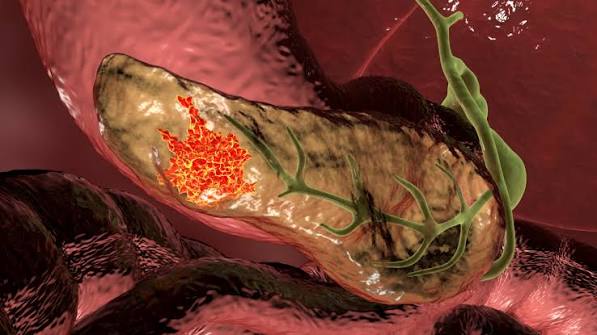
The most common cause of clinically significant steatorrhea in adults is exocrine pancreatic insufficiency (EPI) — a condition in which the pancreas cannot produce sufficient digestive enzymes to process dietary fat. Chronic pancreatitis is the leading underlying cause. Repeated episodes of pancreatic inflammation, most commonly from chronic alcohol use or recurrent gallstone-related acute pancreatitis, progressively destroy the exocrine tissue of the pancreas and replace it with fibrosis. By the time steatorrhea becomes apparent, approximately 90% of exocrine function has typically been lost — fat absorption remains near-normal until this threshold is crossed, at which point symptoms appear relatively suddenly from the patient’s perspective.
Chronic pancreatitis presents with a characteristic clinical triad: recurrent or constant epigastric or left upper quadrant pain (often radiating to the back), steatorrhea with greasy floating stool, and diabetes mellitus from progressive destruction of the islet cells that produce insulin. Not all three features are always present simultaneously, but steatorrhea is often the first symptom that prompts evaluation when pain has been attributed to other causes. Other causes of EPI include cystic fibrosis (the leading cause in children and young adults), pancreatic cancer involving the pancreatic body or tail, previous pancreatic surgery, and autoimmune pancreatitis. The treatment of EPI regardless of cause is pancreatic enzyme replacement therapy (PERT) — oral capsules containing lipase, protease, and amylase taken with each meal and snack to compensate for the pancreas’s reduced enzyme output.
The dose of PERT is titrated to symptom response. Most patients begin at 25,000–40,000 lipase units per main meal and 10,000–20,000 units with snacks, adjusting upward until stool normalizes. Patients who do not respond adequately to PERT should be evaluated for concurrent small intestinal bacterial overgrowth (SIBO), which can independently impair fat absorption, and for acid hypersecretion (as seen in some pancreatic disease patterns), which inactivates pancreatic enzymes in the duodenum. A proton pump inhibitor added to PERT can improve enzyme efficacy in these cases by optimizing duodenal pH.
Celiac Disease and Small Intestinal Mucosal Damage
Celiac disease is an autoimmune condition triggered by gluten — a protein found in wheat, barley, and rye — in genetically susceptible individuals. When gluten is ingested, the immune response damages the villi of the small intestinal mucosa, flattening the absorptive surface and dramatically reducing the intestine’s capacity to absorb nutrients including fat. The result is malabsorption syndrome, of which steatorrhea and greasy floating stool are prominent features. Other manifestations include diarrhea, abdominal bloating, weight loss, fatigue, iron-deficiency anemia (from impaired iron absorption in the proximal small intestine), and bone pain or fractures from vitamin D and calcium malabsorption.
Celiac disease affects approximately one percent of the population globally, though it is substantially underdiagnosed because many patients have atypical or minimal gastrointestinal symptoms. The diagnosis is established by a combination of serology — tissue transglutaminase IgA antibody (tTG-IgA) is the primary screening test — and upper endoscopy with duodenal biopsy showing villous atrophy and crypt hyperplasia. Testing should be performed while the patient is still consuming gluten; a gluten-free diet begun before testing normalizes the mucosa and can produce false-negative results. Treatment is strict, lifelong adherence to a gluten-free diet. Most patients experience significant symptomatic improvement and mucosal healing within weeks to months of beginning the diet, though complete histological recovery may take one to two years. Changes in bowel habits including persistent steatorrhea alongside diarrhea warrant celiac evaluation in adults of any age.
Crohn’s disease affecting the small intestine — particularly the terminal ileum — is another important mucosal cause of fat malabsorption and steatorrhea. The terminal ileum is the exclusive site of bile acid reabsorption; when Crohn’s inflammation or surgical resection damages or removes this region, bile acids are lost into the colon rather than recycled. The resulting bile acid deficiency impairs fat emulsification and produces steatorrhea (bile acid malabsorption). In addition, extensive Crohn’s involving the jejunum reduces absorptive surface area directly. Patients with ileal Crohn’s or previous ileal resection who develop greasy stool should be evaluated for this mechanism, as management with bile acid sequestrants or dietary fat modification differs from the treatment of pancreatic causes.
Bile Acid Deficiency and Cholestatic Liver Disease
Adequate bile acid delivery to the duodenum is essential for fat emulsification. Any condition that reduces bile production, impairs bile acid secretion, or blocks bile flow can reduce the bile acid concentration in the small intestine below the level needed for effective micelle formation. When this happens, fat absorption decreases and steatorrhea results. This mechanism is distinct from mucosal or enzymatic causes — the pancreas and intestinal epithelium may be entirely normal, but without adequate bile to emulsify fat, lipase cannot access its substrate efficiently.
Cholestatic liver diseases including primary biliary cholangitis, primary sclerosing cholangitis, and biliary obstruction from gallstones or tumors all reduce the delivery of bile acids to the duodenum. Greasy stool in these conditions typically accompanies other features of cholestasis — pale stool, dark urine, jaundice, and pruritus. Pale stool from liver or bile duct problems and greasy stool from fat malabsorption often coexist when biliary obstruction is severe, because the same reduction in bile delivery that removes bilirubin from the stool also impairs fat emulsification. Short bowel syndrome — occurring after extensive small intestinal resection — reduces the total length of intestine available for both bile acid reabsorption and fat absorption, creating a combined deficit that requires nutritional supplementation and sometimes parenteral nutrition.
When Greasy Stool Warrants Medical Evaluation
A single episode of greasy or floating stool after a particularly high-fat meal — a large portion of fried food, a rich cream sauce, or a very fatty cut of meat — is common and not clinically significant. Healthy individuals occasionally produce stool that floats or has a slight oily appearance when fat intake is unusually high relative to digestive capacity. The pattern that warrants evaluation is persistent steatorrhea — oily, floating, foul-smelling stools occurring consistently over weeks — especially when accompanied by weight loss, abdominal pain, diarrhea, or signs of nutritional deficiency.
Seek prompt evaluation for greasy stool accompanied by any of the following: unintentional weight loss of more than five to ten pounds; abdominal pain, especially if chronic or radiating to the back; a known history of chronic pancreatitis, cystic fibrosis, inflammatory bowel disease, or previous gastrointestinal surgery; signs of nutritional deficiency such as easy bruising (vitamin K), bone pain (vitamin D), or vision changes in low light (vitamin A); or new onset in a patient with previously stable gastrointestinal health. Laboratory evaluation typically begins with a complete blood count, comprehensive metabolic panel, and fat-soluble vitamin levels. A 72-hour fecal fat collection remains the gold standard for quantifying steatorrhea, though fecal elastase measurement is a simpler stool test that effectively screens for pancreatic exocrine insufficiency. Imaging of the pancreas with CT or MRCP is obtained when chronic pancreatitis or pancreatic cancer is suspected.
Dietary Management and Practical Considerations
While awaiting diagnosis or during treatment, several dietary modifications can reduce the severity of steatorrhea. Reducing total dietary fat intake decreases the amount of fat available for malabsorption, lessening stool oiliness and the associated discomfort. Medium-chain triglycerides (MCTs) — found in coconut oil and available as MCT oil supplements — are absorbed directly by the intestinal epithelium without requiring bile acid emulsification or pancreatic lipase, making them a useful fat source for patients with EPI or bile acid deficiency. MCT-enriched nutrition formulas are used clinically in patients with severe malabsorption who need caloric support while underlying causes are being treated.
Fat-soluble vitamin supplementation is an important component of long-term management for patients with chronic fat malabsorption. Because vitamins A, D, E, and K require bile and fat absorption to be absorbed normally, deficiencies develop progressively in untreated or undertreated steatorrhea. Water-miscible (emulsified) forms of fat-soluble vitamins are better absorbed than standard oil-based preparations in patients with severely impaired fat absorption. Monitoring vitamin D and bone density is particularly important for patients with chronic celiac disease, inflammatory bowel disease, or cholestatic liver disease, as osteoporosis is a common long-term complication. For most patients, addressing the underlying cause — whether with PERT, a gluten-free diet, or biliary intervention — substantially reduces or eliminates steatorrhea and the nutritional risks it carries.
Frequently Asked Questions About Greasy Stool
Why does greasy stool float?
Floating stool is commonly attributed to high fat content, and in patients with steatorrhea this is partly correct — fat is less dense than water. However, research indicates that gas content is actually the primary determinant of whether stool floats. Steatorrhea produces both increased fat and increased gas (from fermentation of unabsorbed nutrients in the colon), and the combination creates the characteristically buoyant, foul-smelling stool. In healthy individuals, floating stool after a high-fat meal is usually gas-related rather than indicative of fat malabsorption.
Can gluten cause greasy stool even in people without celiac disease?
Non-celiac gluten sensitivity (NCGS) can cause gastrointestinal symptoms including bloating, diarrhea, and abdominal discomfort in individuals who test negative for celiac disease and wheat allergy. However, NCGS does not cause the villous atrophy seen in celiac disease and does not typically produce significant steatorrhea. If greasy, floating stool is prominent alongside suspected gluten sensitivity, celiac disease and wheat allergy should be formally excluded before attributing the symptoms to NCGS, as the management — gluten-free diet — is the same, but the long-term complications and follow-up requirements differ significantly.
Is steatorrhea always related to the pancreas or small intestine?
No — while pancreatic and small intestinal causes are most common, steatorrhea can also result from conditions affecting bile delivery (liver disease, bile duct obstruction), lymphatic transport (intestinal lymphangiectasia, lymphoma), or even from medications. Orlistat, a weight-loss drug that inhibits pancreatic lipase, intentionally produces steatorrhea as part of its mechanism of action. Some antibiotics alter the gut microbiome in ways that can transiently impair fat absorption. The range of conditions affecting stool appearance is broad, and a systematic evaluation is needed to identify the specific cause in each patient.
How is exocrine pancreatic insufficiency diagnosed?
The most practical initial test is fecal elastase-1 (FE-1), measured in a single random stool sample. Elastase is a pancreatic enzyme that remains stable through intestinal transit, and its fecal concentration reflects pancreatic exocrine output. A value below 200 mcg/g is consistent with EPI; below 100 mcg/g indicates severe insufficiency. The 72-hour fecal fat collection quantifies steatorrhea directly but requires adherence to a 100 g/day fat diet and collection of all stool over three days, making it cumbersome. CT scan or MRCP of the pancreas can show structural changes of chronic pancreatitis (ductal dilation, calcifications, parenchymal atrophy) that support the diagnosis.
Can greasy stool be a sign of something serious?
In some cases, yes. Pancreatic cancer is among the causes of exocrine pancreatic insufficiency and steatorrhea, particularly when the tumor obstructs the pancreatic duct. Steatorrhea accompanied by painless jaundice, unexplained weight loss, or new-onset diabetes in an older adult is a pattern that should prompt imaging of the pancreas promptly. Most causes of steatorrhea are benign and treatable, but the minority that are malignant are best managed when identified early. This parallels the approach to other stool changes that can reflect either benign or serious underlying conditions.
Sources: NIDDK — Pancreatitis · ACG — Celiac Disease · Mayo Clinic — Stool Color Changes
Small Intestinal Bacterial Overgrowth and Tropical Sprue
Small intestinal bacterial overgrowth (SIBO) occurs when bacteria that normally populate the colon migrate into or proliferate excessively in the small intestine. In the small bowel, these bacteria compete with the host for ingested nutrients, ferment carbohydrates (producing gas and bloating), and deconjugate bile acids — converting conjugated bile acids into forms that are less effective at emulsifying fat. The resulting reduction in functional bile acid concentration can produce steatorrhea even in patients with entirely normal pancreatic function and an intact intestinal mucosa. SIBO is particularly common in patients with conditions that impair intestinal motility or anatomy: diabetes with autonomic neuropathy, scleroderma, Crohn’s disease strictures, previous small bowel surgery, and gastric bypass procedures that alter the normal flow of digestive secretions.
Diagnosis of SIBO is typically made with hydrogen breath testing (lactulose or glucose breath test) or, less commonly, with direct culture of small intestinal fluid obtained at upper endoscopy. Treatment is a course of antibiotics — rifaximin is preferred because it acts locally in the gut with minimal systemic absorption — followed by dietary modification and, if possible, correction of the underlying anatomical or motility abnormality that predisposed to bacterial overgrowth. Recurrence is common in patients with structural problems, and intermittent antibiotic courses are used for maintenance in those with chronic, relapsing SIBO. Fat absorption typically normalizes promptly after successful eradication of bacterial overgrowth, distinguishing this cause from the structural causes that require long-term enzyme replacement or dietary modification.
Tropical sprue is a malabsorption syndrome that occurs in individuals living in or returning from tropical regions — particularly parts of South and Southeast Asia, the Caribbean, and Central America. Its cause is not fully understood but is believed to involve infectious agents, altered gut flora, and nutritional factors. It produces progressive villous atrophy of the small intestinal mucosa similar in appearance to celiac disease but occurring in individuals who test negative for celiac-related antibodies. Clinical features include chronic diarrhea, greasy stool, weight loss, and megaloblastic anemia from folate and vitamin B12 deficiency. Treatment with long-term tetracycline and folate supplementation is typically effective. In travelers returning with persistent steatorrhea and diarrhea after time in endemic regions, tropical sprue should be considered alongside parasitic infections such as Giardia lamblia, which can independently impair fat absorption.
Whipple Disease and Rare Causes of Fat Malabsorption
Whipple disease is a rare systemic infection caused by Tropheryma whipplei, a bacterium that infects macrophages in the intestinal wall and lymph nodes, impairing fat transport through the lymphatic system. Despite its rarity, Whipple disease is clinically important because it is fatal if untreated but responds well to prolonged antibiotic therapy when diagnosed. The classic presentation includes steatorrhea with greasy, voluminous stool, severe weight loss, abdominal pain, and arthralgias that often precede gastrointestinal symptoms by years. Systemic features — including lymphadenopathy, skin hyperpigmentation, fever, and neurological manifestations such as dementia and ophthalmoplegia — help distinguish it from purely intestinal causes of fat malabsorption. Diagnosis is established by small bowel biopsy showing PAS-positive macrophages containing the bacteria, confirmed by PCR.
Intestinal lymphangiectasia — dilation and dysfunction of intestinal lymphatic vessels — produces steatorrhea through a different mechanism. Because fat absorbed by the enterocytes is normally transported in chylomicrons through intestinal lymphatics, obstruction or dilation of these vessels causes fat to leak back into the intestinal lumen rather than reaching the circulation. Primary intestinal lymphangiectasia is a congenital disorder; secondary forms occur with lymphoma, pericardial disease, retroperitoneal fibrosis, or any condition that obstructs lymphatic drainage. Treatment focuses on a very low fat diet with MCT oil supplementation (MCTs bypass the lymphatic system and are absorbed directly into the portal circulation) and addressing the underlying lymphatic obstruction where possible. These rarer causes reinforce the importance of systematic evaluation for persistent steatorrhea rather than attributing it to dietary factors without further investigation.
Monitoring nutritional status is an ongoing responsibility for patients with any cause of chronic fat malabsorption. Annual measurement of serum vitamin D (25-hydroxyvitamin D), vitamin A, vitamin E, vitamin K (assessed via prothrombin time or INR), zinc, and magnesium allows early detection and correction of deficiencies before they produce clinical consequences. Bone density measurement (DEXA scan) every one to two years is recommended for patients with longstanding malabsorption syndromes, as osteopenia and osteoporosis are among the most common and underrecognized complications. Patients with chronic pancreatitis additionally require monitoring for endocrine pancreatic insufficiency (diabetes), which may develop independently of or alongside exocrine insufficiency as the disease progresses. Close collaboration between gastroenterology, dietetics, and primary care optimizes outcomes for patients managing chronic fat malabsorption of any cause.