
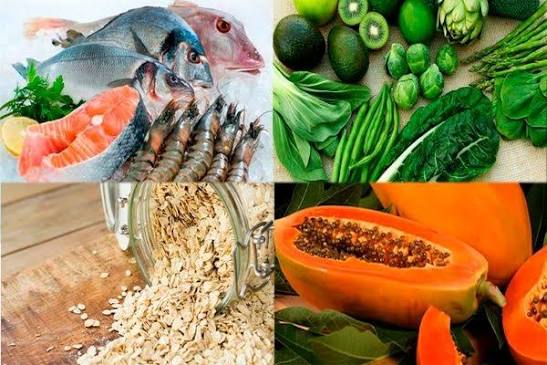
A well-planned grocery shopping guide for digestive health turns the supermarket from a source of gut-disruptive choices into your most powerful tool for building a diet that supports regular motility, a diverse microbiome, and a resilient intestinal epithelium. The foods in your kitchen determine the foods on your plate, and the foods on your plate determine the substrate available to the 38 trillion microorganisms in your gut — microbes whose collective activity shapes your immune function, neurotransmitter production, and inflammatory tone as much as any organ. Approaching the grocery shop with specific digestive health targets transforms a routine errand into a structured therapeutic intervention.
- Shop the perimeter first: fresh produce, lean proteins, and dairy provide the fibre, probiotics, and lean protein your gut needs; the interior aisles hold the processed foods that disrupt it
- Aim for 30+ different plant foods per week — variety drives microbiome diversity more than any single “superfood”
- Prioritise soluble fibre sources (oats, legumes, flaxseed, psyllium, apples, pears) for stool consistency and insoluble fibre sources (whole grains, vegetables) for transit speed
- Fermented foods — plain yoghurt, kefir, kimchi, miso, sauerkraut — introduce live bacteria and their metabolites; include at least one in every shop
- Three categories to minimise: ultra-processed foods (emulsifiers, artificial sweeteners), sugar-sweetened beverages, and red and processed meats — all well-evidenced for gut harm
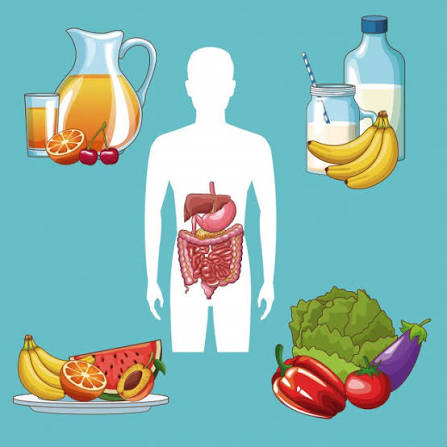
Why Grocery Shopping Decisions Are Gut Health Decisions
The gut microbiome is shaped primarily by diet — specifically by the diversity and types of fibre, polyphenols, fermented foods, and proteins that arrive in the colon. The most compelling evidence for this comes from the APC Microbiome Ireland research and from the landmark American Gut Project, which found that the single strongest predictor of gut microbiome diversity was the number of different plant foods eaten per week. People who ate 30 or more different plant foods weekly had significantly more diverse microbiomes than those eating fewer than 10 — regardless of whether their diet was vegetarian, vegan, omnivore, or otherwise categorised.
This finding has a direct practical implication for grocery shopping: diversity of plant-based purchases drives microbiome diversity more reliably than any single “superfood” addition. Buying five different types of vegetables rather than five bags of the same vegetable; choosing four different grains rather than only wheat; varying legume types weekly — these grocery decisions create the substrate variety that supports a rich microbiome architecture. Every grocery shop is an opportunity to increase the dietary variety that the gut microbiome depends on.
Produce Section: Best Vegetables for Digestive Health
The vegetable section is the most important area of any digestive health grocery shop. Vegetables provide insoluble fibre (which adds bulk and accelerates colonic transit), soluble fibre (which softens stool and provides prebiotic substrate), polyphenols (which directly support beneficial bacteria and inhibit pathogenic species), and water content (which hydrates the intestinal environment and stool). Rotating through a wide variety of vegetables weekly maximises the range of prebiotic fibres and polyphenol profiles available to the microbiome.
High-priority vegetables to buy every week:
- Leafy greens (spinach, kale, Swiss chard, rocket) — provide insoluble fibre, folate, magnesium, and polyphenols; spinach contains sulphoquinovose, a sugar that specifically feeds beneficial Bacteroidetes
- Broccoli and cruciferous vegetables (broccoli, cauliflower, Brussels sprouts, cabbage) — contain glucosinolates that gut bacteria convert to indoles with intestinal barrier-protective and anti-inflammatory properties
- Carrots — provide soluble pectin fibre and beta-carotene; cooked carrots are softer and the pectin is more bioavailable for gut bacteria
- Garlic and onions — among the richest dietary sources of fructooligosaccharides (FOS), a prebiotic fibre that specifically feeds Bifidobacterium and Lactobacillus species (note: avoid if FODMAP-sensitive with IBS — see our article on IBS diet: a practical guide)
- Sweet potatoes — provide soluble fibre, resistant starch when cooled after cooking, and beta-carotene with anti-inflammatory effects on the intestinal mucosa
- Artichokes — one of the richest dietary sources of inulin prebiotic fibre; even small amounts significantly increase Bifidobacterium populations
- Courgette, cucumber, capsicum — high water content, moderate fibre, easy to digest; good volume additions for salads and stir-fries
Buy at least 5 different vegetables per week, rotating at least 2–3 types each shop to build dietary variety. Seasonal and local vegetables generally have higher polyphenol content than out-of-season produce transported long distances. Frozen vegetables retain their fibre and most polyphenols and are a cost-effective and convenient way to maintain variety year-round. For the evidence on specific vegetables and gut health, see our article on vegetables for gut health.
Produce Section: Best Fruits for Digestive Health
Fruits provide soluble fibre (pectin, beta-glucan), natural sugars in a fibre matrix that moderates absorption, polyphenols, and specific compounds with targeted digestive benefits. Choosing whole fruits rather than fruit juices is essential — the fibre matrix of whole fruit provides prebiotic benefit, while fruit juice concentrates fructose and removes the protective fibre. For the evidence on fruits and digestion, see our article on fruits that support digestion.
- Kiwifruit — contains actinidin enzyme with prokinetic properties; 2 kiwis daily reduces constipation as effectively as psyllium in RCTs
- Pears and apples — rich in pectin soluble fibre; eat with skin for combined soluble and insoluble fibre
- Berries (blueberries, raspberries, strawberries, blackberries) — among the richest polyphenol sources available; berry polyphenols specifically support Akkermansia muciniphila, a keystone gut mucosa-protecting bacterium
- Bananas (ripe) — provide soluble pectin, potassium, and prebiotic resistant starch in unripe form; ripe bananas are ideal for reflux and sensitive guts; unripe bananas reduce diarrhea through tannin-mediated transit slowing
- Prunes and dried figs — concentrated prebiotic fibre and specific prokinetic compounds; 3–5 prunes daily is the most evidence-supported single food for constipation relief. For more, see our article on constipation diet: what to eat and limit
- Pomegranate — pomegranate polyphenols are fermented by gut bacteria to urolithins, metabolites with direct intestinal barrier-strengthening effects
The Grain Aisle: Choosing Whole Grains Over Refined
The grain aisle is where most digestive health grocery shopping goes wrong — refined grain products (white bread, white pasta, white rice, refined cereals) dominate supermarket shelves and provide essentially no benefit to gut health. Whole grain equivalents have substantially higher fibre content, lower glycaemic impact, and provide resistant starch and prebiotic fibres that the microbiome depends on.
Whole grain purchases to prioritise:
- Rolled oats and oat bran — the richest dietary source of beta-glucan soluble fibre; daily oat porridge is the single most practical high-impact digestive health breakfast choice
- Wholemeal bread — look for “wholemeal flour” as the first ingredient, not “wheat flour” (which is refined); aim for ≥3g fibre per slice
- Brown rice — contains the bran layer with insoluble fibre; cooling cooked brown rice increases resistant starch content, an important microbiome prebiotic
- Quinoa — a complete protein grain with both soluble and insoluble fibre; particularly useful for people needing to increase plant protein alongside fibre
- Rye crispbreads — rye has the highest fibre content of common grains (15g/100g) and is one of the most evidence-supported grains for gut transit and microbiome health
- Barley — exceptionally high in beta-glucan (4–6g/100g dry); used in soups, stews, and as a rice alternative
- Psyllium husk (in baking or health food aisle) — the highest-concentration soluble fibre supplement available; mixed into porridge, smoothies, or water adds a potent fibre boost
A practical label-reading rule: for breads and crackers, whole grain flour should be listed as the first ingredient and the fibre content should be ≥3g per serving. For cereals, choose products with ≥5g fibre per serving and ≤5g added sugar. For the full evidence on whole grains and digestion, see our article on whole grains and digestion.
Protein Sources: What to Buy
Protein source choices have major implications for gut health — not through the protein itself, but through what accompanies it. Fatty meats bring saturated fat that promotes gut dysbiosis; plant proteins bring fibre and polyphenols that feed beneficial bacteria; fish brings omega-3 fatty acids with anti-inflammatory effects on the intestinal mucosa.
Prioritise these protein sources:
- Oily fish (salmon, sardines, mackerel, herring, anchovies) — omega-3 fatty acids EPA and DHA reduce intestinal inflammation, support the mucus layer integrity, and promote beneficial bacteria associated with lower inflammation. Aim for 2–3 portions per week
- Canned fish (sardines in water, tuna, mackerel, anchovies) — a cost-effective, shelf-stable way to ensure regular oily fish intake; sardines with bones provide calcium alongside omega-3
- Legumes (dried or canned) — lentils, chickpeas, kidney beans, black beans, butter beans — provide 6–9g fibre per 100g cooked plus plant protein and resistant starch. Buy a different variety each week to build dietary diversity. Canned legumes are equally nutritious to dried with the convenience of ready-to-use; rinse canned legumes to reduce their sodium content
- Eggs — high-quality protein, choline for liver and gut function, and easily digestible; 4–7 eggs weekly is appropriate for most healthy people
- Tofu and tempeh — soy-based plant proteins; tempeh is fermented and provides probiotics alongside protein and prebiotics from the soy fibre
- Skinless chicken and turkey breast — lean protein with no fibre but without the saturated fat of red meat; a practical protein base for many meals
Limit or avoid: red and processed meats (beef, pork, lamb, bacon, sausages, salami) — associated with unfavourable microbiome shifts, reduced microbial diversity, and increased colonic cancer risk at high consumption levels. Limit to 1–2 servings per week at most.
Dairy and Fermented Foods
The dairy aisle contains both some of the most gut-beneficial foods available (fermented dairy rich in live cultures) and some of the least (full-fat processed cheeses high in saturated fat). The key distinction is fermentation: fermented dairy products have dramatically lower lactose content than fresh dairy, provide live bacterial cultures, and contribute to microbiome diversity.
- Plain yoghurt with live cultures — check for “live active cultures” or named bacterial strains on the label; avoid flavoured varieties that are high in added sugar. Full-fat, low-fat, and fat-free plain yoghurts all provide probiotics, though full-fat tends to be more satiating
- Kefir — a fermented milk drink with a broader range of bacterial strains than yoghurt (typically 12+ strains versus 2–3 in standard yoghurt); 150–200ml daily has been shown in RCTs to reduce constipation symptoms and improve stool consistency significantly
- Hard aged cheeses (cheddar, parmesan, gouda, gruyère) — low in lactose due to fermentation; contain bacterial cultures; reasonable in moderate amounts
- Lactose-free milk — appropriate for people with lactose intolerance who want dairy nutrition without digestive discomfort; provides calcium and vitamin D without the osmotic diarrhea lactose causes in sensitive individuals
Non-dairy fermented foods (often in the health food or international section):
- Kimchi — fermented cabbage with Lactobacillus species, fibre, and polyphenols; multiple trials show improved gut microbiome diversity with regular kimchi consumption
- Sauerkraut (unpasteurised, refrigerated) — pasteurised sauerkraut (shelf-stable) has killed bacteria; only refrigerated, unpasteurised sauerkraut provides live cultures
- Miso paste — fermented soybean paste; high in sodium but used in small quantities provides probiotics and umami flavour; miso soup is a practical daily fermented food vehicle
- Tempeh — fermented soy product with live cultures and 3–4x the fibre of regular tofu
Pantry Staples for a Gut-Healthy Kitchen
A well-stocked gut-health pantry ensures that digestive-supportive meals can be prepared even when fresh produce runs low:
- Extra-virgin olive oil — the primary cooking and dressing fat; polyphenols support beneficial bacteria and intestinal barrier integrity
- Canned tomatoes — lycopene (in cooked tomatoes) is bioavailable and associated with reduced intestinal inflammation; tomato sauce provides a convenient polyphenol-rich base for many gut-friendly meals
- Ground flaxseed — tablespoon daily into porridge or yoghurt provides 3g fibre plus mucilaginous soluble fibre and omega-3 ALA; must be ground (not whole) for fibre bioavailability
- Almonds and walnuts — both provide prebiotic fibre, polyphenols, and unsaturated fats; walnuts specifically support Akkermansia and Bifidobacterium populations
- Dark chocolate (70%+ cocoa) — cocoa polyphenols are fermented by gut bacteria into anti-inflammatory metabolites; 20–30g daily is associated with increased Lactobacillus and Bifidobacterium in intervention studies
- Apple cider vinegar and other fermented condiments — provide live bacteria and acetic acid; small amounts (1 tablespoon daily) as a dressing base
- Ginger (fresh or dried) — gastroprokinetic properties accelerate gastric emptying; anti-nausea effects; anti-inflammatory compounds support intestinal mucosa
- Turmeric — curcumin has direct anti-inflammatory effects on intestinal epithelium and modulates gut microbiome composition; best absorbed with black pepper (piperine increases curcumin bioavailability by 2000%)
Foods to Skip on Every Digestive Health Shop
Identifying the gut-disruptive products to leave on the shelf is as important as selecting the gut-supportive ones:
- Sugar-sweetened beverages — soft drinks, fruit juices, energy drinks, flavoured coffees, sweetened teas — directly feed pathogenic bacteria, drive dysbiosis, and increase intestinal permeability. This is the single highest-priority category to eliminate. For the evidence, see our article on sugar and gut health
- Ultra-processed foods with emulsifiers — carboxymethylcellulose (CMC) and polysorbate 80, found in many packaged biscuits, breads, and ready meals, have been shown in mouse and human studies to disrupt the intestinal mucus layer and promote bacterial translocation. Look for these in the ingredients list and avoid. For the full evidence, see our article on ultra-processed foods and digestion
- Products with artificial sweeteners — saccharin, sucralose, and aspartame have been shown in multiple studies to disrupt the gut microbiome negatively, reducing beneficial bacteria diversity; choose products sweetened with small amounts of sugar, honey, or maple syrup over artificial alternatives
- Processed meats — bacon, sausages, salami, deli meats — contain nitrosamines with direct gut mucosal toxicity and are associated with reduced microbiome diversity in epidemiological studies
- White refined grain products when whole grain equivalents are available — white bread, white pasta, white rice — provide calories without the fibre and prebiotic benefit
- High-fat fried foods — chips, fried snacks, doughnuts — promote gut dysbiosis and, for those prone to acid reflux, worsen LOS function. For the evidence, see our article on fatty foods and acid reflux
A Practical Weekly Digestive Health Shopping List
Produce (fresh or frozen): Spinach or kale (bag), broccoli, carrots (bag), sweet potatoes, garlic, onions, courgette or capsicum, plus 1–2 seasonal vegetables. Bananas (ripe and semi-ripe), apples or pears, berries (fresh or frozen), kiwifruit, 1–2 other seasonal fruits.
Grains: Rolled oats (large tub), wholemeal bread (or sourdough), brown rice or quinoa, rye crispbreads, 1 bag of whole grain pasta. Optional: barley for soups.
Protein: 2–3 portions oily fish (fresh or frozen salmon, mackerel, sardines), 2–3 cans of legumes (rotate varieties weekly: chickpeas, lentils, kidney beans), eggs (6–12), plain chicken or turkey breast. Optional: tofu or tempeh.
Fermented dairy: Large plain yoghurt (with live cultures), kefir (if tolerated), hard cheese in small quantity.
Pantry: Extra-virgin olive oil (replenish as needed), canned sardines (shelf-stable backup), ground flaxseed, walnuts, almonds, dark chocolate (70%+ cocoa), canned tomatoes.
Fermented non-dairy (refrigerated section or health food aisle): Kimchi or sauerkraut (unpasteurised, refrigerated), miso paste.
This list provides approximately 25–35g fibre daily, 20+ different plant foods per week, 2+ weekly oily fish servings, and daily probiotic exposure — the dietary targets most strongly associated with optimal gut microbiome health. For the specific evidence on how meal timing and eating patterns interact with this food selection, see our article on meal timing and digestive comfort.
Frequently Asked Questions
Q: How much should I expect to spend on a digestive-health grocery shop?
A: A digestive health grocery approach does not require a premium budget. The highest-value gut health foods — rolled oats, dried or canned legumes, frozen vegetables and fruit, eggs, plain yoghurt, canned sardines, brown rice, and rye crispbreads — are among the most affordable foods available and often cheaper per serving than the ultra-processed packaged foods they replace. The genuinely higher-cost items (fresh salmon, kefir, kimchi, walnuts) can be incorporated selectively or substituted with more affordable equivalents (canned mackerel or sardines instead of fresh salmon; plain yoghurt instead of kefir; frozen berries instead of fresh). A practical weekly digestive health shop typically costs no more than a standard grocery shop because it reallocates spending from expensive ultra-processed convenience foods to higher-value whole foods.
Q: Are frozen vegetables as good as fresh for gut health?
A: For most purposes, yes — and in some cases frozen vegetables are nutritionally superior. Frozen vegetables are typically blanched and frozen within hours of harvest, preserving their fibre content completely and retaining most of their water-soluble polyphenols and vitamins. Fresh vegetables shipped long distances may lose up to 50% of some vitamins and polyphenols during transit and storage. Frozen vegetables are a practical and cost-effective way to maintain high vegetable variety year-round without food waste. The fibre content — which is the most important gut health contribution of vegetables — is essentially identical between fresh and frozen. The only meaningful difference is texture: frozen vegetables are softer when cooked, which suits some preparations (soups, stir-fries) better than others (salads, where fresh is preferred).
Q: Does sourdough bread count as a gut-healthy bread?
A: Sourdough bread made through traditional long fermentation has several advantages over standard bread. The lactic acid bacteria involved in sourdough fermentation partially break down the phytates in the grain (improving mineral absorption), partially pre-digest the gluten (making sourdough better tolerated by some people with non-coeliac gluten sensitivity), and lower the bread’s glycaemic index compared to standard yeasted bread. Whole grain sourdough provides all of these benefits plus higher fibre content; white sourdough still offers the fermentation benefits without the fibre. However, many commercial “sourdough” products use added acid (vinegar) to simulate sourdough flavour without the live fermentation process — look for long fermentation times (12–24 hours) listed on the label or from reputable artisan bakeries. Traditional long-fermented wholemeal sourdough is one of the best bread choices for digestive health.
Q: How do I increase my plant food variety without spending more time cooking?
A: Several practical strategies increase plant variety with minimal additional preparation time. Buying pre-washed mixed salad bags eliminates washing multiple individual leaves and can include 5–7 different greens in one purchase. Keeping a rotation of 3–4 types of canned legumes in the pantry and adding a different variety to salads, soups, or wraps each day costs almost no additional preparation time. Frozen mixed vegetable packs (typically containing 4–6 vegetables) add variety to stir-fries, soups, and curries without chopping multiple individual vegetables. Spice blends that contain 4–6 spices (such as ras el hanout, baharat, or garam masala) each contribute a different plant food. Buying a bag of mixed nuts rather than a single type adds 3–5 plant varieties as a snack with no preparation. Together these strategies can add 10–15 additional plant variety units to a weekly shop without changing cooking time significantly.
Q: What is the most important single change I can make at the supermarket for gut health?
A: Stop buying sugar-sweetened beverages. The evidence for their harm to gut health is among the strongest and most consistent of any dietary factor — they drive gut dysbiosis, increase intestinal permeability, reduce microbiome diversity, and provide no nutritional benefit. Replacing them with still water, herbal teas, or plain sparkling water eliminates one of the most gut-disruptive items from most shopping trolleys immediately. The second most impactful change is adding a probiotic fermented food to every shop — plain yoghurt or kefir represents a simple, low-cost addition with direct microbiome benefits. These two changes together — stopping sugar-sweetened beverages and adding daily probiotic food — produce meaningful gut microbiome improvements within 4–6 weeks in most people.
Q: Does organic produce offer digestive health benefits over conventional?
A: The evidence for organic produce offering significant digestive health advantages over conventional produce is limited and inconsistent. The main hypothesised benefit — higher polyphenol content in organically grown produce due to the stress response triggered by absence of pesticides — has been demonstrated in some crops (particularly tomatoes, apples, and berries) but not consistently across all produce types. Fibre content, the most important gut health contribution of most vegetables and fruits, is equivalent between organic and conventional equivalents. The most evidence-supported priority remains eating a high quantity and variety of produce — organic or conventional — rather than optimising for organic status of a smaller produce variety. If budget is limited, spending on organic is less valuable for gut health than using that budget to increase total plant food variety.
Q: Should I buy prebiotics and probiotic supplements instead of food sources?
A: Food-based prebiotics and probiotics are preferable to supplements for most people for several reasons. Food sources deliver probiotics in a matrix that provides buffering from stomach acid (the food itself buffers pH), along with prebiotic fibre that feeds the introduced bacteria (providing the substrate needed for colonisation), and diverse co-compounds (polyphenols, vitamins, minerals) that support the broader gut environment. Supplements can be appropriate when specific strains at clinical doses are needed (for example, Lactobacillus rhamnosus GG for antibiotic-associated diarrhea prevention, or Saccharomyces boulardii for traveller’s diarrhea) — situations where specific strains at specific doses have level 1 evidence for specific indications. For general microbiome support, a daily portion of plain yoghurt or kefir alongside a high-diversity plant diet is more beneficial than most general probiotic supplements.
Consider a dietary review and medical consultation if you regularly experience:
- Chronic bloating or distension after most meals — may indicate dysbiosis, food intolerances, or SIBO
- Irregular bowel movements (fewer than 3/week or more than 3/day consistently) — diet is the primary modifiable driver in most functional cases
- Persistent fatigue with GI symptoms — gut dysbiosis can impair nutrient absorption and drive systemic inflammation
- Frequent antibiotic courses — each course significantly disrupts microbiome diversity; probiotic support and high-diversity plant diet after antibiotics accelerates recovery
- Rectal bleeding, significant unintended weight loss, or nocturnal symptoms — these are not explainable by diet alone and require medical evaluation regardless of dietary changes
This article is for educational purposes only and does not constitute medical advice. Always consult a qualified healthcare provider for personalised dietary guidance.
- McDonald D, et al. “American Gut: an open platform for citizen science microbiome research.” mSystems. 2018;3(3):e00031-18.
- Dahl WJ, et al. “Review of the health benefits of peas (Pisum sativum L.).” British Journal of Nutrition. 2012;108(S1):S3-S10.
- Sonnenburg JL, et al. “Diet-induced extinctions in the gut microbiota compound over generations.” Nature. 2016;529(7585):212-215.
- Zmora N, et al. “Personalized gut mucosal colonization resistance to empiric probiotics is associated with unique host and microbiome features.” Cell. 2018;174(6):1388-1405.
- Zhao L, et al. “Gut bacteria selectively promoted by dietary fibers alleviate type 2 diabetes.” Science. 2018;359(6380):1151-1156.
- Zinöcker MK, et al. “The Western diet–microbiome-host interaction and its role in metabolic disease.” Nutrients. 2018;10(3):365.
- Dahl WJ, et al. “Review of the health benefits of peas.” British Journal of Nutrition. 2012;108(S1):S3-S10.
- Valdes AM, et al. “Role of the gut microbiota in nutrition and health.” BMJ. 2018;361:k2179.
- Wastyk HC, et al. “Gut-microbiota-targeted diets modulate human immune status.” Cell. 2021;184(16):4137-4153.
- Chassaing B, et al. “Dietary emulsifiers impact the mouse gut microbiota promoting colitis and metabolic syndrome.” Nature. 2015;519(7541):92-96.
The 30 plant foods per week target is something I’ve read about before but never had a practical framework for how to actually count them or achieve them without it becoming an obsessive tracking exercise. The tips here — mixed salad bags counting as 5-7 plants in one purchase, rotating different legume varieties each day, spice blends counting as 4-6 plant foods — make it feel genuinely achievable rather than theoretical. I was also surprised to read that frozen vegetables can be nutritionally superior to fresh in some cases because of the time between harvest and freezing. I’ve been avoiding frozen vegetables out of some vague sense they were inferior, which is apparently not supported by the evidence. Both revelations.
The 30-plant target becomes much more manageable once you start counting everything — whole spices, herbs, nuts, seeds, legumes, grains, and teas all count alongside vegetables and fruits. A typical ‘healthy’ day that includes porridge with walnuts and berries (5 plants: oats, walnuts, 3 berry types), a salad with mixed leaves and chickpeas (6-8 plants), and a stir-fry with 4 vegetables and brown rice (5 plants) already reaches 16-18 plants without any special effort. Adding the habit of rotating legume types (lentils one day, chickpeas the next, black beans the next), buying mixed nut and seed combinations rather than single varieties, and choosing spice blends with 5-6 named spices typically brings the weekly total to 25-30 without tracking. The frozen vegetables point is worth emphasising — the evidence for polyphenol and vitamin retention in properly frozen produce is strong, and for people without access to quality fresh produce year-round, buying frozen of the high-value items (spinach, edamame, mixed berries) is a nutritionally sound and often more economical choice.
I’ve been buying ‘sourdough’ bread at the supermarket thinking it was equivalent to proper artisan sourdough, and the information here about commercial sourdough using added acid rather than actual fermentation to simulate the flavour is something I genuinely didn’t know. The practical test — looking for long fermentation times listed on the label — changes how I’ll read bread labels from now on. Also the emulsifier information (carboxymethylcellulose, polysorbate 80) is the kind of specific actionable ingredient list that I can actually use to make better choices in the packaged goods aisle, rather than just ‘avoid ultra-processed foods’ which is too vague to act on at the shelf.