
Shortness of breath — the medical term is dyspnea — is one of the most alarming symptoms a person with kidney disease can experience, and with good reason: in the context of CKD, it can signal any of several serious conditions, from fluid overload threatening to drown the lungs, to severe anemia starving the tissues of oxygen, to metabolic acidosis forcing the body into a compensatory breathing pattern. Up to 60 to 70 percent of people with end-stage renal disease report some degree of breathlessness, making it one of the most prevalent symptoms in the advanced kidney disease population. Unlike many kidney disease symptoms that develop gradually and are easy to normalize, shortness of breath is hard to ignore and tends to drive patients to seek evaluation — which is appropriate, because in most cases it reflects something that needs to be addressed.
The connection between the kidneys and the lungs is less intuitive than the connection between the kidneys and fluid in the legs or fatigue from anemia, but it is just as direct. The kidneys regulate the body’s fluid volume, acid-base balance, red blood cell production, and the health of the heart — and all four of these functions, when impaired, affect the ability to breathe normally. This guide explains each of the kidney-related causes of dyspnea, how to distinguish them, when shortness of breath becomes a medical emergency, and how each cause is treated.
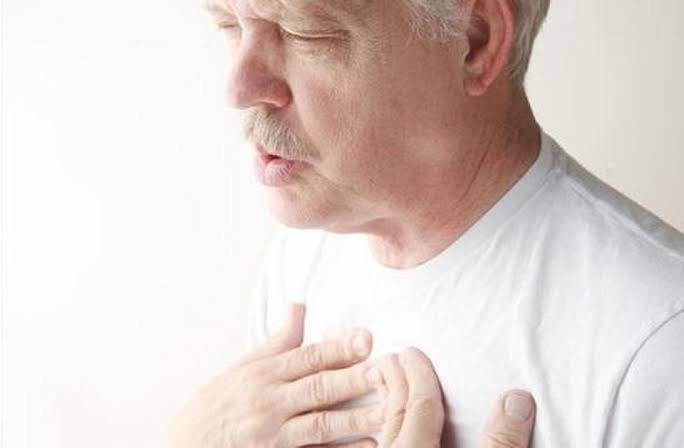
The Kidney-Lung Connection
The kidneys and lungs are linked through the body’s fundamental physiology in ways that make kidney failure reliably impactful on breathing. The kidneys control how much fluid stays in the circulatory system — when they fail, that fluid accumulates and, if left unchecked, eventually backs up into the lungs. The kidneys control blood pH through acid excretion and bicarbonate regeneration — when that capacity is lost, the lungs must take over the acid-buffering role by increasing the rate and depth of breathing. The kidneys produce erythropoietin (EPO), the hormone that stimulates red blood cell production — when EPO production falls, hemoglobin drops, and the reduced oxygen-carrying capacity of the blood produces breathlessness on exertion. Each pathway is distinct, produces a recognizable clinical pattern, and is amenable to treatment when properly identified.
Fluid Overload and Pulmonary Edema
The most immediately dangerous cause of shortness of breath in kidney disease is fluid overload accumulating in the lungs — called pulmonary edema. When the kidneys can no longer excrete the sodium and water that the body takes in through food and drink, fluid accumulates in the blood vessels. The resulting increase in hydrostatic pressure in the pulmonary capillaries forces fluid across the capillary wall and into the alveolar spaces — the tiny air sacs where oxygen crosses into the blood. When the alveoli flood with fluid, gas exchange fails and the oxygen content of the blood drops rapidly. This is a life-threatening emergency.
The warning signs of pulmonary edema from fluid overload have a recognizable pattern. Orthopnea — breathlessness that worsens when lying flat and improves when sitting upright — occurs because the supine position redistributes fluid from the legs and abdomen into the thorax, raising pulmonary capillary pressure. Paroxysmal nocturnal dyspnea — episodes of waking from sleep in a panic, gasping for breath — follows the same mechanism during the night. Bibasilar lung crackles, rapid weight gain over days, increasing lower-extremity edema, and jugular venous distension at rest are additional signs. According to the National Institute of Diabetes and Digestive and Kidney Diseases, fluid overload and pulmonary edema are among the most common reasons for urgent or emergent initiation of dialysis in people who have not yet started renal replacement therapy.
Treatment requires removing the excess fluid. For patients on dialysis, this means adjusting the ultrafiltration target for the next session or, in acute pulmonary edema, starting an emergency dialysis session. For patients with residual kidney function, high-dose intravenous loop diuretics promote rapid urinary fluid excretion. The guide on swollen feet and kidney problems covers the sodium and fluid retention that drives this same process in the peripheral circulation.
Anemia and Breathlessness on Exertion
Anemia is the most common cause of exertional dyspnea in people with CKD who are not in acute fluid overload. The kidneys produce erythropoietin (EPO), the hormone that signals the bone marrow to produce red blood cells. As kidney function declines, EPO production falls proportionally. Without adequate EPO stimulation, red blood cell production slows, and hemoglobin falls. In untreated advanced CKD, hemoglobin of 8 to 10 g/dL is typical, compared to a normal range of 12 to 16 g/dL in women and 13.5 to 17.5 g/dL in men.
Anemia from CKD is distinguished from fluid overload dyspnea by its exertional pattern: it is present with activity but minimal at rest, and is not associated with orthopnea or paroxysmal nocturnal dyspnea unless severe. It is accompanied by pallor, easy fatigability, and a chronically low energy level that is described in detail in the article on fatigue and kidney disease. Treatment uses erythropoiesis-stimulating agents (ESAs) such as epoetin alfa or darbepoetin alfa. The National Kidney Foundation recommends a target hemoglobin of 10 to 11 g/dL for most CKD patients receiving ESA therapy. Iron deficiency frequently coexists and must be corrected before ESA therapy can be effective. The guide on kidney health numbers every adult should know explains hemoglobin, ferritin, and transferrin saturation targets in CKD anemia management.
Metabolic Acidosis and Rapid Breathing
The kidneys are responsible for eliminating the acid produced by normal metabolism — primarily through excreting hydrogen ions in the urine and regenerating bicarbonate, the blood’s primary acid buffer. In CKD, both of these functions are impaired, leading to metabolic acidosis. The lungs attempt to reduce blood acidity by blowing off carbon dioxide through hyperventilation, producing the characteristic Kussmaul breathing — deep, rapid, labored respiration that may look like extreme exertion even at rest. A serum bicarbonate below 22 mEq/L on routine labs is the laboratory marker. Treatment involves sodium bicarbonate tablets taken daily to replenish the bicarbonate buffer; in dialysis patients, the dialysate provides most of the buffering.

Pericarditis and Pericardial Effusion
Uremic pericarditis — inflammation of the sac surrounding the heart caused by uremic toxin accumulation — is a complication of poorly controlled advanced kidney disease or ESRD. Uremic toxins irritate the pericardial lining, producing inflammation, fibrin deposition, and eventually a pericardial effusion (fluid accumulation in the pericardial space). As the effusion grows, it compresses the heart and impairs its ability to fill with blood — cardiac tamponade. The classic triad of cardiac tamponade — hypotension, elevated jugular venous pressure, and muffled heart sounds — is a medical emergency requiring immediate pericardiocentesis (needle drainage of the pericardial fluid). Treatment of uremic pericarditis before it progresses to tamponade involves intensifying dialysis to reduce the uremic toxin burden.
Heart Failure and Cardiomyopathy in Kidney Disease
CKD promotes heart failure through several simultaneous mechanisms. Chronic anemia increases cardiac output demands over time, eventually producing left ventricular dilation and hypertrophy. Hypertension — nearly universal in CKD due to fluid retention and RAAS activation — produces pressure overload on the left ventricle. In dialysis patients with arteriovenous fistulas, the high-flow arteriovenous shunt increases cardiac preload further. The result is a cardiomyopathy that produces dyspnea on exertion, orthopnea, PND, and edema. The American Heart Association identifies CKD as one of the strongest risk factors for cardiovascular disease, with dialysis patients having cardiovascular mortality rates more than ten times higher than the general population. The Mayo Clinic guide on shortness of breath outlines the range of cardiac and pulmonary causes that require investigation in any patient with persistent dyspnea.
When Shortness of Breath Is an Emergency
Certain features require immediate emergency evaluation — calling 911 or going to the nearest emergency room without delay: sudden-onset severe shortness of breath at rest; breathlessness that makes it impossible to lie flat; frothy, pink-tinged sputum; confusion, altered mental status, or loss of consciousness accompanying breathlessness; and chest pain accompanying dyspnea. In a dialysis patient who has missed several sessions, any significant dyspnea should be treated as presumed fluid overload and evaluated urgently, because missed dialysis sessions allow rapid fluid accumulation that can produce pulmonary edema. The foundational article on what is chronic kidney disease helps readers understand how CKD progresses and why fluid and metabolic emergencies become more likely in advanced stages.
Frequently Asked Questions
Can kidney disease cause shortness of breath?
Yes. Kidney disease causes shortness of breath through multiple mechanisms: fluid overload in the lungs (pulmonary edema), anemia that reduces oxygen-carrying capacity, metabolic acidosis that forces compensatory hyperventilation, uremic pericarditis with pericardial effusion, and CKD-related cardiomyopathy. The specific pattern of breathlessness — at rest versus on exertion, with or without orthopnea, with or without chest pain — helps distinguish between these causes and guides treatment.
What does fluid in the lungs feel like with kidney disease?
Fluid in the lungs from kidney failure typically causes breathlessness that is worse when lying flat (orthopnea), paroxysmal nocturnal dyspnea (waking from sleep unable to breathe), rapid shallow breathing, and a sense of suffocation or drowning. There may be an audible gurgling or crackling sound with breathing. The preceding signs — progressive weight gain over days, increasing leg swelling, worsening breathlessness on exertion — typically provide warning before it becomes critical.
How does anemia from kidney disease cause breathlessness?
Kidney disease reduces production of erythropoietin (EPO), the hormone that drives red blood cell production. Fewer red blood cells means less hemoglobin, and less hemoglobin means less oxygen delivered to muscles and organs during activity. The body responds by breathing faster and the heart beating faster to compensate, but during physical activity these compensatory mechanisms reach their limit and breathlessness results. Anemia-related dyspnea is characteristically exertional and is accompanied by pallor and persistent fatigue.
Is shortness of breath with kidney disease always an emergency?
Not always, but it should be evaluated promptly. Mild exertional dyspnea from anemia in a patient with known CKD and a stable hemoglobin of 9 g/dL is not an emergency — it is a manageable chronic symptom. Sudden, severe breathlessness at rest, breathlessness that prevents lying flat, or any dyspnea accompanied by chest pain, confusion, or pink frothy sputum is an emergency requiring 911 or immediate ER evaluation.
How is shortness of breath treated in CKD?
Treatment depends entirely on the cause. Fluid overload and pulmonary edema are treated with dialysis (ultrafiltration) and, in patients with residual kidney function, intravenous diuretics. Anemia is treated with erythropoiesis-stimulating agents (ESAs) and iron supplementation. Metabolic acidosis is treated with sodium bicarbonate supplementation and dialysis. Uremic pericarditis is treated by intensifying dialysis and, if tamponade develops, pericardiocentesis. Accurate identification of the specific cause is the prerequisite for effective treatment, which is why new or worsening shortness of breath in a CKD patient warrants clinical evaluation rather than self-management.
Pleural Effusions in Kidney Disease
In addition to fluid accumulating inside the alveoli (pulmonary edema), kidney disease can cause fluid to collect in the pleural space — the narrow cavity between the lung and the chest wall. This is called a pleural effusion. In CKD, pleural effusions are most commonly transudative, meaning they result from elevated hydrostatic pressure in the blood vessels caused by fluid overload — the same mechanism driving peripheral edema and pulmonary edema. Fluid seeps through the capillary wall into the pleural space, compressing the adjacent lung tissue and reducing the volume available for breathing. The resulting breathlessness is proportional to the size of the effusion and is typically worse when lying on the side of the effusion.
Smaller transudative pleural effusions often resolve with fluid removal through dialysis or diuresis. Larger effusions that produce significant breathlessness, or that recur frequently despite attempts to achieve dry weight, may require thoracentesis — a procedure in which a needle is inserted between the ribs to drain the pleural space. Uremic pleuritis, a less common cause of pleural effusion in CKD, produces an exudative effusion (one rich in protein and inflammatory cells) and may cause pleuritic chest pain similar to that seen with uremic pericarditis. Uremic pleuritis is treated by intensifying dialysis.
Managing Breathlessness Between Dialysis Sessions
Hemodialysis patients face a specific challenge: the fluid that enters the body through food and drink between sessions must be removed at the next session. The longer the gap between sessions — and the weekend gap (typically 68 hours, compared to 44 hours between weekday sessions) is the most taxing — the more fluid must be removed and the greater the risk of breathlessness and pulmonary edema developing before the session begins. Patients who arrive at Monday dialysis with extreme breathlessness, severe hypertension, and weight gain far above their interdialytic target have often consumed too much sodium and fluid over the weekend.
Practical strategies for managing breathlessness between sessions include: strict adherence to dietary sodium restriction (since sodium intake drives thirst and fluid retention); accurate daily weight monitoring at home and knowing the weight at which to call the dialysis center; sleeping with the head of the bed elevated (which reduces orthopnea by preventing fluid redistribution from legs to lungs during sleep); and having a clear plan for what to do if breathlessness becomes severe overnight — which is to call 911 or go to an emergency room rather than wait for the next scheduled session.
For non-dialysis CKD patients who are not yet on renal replacement therapy, diuretics — particularly loop diuretics such as furosemide or torsemide — provide the mechanism for removing accumulated fluid through the urine. The appropriate dose is determined by the nephrologist based on residual kidney function and daily urine output. Patients should understand that diuretics work best when combined with sodium and fluid restriction, and that stopping diuretics or missing doses allows fluid to re-accumulate. The guide on nausea and kidney problems addresses the related symptom burden that often accompanies advanced CKD alongside breathlessness and fluid retention.
Shortness of Breath After Kidney Transplant
Kidney transplant recipients are not immune from breathlessness, and the causes shift after successful transplantation. In the early post-transplant period, breathlessness may result from residual fluid overload that was present at the time of transplant (usually resolving within days as the new kidney begins excreting urine) or from pulmonary complications of surgery. Immunosuppressive medications — particularly calcineurin inhibitors (tacrolimus, cyclosporine) — can cause hypertension that stresses the heart, and the cardiac changes from years of uremia do not reverse immediately after transplant. Left ventricular hypertrophy and diastolic dysfunction that developed during dialysis may persist for months to years, producing exertional dyspnea even with a functioning graft.
A significant concern in transplant recipients with breathlessness is opportunistic pulmonary infection. The immunosuppression required to prevent rejection also impairs the immune defense against respiratory pathogens including Pneumocystis jirovecii (PCP), cytomegalovirus (CMV), fungal infections, and atypical bacteria. These infections can produce breathlessness, fever, and declining oxygen saturation and require prompt evaluation — typically with chest imaging (CT scan) and bronchoscopy if the diagnosis is uncertain. Prophylactic trimethoprim-sulfamethoxazole (TMP-SMX) is given in the early post-transplant period specifically to prevent PCP pneumonia.
Pulmonary Hypertension in Kidney Disease
Pulmonary hypertension — elevated blood pressure in the arteries that supply the lungs — is more common in CKD and dialysis patients than in the general population, and it produces a characteristic form of breathlessness that is often progressive and disproportionate to the apparent cardiac or pulmonary disease. In CKD, pulmonary hypertension develops through several interconnected pathways. Chronic fluid overload increases blood return to the right side of the heart, raising pulmonary blood flow and over time increasing pulmonary arterial pressure. Uremic toxins and systemic inflammation damage the pulmonary vascular endothelium and promote vascular remodeling. In hemodialysis patients with arteriovenous fistulas, the high-volume shunt of blood from the arterial to the venous system significantly increases cardiac output, which translates into elevated pulmonary blood flow and, in susceptible patients, pulmonary hypertension.
The breathlessness of pulmonary hypertension is typically exertional early and becomes present at rest as the disease progresses. It is often accompanied by reduced exercise tolerance, easy fatigability, and in advanced cases by right heart failure — characterized by lower extremity edema, jugular venous distension, and a reduced ability to increase cardiac output on demand. Echocardiography is the standard screening test for elevated pulmonary pressures and is routinely performed in dialysis patients as part of cardiac surveillance. Right heart catheterization provides the definitive pressure measurements when clinical management requires accurate pulmonary pressure data.
Managing pulmonary hypertension in CKD involves addressing the modifiable contributors: achieving and maintaining dry weight with dialysis, treating anemia to reduce the high-output state, and optimizing blood pressure control. In patients with a confirmed diagnosis of pulmonary arterial hypertension (a specific subtype with a distinct pathophysiology), pulmonary vasodilator medications — phosphodiesterase-5 inhibitors, endothelin receptor antagonists, prostacyclin analogs — may be used under the supervision of a pulmonologist or cardiologist with expertise in pulmonary vascular disease. These medications require careful dose adjustment in kidney disease due to altered pharmacokinetics and potential effects on systemic blood pressure.
Communicating Breathlessness to Your Care Team
Shortness of breath is a symptom that carries different clinical weight depending on how it is described. A patient who reports “I’ve been a little more short of breath” and a patient who reports “I cannot walk to the bathroom without stopping, I cannot sleep lying down, and I gained 4 kilograms since my last session” are conveying vastly different degrees of urgency — and the care team needs the more specific description to respond appropriately. When communicating breathlessness to a nephrologist, dialysis nurse, or emergency physician, the most useful information includes: when it started (sudden vs. gradual), whether it is present at rest or only with activity, whether lying flat makes it worse, what triggers it, whether it has changed since the last session, and what other symptoms accompany it (leg swelling, chest pain, nausea, fever).
Home weight monitoring is one of the most powerful tools for anticipating and preventing severe breathlessness in dialysis patients. A weight that has risen 2 to 3 kg above dry weight between sessions represents a substantial volume of extra fluid; at 4 to 5 kg above dry weight, pulmonary congestion is common. Knowing your dry weight, weighing yourself every morning before eating or drinking, and calling the dialysis center when weight is rising faster than expected gives the team an opportunity to intervene before breathlessness becomes severe. The same principle applies to monitoring blood pressure at home — a rising trend may reflect volume accumulation before overt breathlessness develops. The numbers guide at kidney health numbers every adult should know and the overview at what is chronic kidney disease provide the foundational context for understanding which measurements matter most and what changes should prompt a call to the care team.
Sources: National Institute of Diabetes and Digestive and Kidney Diseases (NIDDK) — CKD; National Kidney Foundation — Anemia and Heart Disease in CKD; American Heart Association — Kidney Disease and Heart Disease; Mayo Clinic — Shortness of Breath; KDIGO Anemia Guidelines; published nephrology literature on uremic pericarditis and cardiorenal syndrome
I have been reading about shortness of breath and kidney disease for weeks and this is the most thorough guide I found. The article answered questions I didn’t even know I had until I started reading. Keep up this kind of thorough health journalism — it genuinely helps patients like me.
Thank you for covering shortness of breath and kidney disease so thoroughly without being overly technical. I especially valued the explanation of why these recommendations exist, not just what they are. This is going into my health folder that I bring to every doctor’s visit.
I shared this article on shortness of breath and kidney disease with my doctor and they appreciated the level of detail. The connection between lifestyle choices and long-term outcomes is explained clearly here. Will definitely be coming back to this site for more health information.