
The most important medical decisions patients with chronic kidney disease face — whether to pursue dialysis or transplant, which type of dialysis to choose, whether they qualify for a transplant, whether a family member should be tested as a living donor — are decisions that unfold over a series of conversations with nephrologists, transplant teams, dialysis nurses, and social workers. The quality of those conversations depends heavily on the questions patients bring to them. Research in shared decision-making consistently shows that patients who come to appointments with specific, prepared questions leave with better information, feel more confident in their choices, and are more likely to pursue treatment modalities that match their values and lifestyle — including home dialysis and transplant, which are chronically underutilized because patients don’t know to ask about them. Many patients first learn that dialysis may be necessary in the context of a rushed appointment, or are started on in-center hemodialysis by default without a balanced discussion of alternatives. Having a written list of questions before each major appointment changes this dynamic: it signals that you expect a full discussion, creates structure for covering all relevant ground, and ensures that important topics are not left out due to time pressure. This guide provides a comprehensive, organized set of questions to ask at every key stage of the kidney failure treatment decision process — from first learning dialysis may be needed, through evaluating specific modalities, choosing a program, and understanding transplant. The goal is not to prescribe any particular answer, but to ensure patients enter each conversation equipped to get the information they need for genuinely informed decision-making. For background on what each treatment option involves, see the companion articles: kidney failure treatment options overview, hemodialysis explained, peritoneal dialysis explained, and the kidney transplant guide.
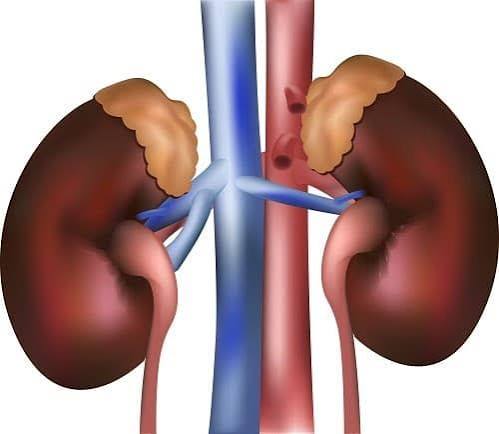
Questions to Ask Your Nephrologist About Treatment Options in General
The first and most important questions to ask are the ones that establish the full landscape of options available to you, before any particular treatment path is assumed. Many patients are not offered a comprehensive, balanced discussion of all four kidney failure treatment options — kidney transplant, hemodialysis (in-center and home), peritoneal dialysis, and conservative kidney management — unless they specifically ask for it. These questions create the foundation for all decisions that follow. Am I eligible for a kidney transplant? This is the first question to ask, because transplant is the best option for most eligible patients and yet many patients are not referred for evaluation unless they ask. If the answer is “not right now,” ask what would need to change. If the answer is “possibly,” ask for a referral to a transplant center for formal evaluation. What are all of my treatment options, and am I a candidate for each of them? Do not assume that the option your nephrologist mentions first is the only option or the best one for you. Ask explicitly whether you are a candidate for home hemodialysis, peritoneal dialysis, and transplant, and why or why not for each. When do I need to make a treatment decision, and what happens if I’m not ready? Understanding the timeline matters — starting dialysis before it’s urgently needed (planned start vs emergency start) is associated with better outcomes, and having adequate lead time allows you to explore home therapy, complete transplant evaluation, or train for peritoneal dialysis. What is my current kidney function, and how fast is it declining? Knowing your eGFR trajectory helps you understand how much time you have before dialysis may be necessary and gives you the planning window to pursue transplant evaluation or home therapy training without rushing. If I start one type of dialysis, can I switch to another type later? This matters because some patients need to start dialysis urgently and can switch modality once stabilized; others start on in-center HD as a default and later discover home options. Understanding whether switching is possible, and under what circumstances, removes the sense that the first decision is permanent. Do you have educational resources, peer mentors, or support groups I can access? Many programs can connect patients with current dialysis patients or transplant recipients who are willing to speak about their experience — this peer perspective is often more illuminating than any pamphlet or appointment. The NIDDK provides patient resources on all treatment options at the NIDDK kidney failure treatment choices page.
Questions to Ask About Hemodialysis (In-Center and Home)
Hemodialysis is the most common kidney failure treatment globally, but the version most people picture — in-center three times per week — is only one of several ways it can be delivered. Asking the right questions about hemodialysis opens up the full range of options, including home hemodialysis, which provides significantly better quality of life for many patients. Am I a candidate for home hemodialysis, and what are the requirements? Home HD requires a suitable home environment, a working water supply, and for many programs, a care partner who can assist in emergencies — but these requirements vary by program, and many patients who assume they cannot do home HD in fact can. Ask specifically about your eligibility rather than assuming in-center is your only option. What is the difference in outcomes between in-center HD three times per week and home HD done more frequently? More frequent dialysis (daily HD or nocturnal HD 5–6 nights per week at home) is associated with better blood pressure control, fewer dietary restrictions, less post-dialysis fatigue, better phosphorus control, and in many studies better survival — knowing this helps patients evaluate whether the additional time investment of home HD training is worth it for their situation. What vascular access will I need, and when should it be placed? Hemodialysis requires a vascular access — a fistula (created surgically by connecting an artery and vein, typically in the forearm), a graft (synthetic tube connecting artery and vein), or a tunneled catheter (used temporarily or when fistula/graft placement is not possible). Fistulas take 3–6 months to mature and are the preferred access because they last longer and have fewer infections than catheters — so planning ahead matters. Ask when your access should be placed given your kidney function trajectory. What dietary and fluid restrictions will I have on conventional in-center HD? In-center HD three times per week typically requires restricting potassium (avoiding bananas, oranges, potatoes), phosphorus (limiting dairy, processed foods), and fluid (typically 1–1.5 liters per day between sessions). More frequent home HD allows substantially fewer restrictions because more waste is removed per day. What is the typical schedule at your dialysis center, and how flexible is it? Ask specifically whether the center offers early morning, evening, or weekend sessions that could minimize disruption to your work or family schedule. What training is involved for home HD, and how long does it take? Most home HD programs require 3–6 weeks of in-center training during which you and your care partner learn to set up and operate the machine, manage the access, respond to alarms, and handle problems. Ask whether the training can be scheduled around your existing commitments. The detailed clinical context for hemodialysis management is at the KDIGO CKD guidelines page. For a full explanation of the hemodialysis process, see the hemodialysis explained guide.
Questions to Ask About Peritoneal Dialysis
Peritoneal dialysis is performed at home using the natural peritoneal membrane as a filter, without a machine for CAPD or with an automated overnight cycler for APD. It eliminates the need for center visits, preserves more residual kidney function than hemodialysis in many patients, and provides more dietary freedom — yet it is significantly underutilized because many patients are not offered it or don’t know to ask. Am I a candidate for peritoneal dialysis, and are there reasons it would not work for me? Most patients with kidney failure can do PD — the main absolute contraindications are major prior abdominal surgery involving significant peritoneal adhesions, active inflammatory bowel disease involving the peritoneum, or inability to maintain sterile technique even with training and support. Ask specifically whether any aspect of your medical history or living situation would prevent PD from being a viable option. What is the difference between CAPD and APD, and which would you recommend for my situation? CAPD (continuous ambulatory peritoneal dialysis) involves 3–5 manual exchanges throughout the day, each taking 30–40 minutes, with no machine — it is simpler to learn and has no power or machine dependency. APD (automated peritoneal dialysis) uses a cycler machine overnight for 8–10 hours while you sleep, leaving daytime completely free — it is preferred by patients who work full-time or want maximum daytime flexibility. What are the signs of peritonitis, and what do I do if I suspect I have it? Peritonitis — infection of the peritoneal cavity, presenting as cloudy dialysis effluent, abdominal pain, and sometimes fever — is the most important complication of peritoneal dialysis and requires prompt medical attention and antibiotic treatment. Understanding how to recognize and respond to peritonitis, and having a 24-hour contact number for the PD team, is essential before starting. What dietary freedom will I have on PD compared to in-center HD? Peritoneal dialysis provides continuous clearance, which means potassium is usually not restricted (a major quality-of-life advantage for many patients), fluid restriction is less strict, and phosphorus management is more manageable than on thrice-weekly HD. How is the PD catheter placed, and what is the recovery time? The peritoneal catheter is placed surgically (laparoscopically or via open surgery) and requires 2–4 weeks to heal before dialysis can start — planning for this lead time means not waiting until kidney function is critically low before arranging catheter placement. Ask about the catheter placement process at your center and the typical time from referral to start. What happens if PD eventually stops working? Some patients do PD for many years; others need to transition to hemodialysis after a few years due to peritoneal membrane changes or recurrent peritonitis. Ask about the typical duration patients stay on PD at your program and what the transition process looks like if needed. NKF provides patient education on peritoneal dialysis at the NKF kidney health page. The full explanation of how PD works is in the peritoneal dialysis explained guide.
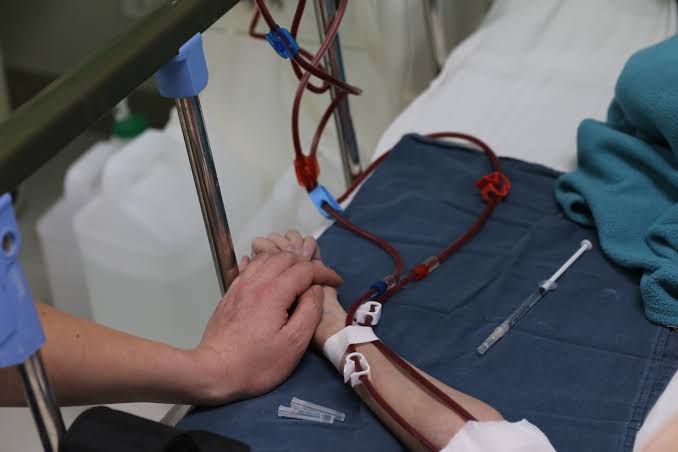
Questions to Ask About Kidney Transplant
Kidney transplant is the best treatment option for most eligible patients with kidney failure, associated with substantially better survival and quality of life than dialysis. Yet many patients either don’t know to pursue transplant evaluation, are told they don’t qualify before a proper evaluation, or wait until they are already on dialysis to be referred — each of which adds delay or reduces outcomes. Asking the right questions gets the transplant conversation started and keeps it moving. Am I eligible for a kidney transplant, and if not, what would need to change? Eligibility assessment is formal and comprehensive — it cannot be done in a single office visit — so the right first step is referral to a transplant center for evaluation. Ask your nephrologist for a referral, or ask whether you can self-refer to a transplant center (many accept self-referrals). If the nephrologist says you are not eligible, ask specifically what the disqualifying criteria are and whether they are permanent or temporary (e.g., a weight threshold that could be met with weight loss, an active infection that needs to be resolved). Can I be evaluated for transplant before I start dialysis? Preemptive transplant — receiving a kidney before dialysis ever starts — is associated with the best outcomes of any kidney failure treatment. Ask specifically whether preemptive listing is possible for you given your current eGFR trajectory, and whether you have any family members or friends who might want to be evaluated as living donors. What is the current waiting time for a deceased donor kidney for someone with my blood type and medical profile? Waiting times on the national deceased donor list vary enormously — from months to more than five years — depending on blood type (type O has the longest waits), antibody sensitization (highly sensitized patients wait longer), and regional variation. Understanding your likely wait time contextualizes how urgently a living donor evaluation should be pursued. Who can be a living donor, and how does the process work? Any healthy adult — relative, friend, colleague, or unrelated altruistic donor — can be evaluated as a living donor. The donor evaluation is comprehensive (medical, surgical, psychological, social), takes several months, and is completely free to the donor (all costs are covered). Ask whether there is a living donor coordinator at the transplant center who can speak with interested potential donors directly, without involving the patient in the details. What immunosuppressive medications will I take after transplant, and what are the long-term health implications? Transplant recipients take lifelong immunosuppression to prevent rejection — typically a combination of tacrolimus, mycophenolate, and prednisone. These medications prevent rejection but increase infection risk and have long-term implications for blood pressure, blood sugar, kidney function of the transplanted kidney, and cancer risk. Ask the transplant pharmacist or team to walk through the medication regimen and what monitoring it requires. What happens if the transplant kidney fails? Transplanted kidneys do not last forever — median survival is roughly 12–20 years depending on donor type and recipient factors. Ask the transplant team about the typical trajectory, what monitoring indicates early decline, and what options are available if the transplant eventually fails (re-listing for another transplant, returning to dialysis). For detailed information on transplant evaluation, see the kidney transplant evaluation guide. For information on living donation from the donor’s perspective, see the living kidney donation guide. The StatPearls nephrology reference covers transplant evidence at the StatPearls resource.
Questions to Ask About Conservative Kidney Management
Conservative kidney management (CKM) — choosing to manage symptoms without dialysis or transplant — is a legitimate, underutilized option that is rarely discussed proactively with patients. It is most relevant for elderly patients with multiple serious comorbidities for whom the survival benefit of dialysis is small and the burden is large, but any patient with kidney failure has the right to understand this option and consider it. What is the likely benefit of dialysis in terms of survival for someone with my specific health situation? The survival benefit of dialysis is not the same for every patient — it is large for younger patients without major comorbidities and small or negligible for some elderly, frail patients with advanced cardiovascular disease, cancer, or severe dementia. Ask your nephrologist specifically: given your age, comorbidities, and current health status, what is the estimated survival benefit of dialysis compared to conservative management? Research shows that many clinicians default to recommending dialysis without explicitly quantifying this individual benefit/burden balance. What would conservative management involve, and what symptoms can be controlled? CKM is not simply “no treatment” — it involves active ongoing care to manage blood pressure, anemia, bone disease, fluid retention, and uremic symptoms (fatigue, nausea, itching, shortness of breath). Ask what specific interventions would be available, what a palliative care or symptom management consultation would involve, and what the program’s experience is with supporting patients through this pathway. How would the trajectory of symptoms progress, and what support is available? As kidney function declines without dialysis, symptoms worsen progressively. Ask the nephrology team to describe this trajectory honestly — what symptoms to expect, over what timeframe, and how they would be managed. Ask whether there is a palliative care team involved with the kidney program and what hospice support looks like if eventually needed. Can I try conservative management and change my mind later? Yes — the choice to pursue conservative management does not foreclose dialysis or transplant evaluation. Patients who choose CKM initially can reconsider at any time if their circumstances or preferences change. Understanding that this decision is reversible, not permanent, often removes significant anxiety from the initial choice. Have other patients in my situation chosen conservative management, and can I speak with them or their families? Peer perspectives from patients and families who have navigated this decision are among the most valuable sources of practical insight. Ask whether the program has a peer support resource for patients considering CKM.
Questions to Ask When Evaluating a Dialysis Program or Center
Not all dialysis programs are equivalent in quality, staffing, technology, or the range of modalities they offer. Patients have the right to choose their dialysis program, and the questions below help evaluate whether a particular program meets your standards and needs. What modalities does this program offer — in-center HD, home HD, and peritoneal dialysis? Some programs specialize in home therapies; others are primarily in-center HD programs with limited home HD training capability. Ask what percentage of patients at this program are on home therapy — this gives a sense of the program’s investment in and experience with home modalities. What are the center’s published quality metrics — adequacy of dialysis (Kt/V), infection rates, hospitalization rates, and transplant referral rates? Dialysis center quality metrics are publicly available through the federal Dialysis Facility Compare database. Higher Kt/V (dialysis dose) is associated with better outcomes; lower infection and hospitalization rates reflect better clinical management; transplant referral rates reflect whether the program actively supports patients in pursuing their best long-term option. Who will be my primary care team, and how do I communicate with them between sessions? Ask specifically who your primary nurse and social worker will be, how to reach the clinical team with questions or concerns between dialysis sessions, and what the protocol is for urgent issues. Access to a responsive team between sessions significantly reduces anxiety and prevents small problems from becoming serious ones. What is the staffing ratio during sessions? The staffing ratio (patients per nurse or technician) during in-center HD sessions affects the level of individualized attention and safety monitoring available. Ask what the typical ratio is and how the center handles staffing shortfalls. If I want to transition from in-center HD to home therapy, what is the process? Ask about the center’s experience with transitions from in-center to home HD or PD, how long training typically takes, and whether the center supports patients through the transition period. Knowing the path to home therapy, even if you’re starting in-center, keeps the option open. For practical preparation guidance, see the preparing for dialysis guide and the life on dialysis guide.
How to Make the Most of Your Nephrology Appointments
Having a list of questions is only the first step — using appointments effectively requires some preparation and technique. Write your questions down before the appointment, ranked by priority. Nephrology appointments are often time-limited, and it is easy to forget key questions under the pressure of the visit. A written, prioritized list ensures the most important questions are asked first, and anything not covered can be addressed in a follow-up message to the care team. Bring a family member or trusted support person. A second person helps remember what was said, catches details you might miss when anxious or overwhelmed, and can ask follow-up questions. Research consistently shows that patients accompanied by a support person recall more information and feel more confident in their medical decisions. Ask for clarification when something is unclear. Medical information is complex, and it is completely appropriate to say “I didn’t fully understand that — could you explain it differently?” or “Can you write that down for me?” Do not leave an appointment with unanswered questions if you can avoid it. Request educational materials and resources before making a decision. Most dialysis and transplant programs have written materials, videos, and patient education resources for each modality. Ask the nurse or social worker to provide these before your next appointment so you have time to review them and prepare follow-up questions. Follow up in writing after the appointment. Sending a brief message through the patient portal or to the clinic summarizing what you understood from the visit — “I understood that I should ask for a transplant evaluation and that you’d send a referral — is that correct?” — ensures that important decisions are confirmed and creates a record. The full details on what to expect from the transplant evaluation process specifically are in the kidney transplant evaluation guide.
Sources: NIDDK Choosing a Treatment · KDIGO CKD Guidelines · National Kidney Foundation · StatPearls: Nephrology
I wish I had found this article two years ago when my husband was diagnosed with stage 5 CKD. His nephrologist presented in-center hemodialysis as the only option and we didn’t know enough to ask about alternatives. He has been doing in-center HD for 18 months now and only recently learned that he might have been a candidate for peritoneal dialysis, which would have fit his work schedule much better. We’re now asking about switching. The question about whether you can change modalities later was exactly what we needed — yes, you can, and we’re pursuing it.
The transplant section was very helpful for me. My nephrologist mentioned transplant once in passing but I didn’t know I could self-refer to a transplant center or that preemptive transplant was even possible. I’m at eGFR 18 right now. I printed out the transplant questions from this article and brought them to my next appointment — the nephrologist was actually glad I came prepared and has now made the referral to a transplant center. The question about asking for the referral explicitly made all the difference.
Priya, the fact that you’re now asking about switching modalities is exactly the right step — many patients transition between dialysis modalities, and starting in-center HD doesn’t make that the permanent path. Your husband’s care team should be able to walk you through whether peritoneal dialysis is still a viable option for him and what the transition would involve. Carlos, that’s a great outcome — a transplant center referral at eGFR 18 gives you the time to go through a thorough evaluation, potentially pursue a living donor, and ideally receive a kidney preemptively before dialysis is needed. Being prepared with specific questions made that appointment productive rather than a missed opportunity, which is exactly what this guide is for. We wish you both the best with your respective care decisions.