
Fatty liver disease and obesity are two of the most closely linked conditions in medicine. Approximately sixty to eighty percent of adults with obesity have some degree of fatty liver disease, making obesity the single most prevalent risk factor for MASLD (metabolic dysfunction-associated steatotic liver disease) in the global population. The relationship between these two conditions is not one-directional or simply causal — it is bidirectional, mechanistically coupled, and influenced by the same underlying metabolic dysfunction: insulin resistance. Understanding how obesity drives fatty liver disease, why weight loss is the most effective intervention for MASLD, and how the relationship between body weight and liver health changes at different stages of obesity and liver disease is essential for anyone managing either or both conditions.
This article explains the biological mechanisms connecting obesity to fatty liver disease, examines the evidence for weight loss at each stage of MASLD, reviews the role of bariatric surgery in liver disease management, discusses lean MASLD (fatty liver disease in non-obese patients), and addresses the practical questions patients with both conditions ask most frequently. It is part of a broader fatty liver disease series that covers the condition from first principles through to detailed management strategies.
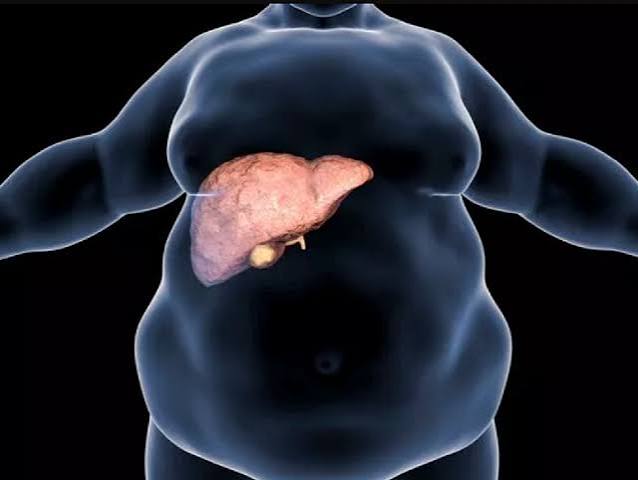
How Obesity Causes Fatty Liver Disease
The connection between obesity and fatty liver disease is mediated primarily through insulin resistance and visceral adiposity. In people with obesity, adipose tissue — particularly visceral fat (fat stored within the abdominal cavity around the intra-abdominal organs) — becomes dysfunctional. Enlarged adipocytes (fat cells) develop impaired insulin signalling, reducing their ability to suppress lipolysis in response to insulin. This results in increased release of free fatty acids (FFAs) into the portal circulation — the blood supply that drains the intestines and mesenteric fat directly to the liver. The liver, which receives this elevated portal FFA load, cannot oxidise or export all of it, leading to net lipid accumulation within hepatocytes. Simultaneously, visceral adipose tissue releases pro-inflammatory cytokines (adipokines) including TNF-alpha, interleukin-6, and leptin, which promote hepatic insulin resistance, de novo lipogenesis, and hepatic inflammation — directly contributing to the progression from simple steatosis to steatohepatitis (MASH). Adiponectin, an adipokine with anti-inflammatory and insulin-sensitising properties, is produced in lower quantities by enlarged adipocytes — and reduced adiponectin levels are consistently associated with MASLD severity. Visceral adiposity vs. subcutaneous fat: The importance of fat distribution is a key concept in understanding the obesity-MASLD relationship. Visceral fat drives MASLD more than subcutaneous fat (fat under the skin) because of its direct portal drainage to the liver and its greater metabolic activity per gram of tissue. Two people with the same total body weight may have very different MASLD risks depending on how their fat is distributed. This explains why waist circumference is a better predictor of MASLD risk than BMI alone in many clinical studies, and why the Asian MASLD diagnostic criteria use lower BMI thresholds (above 23 kg/m² rather than 25 kg/m²) — Asian populations tend to accumulate visceral fat preferentially relative to total body weight.
The Evidence for Weight Loss in MASLD
Weight loss is the most robustly evidenced intervention for MASLD across all stages of disease, with a clear dose-response relationship between the magnitude of weight loss and the degree of liver improvement. The evidence base comes from multiple randomised controlled trials, observational studies, and meta-analyses, and is consistent across different methods of achieving weight loss (lifestyle modification, pharmacotherapy, bariatric surgery):
Five percent weight loss: Associated with significant reduction in hepatic steatosis — CAP score reduction on FibroScan and reduction in ALT. Even this modest weight loss is clinically meaningful for patients in whom steatosis reduction reduces the substrate for MASH development. Seven to ten percent weight loss: Associated with histological improvement in MASH activity on liver biopsy — specifically, reduction in steatosis grade, hepatocyte ballooning, and lobular inflammation (NAS score improvement). The landmark LEAN trial (liraglutide vs. placebo) demonstrated MASH resolution on biopsy in thirty-nine percent of treated patients versus nine percent of placebo patients — with a mean weight loss of approximately five to six kilograms in the treatment arm, suggesting that some of the benefit was mediated by direct hepatic effects of GLP-1 receptor agonism beyond weight loss alone. Ten percent weight loss: Associated with MASH resolution in approximately sixty to seventy percent of patients who achieve it through lifestyle intervention, and with fibrosis regression in approximately forty percent — a clinically highly significant outcome given that fibrosis stage is the primary determinant of liver-related prognosis. Fifteen to twenty percent weight loss: Associated with fibrosis regression at advanced stages (F3) and in some cases cirrhosis regression (F3 to F2 or F4 to F3). The bariatric surgery literature provides the strongest evidence for this level of sustained weight loss and its hepatic consequences. The BRAVER trial and long-term follow-up studies of Roux-en-Y gastric bypass and sleeve gastrectomy cohorts document fibrosis regression and even cirrhosis regression in patients achieving and sustaining over fifteen percent weight loss. Sustained weight loss: The critical caveat is that weight regain reverses the hepatic benefits of weight loss. Patients who lose weight and regain it show FibroScan stiffness returning toward baseline values. The therapeutic goal is sustained metabolic improvement, not a single episode of weight loss — which is why behavioural support, dietary pattern change, and pharmacological weight management tools are valuable complements to initial dietary intervention.
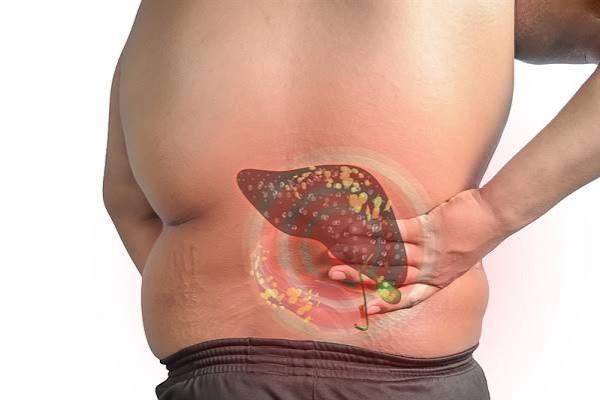
Bariatric Surgery and MASLD
Bariatric surgery — surgical procedures that reduce gastric capacity (sleeve gastrectomy) or combine gastric restriction with intestinal bypass (Roux-en-Y gastric bypass, biliopancreatic diversion) — is the most effective intervention for producing sustained weight loss exceeding fifteen percent of total body weight, and accordingly has the strongest evidence base for hepatic fibrosis regression in MASLD. Key findings from the bariatric surgery literature in MASLD: MASLD prevalence and severity: Bariatric surgery cohorts provide a valuable window into MASLD epidemiology — the majority of patients undergoing bariatric surgery have MASLD (fifty to ninety percent in most series), and approximately twenty to thirty percent have F2–F3 fibrosis, with five to ten percent having established cirrhosis. Liver biopsy at the time of surgery confirms the baseline histological stage. Histological improvement: Multiple prospective studies with serial liver biopsies (at surgery and at one to five years post-operatively) document dramatic histological improvement in MASLD after bariatric surgery: steatosis resolution in the majority, MASH resolution in over seventy percent, and fibrosis regression in fifty to sixty percent. Cirrhosis regression: Long-term follow-up studies have documented regression from F4 (cirrhosis) to F3 or lower in a subset of patients — a finding that was considered impossible before the bariatric surgery data emerged and has changed the understanding of cirrhosis reversibility in MASLD. Roux-en-Y vs. sleeve gastrectomy: Both procedures produce significant MASLD improvement, but some evidence suggests Roux-en-Y gastric bypass produces greater histological improvement, possibly through intestinal bypass effects on bile acid metabolism and gut microbiome composition independent of weight loss alone. Patient selection: Bariatric surgery is appropriate for patients with MASLD who meet conventional bariatric indications (BMI above 40 kg/m², or above 35 kg/m² with obesity-related comorbidities) and is increasingly considered for patients with MASLD-related cirrhosis who can be safely managed perioperatively, though pre-operative hepatic optimisation (treating portal hypertension, nutritional optimisation) is required in cirrhotic patients.
GLP-1 Receptor Agonists and Obesity-Related MASLD
The emergence of GLP-1 receptor agonists (semaglutide at the 2.4 mg weekly dose for obesity management, and tirzepatide at doses up to fifteen mg weekly) as effective pharmacological weight management tools has transformed the management of obesity-related MASLD. Semaglutide at the 2.4 mg weekly dose produces mean weight loss of fifteen percent at seventy-two weeks in clinical trials — approaching the range previously achievable only with bariatric surgery. In terms of liver-specific effects: the RESOLVE-IT trial of semaglutide 0.4 mg daily for MASH did not meet its fibrosis endpoint despite achieving MASH resolution, raising questions about the relative contributions of weight loss and direct hepatic receptor agonism. However, the SUSTAIN-6 and SELECT cardiovascular outcome trials, and multiple real-world data analyses, have shown significant reductions in liver enzymes and liver stiffness with semaglutide use. Tirzepatide (a dual GLP-1/GIP receptor agonist) achieves mean weight loss of up to twenty-two percent at seventy-two weeks in the SURMOUNT-1 trial — exceeding semaglutide at comparable timepoints — and is in late-phase clinical trials for MASH specifically (SURMOUNT-NASH). The combination of near-surgical weight loss and direct GLP-1-mediated hepatic effects makes this class of medication potentially the most important pharmacological development for MASLD since resmetirom’s FDA approval for MASH in 2024. For patients with obesity-related MASLD who have not achieved adequate weight loss through lifestyle intervention, GLP-1/GIP receptor agonist therapy — now available for obesity management in many healthcare systems — offers a meaningful pathway to the sustained weight loss needed for hepatic improvement, and should be discussed with the clinical team managing both the obesity and liver disease.
Lean MASLD: Fatty Liver Disease Without Obesity
Approximately fifteen to twenty percent of MASLD cases occur in patients with a BMI below 25 kg/m² — a phenotype known as lean MASLD. These patients are not obese by conventional BMI thresholds, yet have hepatic steatosis and metabolic dysfunction. Lean MASLD is more common in Asian populations (where it may represent up to forty percent of MASLD cases), reflecting the tendency for Asian populations to accumulate visceral fat at lower BMI than European populations. Lean MASLD patients typically have elevated visceral adiposity relative to their total body weight (high waist-to-hip ratio), elevated fasting insulin, and one or more components of metabolic syndrome despite a normal BMI. They are at similar risk of MASH and fibrosis progression as obese MASLD patients, but the clinical recognition of their liver disease may be delayed because the usual trigger for liver assessment — obesity — is absent. Weight loss in lean MASLD patients presents different management challenges: patients with a normal BMI who nonetheless have MASLD should focus on reducing visceral adiposity through aerobic exercise and dietary modification rather than total weight reduction. Resistance training is particularly valuable in lean MASLD as it builds skeletal muscle mass (improving insulin sensitivity) without necessarily reducing total body weight. For lean MASLD patients, the core management principles — reducing carbohydrate and fructose intake, increasing physical activity, managing associated metabolic risk factors — remain the same as for obese MASLD, adapted to the absence of a weight loss target. The dedicated causes and risk factors article in this series discusses the mechanisms of lean MASLD in more detail.
Frequently Asked Questions: Fatty Liver and Weight
How much weight do I need to lose to improve my fatty liver?
Even a five percent reduction in body weight is associated with measurable hepatic steatosis reduction. A ten percent reduction is associated with MASH resolution on biopsy in the majority of patients who achieve it. A fifteen percent or greater reduction is associated with fibrosis regression. These thresholds are well-established in the clinical literature. The practical implication is that weight loss goals in MASLD management should be framed in percentage terms rather than absolute kilograms, and even modest weight loss — five to seven percent — is clinically worthwhile and should be celebrated as meaningful progress rather than dismissed as insufficient. The speed of weight loss also matters: rapid weight loss (more than one to one-and-a-half kilograms per week, as in very-low-calorie diets or initial post-bariatric surgery weight loss) can temporarily worsen MASH activity by increasing hepatic FFA delivery, though the net long-term effect of sustained weight loss is consistently positive. Gradual, sustained weight loss through dietary modification and physical activity is the preferred approach for most patients.
I’ve lost weight but my liver enzymes are still elevated — is the treatment working?
Liver enzyme levels (ALT and AST) are indicators of current hepatocyte damage and inflammation, not of fibrosis stage or total hepatic fat. Enzymes may remain elevated during a period of active MASH even as weight loss is reducing hepatic steatosis and improving fibrosis trajectory. More informatively, FibroScan — measuring liver stiffness (LSM in kPa) and CAP score (steatosis) — provides a direct assessment of fibrosis and fat response to weight loss that is more reliable than enzyme trends alone. A repeat FibroScan after six to twelve months of sustained weight loss (typically five percent or more) provides objective evidence of treatment response. In patients undergoing pharmacological weight management with GLP-1 agonists, FibroScan monitoring intervals are usually set at six to twelve months to track LSM response to weight loss. Liver function test trends remain useful but should be interpreted alongside FibroScan data and clinical context rather than in isolation.
Sources: EASL–EASD–EASO — MASLD Clinical Practice Guidelines · AASLD — Liver Disease Clinical Guidance · NIDDK — NAFLD and NASH
Dietary Approaches for Obesity-Related MASLD
Weight loss through dietary modification is the cornerstone of MASLD management in patients with obesity, and the dietary approach should be both effective for weight reduction and specifically beneficial for hepatic steatosis. Several dietary strategies have demonstrated efficacy in clinical trials: Caloric restriction: Any dietary pattern that achieves a sustained energy deficit of five hundred to one thousand kilocalories per day produces the progressive weight loss associated with hepatic steatosis reduction. The specific macronutrient composition of the diet is less important than achieving and sustaining the caloric deficit, though certain dietary patterns produce greater liver-specific benefits beyond their caloric effect. Low-carbohydrate diets: Diets that significantly reduce carbohydrate intake (below fifty to one hundred grams per day) produce rapid, marked reductions in hepatic steatosis — often within two to four weeks of initiation — that exceed what would be expected from weight loss alone, due to the suppression of de novo lipogenesis (which is carbohydrate-driven). Very-low-carbohydrate (ketogenic) diets reduce hepatic fat by thirty to forty percent in short-term trials. However, they are difficult to sustain long-term, and the liver-specific benefit beyond weight loss is attenuated at medium-term follow-up as dietary adherence declines. Mediterranean diet: The Mediterranean dietary pattern — high in olive oil, vegetables, whole grains, legumes, fish, and moderate in red wine; low in red meat and refined carbohydrates — consistently reduces hepatic steatosis and liver enzymes in MASLD clinical trials, independent of weight loss. The mechanisms include reduced de novo lipogenesis (through reduced refined carbohydrate intake), anti-inflammatory effects (from polyphenols in olive oil and vegetables), and beneficial gut microbiome modulation. It is the dietary pattern most consistently recommended in major MASLD clinical guidelines for the combined hepatic and cardiovascular risk reduction it provides. Fructose restriction: Reducing or eliminating sugar-sweetened beverages and limiting other high-fructose sources (processed foods with high-fructose corn syrup, fruit juice) specifically reduces hepatic de novo lipogenesis and liver fat beyond the effect of total caloric reduction alone. For patients with significant soft drink or juice consumption, fructose reduction is one of the most impactful single dietary changes available. Very-low-calorie diets (VLCD): Diets below eight hundred kilocalories per day produce rapid, dramatic weight loss — similar to the early post-operative phase of bariatric surgery — and have been used in MASLD trials with compelling short-term liver stiffness and steatosis reduction results. They require medical supervision and are not sustainable long-term, but may be used as a therapeutic induction strategy before or instead of bariatric surgery in selected patients.
Physical Activity and Exercise in Obesity-Related MASLD
Exercise is an effective intervention for MASLD that provides hepatic benefits beyond those explained by weight loss alone — making it a valuable adjunct to dietary modification even in patients who achieve limited weight reduction. The mechanisms through which exercise benefits MASLD include: direct stimulation of hepatic fatty acid oxidation (the liver burns fat more efficiently during and after exercise); improvement of whole-body insulin sensitivity (particularly in skeletal muscle, reducing hepatic insulin resistance); reduction in visceral adiposity (exercise reduces visceral fat preferentially compared to subcutaneous fat, even with modest total weight loss); reduction in inflammatory cytokine production from adipose tissue; and gut microbiome compositional change toward a more metabolically favourable profile. Clinical evidence: A meta-analysis of twelve randomised controlled trials found that aerobic exercise reduced hepatic fat content (as measured by MRI spectroscopy or ultrasound) by approximately thirty percent over eight to twelve weeks, with significant ALT and FibroScan CAP score reductions. The effect was present even in studies where participants were instructed not to change their diet, confirming the weight-loss-independent hepatic benefit. Practical exercise targets for MASLD: Current guidelines recommend a minimum of one hundred and fifty minutes of moderate-intensity aerobic exercise per week (brisk walking, cycling, swimming) or seventy-five minutes of vigorous-intensity exercise, in sessions of at least thirty minutes. Resistance training (two to three sessions per week of major muscle group exercises) should be incorporated for its insulin-sensitising, muscle mass-building effects that improve metabolic rate and reduce visceral adiposity. For patients with significant obesity who cannot tolerate sustained aerobic exercise, lower-impact activities such as water aerobics, stationary cycling, and resistance band training are effective alternatives. Even modest increases in physical activity — moving from completely sedentary to three thousand additional steps per day — produce measurable metabolic and hepatic improvements, reinforcing that any increase in activity has value regardless of whether patients reach the recommended targets immediately.
Monitoring Liver Health During Weight Loss
Monitoring liver status during active weight loss provides objective evidence that the intervention is producing hepatic benefit, and allows the monitoring intensity to be adjusted as fibrosis stage changes. The key monitoring tools in patients with obesity-related MASLD undergoing weight management are: FibroScan (transient elastography): The primary monitoring tool for tracking fibrosis response to weight loss. LSM (liver stiffness measurement in kPa) and CAP score (hepatic steatosis) are both expected to decrease with successful weight loss — a fall in LSM of two or more kPa from baseline is generally considered a clinically meaningful response. FibroScan should be performed at baseline and repeated at six to twelve month intervals during active weight management, or after significant weight milestones (for example, after ten percent weight loss is achieved). Liver blood tests (ALT, AST, GGT): Typically checked every three to six months during active weight management. ALT normalisation is a positive response signal, though as noted earlier it does not exclude residual fibrosis. A paradoxical rise in liver enzymes during rapid initial weight loss is a recognised phenomenon (due to increased hepatic FFA delivery from rapid lipolysis) and does not indicate that weight loss is harmful — it is transient and resolves as weight loss continues. FIB-4 recalculation: The FIB-4 index can be recalculated at each blood test to track the fibrosis risk trajectory. A falling FIB-4 over time is reassuring and may justify a reduction in monitoring intensity or referral back to primary care from specialist hepatology. An unexpectedly rising FIB-4 during weight loss should prompt review — it may reflect inadequate metabolic risk factor control, alcohol use, or a secondary liver disease not previously identified. Liver ultrasound: Used for baseline echogenicity assessment and, in patients with F4 cirrhosis, for six-monthly HCC surveillance regardless of weight loss progress. For non-cirrhotic patients, annual ultrasound is reasonable but not always necessary if FibroScan is being used systematically. The combination of serial FibroScan and liver blood tests provides a comprehensive and clinically meaningful picture of liver response to weight management in patients with obesity-related MASLD, and should be integrated into the monitoring plan from the time of diagnosis.
The section on how much weight loss is needed was really helpful. I’ve been trying to understand what ‘improving my liver’ actually means in practical terms. Ten percent weight loss for MASH resolution is a clear target I can work toward. The visceral fat explanation also made things clearer — I’m a pear shape but my waist measurement has been creeping up.
Thank you Jenny — you’re right that waist circumference is the most clinically relevant body composition measurement for MASLD risk, even in people who are not obese by BMI. Visceral fat drives hepatic steatosis more strongly than total body weight, so a rising waist measurement is worth monitoring and discussing with your GP. The ten percent weight loss target for MASH resolution is well-evidenced and achievable through sustained dietary modification — the Mediterranean dietary pattern is probably the best-supported approach for both metabolic and liver-specific benefit. All the best with your progress.
I had a gastric sleeve two years ago and my hepatologist said my liver has improved significantly on my last FibroScan. This article explains the mechanism behind that improvement. The point about weight regain reversing the benefits is something I take seriously — maintaining the loss is as important as achieving it.