
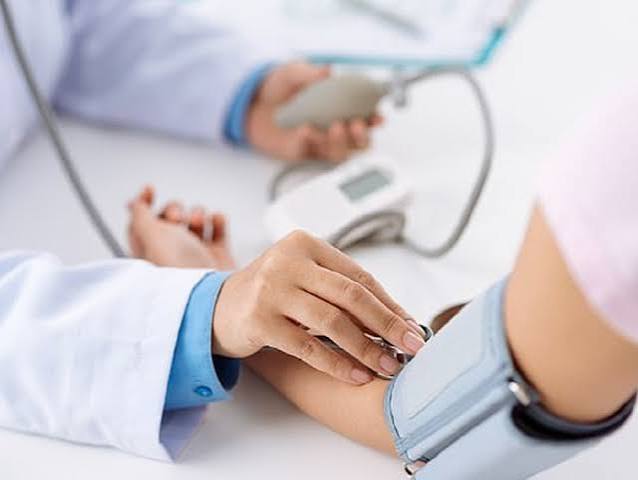
Blood pressure monitoring in diabetes is one of the most important — and most consistently overlooked — components of comprehensive diabetes management. Adults with Type 2 diabetes are approximately twice as likely to develop high blood pressure (hypertension) as adults without diabetes, and when hypertension and diabetes coexist, the risks of heart attack, stroke, heart failure, kidney failure, and diabetic retinopathy are substantially magnified beyond what either condition creates alone. The interaction between elevated blood glucose and elevated blood pressure is not additive — it is synergistic, with each condition accelerating the vascular damage caused by the other through shared mechanisms including endothelial dysfunction, inflammation, oxidative stress, and increased arterial stiffness. Despite this importance, many adults with diabetes have blood pressure checked only at clinical visits — which occur at most quarterly — and never monitor it at home, leaving long stretches between visits during which blood pressure may be significantly elevated without detection. The blood pressure monitoring in diabetes framework described here explains the target, why it matters, how to monitor effectively both at the clinic and at home, and when elevated readings require prompt attention.
Approximately 70–75% of adults with Type 2 diabetes have hypertension — making it the most common comorbidity in this population. High blood pressure in diabetes contributes to the dramatically elevated cardiovascular risk that adults with diabetes face: the risk of a first heart attack or stroke in an adult with diabetes is roughly equivalent to that of an adult without diabetes who has already had a heart attack. When diabetes and hypertension coexist and both are controlled, the combined cardiovascular risk is substantially reduced — which is why achieving the blood pressure target is as important as achieving the A1C target in diabetes management.
Blood Pressure Target in Diabetes: What Number to Aim For
The current blood pressure target for most adults with diabetes recommended by the American Diabetes Association is below 130/80 mmHg. This target — lower than the 140/90 mmHg that was previously recommended for the general hypertensive population — is based on trial evidence showing that blood pressure below 130 mmHg systolic provides additional cardiovascular and kidney protection in adults with diabetes beyond what is achieved at 140 mmHg:
- Systolic blood pressure (the top number) below 130 mmHg: The systolic blood pressure — the pressure in the arteries during each heartbeat — is the reading most strongly associated with cardiovascular event risk and kidney disease progression in adults with diabetes. The ACCORD Blood Pressure Trial compared intensive blood pressure control (systolic target below 120 mmHg) to standard control (systolic below 140 mmHg) in adults with Type 2 diabetes and found that intensive control significantly reduced stroke risk but did not reduce the composite cardiovascular endpoint. The clinical conclusion from this and related trials is that systolic below 130 mmHg provides meaningful stroke reduction and kidney protection without the treatment burden and side effects of pushing to below 120 mmHg — making below 130 mmHg the pragmatic evidence-based target.
- Diastolic blood pressure (the bottom number) below 80 mmHg: The diastolic target of below 80 mmHg in adults with diabetes reflects the J-curve phenomenon — excessively low diastolic pressure (particularly below 65–70 mmHg in older adults with cardiovascular disease) is associated with reduced coronary perfusion pressure during diastole and may increase cardiovascular risk rather than reduce it. The below-80 target avoids over-treatment while providing meaningful reduction in kidney damage risk compared with the older 90 mmHg diastolic threshold.
- More stringent targets (below 120/70) for specific high-risk patients: Adults with very high cardiovascular risk — multiple prior cardiovascular events, established CKD with proteinuria, or other high-risk features — may benefit from blood pressure targets lower than the standard below 130/80. These decisions are individualized in consultation with the prescribing clinician. The kidney monitoring that directly reflects blood pressure control quality is covered in our kidney tests for diabetes monitoring guide.
- Higher targets (below 140/90) for specific lower-risk patients: Very elderly adults (above 80 years), frail adults with limited life expectancy, or adults for whom antihypertensive treatment causes significant side effects (dizziness, falls) may have individualized targets at or near 140/90 rather than 130/80. The net benefit of tight blood pressure control in adults who will not live long enough for the prevention benefits to manifest — and in whom medication side effects pose immediate risks — is smaller, and higher targets are clinically appropriate in these populations.

How to Monitor Blood Pressure Effectively at Home
Home blood pressure monitoring in diabetes is recommended for all adults with diabetes and hypertension, and for adults with diabetes who are at risk of developing hypertension (i.e., blood pressure in the 120–129 mmHg systolic range, which constitutes Stage 1 elevated blood pressure by current definitions). Effective home monitoring requires attention to technique, timing, and equipment choice:
- Use a validated automatic upper-arm cuff: The American Heart Association (AHA) recommends validated automatic upper-arm blood pressure monitors over wrist monitors, which are more sensitive to wrist position and body movement and produce less reliable readings. A “validated” monitor is one that has been clinically tested for accuracy — the dabl Educational Trust and the US Blood Pressure Validated Device Listing provide searchable databases of validated devices. Wrist monitors and finger monitors are generally not recommended for home monitoring in clinical guidelines. The cuff size must match the arm circumference — a cuff too small will produce falsely elevated readings; a cuff too large will produce falsely low readings. Most monitors include a range guide on the cuff itself.
- Prepare correctly before each measurement: Sit quietly for 5 minutes before taking a reading. Do not smoke, drink coffee or other caffeine, or exercise within 30 minutes before the measurement. Empty your bladder before measuring, as a full bladder can raise blood pressure. Sit with your back supported, both feet flat on the floor (not crossed), and your arm supported at heart level with the cuff in position. Avoid talking during the measurement. These preparation steps reduce measurement variability and are required to obtain accurate readings that can be meaningfully compared across sessions.
- Take readings in the morning and evening: The AHA and ADA recommend home blood pressure monitoring in the morning (after waking but before taking morning medications and before eating or drinking) and in the evening (before dinner). Both the morning and evening readings provide clinical information: morning readings capture the early morning blood pressure surge (highest blood pressure occurs in the early morning hours when cardiovascular event risk is also highest), and evening readings reflect blood pressure control through the day. Take at least 2 readings per session, 1–2 minutes apart, and record both. The average of morning and evening readings over 7 days provides the most reliable home blood pressure value for clinical decision-making. The annual diabetes monitoring framework that incorporates blood pressure alongside all other components is our annual diabetes care checklist. The comprehensive diabetes checkups guide is our diabetes checkups: what to expect article. Adults who need context on how blood pressure medications fit within the complete diabetes medication picture should read our diabetes medications overview. The AHA’s blood pressure monitoring guidance, the NIDDK’s high blood pressure and diabetes resources, and the CDC’s blood pressure management guidance provide authoritative clinical information on blood pressure monitoring and hypertension treatment in adults with diabetes.
Medications for Blood Pressure Control in Diabetes: What the Guidelines Recommend
When lifestyle modifications — weight loss, sodium restriction, regular aerobic exercise, limiting alcohol — are insufficient to achieve the blood pressure target, antihypertensive medications are added. The choice of antihypertensive medication in adults with diabetes is not arbitrary; specific drug classes have evidence for additional benefits beyond blood pressure lowering that make them preferred in this population:
- ACE inhibitors (first-line for most adults with diabetes and hypertension): ACE inhibitors — angiotensin-converting enzyme inhibitors — lower blood pressure by blocking the conversion of angiotensin I to angiotensin II, a potent vasoconstrictor and stimulator of aldosterone secretion. Beyond blood pressure reduction, ACE inhibitors dilate the efferent arteriole of the glomerulus, reducing intraglomerular pressure and slowing the progression of diabetic nephropathy — an effect that is clinically meaningful independent of the blood pressure-lowering effect. Major ACE inhibitors used in diabetes include lisinopril, enalapril, ramipril, perindopril, and quinapril. ACE inhibitors are generally preferred as first-line antihypertensive therapy in adults with diabetes and albuminuria (elevated urine albumin indicating early kidney damage), CKD, or prior cardiovascular events. The kidney monitoring that tracks whether ACE inhibitor therapy is protecting kidney function is in our kidney tests for diabetes monitoring guide, and the urine albumin test that guides the decision to start ACE inhibitor therapy is covered in our urine albumin test and diabetes article.
- ARBs (alternative to ACE inhibitors in patients with ACE inhibitor intolerance): Angiotensin receptor blockers — losartan, valsartan, irbesartan, candesartan, olmesartan, telmisartan — produce kidney and cardiovascular protective effects equivalent to ACE inhibitors by blocking the angiotensin II receptor directly. ARBs are the preferred alternative for adults who cannot tolerate ACE inhibitors due to the chronic dry cough (a class-specific side effect of ACE inhibitors caused by bradykinin accumulation, which occurs in approximately 10–20% of patients). ACE inhibitors and ARBs should NEVER be combined — the combination (dual RAAS blockade) produces dangerous hypotension, hyperkalemia, and acute kidney injury without additional cardiovascular or kidney benefit, and is explicitly contraindicated in clinical guidelines.
- Thiazide-type diuretics (for add-on therapy or in patients with volume overload): Thiazide and thiazide-like diuretics — chlorthalidone, hydrochlorothiazide, indapamide — are effective antihypertensives that reduce blood pressure through volume reduction and vasodilation. Chlorthalidone is preferred over hydrochlorothiazide in current guidelines based on trial data showing superior cardiovascular protection. Diuretics can mildly impair insulin sensitivity and may raise blood glucose in some patients — a concern that is generally outweighed by the blood pressure benefit in adults with established hypertension and diabetes, but worth monitoring with blood glucose checks after initiation. Thiazide diuretics also carry a modest risk of hypokalemia (low potassium), which can affect cardiac rhythm, and monitoring of serum electrolytes after initiation is appropriate.
- Calcium channel blockers (useful for add-on therapy or intolerance of ACE/ARB): Long-acting dihydropyridine calcium channel blockers — amlodipine, felodipine, nifedipine XL — are effective antihypertensives with neutral effects on glucose and lipid metabolism, making them metabolically favorable in adults with diabetes. They are particularly useful for adults who cannot tolerate ACE inhibitors or ARBs, or as second or third add-on agents when ACE inhibitor or ARB alone is insufficient. Amlodipine is one of the most widely studied antihypertensives in cardiovascular outcome trials (ALLHAT, ASCOT, ACCOMPLISH) and has proven cardiovascular risk reduction data.
- SGLT2 inhibitors and GLP-1 receptor agonists — blood pressure lowering as a secondary benefit: Both SGLT2 inhibitors (empagliflozin, dapagliflozin, canagliflozin) and GLP-1 receptor agonists (semaglutide, liraglutide) produce modest blood pressure reductions — approximately 3–5 mmHg systolic on average — as secondary effects independent of their glucose-lowering action. This blood pressure reduction, while modest compared with dedicated antihypertensives, is additive to the cardiovascular and kidney protective effects of these drug classes that are established in outcome trials (EMPA-REG, LEADER, SUSTAIN-6, CREDENCE). For adults with diabetes who are already taking these agents for glucose control, the blood pressure benefit is an additional reason to continue them. The complete overview of these drug classes is in our diabetes medications overview. The diabetes medication safety context for blood pressure medications including hyperkalemia risk with ACE inhibitors and diuretic interactions is in our diabetes medication safety guide.
When Elevated Home Blood Pressure Readings Require Prompt Action
Adults performing home blood pressure monitoring in diabetes need to know which readings require immediate medical attention versus which can be addressed at the next scheduled appointment. These thresholds guide appropriate response:
- Blood pressure above 180/120 mmHg — hypertensive crisis, seek immediate care: A reading at or above 180 mmHg systolic or 120 mmHg diastolic on repeat measurement (confirm the reading after 5 minutes of rest) is classified as a hypertensive crisis in clinical guidelines. If accompanied by symptoms — severe headache, chest pain, shortness of breath, visual changes, confusion, or neurological symptoms — this is a hypertensive emergency requiring immediate emergency department evaluation. If no symptoms are present, this is a hypertensive urgency that requires same-day contact with the prescribing clinician rather than waiting for the next scheduled appointment. Do not ignore readings at this level.
- Sustained elevation above 140/90 — contact the clinician within a few days: If home blood pressure averaging consistently above 140/90 mmHg over 3–5 days of measurement (not just a single elevated reading), contact the prescribing clinician within 1–2 days for review of the antihypertensive regimen. This level of sustained elevation indicates the current treatment approach is not achieving the target and medication adjustment is likely needed — there is no benefit to waiting for a scheduled appointment weeks away when blood pressure is this elevated.
- Readings consistently 130–140 mmHg systolic — review at the next scheduled appointment: Blood pressure consistently in the 130–140 mmHg systolic range in an adult with a target of below 130 mmHg warrants discussion at the next clinical visit but generally does not require urgent contact. The clinician will likely assess contributing factors (medication adherence, dietary sodium, physical activity, weight) before adjusting the medication regimen. Document these readings and bring the log to the appointment. The A1C monitoring that runs in parallel with blood pressure monitoring to assess overall diabetes control is in our A1C testing schedule guide. The complete annual monitoring checklist that coordinates when blood pressure, A1C, kidney tests, eye exams, and foot exams are each due is our annual diabetes care checklist. The full diabetes monitoring checkup framework is our diabetes checkups: what to expect guide. The AHA’s blood pressure readings guide, the NIDDK’s hypertension and diabetes resources, and the CDC’s blood pressure guidance provide authoritative clinical information on blood pressure management in adults with diabetes.
Lifestyle Changes That Lower Blood Pressure in Diabetes
Antihypertensive medications are often necessary in adults with diabetes and hypertension, but lifestyle modifications are an important foundation — both before medications are added and to enhance their effectiveness once started. The following evidence-based lifestyle changes lower blood pressure meaningfully and are recommended by the ADA and AHA for all adults with diabetes and elevated blood pressure:
- Sodium restriction (below 2,300 mg per day, ideally below 1,500 mg): High dietary sodium intake raises blood pressure by increasing blood volume through sodium-driven water retention. The ADA and AHA both recommend sodium intake below 2,300 mg/day for adults with hypertension, with further reduction to below 1,500 mg/day providing additional blood pressure benefit in sodium-sensitive individuals. In practice, most adults in Western countries consume 3,400–4,000 mg of sodium per day — predominantly from packaged and processed foods rather than added salt at the table. Reducing processed food consumption, reading nutrition labels, and choosing lower-sodium cooking options can reduce sodium intake substantially without eliminating flavour through salt-free seasoning alternatives including herbs, spices, citrus, and vinegar.
- Weight loss (even modest amounts are effective): Each kilogram of weight loss produces approximately 1 mmHg of systolic blood pressure reduction on average. For an adult with diabetes who loses 5–10 kg through dietary changes and increased physical activity, the expected systolic blood pressure reduction is 5–10 mmHg — enough to bring some adults below the 130 mmHg target without additional medication, and enough to substantially reduce the dose of antihypertensive medication needed in others. Weight loss also improves insulin sensitivity, reduces blood glucose, and lowers cardiovascular risk through multiple mechanisms beyond blood pressure reduction.
- Regular aerobic exercise (150 minutes per week of moderate-intensity activity): Regular aerobic exercise — brisk walking, cycling, swimming, or other moderate-intensity aerobic activity — reduces systolic blood pressure by approximately 5–8 mmHg on average in adults with hypertension. The effect is most pronounced in adults who are initially sedentary and is observable after 4–6 weeks of regular activity. Exercise also improves cardiovascular fitness, insulin sensitivity, blood glucose control, and mental health — making it one of the most broadly beneficial lifestyle interventions for adults with diabetes regardless of blood pressure status.
- Alcohol limitation (no more than 1 drink per day for women, 2 for men): Excessive alcohol intake raises blood pressure and interferes with antihypertensive medications. Adults with diabetes and hypertension who drink alcohol should limit intake to no more than 1 standard drink per day for women and 2 for men — and for adults on medications that interact with alcohol (some diabetes medications, blood pressure medications that cause orthostatic hypotension) complete abstinence may be more appropriate. The comprehensive lifestyle framework for diabetes management that integrates blood pressure-lowering strategies with broader diabetes self-management is in our annual diabetes care checklist. The diabetes monitoring context that places blood pressure alongside all other clinical monitoring targets is our diabetes checkups: what to expect guide. The cholesterol monitoring that accompanies blood pressure monitoring as part of comprehensive cardiovascular risk management in diabetes is covered in our cholesterol monitoring in diabetes guide. The A1C monitoring that tracks blood glucose control in parallel with blood pressure is in our A1C testing schedule guide.
Consistent blood pressure monitoring in diabetes is not an optional add-on to diabetes care — it is a core component of the monitoring schedule that directly determines cardiovascular and kidney outcomes. Adults who measure their blood pressure regularly, understand their target, recognize which readings require prompt attention, and work with their clinician to maintain blood pressure below 130/80 mmHg are taking one of the most impactful steps available to prevent heart attack, stroke, kidney failure, and the vision complications that make diabetes the leading cause of preventable blindness in working-age adults. Blood pressure monitoring costs almost nothing once a validated home cuff is purchased and requires only a few minutes each morning and evening — a very small investment of time and effort in exchange for the substantial long-term benefit it provides in detecting and controlling one of the two most important modifiable cardiovascular risk factors in diabetes management.
Sources: American Diabetes Association — Standards of Medical Care in Diabetes, blood pressure monitoring targets and hypertension management in diabetes; American Heart Association — home blood pressure monitoring technique, validated device recommendations, and hypertension treatment guidelines; NIDDK — high blood pressure and diabetes overview; CDC — blood pressure management resources; ACCORD Blood Pressure Trial — intensive versus standard blood pressure control in Type 2 diabetes cardiovascular outcomes; UKPDS blood pressure arm — tight blood pressure control and diabetes complications; HOT trial — hypertension optimal treatment and diabetes subgroup; dabl Educational Trust validated blood pressure device listing; white-coat hypertension and masked hypertension in diabetes clinical management; ACE inhibitor and ARB kidney-protective effects in hypertension and diabetic nephropathy; SGLT2 inhibitor blood pressure-lowering mechanisms.
Finally a resource that explains blood pressure monitoring in diabetes in plain language. It is refreshing to see an article that acknowledges individual variation rather than one-size-fits-all advice. This is exactly why I prefer this website over generic health platforms.
I have been reading about blood pressure monitoring in diabetes for weeks and this is the most thorough guide I found. The section on managing this condition day-to-day was especially useful for planning. This is going into my health folder that I bring to every doctor’s visit.
I never fully understood blood pressure monitoring in diabetes until I read this. It is refreshing to see an article that acknowledges individual variation rather than one-size-fits-all advice. Thank you for making complex medical information accessible without dumbing it down.