
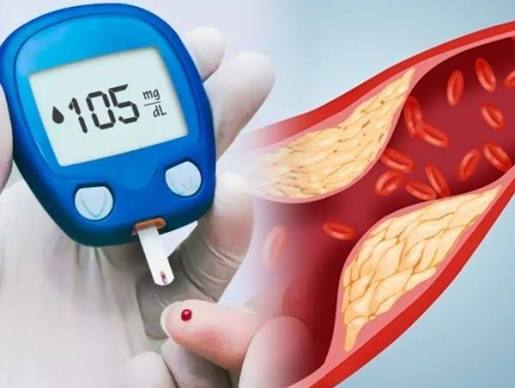
Cholesterol monitoring in diabetes is a critical but widely underappreciated component of comprehensive diabetes care. Adults with Type 2 diabetes face cardiovascular disease risk that is two to four times higher than adults without diabetes — and a substantial portion of this risk comes from a specific pattern of cholesterol and triglyceride abnormalities that diabetes causes through its effects on insulin signaling, fat metabolism, and liver function. Understanding what these abnormalities are, why they matter, what the treatment targets are, and how often they should be tested is essential for any adult with diabetes who wants to protect their cardiovascular health over the long term. The cholesterol monitoring in diabetes framework covered here equips adults with the knowledge to interpret their lipid panel results, understand when statin therapy is recommended, recognize when lifestyle changes can meaningfully improve their lipid profile, and advocate for appropriate monitoring frequency in their diabetes care appointments.
Diabetes causes a specific lipid pattern called diabetic dyslipidemia that is characterized by three simultaneous abnormalities: elevated triglycerides (typically above 150 mg/dL), low HDL cholesterol (below 40 mg/dL in men, below 50 mg/dL in women), and a shift in LDL particles toward smaller, denser particles that are more atherogenic (more likely to deposit in arterial walls) than the larger, more buoyant LDL particles found in people without diabetes. Importantly, adults with diabetic dyslipidemia can have a total LDL cholesterol that appears normal — even below 100 mg/dL — while still having significantly elevated cardiovascular risk from the pattern of small dense LDL particles and high triglycerides. This is why measuring the full lipid panel — not just total cholesterol — is essential in diabetes monitoring.
Cholesterol Targets in Diabetes: What Numbers to Aim For
The lipid targets in adults with diabetes are set based on the cardiovascular risk that diabetes itself confers — which is high enough that diabetes is classified as a cardiovascular risk equivalent in lipid management guidelines, meaning adults with diabetes are treated as though they already have established heart disease for the purposes of LDL-lowering treatment thresholds:
- LDL cholesterol below 70 mg/dL — for adults with diabetes and established cardiovascular disease: Adults with Type 2 diabetes who have had a heart attack, stroke, coronary artery disease, peripheral arterial disease, or other atherosclerotic cardiovascular disease (ASCVD) have very high cardiovascular risk and require the most intensive LDL lowering. The current ADA and ACC/AHA target for this population is LDL below 70 mg/dL, and for very high-risk individuals (multiple cardiovascular events or one major event with multiple additional risk factors), some guidelines recommend LDL below 55 mg/dL. Achieving LDL below 70 mg/dL typically requires high-intensity statin therapy (atorvastatin 40–80 mg or rosuvastatin 20–40 mg daily), and in patients who cannot achieve the target on maximum-tolerated statin, ezetimibe or PCSK9 inhibitors may be added.
- LDL below 100 mg/dL — for adults with diabetes without established cardiovascular disease but with additional risk factors: Adults with diabetes who do not yet have established cardiovascular disease but have additional risk factors — age above 40, hypertension, smoking, family history of premature cardiovascular disease, albuminuria, or long diabetes duration — have high cardiovascular risk and are recommended an LDL target below 100 mg/dL, typically achievable with moderate-to-high intensity statin therapy. Most major guidelines (ADA, ACC/AHA) now recommend initiating statin therapy in all adults with diabetes aged 40–75 regardless of baseline LDL level, because the absolute cardiovascular risk reduction from statin therapy in this age group is clinically meaningful even when LDL appears normal.
- Non-HDL cholesterol and triglyceride targets: For adults with diabetes and elevated triglycerides — which are very common due to diabetic dyslipidemia — non-HDL cholesterol (calculated as total cholesterol minus HDL cholesterol) is a more reliable cardiovascular risk marker than LDL cholesterol alone, because it captures the cholesterol content of all atherogenic particles including VLDL and IDL that are elevated by triglycerides. A non-HDL target of below 130 mg/dL (for secondary prevention) or below 160 mg/dL (for primary prevention) accompanies the LDL target. Triglycerides should ideally be below 150 mg/dL; very high triglycerides (above 500–1000 mg/dL) require treatment to prevent pancreatitis risk, which is separate from the cardiovascular risk that lower-level triglyceride elevation confers. The blood pressure monitoring that accompanies cholesterol monitoring as part of comprehensive cardiovascular risk management in diabetes is in our blood pressure monitoring in diabetes guide.
How Often Should Cholesterol Be Monitored in Diabetes
The recommended frequency of cholesterol monitoring in diabetes depends on the treatment status and cardiovascular risk of the individual patient:
- At diagnosis — establish the baseline: A fasting lipid panel should be obtained at diabetes diagnosis to establish the baseline lipid profile before any treatment is started. This baseline guides initial treatment decisions and provides the reference for subsequent measurements. Adults newly diagnosed with Type 2 diabetes frequently have already-elevated triglycerides and already-reduced HDL from years of pre-diabetic insulin resistance — making the initial lipid panel important for understanding the starting cardiovascular risk status.
- After initiating or changing lipid-lowering therapy — 4–12 weeks later: When statin therapy is initiated or the dose is changed, a lipid panel should be repeated 4–12 weeks later to confirm the expected LDL response has occurred and to determine whether the target has been achieved or further dose escalation or additional agents are needed. The LDL reduction expected from statin therapy is predictable by drug class and dose — high-intensity statins (atorvastatin 40–80 mg, rosuvastatin 20–40 mg) reduce LDL by approximately 50% or more; moderate-intensity statins (atorvastatin 10–20 mg, rosuvastatin 10 mg, simvastatin 20–40 mg) reduce LDL by 30–50%. If the expected reduction is not observed, adherence should be assessed before escalating therapy.
- Annually once stable on therapy: Adults on stable statin therapy who have achieved their LDL target may have annual lipid panel monitoring — confirming that the target is being maintained and detecting any significant changes. Adults not on statin therapy with borderline lipid levels should also have annual monitoring to detect progression that would warrant initiating treatment. The complete annual diabetes monitoring schedule that includes lipid panels alongside A1C, kidney tests, blood pressure, eye exams, and foot exams is in our annual diabetes care checklist. The overall diabetes monitoring framework is our diabetes checkups: what to expect guide. Adults who need context on how statin therapy fits within the complete diabetes medication picture should read our diabetes medications overview. The A1C testing that monitors blood glucose control in parallel with lipid monitoring is in our A1C testing schedule guide. The ADA’s cholesterol and diabetes resources, the NIDDK’s heart disease and diabetes overview, and the CDC’s cholesterol management guidance provide authoritative clinical information on lipid monitoring and treatment in adults with diabetes.
Statin Therapy in Diabetes: Who Needs It and Which Medication
Statin therapy is the primary pharmacological intervention for reducing LDL cholesterol and cardiovascular risk in adults with diabetes. The decision about who should take a statin and which one is now well-established in guidelines from both the ADA and the ACC/AHA:
- Adults aged 40–75 with Type 2 diabetes — statins recommended regardless of baseline LDL: The ACC/AHA and ADA both recommend that most adults with Type 2 diabetes between the ages of 40 and 75 receive statin therapy, independent of their current LDL level. This recommendation reflects the clinical trial evidence (particularly the CTT meta-analysis of statin trials) showing that each 1.0 mmol/L (approximately 39 mg/dL) reduction in LDL reduces major cardiovascular events by approximately 22% in adults at high cardiovascular risk — including adults with diabetes — regardless of the starting LDL level. An adult with diabetes aged 50 whose LDL is 95 mg/dL benefits from statin therapy in absolute cardiovascular risk reduction terms, even though their LDL appears to be near normal. The argument is about absolute risk reduction: adults with diabetes start at higher baseline cardiovascular risk, so the same relative risk reduction from statins translates to a larger absolute benefit per 1,000 patients treated.
- High-intensity statin preferred for adults with diabetes and established cardiovascular disease: Adults with Type 2 diabetes who have had a heart attack, stroke, coronary artery disease, or peripheral arterial disease should receive high-intensity statin therapy — atorvastatin 40–80 mg daily or rosuvastatin 20–40 mg daily — targeting LDL below 70 mg/dL (or below 55 mg/dL for very high-risk patients). High-intensity statins reduce LDL by 50% or more and have the strongest evidence base for cardiovascular event reduction in secondary prevention trials including 4S, LIPID, CARE, TNT, and PROVE-IT. If maximum-tolerated statin does not achieve the LDL target, ezetimibe (10 mg daily, which lowers LDL an additional 15–20%) is added before considering PCSK9 inhibitors.
- Moderate-intensity statin for primary prevention in adults with diabetes aged 40–75: Adults with diabetes in the primary prevention setting (no prior cardiovascular events) typically receive moderate-intensity statin therapy — atorvastatin 10–20 mg, rosuvastatin 5–10 mg, or simvastatin 20–40 mg daily — targeting LDL below 100 mg/dL. For adults with additional cardiovascular risk factors (hypertension, smoking, family history, albuminuria), high-intensity statin may be appropriate for primary prevention as well.
- Adults under 40 or over 75 — individualized decision: For adults with diabetes aged under 40 (who have low absolute cardiovascular risk due to age alone) and adults over 75 (in whom statin benefit relative to risk and polypharmacy burden requires individualization), statin therapy decisions should be made jointly with the prescribing clinician based on overall cardiovascular risk profile, diabetes duration, presence of risk factors, and the patient’s own preferences. Very elderly adults with frailty or limited life expectancy may not live long enough to accrue the 5–10 year cardiovascular benefit from statin therapy, and the medication burden and myopathy risk in this population require individualized assessment.
- Statin side effects to know about: The most common statin side effect is myalgia — muscle aches, particularly with high-intensity statins. True statin-induced myopathy (elevated creatine kinase with muscle damage) is uncommon; serious rhabdomyolysis is rare. Adults who experience significant muscle symptoms should contact their clinician rather than stopping without guidance. A well-documented but often overstated concern is statin-induced hyperglycemia — statins modestly increase blood glucose (by approximately 0.1–0.3 mmol/L HbA1c equivalent on average), which has been used to argue against statin use in people at risk of diabetes. The ADA position is that this effect is small relative to the cardiovascular benefit, does not alter the recommendation to use statins in adults with established diabetes, and should not be a reason to avoid statins when they are otherwise indicated. The cholesterol monitoring framework that tracks statin effectiveness is part of the complete annual care plan in our annual diabetes care checklist.
Lifestyle Changes That Improve Cholesterol in Diabetes
While statin therapy provides the most reliable and substantial LDL reduction and cardiovascular risk reduction for adults with diabetes and high cardiovascular risk, lifestyle changes can meaningfully improve the lipid profile — particularly triglycerides and HDL — in ways that statins do not fully address:
- Dietary fat modification — reduce saturated fat, increase unsaturated fats: Replacing saturated fat (from red meat, butter, full-fat dairy, coconut oil, palm oil) with unsaturated fats (from olive oil, canola oil, nuts, seeds, avocados, and fatty fish) reduces LDL cholesterol by lowering the liver’s VLDL production. Each 1% of dietary calories shifted from saturated to unsaturated fat reduces LDL by approximately 2 mg/dL on average. The Mediterranean dietary pattern — characterized by high olive oil, fish, nuts, legumes, and vegetable intake, with limited red meat and processed food — is the dietary pattern with the most robust cardiovascular evidence in adults with diabetes (PREDIMED trial), producing significant reductions in cardiovascular events over a 5-year follow-up.
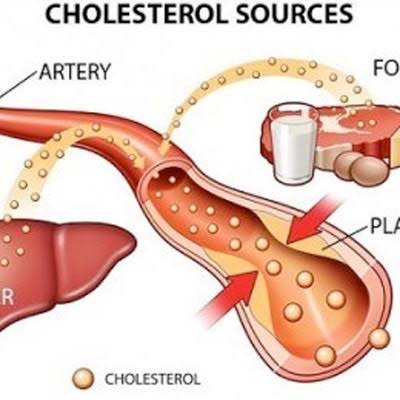
- Dietary cholesterol (dietary cholesterol now considered less important): Current dietary guidelines have moved away from the previous recommendation to restrict dietary cholesterol (from eggs, shellfish, organ meats) to below 300 mg/day. The current evidence shows that dietary cholesterol has a much smaller effect on serum LDL than dietary saturated fat in most adults — though adults who are “cholesterol hyper-absorbers” (a genetic predisposition) may show more significant LDL response to dietary cholesterol. Replacing eggs with plant-based protein sources still reduces cardiovascular risk, but the mechanism is primarily the replacement of saturated fat from accompanying foods (bacon, butter) rather than the cholesterol in the egg itself.
- Soluble fiber (oats, legumes, barley, psyllium) — direct LDL lowering: Soluble fiber binds bile acids in the intestine, reducing their reabsorption and forcing the liver to produce new bile acids from cholesterol — a mechanism that directly reduces serum LDL. Increasing soluble fiber intake from oats (beta-glucan), beans and lentils, barley, and psyllium husk can reduce LDL by 5–10% on average, which is a meaningful contribution alongside statin therapy.
- Physical activity (aerobic exercise raises HDL and lowers triglycerides): Regular aerobic exercise — particularly brisk walking, cycling, swimming, or running — raises HDL cholesterol by 5–10% on average and reduces triglycerides by 20–30% in individuals with elevated baseline triglycerides. These effects are specific to aerobic exercise intensity and duration; 150 minutes per week of moderate-intensity aerobic activity is the minimum recommended to produce meaningful lipid effects. Resistance training (weight training) provides additional cardiovascular and insulin-sensitizing benefit but has less pronounced effects on the HDL and triglyceride components of the lipid panel than aerobic activity.
- Weight loss — addresses diabetic dyslipidemia directly: Weight loss in overweight or obese adults with diabetes improves all three components of diabetic dyslipidemia: it lowers triglycerides significantly, raises HDL, and (to a lesser extent) reduces LDL. Even modest weight loss of 5–7% of body weight produces clinically meaningful improvements in the lipid profile. The blood pressure monitoring that accompanies lifestyle modification for lipid improvement is in our blood pressure monitoring in diabetes guide. The kidney monitoring that detects cardiovascular and kidney risk alongside lipid monitoring is in our kidney tests for diabetes monitoring guide. The diabetes medication safety context for statin interactions and myopathy monitoring is in our diabetes medication safety guide. Adults who want to understand all diabetes medications including statins within the context of their full regimen should read our diabetes medications overview. The ADA’s LDL cholesterol and diabetes resources, the NIDDK’s cardiovascular complications and diabetes overview, and the CDC’s cholesterol management resources provide the authoritative clinical basis for cholesterol monitoring and cardiovascular risk reduction in adults with diabetes.
Special Topics in Cholesterol Management for Adults With Diabetes
Several specific situations in cholesterol monitoring in diabetes require additional knowledge that goes beyond the standard lipid target framework:
- Hypertriglyceridemia management — when triglycerides are very high: While statin therapy is the cornerstone of cardiovascular risk reduction in diabetes, statins have relatively modest effects on triglycerides (reducing them by approximately 10–20%). When triglycerides are moderately elevated (150–499 mg/dL), the first-line approach is addressing the underlying causes: improving blood glucose control (hyperglycemia directly raises triglyceride production), reducing dietary refined carbohydrates and sugar, increasing physical activity, and limiting alcohol. When triglycerides are severely elevated (above 500 mg/dL), the risk of pancreatitis becomes the primary concern (pancreatitis risk rises sharply above 1000 mg/dL), and fibrate therapy (fenofibrate, gemfibrozil) or omega-3 fatty acids (prescription icosapentaenoic acid — EPA — at 4 g/day, as tested in the REDUCE-IT trial) may be added for triglyceride reduction. The REDUCE-IT trial demonstrated that high-dose EPA significantly reduced cardiovascular events in adults with diabetes and elevated triglycerides despite statin therapy — an important finding that has added cardiovascular outcome evidence for omega-3 therapy in this specific population.
- Familial hypercholesterolemia (FH) — when very high LDL is genetic: Adults with Type 2 diabetes who have markedly elevated LDL cholesterol (above 190 mg/dL) on no therapy may have familial hypercholesterolemia — a genetic disorder causing severe LDL elevation from birth that dramatically increases lifetime cardiovascular risk. Diabetes does not cause LDL above 190 mg/dL; this level of LDL elevation should prompt consideration of FH and referral to a lipid specialist. Adults with both FH and diabetes have multiplicatively elevated cardiovascular risk and typically require very high-intensity statin therapy plus ezetimibe plus a PCSK9 inhibitor to achieve LDL targets.
- Statin intolerance — options when muscle symptoms occur: Adults who experience significant muscle symptoms on statin therapy should contact their prescribing clinician rather than stopping without guidance. Options include switching to a different statin (rosuvastatin and fluvastatin are associated with lower rates of myalgia than simvastatin or lovastatin), reducing the statin dose (which may reduce muscle symptoms while preserving some LDL reduction), or switching to alternate-day dosing with longer-half-life statins (rosuvastatin, atorvastatin). True statin intolerance to all statins is less common than generally perceived — most adults who have had muscle symptoms on one statin can tolerate another at an appropriate dose. For adults with genuine statin intolerance, ezetimibe, bempedoic acid, and PCSK9 inhibitors provide LDL-lowering alternatives. The complete context of all annual monitoring — including how cholesterol fits within the diabetes monitoring schedule alongside A1C, blood pressure, and kidney tests — is in our annual diabetes care checklist and diabetes checkups: what to expect guide. The A1C guide that tracks blood glucose control as a primary driver of diabetic dyslipidemia is our A1C testing schedule guide. The blood pressure monitoring guide that covers the cardiovascular risk factors managed alongside cholesterol in diabetes is our blood pressure monitoring in diabetes article. The ADA’s cholesterol and cardiovascular disease resources, the NIDDK’s heart disease prevention in diabetes, and the CDC’s cholesterol monitoring guidance provide authoritative information on cholesterol management in adults with diabetes.
Consistent cholesterol monitoring in diabetes — annual lipid panels, statin therapy where indicated, and attention to the specific triglyceride and HDL abnormalities characteristic of diabetic dyslipidemia — is one of the highest-impact actions an adult with diabetes can take to reduce their risk of heart attack and stroke over the coming decades. The LDL target is not just a number on a lab report; it is a clinical milestone that represents the degree of arterial protection being achieved, and the annual lipid panel is the tool that confirms whether that protection is in place year after year.
Sources: American Diabetes Association — Standards of Medical Care in Diabetes, lipid monitoring targets and statin therapy recommendations; ACC/AHA Guideline on the Management of Blood Cholesterol — cardiovascular risk assessment and LDL targets in diabetes; NIDDK — heart disease and stroke prevention in diabetes; CDC — cholesterol monitoring guidance; diabetic dyslipidemia pathophysiology (elevated triglycerides, low HDL, small dense LDL); statin cardiovascular risk reduction evidence in diabetes (CTT meta-analysis, individual major statin trials); ASCVD risk equivalence of Type 2 diabetes in lipid management guidelines; non-HDL cholesterol as cardiovascular risk marker in hypertriglyceridemia; ezetimibe and PCSK9 inhibitor add-on therapy evidence; statin-induced hyperglycemia mechanism and clinical significance; triglyceride targets and pancreatitis risk at very high triglyceride levels.
Thank you for covering cholesterol monitoring in diabetes so thoroughly without being overly technical. What I liked most was that the article didn’t just say what to avoid — it also gave alternatives. Forwarding this to others in my support group who are dealing with similar issues.
This is one of the clearest explanations of cholesterol monitoring in diabetes I have found. I appreciated how the article addressed both the clinical side and the practical adjustments. Exactly the kind of evidence-based information that is hard to find in one place.
Finally a resource that explains cholesterol monitoring in diabetes in plain language. I have tried following advice from several sources but this is most consistent with what my specialist told me. Forwarding this to others in my support group who are dealing with similar issues.