
The urine albumin test is the most sensitive early warning system available for detecting diabetic kidney disease — a complication that eventually affects up to 40% of adults with diabetes and represents the most common cause of kidney failure requiring dialysis in developed countries. What makes the urine albumin test so clinically valuable is that it detects kidney damage at a stage when it is still largely reversible — years before kidney function begins to measurably decline, and long before any symptoms of kidney disease appear. The test is simple, requiring only a urine sample provided at a clinical visit, inexpensive, and actionable: an elevated result identifies a specific group of adults with diabetes who need intensified treatment for blood glucose and blood pressure, and for whom specific medications (ACE inhibitors, ARBs, and SGLT2 inhibitors) provide proven kidney protection when started at this early stage. Adults with diabetes who understand why this test is done, how to interpret their result, and what an elevated result means for their management plan are in a far better position to take the steps needed to protect their kidneys than those who receive the result without context.
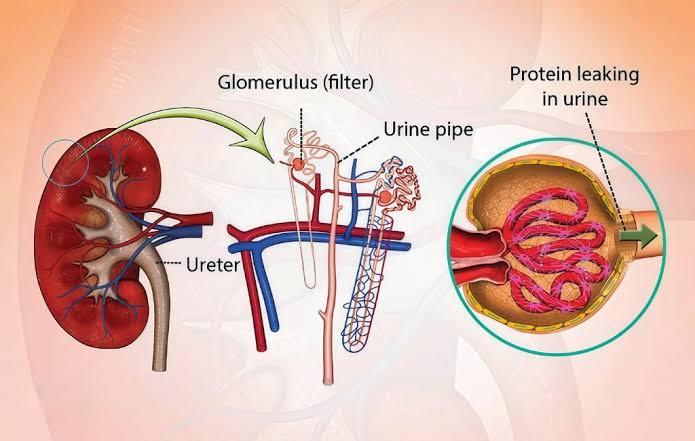
Albumin is a large protein that should be too big to pass through the glomerular filtration barrier in the kidney — the microscopic sieve that filters blood into urine. In healthy kidneys, only trace amounts of albumin appear in the urine. In diabetic nephropathy, chronic high blood glucose damages the glomerular filtration barrier through multiple mechanisms: glycation of the collagen matrix, inflammation from advanced glycation end-products, increased intraglomerular pressure driven by hyperglycemia-induced afferent arteriolar dilation, podocyte injury, and oxidative stress. This damage makes the filtration barrier “leaky” — allowing progressively more albumin to pass into the urine. The amount of albumin in the urine is therefore a direct measure of how much glomerular damage has accumulated. Detecting and treating this damage early — when albumin leakage is mild — is the goal of annual urine albumin testing.
How the Urine Albumin Test Is Performed and Reported
The urine albumin test in current clinical practice is almost always performed as a urine albumin-to-creatinine ratio (uACR) rather than as a 24-hour urine collection or a standalone urine albumin dipstick test:
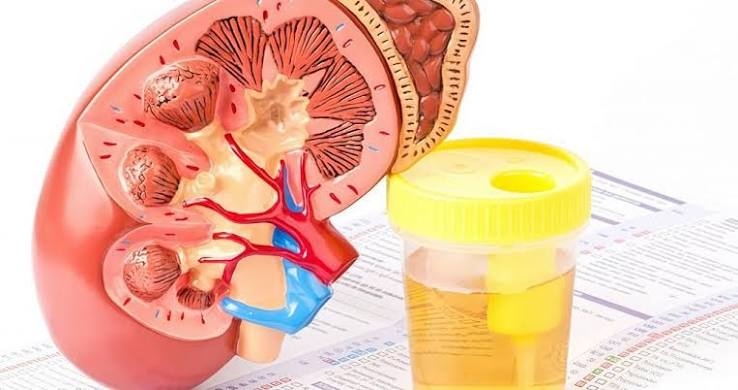
- Spot urine sample — convenient and accurate: The uACR requires a single spot urine sample — typically the first morning void or any void at the clinic visit — collected in a standard urine cup. This is far more practical than the 24-hour urine collection that was previously used for microalbumin testing, which required collecting all urine over a full 24-hour period. The uACR is accurate because creatinine is excreted in the urine at a relatively constant rate proportional to muscle mass, allowing the albumin concentration to be expressed relative to creatinine concentration. This corrects for urine dilution — the main source of variability in spot urine albumin testing — producing a result that is reproducible across samples taken at different times of day.
- Result reported in mg/g (milligrams of albumin per gram of creatinine): The uACR result is expressed as mg/g. The current KDIGO (Kidney Disease: Improving Global Outcomes) and ADA classifications define three ranges: Normal — below 30 mg/g; Moderately increased (formerly microalbuminuria) — 30 to 300 mg/g; Severely increased (formerly macroalbuminuria) — above 300 mg/g. The older terms “microalbuminuria” and “macroalbuminuria” are being phased out in favor of the category names above, because they implied a false distinction between “micro” (clinically insignificant) and “macro” (clinically significant) — when in reality any uACR above 30 mg/g represents clinically meaningful kidney damage that warrants treatment intensification.
- Confirmatory testing before initiating treatment: The ADA recommends confirming an elevated uACR with at least one additional urine sample before basing long-term treatment decisions on the result, because transient elevations are common and do not indicate permanent kidney damage. Conditions that can temporarily elevate uACR include: urinary tract infection (UTI), fever or acute illness, recent vigorous exercise, dehydration, menstruation, and acute hyperglycemia. Two of three spot urine specimens elevated on separate occasions (tested over 3–6 months) confirms persistent proteinuria. The kidney function test that accompanies uACR to assess how much filtration function remains is covered in our eGFR and kidney function in diabetes guide.
What to Do When Your Urine Albumin Test Is Elevated
An elevated urine albumin test result — confirmed by repeat testing — is an important signal that requires specific management responses. Here is what typically happens after a confirmed elevated uACR in diabetes care:
- Intensify blood glucose control: Elevated uACR is direct evidence that hyperglycemia has damaged the glomerular filtration barrier. The most fundamental response is improving blood glucose control to an A1C target that is appropriate for the individual patient — typically below 7.0% for most adults without significant hypoglycemia risk. Clinical trial data (UKPDS, DCCT/EDIC) show that improved blood glucose control reduces the rate of progression from normal albuminuria to elevated albuminuria, and from mildly elevated to more significantly elevated uACR. The A1C monitoring framework that tracks blood glucose control is in our A1C testing schedule guide.
- Start or optimize ACE inhibitor or ARB therapy: ACE inhibitors (lisinopril, ramipril, enalapril) and ARBs (losartan, irbesartan, candesartan) reduce uACR and slow nephropathy progression through mechanisms beyond blood pressure lowering — specifically by dilating the efferent arteriole of the glomerulus, which reduces intraglomerular pressure and the mechanical stress on the already-damaged glomerular filtration barrier. These medications are recommended by the ADA for all adults with diabetes and persistently elevated uACR (above 30 mg/g), regardless of whether hypertension is present. The blood pressure monitoring that ensures ACE inhibitor or ARB therapy is achieving the target is covered in our blood pressure monitoring in diabetes guide.
- Consider SGLT2 inhibitor therapy: For adults with Type 2 diabetes, eGFR above 20 mL/min/1.73m², and uACR above 200 mg/g (or above 300 mg/g per some guidelines), SGLT2 inhibitor therapy is now recommended by both the ADA and KDIGO guidelines to slow diabetic nephropathy progression. The CREDENCE, DAPA-CKD, and EMPA-KIDNEY trials established that SGLT2 inhibitors reduce the composite endpoint of kidney failure, eGFR decline, cardiovascular death, and hospitalization in adults with diabetic kidney disease, independent of their blood glucose-lowering effect. SGLT2 inhibitors reduce intraglomerular pressure through a natriuretic tubuloglomerular feedback mechanism — complementary to but distinct from the RAAS blockade of ACE inhibitors — making combination therapy with both drug classes standard of care in adults with diabetic CKD. The medication context for SGLT2 inhibitors in diabetes management is in our diabetes medications overview.
- Blood pressure target of below 130/80 mmHg: Elevated blood pressure accelerates the progression of diabetic nephropathy by increasing glomerular filtration pressure and further stressing the already-damaged filtration barrier. Adults with diabetes and elevated uACR should have blood pressure maintained below 130/80 mmHg, with ACE inhibitors or ARBs as preferred first-line antihypertensive agents given their dual role in blood pressure control and kidney protection. The complete kidney monitoring framework that tracks the response to these interventions is in our kidney tests for diabetes monitoring guide. The overall annual monitoring checklist that coordinates all components of diabetes monitoring including urine albumin testing is in our annual diabetes care checklist. The NIDDK’s diabetic kidney disease resources, the National Kidney Foundation’s diabetes and CKD guidance, and the KDIGO diabetes and CKD guidelines provide the authoritative clinical basis for urine albumin monitoring and management in adults with diabetes.
How Often Should You Have a Urine Albumin Test With Diabetes
The recommended frequency of urine albumin test monitoring in adults with diabetes is:
- Annually — for all adults with Type 2 diabetes, starting at diagnosis: The ADA recommends annual uACR testing for all adults with Type 2 diabetes beginning at the time of diagnosis. Unlike Type 1 diabetes (where diabetic nephropathy typically takes 5–10 years of chronic hyperglycemia to develop before it appears in urine testing), adults with Type 2 diabetes frequently have elevated uACR at or shortly after diagnosis — because Type 2 diabetes typically follows years of pre-diabetic hyperglycemia during which kidney damage has already been accumulating silently. Starting annual uACR testing at diagnosis ensures that early nephropathy is not missed in the period when treatment is most effective.
- More frequently when elevated and under active management: Adults who have a confirmed elevated uACR (above 30 mg/g) and are starting or adjusting ACE inhibitor, ARB, or SGLT2 inhibitor therapy may have uACR repeated more frequently — every 3–6 months initially — to monitor the treatment response. An effective treatment response is typically a 30–50% reduction in uACR from baseline. Adults who achieve a stable, treated uACR that is significantly reduced from their pre-treatment level may return to annual testing once the response is established and confirmed stable. Adults with uACR above 300 mg/g (severely elevated) generally require more frequent monitoring than adults with mildly elevated results, as their kidney disease is at a more active stage where monitoring eGFR and uACR trajectories matters more urgently for management decisions.
- Alongside annual eGFR (kidney filtration function): The uACR and eGFR should always be interpreted together — they provide complementary information that together gives a complete picture of kidney health. The uACR tells how much damage is actively occurring to the glomerular filtration barrier; the eGFR tells how much filtration function has already been lost. An adult with an elevated uACR but still-normal eGFR is in early diabetic nephropathy — the stage of greatest treatment opportunity. An adult with declining eGFR and elevated uACR has active and progressive disease requiring intensive management. An adult with low eGFR but normal uACR may have nephrosclerosis (kidney damage from longstanding hypertension) rather than true diabetic nephropathy — or may be on effective treatment that has normalized albumin excretion while eGFR remains reduced from prior damage. The eGFR monitoring that pairs with uACR in complete kidney assessment is covered in our eGFR and kidney function in diabetes guide.
Understanding Your Urine Albumin Result: What Each Number Means for Your Care
When you receive a urine albumin test result — whether as a uACR number in a patient portal or as a lab report at a clinical visit — here is what each result range means for your diabetes management:
- uACR below 30 mg/g — normal, continue annual monitoring: A normal uACR means that your kidneys are not currently showing evidence of diabetic nephropathy. The appropriate response is to continue annual testing, maintain good blood glucose control and blood pressure management to protect kidneys from future damage, and ensure the test is repeated again in 12 months. A single normal uACR does not mean the kidneys will remain normal — the annual test is important because diabetic nephropathy can develop at any point in the course of diabetes, particularly when blood glucose or blood pressure control deteriorates.
- uACR 30–300 mg/g — early nephropathy, treatment indicated: A confirmed uACR in this range (verified on at least one repeat test) indicates early diabetic nephropathy. The kidneys are showing measurable damage, but at a stage where intervention can substantially slow or halt progression. The management responses — improved blood glucose control, blood pressure target below 130/80 mmHg, ACE inhibitor or ARB therapy, and potentially SGLT2 inhibitor therapy — are most effective at this stage when applied consistently. Adults who achieve substantial uACR reduction through these interventions and maintain it over years have significantly reduced risk of progressing to kidney failure compared with adults who receive no treatment at this stage. The importance of treating elevated uACR at this early stage cannot be overstated — this is the window of greatest opportunity in diabetic kidney disease management.
- uACR above 300 mg/g — established nephropathy, more intensive management required: A uACR above 300 mg/g indicates more established diabetic kidney disease with significant glomerular damage. At this stage, the eGFR may still be normal (the kidney is filtering at normal rates despite the high protein leak — a sign that glomerular hypertrophy is compensating for damaged nephrons) or may already be declining. Management at this stage includes all of the interventions for early nephropathy plus more frequent monitoring (every 3–6 months for both uACR and eGFR), consideration of nephrology co-management depending on eGFR trajectory, and careful attention to medications that may be nephrotoxic or require dose adjustment at reduced kidney function (including metformin, which should be held or dose-reduced at eGFR below 30 mL/min/1.73m²). The medication safety context for diabetes medications in kidney disease is in our diabetes medication safety guide. The overall annual diabetes monitoring schedule that places uACR alongside all other monitoring components is in our annual diabetes care checklist. The comprehensive diabetes checkup framework is our diabetes checkups: what to expect guide. The cholesterol monitoring that accompanies kidney monitoring as part of complete cardiovascular and kidney risk management in diabetes is in our cholesterol monitoring in diabetes guide. The blood pressure monitoring guide that covers ACE inhibitor and ARB therapy in the context of kidney protection is our blood pressure monitoring in diabetes article. The NIDDK’s diabetic kidney disease resources, the National Kidney Foundation’s CKD and diabetes guidance, and the KDIGO guidelines for diabetes and CKD provide the authoritative clinical basis for urine albumin interpretation and diabetic nephropathy management.
Causes of False Positives and How to Avoid Misinterpretation
A single elevated urine albumin test result does not always represent diabetic nephropathy — several common conditions cause transient uACR elevation that normalizes without treatment and does not indicate permanent kidney damage. Understanding these causes helps avoid unnecessary anxiety or premature treatment decisions based on a single elevated reading:
- Urinary tract infection (UTI): Bladder and kidney infections cause inflammation that substantially increases urinary albumin excretion — elevating the uACR even when there is no glomerular damage. Adults who have symptoms of a UTI (burning or frequent urination, cloudy or malodorous urine, pelvic discomfort) at the time of a urine albumin test, or whose urinalysis shows white blood cells or bacteria, should have the uACR repeated after the infection has been treated and resolved. A uACR elevated during active UTI cannot be interpreted as evidence of diabetic nephropathy.
- Vigorous physical exercise within 24–48 hours before the test: Intense aerobic exercise (running, cycling, swimming at high intensity) transiently increases urinary albumin excretion through increased glomerular filtration pressure during exertion and post-exercise inflammatory responses. Adults who exercise vigorously should ideally have the urine albumin test performed after at least 24–48 hours of rest from intense exercise — or specifically use the first morning void (collected before any physical activity) rather than a post-exercise urine sample.
- Fever, acute illness, or physiological stress: Acute systemic illness — fever, surgery, acute infection, severe metabolic stress — transiently elevates urinary albumin excretion through inflammation and catecholamine-driven hemodynamic changes that increase glomerular filtration pressure. The uACR during or shortly after any acute illness is unreliable and should be repeated after recovery. If a routine uACR blood test was collected during a hospital admission or acute care visit, that result should generally not be used as a baseline for nephropathy staging.
- Orthostatic (postural) proteinuria: Some adults, particularly younger adults, have benign orthostatic proteinuria — albumin leaks into the urine only when upright (standing or walking), not when supine (lying down). This is a benign condition unrelated to diabetic nephropathy. The first morning void — collected while still in bed or immediately after rising without having been upright for extended periods — is specifically lower in albumin in adults with orthostatic proteinuria, because it reflects the supine state during sleep. Using the first morning void for uACR testing helps minimize false elevation from orthostatic proteinuria, which is one reason some guidelines recommend the first morning void over a random void for uACR testing. The complete diabetes checkup framework that places urine albumin testing within the full monitoring schedule is in our diabetes checkups: what to expect guide. The kidney tests overview that covers both uACR and eGFR as complementary tools is our kidney tests for diabetes monitoring guide. Adults managing early diabetic nephropathy through medication should be aware of the safety context for ACE inhibitors, ARBs, and SGLT2 inhibitors in kidney disease — covered in our diabetes medication safety guide. The overall annual monitoring schedule that coordinates all diabetes care components including the urine albumin test is in our annual diabetes care checklist.
The urine albumin test is one of the most actionable tests in all of diabetes monitoring. Unlike some laboratory tests that detect problems at a stage where management options are limited, the uACR detects kidney damage precisely at the stage when the most effective interventions are available — when treatment can halt progression, reduce proteinuria, and preserve kidney function for years or decades to come. Adults with diabetes who have their uACR tested annually and who respond to elevated results by working with their clinician to intensify blood glucose control, start ACE inhibitor or ARB therapy, and consider SGLT2 inhibitor treatment are using the full power of what current diabetes kidney care can offer. Adults who skip annual uACR testing — or who receive an elevated result without understanding what it means — are missing the most important early detection opportunity in diabetic kidney disease, often only learning about their kidney damage when eGFR has already declined significantly and the window of greatest treatment benefit has narrowed. Asking at every diabetes appointment, “Was my urine albumin test done this year, and what was the result?” is one of the most protective questions an adult with diabetes can ask.
Sources: American Diabetes Association — Standards of Medical Care in Diabetes, urine albumin-to-creatinine ratio monitoring and diabetic nephropathy management; KDIGO — CKD classification using eGFR and uACR, diabetic kidney disease management guidelines; NIDDK — diabetic kidney disease overview and urine albumin test information; National Kidney Foundation — diabetes and CKD resources; glomerular filtration barrier pathophysiology in diabetic nephropathy — podocyte injury, glycation, oxidative stress, and intraglomerular hypertension mechanisms; UKPDS (blood glucose control and microalbuminuria prevention evidence); DCCT/EDIC (intensive glucose control and nephropathy prevention in Type 1 diabetes); ACE inhibitor and ARB kidney-protective mechanisms and clinical trial evidence (RENAAL, IRMA-2, IDNT, MICROHOPE); SGLT2 inhibitor trials in diabetic CKD (CREDENCE, DAPA-CKD, EMPA-KIDNEY); transient uACR elevation causes (UTI, exercise, fever, dehydration) and confirmatory testing protocol.
Bookmarked this article on urine albumin test and diabetes immediately — going to reference it regularly. What I liked most was that the article didn’t just say what to avoid — it also gave alternatives. Thank you for making complex medical information accessible without dumbing it down.
As someone dealing with this personally, the urine albumin test and diabetes section was very helpful. The section on managing this condition day-to-day was especially useful for planning. Thank you for making complex medical information accessible without dumbing it down.
I shared this article on urine albumin test and diabetes with my doctor and they appreciated the level of detail. I appreciate that the article is careful about distinguishing between what is known and what is still being researched. This gave me real confidence going into my next specialist appointment.