
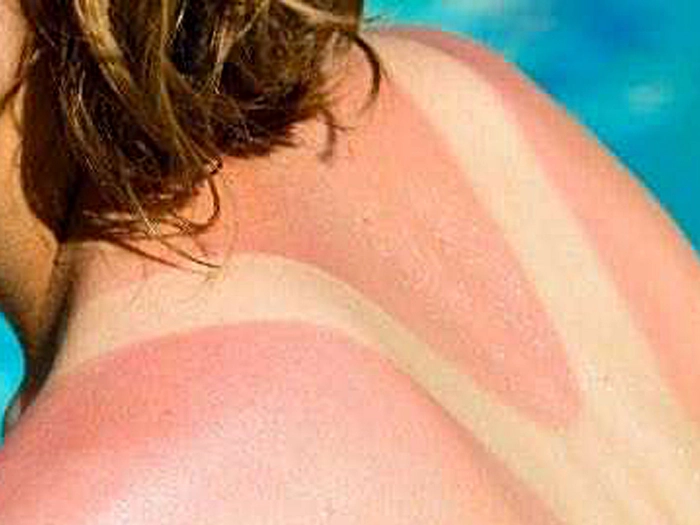
Sun Exposure and Skin Cancer: The Connection
Ultraviolet (UV) radiation from the sun is responsible for approximately 90% of non-melanoma skin cancers and a substantial proportion of melanomas. Sun exposure skin cancer risk is not a theoretical concern — it is the most direct and modifiable environmental carcinogen in human medicine, with a well-characterized dose-response relationship: the more UV radiation skin absorbs over a lifetime, the higher the cumulative risk of developing basal cell carcinoma, squamous cell carcinoma, and melanoma.
What makes sun-related skin cancer prevention simultaneously straightforward and difficult is that UV radiation is invisible, painless in most circumstances, and delivers its carcinogenic dose even on days that feel comfortable and partly cloudy. The gap between how UV radiation feels and how much damage it is doing is the central challenge of skin cancer prevention. Understanding UV radiation — what types exist, how each damages DNA, and which protective measures are most effective — provides the foundation for meaningful risk reduction.
For an overview of the skin cancers that UV exposure causes, see our guides to skin cancer types, basal cell carcinoma, squamous cell carcinoma, and melanoma.
UVA, UVB, and UVC: What Each Type Does
Solar UV radiation reaches Earth in two biologically active wavelength ranges. Understanding the difference between UVA and UVB is essential for understanding both the mechanisms of UV-induced skin cancer and the limitations of common sun protection measures.
UVB (280–320nm): Accounts for approximately 5% of solar UV radiation reaching the Earth’s surface, but is approximately 1,000 times more potent per photon than UVA. UVB is the primary cause of sunburn and the primary driver of basal cell carcinoma and squamous cell carcinoma. UVB directly damages DNA by forming cyclobutane pyrimidine dimers (CPDs) — abnormal bonds between adjacent DNA bases that, if not repaired, cause the mutations (particularly TP53 and PTCH1) that initiate skin cancer. UVB does not penetrate standard window glass.
UVA (320–400nm): Accounts for approximately 95% of solar UV reaching Earth. UVA is less energetic per photon than UVB but far more abundant and penetrates significantly deeper into the skin — reaching the dermis where melanocytes and collagen reside. UVA damages DNA indirectly through reactive oxygen species (ROS), contributes to melanoma carcinogenesis, and is the primary driver of photoaging (wrinkles, pigment spots). Critically, UVA passes through standard window glass — meaning people who work near windows, drive regularly, or spend time in glass-enclosed spaces are receiving meaningful UVA exposure even when they feel protected from the sun.
UVC (200–280nm): The most energetic UV range, but is completely filtered by the atmosphere and ozone layer before reaching the Earth’s surface. UVC from artificial sources (germicidal lamps, certain laser devices) is biologically harmful but is not a naturally occurring skin cancer risk factor.
How UV Radiation Causes Skin Cancer: The Molecular Mechanism
UV radiation causes skin cancer through a sequence of molecular events that converts a normal keratinocyte or melanocyte into a malignant cell:
- UV-induced DNA damage: UVB creates characteristic mutations — C→T transitions at dipyrimidine sites — so distinctive that they are called “UV signature mutations.” These mutations are identified in the vast majority of BCCs and SCCs, providing direct molecular evidence linking UV exposure to specific cancers.
- Failure of DNA repair: Cells have nucleotide excision repair (NER) machinery to correct UV damage. When repair capacity is overwhelmed (as with high cumulative UV exposure) or genetically compromised (as in xeroderma pigmentosum), mutations persist and accumulate.
- Loss of TP53 function: TP53 normally triggers apoptosis in cells with severe DNA damage. UV-induced TP53 mutations allow damaged cells to survive rather than undergoing programmed death, enabling further mutation accumulation.
- Field cancerization: Repeated UV exposure causes TP53 mutations across the entire exposed skin surface — not just in isolated spots. The result is a “field” of subclinically mutated cells from which actinic keratoses and eventual SCCs emerge. This explains why patients with one SCC or BCC have a high rate of developing additional lesions.
- Malignant transformation: Additional mutations in oncogenes and tumor suppressors (PTCH1 for BCC, RAS for SCC, CDKN2A and BRAF for melanoma) complete the transformation from pre-malignant to invasive cancer.
Cumulative vs. Intermittent UV Exposure: Different Cancers, Different Patterns
Not all UV exposure carries the same cancer risk profile. The pattern of UV exposure — chronic and cumulative versus intermittent and intense — is associated with different types of skin cancer:
Cumulative/chronic UV exposure (daily occupational or lifestyle sun exposure over decades) is the primary driver of basal cell carcinoma and squamous cell carcinoma. These cancers develop predominantly on chronically sun-exposed sites — the face, ears, dorsal hands, and scalp — and their incidence correlates directly with lifetime cumulative UV dose. Outdoor workers (farmers, construction workers, fishermen) have substantially elevated rates of BCC and SCC compared to indoor workers, reflecting the occupational UV burden accumulated over a career.
Intermittent intense UV exposure and sunburns are more closely associated with melanoma risk, particularly the superficial spreading subtype. Blistering sunburns during childhood and adolescence are among the strongest individual melanoma risk factors — even a single blistering sunburn before age 18 increases lifetime melanoma risk. This pattern explains why melanoma rates are elevated in office workers who have high recreational UV exposure (beach vacations, weekend outdoor sports) despite limited chronic daily exposure, and why melanoma is less strongly correlated with occupational sun exposure than BCC and SCC are.
Tanning Beds: A Group 1 Human Carcinogen
The International Agency for Research on Cancer (IARC) classified tanning devices as Group 1 human carcinogens in 2009 — the same category as tobacco smoke and asbestos. This classification reflects the accumulated evidence that tanning bed use causes melanoma in humans, not merely that it is biologically plausible.
Key facts about tanning bed UV and skin cancer risk:
- Tanning beds emit primarily UVA radiation, with some UVB, at intensities that can exceed midday summer sun by a factor of 10–15 times for UVA
- Using tanning beds before age 35 increases melanoma risk by 59–75%
- Each additional tanning bed session increases melanoma risk independently of prior use
- A “base tan” from a tanning bed provides approximately SPF 2–4 — negligible UV protection — while delivering the equivalent skin damage
- Tanning beds also increase BCC and SCC risk
- No tanning bed session is “safe” — any tan from UV is evidence of DNA damage
Many countries and US states have banned commercial tanning bed use for individuals under 18 on the basis of this evidence. The IARC Group 1 classification for tanning devices is unambiguous: there is no safe level of UV exposure from artificial tanning equipment.
The UV Index: A Practical Guide
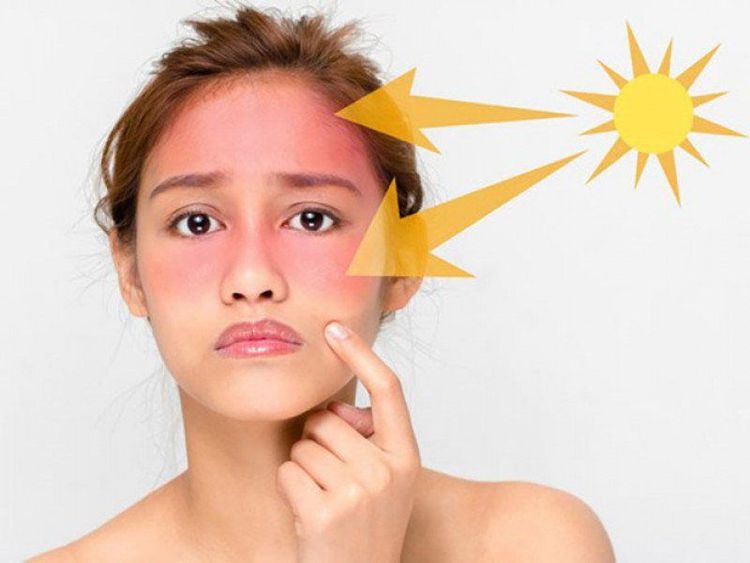
The UV Index is a standardized measure of the intensity of UV radiation at a given time and location, developed by the WHO and UNEP to communicate skin cancer risk to the public. Values range from 1 to 11+ and correspond to recommended protective actions:
- UV Index 1–2 (Low): Minimal protection required for most skin types; sunscreen optional for brief outdoor time
- UV Index 3–5 (Moderate): SPF 30+ sunscreen recommended; seek shade near midday
- UV Index 6–7 (High): SPF 30+ essential; protective clothing recommended; minimize 10am–4pm outdoor time
- UV Index 8–10 (Very High): SPF 50+ recommended; full protective measures; avoid peak hours
- UV Index 11+ (Extreme): Maximum protection; minimize all outdoor exposure during midday
UV Index is highest between 10am and 4pm, in summer months, at lower latitudes (closer to the equator), at higher altitudes (approximately 1% increase per 100m elevation), and when reflected off snow (up to 80% UV reflected), water (~25%), or light sand (~15%). Checking the local UV Index before outdoor activity — available via weather apps, UV Index apps, or the Skin Cancer Foundation UV resources — takes seconds and directly informs protection decisions.
SPF Demystified: What the Numbers Actually Mean
SPF — Sun Protection Factor — measures the factor by which a sunscreen extends the time before UVB-induced sunburn compared to unprotected skin. It measures UVB protection only. A broad-spectrum designation (required by the FDA) indicates that the sunscreen also provides UVA protection.
SPF values and their UVB blocking percentages:
- SPF 15: blocks 93% of UVB
- SPF 30: blocks 97% of UVB
- SPF 50: blocks 98% of UVB
- SPF 100: blocks 99% of UVB
The practical difference between SPF 30 and SPF 50 is approximately 1% additional UVB blockage — meaningful for patients at very high risk (immunosuppressed, prior skin cancer, very fair skin), but less so than correct application and reapplication for average-risk individuals.
The application problem: FDA SPF testing uses 2mg/cm² of product — approximately 1 ounce (30mL) for full body coverage, or a shot glass full. Studies consistently show that most people apply 25–50% of this amount in practice. A person applying SPF 50 at half the required amount achieves real-world protection closer to SPF 15–20. Applying generously and reapplying every 2 hours (or after swimming or sweating) is more protective than using a higher SPF number with inadequate application.
The landmark evidence for sunscreen efficacy comes from the Nambour Skin Cancer Study (Green AC et al., Journal of Clinical Oncology 2011): a randomized controlled trial in which daily application of SPF 16 sunscreen reduced SCC incidence by 40% and melanoma by 50% over 10 years compared to discretionary use.
Chemical vs. Mineral Sunscreens
Chemical (organic) sunscreens contain UV-absorbing ingredients — avobenzone (UVA), octinoxate (UVB), oxybenzone, octocrylene — that convert UV energy to heat. They tend to feel lighter and less visible on the skin. Some concerns have been raised about systemic absorption of chemical filters (particularly oxybenzone), though the FDA has not declared these unsafe and continues to evaluate the evidence. People with sensitive skin or concerns about systemic absorption may prefer mineral options.
Mineral (physical/inorganic) sunscreens use zinc oxide and/or titanium dioxide to reflect and scatter UV radiation rather than absorbing it. They provide broad-spectrum coverage, are less likely to cause skin irritation, and have no systemic absorption concerns. Traditional formulations leave a white cast; modern nano-particle formulations are more cosmetically acceptable but raise their own (currently unresolved) safety questions about nano-particle penetration. For daily face use, mineral SPF 30–50 in a lightweight formulation is the recommended option for most skin types.
Protection Beyond Sunscreen: Clothing, Shade, and Timing
Sunscreen is the most commonly used UV protection tool, but behavioral and physical protection measures often provide superior UV reduction:
UPF-rated clothing: UPF (Ultraviolet Protection Factor) is the clothing equivalent of SPF. A regular white cotton t-shirt provides approximately UPF 5–7, dropping further when wet. Purpose-made UPF 50+ shirts and swimwear block 98% of UV — providing far more consistent protection than sunscreen, which depends on correct application. Tightly woven, darker fabrics offer better UV protection than loose, light-colored fabrics.
Wide-brimmed hats: A hat with a 3-inch or wider brim reduces UV exposure to the face, ears, and neck by up to 70%. Baseball caps protect the forehead and nose but leave the ears, neck, and lower face largely unprotected — common sites for BCC and SCC.
UV-blocking sunglasses: Protect against UV-induced eye damage including cataracts and ocular melanoma. Look for glasses labeled “100% UV protection” or “UV400.”
Shade: Quality shade — a solid overhead structure or dense tree canopy — can reduce UV exposure by 50–95%. Open shade (umbrella, open-sided structure) provides less protection because reflected and scattered UV still reaches the skin. Even in shade, sunscreen and protective clothing are recommended when UV Index is high.
Timing: Avoiding peak UV hours (10am–4pm) is one of the most effective single behavioral interventions. Planning outdoor activities for early morning or late afternoon substantially reduces UV exposure even without other protective measures.
The Vitamin D Question
A common concern about rigorous sun avoidance is vitamin D deficiency — since UVB triggers vitamin D synthesis in the skin. This concern deserves a balanced, evidence-based answer.
The amount of UVB needed for adequate vitamin D synthesis is modest — approximately 10–15 minutes of incidental UV exposure on the face, hands, and forearms on a summer day is sufficient for most fair-skinned individuals. This level of incidental exposure (walking to/from a car, brief outdoor activity) is compatible with otherwise practicing sun protection.
For individuals who are genuinely sun-avoidant or live at higher latitudes, vitamin D supplementation — typically 1,000–2,000 IU per day of vitamin D3 — reliably maintains adequate serum levels without any UV skin exposure. The WHO specifically recommends against deliberately exposing skin to UV for vitamin D synthesis: the vitamin D benefit does not justify the cancer risk of intentional UV exposure, and supplementation achieves the same biological goal safely.
There is no such thing as a safe tan from UV radiation. Any tan produced by UV — from the sun or a tanning bed — is a sign that melanocytes have produced melanin in response to DNA damage. A tan is not a sign of skin health; it is visible evidence that UV radiation has already injured the skin’s DNA. Self-tanning products (containing dihydroxyacetone, DHA) produce cosmetic color through a surface chemical reaction without UV exposure — they provide no UV protection unless SPF-containing ingredients are separately added to the product. If a tan appearance is desired, self-tanning products are the only UV-safe option.
Skin Type and Individual UV Sensitivity
Not everyone responds to UV radiation equally. The Fitzpatrick skin phototype scale classifies skin types by their response to UV exposure:
- Type I: Very fair skin, always burns, never tans; highest lifetime BCC, SCC, and melanoma risk
- Type II: Fair skin, usually burns, sometimes tans; high risk
- Type III: Medium/olive skin, sometimes burns, always tans; moderate risk
- Type IV: Olive/light brown, rarely burns; moderate-low UV-related skin cancer risk (but same risk as all types for acral lentiginous melanoma and mucosal melanoma)
- Type V: Brown skin, very rarely burns; lower UV-related skin cancer risk
- Type VI: Deep brown/black skin, never burns; lowest UV-related skin cancer risk
While Fitzpatrick type modifies UV-related skin cancer risk significantly, it does not eliminate it. All skin types benefit from UV protection. For people of all skin tones, the recognition of skin cancer symptoms — including the non-UV-related acral lentiginous melanoma pattern — and regular dermatological surveillance remain important. For guidance on how frequently professional evaluation is recommended based on UV exposure history and skin type, see our guide to skin cancer screening.
Frequently Asked Questions
Does sunscreen prevent skin cancer?
Yes — the Nambour Skin Cancer Study (Green AC et al., 2011) demonstrated that daily SPF 16 sunscreen reduced SCC by 40% and melanoma by 50% in a randomized controlled trial, making sunscreen one of the few skin cancer preventions supported by RCT-level evidence. However, sunscreen must be applied correctly — in adequate quantity (1oz for the full body) and reapplied every 2 hours — to achieve its labeled SPF protection.
Is SPF 50 significantly better than SPF 30?
The absolute difference is approximately 1% additional UVB blockage (97% vs. 98%). For most people, correct application and reapplication of SPF 30 is more protective than inadequate application of SPF 50. SPF 50+ is particularly recommended for very fair skin, prior skin cancer patients, immunosuppressed individuals, and high UV Index environments. The AAD recommends SPF 30 or higher for everyone.
Can I get skin cancer even if I never burn?
Yes. Sunburn is a marker of acute UV damage but is not required for carcinogenesis to occur. Cumulative UV exposure — even without burning — causes DNA mutations that accumulate over a lifetime. People with darker skin types who rarely or never burn still develop BCC, SCC, and melanoma (particularly ALM), though at lower rates for UV-driven cancers. The absence of burning is not an indicator of safe UV exposure.
Does cloud cover protect against UV?
No. Approximately 80% of UV radiation penetrates through overcast cloud cover. The sensation of being “cool” on a cloudy day can be misleading — UV intensity correlates with UV Index, not ambient temperature. Some of the most severe sunburns occur on cool, overcast days when people feel comfortable outdoors without sun protection. UV Index should be checked regardless of weather conditions.
Sources
- World Health Organization. UV Radiation and Skin Cancer.
- Green AC et al. Reduced melanoma after regular sunscreen use: randomized trial follow-up. J Clin Oncol. 2011.
- International Agency for Research on Cancer. IARC Monographs Vol. 100D: Radiation — Tanning Devices (Group 1).
- American Academy of Dermatology. Sunscreen FAQs.
- Skin Cancer Foundation. UV Index: What Does It Mean?
UV Exposure at Work: Occupational Skin Cancer Risk
Occupational UV exposure is a recognized and preventable cause of skin cancer, but it is often underappreciated compared to recreational sun exposure. Workers in outdoor professions — agriculture, construction, landscaping, fishing, outdoor recreation, road work, and utility maintenance — accumulate substantially higher lifetime UV doses than indoor workers. Studies consistently show that outdoor workers have two to three times the rate of BCC and SCC compared to office workers, reflecting their chronic occupational UV burden.
Despite this documented risk, occupational UV protection is inconsistently applied. Sunscreen use rates among outdoor workers are low, driven by practical barriers: sunscreen feels uncomfortable when sweating, may need to be reapplied frequently, and is perceived as interfering with work. Wide-brimmed hats are more consistently used but leave the neck, forearms, and hands — common SCC sites — unprotected unless combined with long sleeves and gloves.
In many countries, occupational skin cancer has formal recognition as a work-related disease. In Germany, Australia, and several EU nations, BCC and SCC from occupational UV exposure are compensable as occupational diseases for outdoor workers with documented exposure histories. Recognition by the US workers’ compensation system is more limited and variable by state. The growing epidemiological evidence for occupational UV as a skin cancer cause has driven calls for formal regulatory protections — including UV index monitoring at worksites, shade structures, and protective clothing provision — similar to protections already in place for heat stress and chemical exposure.
For outdoor workers, the most practical protection hierarchy prioritizes: (1) scheduling shade breaks or moving tasks to early morning/late afternoon to avoid peak UV Index hours, (2) UPF 50+ long-sleeve shirts as baseline UV protection, (3) wide-brimmed hats with neck drapes, and (4) broad-spectrum SPF 50 sunscreen on exposed skin surfaces, with built-in reapplication prompts. Sunscreen alone is insufficient for eight-hour outdoor UV exposures.
UV Exposure Through Windows and Indoors
A significant but often overlooked component of UVA exposure occurs indoors, through window glass. Standard soda-lime glass — the type used in car windows, office windows, and home windows — is highly transparent to UVA (320–400nm) while effectively blocking UVB (280–320nm). This means that people who work near windows, commute regularly in cars, or spend substantial time in glass-enclosed spaces are receiving meaningful daily UVA exposure even when they feel protected from the sun.
The clinical consequence of this is visible in dermatological practice: truckers, taxi drivers, and others with long daily driving careers consistently show more severe photoaging and higher rates of actinic damage on the left side of the face and neck (driver’s side in the US) compared to the right — a direct reflection of cumulative UVA exposure through the car door window. Similar asymmetric photoaging has been documented in office workers positioned near south-facing windows.
Protection against indoor UVA requires either: (1) UV-blocking window film (readily available, blocks 99% of UVA, does not significantly darken the glass), (2) daily facial sunscreen — since UVA passes through standard glass, morning SPF application provides meaningful protection even for largely indoor days, particularly UVA-protecting broad-spectrum or mineral SPF, or (3) changing seating orientation when near windows. Laminated glass — used in car windshields but generally not in side windows — blocks most UVA as well as UVB, which explains why windshield-facing photoaging is less pronounced than side-window photoaging in drivers.
Children, Adolescents, and Lifetime UV Accumulation
Approximately 23–25% of a person’s total lifetime UV dose is accumulated before age 18. This statistic has two major implications for skin cancer risk. First, early-life UV exposure has disproportionate weight in lifetime skin cancer risk — pediatric skin may be more sensitive to UV carcinogenesis, and mutations acquired early have more time to accumulate additional changes and manifest as cancer. Second, sun protection habits established in childhood tend to persist, making childhood the critical window for establishing protective behaviors.
Blistering sunburns during childhood and adolescence are among the strongest documented risk factors for melanoma in adulthood — independent of adult sun exposure. A single blistering sunburn before age 18 is associated with a two-fold increase in lifetime melanoma risk. This has driven dermatological organizations to classify pediatric UV protection — particularly sunscreen, protective clothing, and hat use, and strict restriction of tanning bed access — as a primary cancer prevention intervention, not merely cosmetic sun care.
School-based UV protection programs, including shade provision, hat policies, and sunscreen application support, have demonstrated effectiveness in reducing UV exposure in children in high-UV countries (particularly Australia, which pioneered the “SunSmart” program). The evidence base for childhood UV protection programs as melanoma prevention is considered strong enough that the AAD endorses them alongside adult screening interventions.
Bookmarked this article on sun exposure and skin cancer: uv immediately — going to reference it regularly. I have tried following advice from several sources but this is the most consistent with what my specialist told me. Keep up this kind of thorough health journalism — it genuinely helps patients like me.
As someone dealing with this personally, the sun exposure and skin cancer: uv section was very helpful. The connection between diet, lifestyle, and long-term outcomes is explained clearly here. Appreciate the effort that went into researching and writing this — it shows.
As someone dealing with this personally, the sun exposure and skin cancer: uv section was very helpful. What I liked most was that the article didn’t just say what to avoid — it also gave alternatives. Forwarding this to others in my support group who are dealing with similar issues.
I have been reading about sun exposure and skin cancer: uv for weeks and this is the most thorough guide I found. The specific numbers and thresholds mentioned are exactly what I needed to understand my results. This is exactly why I prefer this website over generic health platforms.
Really well-written article on sun exposure and skin cancer: uv. The section on managing this condition day-to-day was especially useful for planning. This is exactly why I prefer this website over generic health platforms.
As someone dealing with this personally, the sun exposure and skin cancer: uv section was very helpful. I especially valued the explanation of why these recommendations exist, not just what they are. This gave me real confidence going into my next specialist appointment.