
Strong-smelling urine is a symptom almost everyone encounters. Most of the time the explanation is dehydration — drink more water and it clears up within hours. But strong or foul urine odor is also one of the first signs of a urinary tract infection, uncontrolled diabetes, liver failure, or kidney disease. The challenge is knowing which situation you are in. This article covers the main causes of strong-smelling urine, the warning signs that require medical attention, and when the right response is simply a glass of water.
Why Urine Has an Odor
Normal urine has a mild, slightly ammonia-like smell. This comes primarily from urea, the main nitrogen-containing waste product the kidneys filter from the blood. In well-hydrated people, urea is diluted enough that the odor is barely noticeable. The smell becomes stronger as urine becomes more concentrated — the same amount of waste dissolved in less water produces a more pungent result.
When urine develops a distinctly strong, foul, sweet, fruity, fishy, or feces-like odor, something additional is present: bacteria and their metabolic byproducts, ketone bodies, glucose, bile pigments, or abnormal metabolites from a genetic enzyme deficiency. The odor is a clue, not a diagnosis. A dipstick urinalysis or laboratory analysis is required to identify the cause.
Common Causes of Strong-Smelling Urine
Dehydration — The Most Common Cause
Dehydration accounts for the majority of strong-smelling urine. When fluid intake is inadequate — during exercise, heat, illness, or simply a long day of not drinking enough — the kidneys produce smaller volumes of more concentrated urine. The concentrated urea gives it a strong ammoniacal smell.
The practical first step: drink 500 to 750 milliliters of water and reassess urine odor and color in 2 to 4 hours. If both the color lightens and the odor diminishes, dehydration was the cause.
When dehydration should not be assumed: the odor is foul rather than simply concentrated; burning during urination is present; the odor does not improve after adequate fluid intake; or fever or flank pain accompanies the symptom.
Diet
Several foods produce strong-smelling urine through completely harmless metabolic processes.
Asparagus is the most recognized. Asparagusic acid in asparagus breaks down into volatile sulfur compounds — methanethiol, dimethyl sulfide, dimethyl disulfide — that are excreted in urine within 15 to 30 minutes of eating. About 40 percent of people can detect asparagus-derived urine odor; this is genetically determined, linked to olfactory receptor variants on chromosome 1. There is no clinical significance.
Coffee metabolites produce a characteristic strong urine odor. Garlic and onions release allicin metabolites renally. Cruciferous vegetables — Brussels sprouts, broccoli, cauliflower — contribute sulfur compounds. High-dose B vitamins (particularly B6 and riboflavin) produce bright yellow, pungent-smelling urine from their metabolites. All dietary causes resolve within a few hours.
Urinary Tract Infection (UTI)
UTI is the most clinically important cause of foul-smelling urine. Bacteria metabolize urea into ammonia and produce additional byproducts that give infected urine its characteristic strong, unpleasant odor. Urease-producing bacteria — Proteus mirabilis, Klebsiella pneumoniae, and Staphylococcus saprophyticus — are the most common culprits.
The classic UTI triad: dysuria (burning or pain during urination), urinary frequency and urgency, and suprapubic discomfort. Cloudy urine and foul odor accompany the triad in most cases. The article on cloudy urine covers this presentation fully, including how to distinguish UTI from benign phosphaturia.
Dipstick findings in UTI: nitrites positive, leukocyte esterase positive, often blood positive.
UTI in pregnancy is always urgent — ascending infection to the kidneys can trigger preterm labor. Any pregnant woman with strong-smelling urine and any urinary symptom requires same-day evaluation. Approximately 50 to 60 percent of women will experience at least one UTI in their lifetime. (NIDDK, 2024)
Poorly Controlled Diabetes and Diabetic Ketoacidosis
Uncontrolled or undiagnosed diabetes produces distinctively sweet or fruity-smelling urine. In diabetic ketoacidosis (DKA), the body burns fat for energy, producing ketone bodies — acetoacetate, beta-hydroxybutyrate, and acetone. Acetone gives both breath and urine a characteristic sweet, fruity odor, sometimes compared to nail polish remover or overripe fruit.
DKA is a medical emergency. Accompanying signs: nausea, vomiting, abdominal pain, Kussmaul breathing (deep, rapid respirations), confusion, and significant dehydration. Urine ketones are positive on dipstick; blood glucose is typically above 250 mg/dL. (CDC, 2024)
Even without ketoacidosis, poorly controlled diabetes causes glucose to spill into the urine (glucosuria), providing bacteria with a substrate and substantially increasing UTI risk — explaining why diabetic patients have higher rates of urinary infection.

Liver Disease
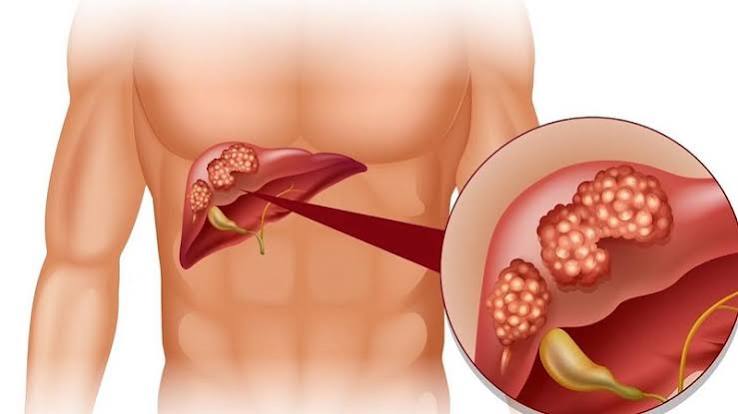
In severe hepatic failure, the liver can no longer metabolize nitrogen-containing compounds adequately, causing ammonia to accumulate in the blood. This produces a characteristic musty or ammonia-like odor affecting both the breath (fetor hepaticus) and the urine. Bilirubin in the urine — bilirubinuria — contributes a distinct odor alongside the characteristic dark, tea-colored appearance described in the article on dark urine.
Urine odor from liver disease is a late-stage finding, appearing alongside established jaundice, hepatic encephalopathy, ascites, and significantly abnormal liver function tests. Any new urine odor that coincides with jaundice requires same-day evaluation.
Kidney Disease
The kidneys excrete urea, creatinine, and other nitrogen waste. In chronic kidney disease (CKD) or acute kidney injury (AKI), this excretion is impaired, and nitrogen waste accumulates in the blood — uremia. The kidneys compensate by concentrating whatever urine they still produce, resulting in a strongly ammonia-smelling output.
The broader context of uremia: fatigue, nausea, reduced urine output, peripheral edema, and shortness of breath. Urine odor alone is not specific to kidney disease; the combination with systemic symptoms points toward renal impairment. (NIDDK, 2024)
Tracking kidney health numbers — eGFR and creatinine — provides the appropriate long-term picture for patients with risk factors for CKD: diabetes, hypertension, family history of kidney disease, or a history of recurrent kidney infections.
Medications and Supplements
Several commonly used medications and supplements cause strong-smelling urine without indicating disease: penicillin antibiotics (metabolites excreted renally); high-dose B vitamins (B6, riboflavin) producing bright yellow, pungent urine; metronidazole (Flagyl); sulfonamide antibiotics (sulfur-containing metabolites); and zinc supplements. When strong-smelling urine begins after starting a new medication without any accompanying symptoms, the medication is almost certainly the explanation and no workup is needed.
Metabolic Disorders
A group of rare genetic conditions produces characteristic urine odors distinctive enough to be recognized.
Maple syrup urine disease (MSUD) causes urine to smell distinctly sweet — like maple syrup or burnt sugar. It results from a defect in branched-chain alpha-keto acid dehydrogenase, causing leucine, isoleucine, and valine to accumulate to toxic levels. MSUD presents in neonates and progresses rapidly without treatment. Universal newborn screening in the U.S. now identifies MSUD at birth.
Phenylketonuria (PKU) produces a musty or mousy urine odor from phenylacetate, a metabolite of accumulated phenylalanine. Also screened at birth; adults with poorly managed PKU may retain a persistent musty odor.
Trimethylaminuria (fish odor syndrome) results from a defect in the FMO3 enzyme, which normally oxidizes trimethylamine (TMA) into an odorless compound. Unoxidized TMA is excreted in urine, sweat, and breath, producing a strong, persistent fishy odor. Estimated to affect less than 1 percent of the population. Management focuses on reducing dietary TMA precursors: choline-rich foods including egg yolks, liver, and legumes.
Enterovesical Fistula
An enterovesical fistula — an abnormal connection between the bowel and the bladder — allows intestinal bacteria and fecal content to enter the urinary tract, producing distinctly feces-smelling (feculent) urine. The pathognomonic sign is pneumaturia: visible bubbles or air during urination, from intestinal gas entering the bladder. Causes include Crohn’s disease, complicated diverticulitis, colon cancer, and pelvic radiation damage. Feculent urine requires urgent surgical evaluation — it does not resolve without correcting the underlying fistula.
Warning Signs — When Urine Odor Requires Immediate Attention
Go to the emergency department immediately:
- Sweet or fruity-smelling urine + nausea, vomiting, abdominal pain, or confusion — diabetic ketoacidosis
- Feculent (feces-smelling) urine ± pneumaturia — enterovesical fistula; urgent surgical evaluation
- Strong ammonia odor + markedly reduced urine output + leg swelling — uremia from acute kidney injury
- Foul-smelling urine + high fever + flank pain + rigors — pyelonephritis (kidney infection)
See a doctor the same day:
- Any UTI symptoms (dysuria, frequency, urgency) with strong-smelling urine — especially in pregnancy
- Strong odor + any jaundice (yellowing of eyes or skin)
- Foul-smelling urine that does not improve after adequate hydration
Schedule within 1–2 weeks:
- Recurrent strong-smelling urine without a clear dietary or dehydration explanation
- Strong odor + new fatigue or systemic symptoms without an obvious acute cause
How a Clinician Evaluates Strong-Smelling Urine
Dipstick urinalysis is the first test. Nitrites and leukocyte esterase positive → UTI likely; ketones positive → diabetes or starvation; glucose positive → hyperglycemia; bilirubin positive → liver disease; blood positive → hematuria; specific gravity high → concentrated urine.
Urine culture identifies bacteria and antibiotic sensitivity when dipstick suggests UTI. Blood glucose and serum ketones are ordered when DKA is suspected. Basic metabolic panel assesses BUN and creatinine for kidney function. Liver function tests when ammonia odor plus jaundice are present. Metabolic screening (urine organic acids and amino acids) when a metabolic disorder is suspected — typically in newborns or individuals with a lifelong history of unexplained characteristic odor. Cystoscopy or CT cystography when feculent urine or pneumaturia suggests fistula.
The Hydration Test — A Practical First Step
When strong-smelling urine appears without accompanying symptoms in someone who has not been drinking adequately:
- Drink 500 to 750 milliliters of water (2–3 glasses)
- Wait 2 to 4 hours
- Reassess urine odor and color
If the odor diminishes and the color lightens — dehydration was the cause. Target pale yellow urine throughout the day as the practical hydration goal. If the odor does not improve, or if any warning sign is present, seek evaluation rather than continuing to observe. The articles on cloudy urine and dark urine use the same practical framework for related urine appearance changes.
Frequently Asked Questions
What does it mean when urine smells like ammonia?
Ammonia-smelling urine most commonly means concentrated urine from dehydration. It can also indicate a UTI with urease-producing bacteria (which split urea into ammonia), or kidney disease where urea excretion is impaired. Dehydration resolves with water; UTI and kidney disease require medical evaluation.
Is strong-smelling urine a sign of infection?
Sometimes. UTI produces a distinctly foul or ammonia-like odor alongside burning during urination, frequency, and urgency. But strong-smelling urine alone is not diagnostic — dehydration, certain foods, and vitamins all produce strong odor without infection. A urine dipstick quickly distinguishes infection from non-infectious causes.
What causes sweet-smelling urine?
Sweet or fruity-smelling urine most commonly indicates ketones from diabetic ketoacidosis, prolonged fasting, or a very low-carbohydrate diet. In neonates, a maple syrup odor indicates MSUD. The sweet odor of DKA is a medical emergency — it appears alongside nausea, vomiting, and Kussmaul breathing.
Can vitamins cause strong-smelling urine?
Yes. High-dose B vitamins — particularly B6 and riboflavin — commonly produce bright yellow, pungent-smelling urine. This is entirely benign and resolves as the vitamins clear. No workup is needed when strong-smelling urine begins after starting B vitamin supplements without other symptoms.
When should I see a doctor for strong-smelling urine?
Same day if burning during urination, frequency, or urgency accompanies the odor; if any jaundice is present; or if the odor does not improve after adequate hydration. Go to the ER if the urine smells sweet or fruity with nausea or vomiting (DKA), smells like feces (fistula), or if reduced urine output with leg swelling accompanies the odor (AKI). Understanding chronic kidney disease risk factors helps contextualize recurrent urinary odor changes.
Strong-smelling urine is usually nothing more than dehydration or the aftermath of what you ate. The important exceptions — UTI, diabetic ketoacidosis, kidney disease, liver failure, and enterovesical fistula — come with accompanying symptoms that clearly separate them from the benign causes. Hydrate, reassess in a few hours, and seek evaluation if the odor persists or any warning sign appears.
Strong-Smelling Urine in Special Populations
Women
Women are more susceptible to UTI than men throughout their lives due to anatomical differences — the shorter urethra allows bacteria easier access to the bladder. Because UTI is the most clinically important cause of foul-smelling urine, women should have a lower threshold for evaluation when strong-smelling urine appears alongside any urinary symptom, even mild dysuria or increased frequency.
During pregnancy, the risk of UTI ascending to the kidneys (pyelonephritis) is substantially elevated. Pyelonephritis in pregnancy can trigger preterm labor and sepsis. The recommendation is consistent: any pregnant woman with strong-smelling urine and any urinary symptoms requires same-day urinalysis — this is not a situation where home observation is appropriate, regardless of how mild the symptoms seem.
Postmenopausal women experience a decline in estrogen that changes the vaginal and urethral microbiome, increasing colonization with urease-producing bacteria and raising UTI risk. Recurrent UTIs in this population are common and may present with strong-smelling, cloudy urine without the classic burning or urgency symptoms — an atypical presentation that is sometimes dismissed as dehydration.
Women on high-dose B vitamin supplements for energy or hair growth often notice pungent, bright yellow urine — a benign and expected effect. When this is the only change, no evaluation is needed.
Men
In men under 50, UTI is relatively uncommon and should prompt evaluation for a structural cause — a urinary tract abnormality, kidney stone, or prostatitis. Strong-smelling urine in a young man without a clear dietary or dehydration explanation warrants urinalysis.
In men over 50, benign prostatic hyperplasia (BPH) causes incomplete bladder emptying and urinary stasis. Retained urine becomes more concentrated and more susceptible to bacterial overgrowth. Strong-smelling, turbid urine in an older man with BPH symptoms (hesitancy, weak stream, nocturia) suggests UTI or bacterial prostatitis — both requiring culture-guided antibiotic treatment.
Men with diabetes have a particularly elevated UTI risk from glucosuria providing a bacterial substrate. Diabetic men presenting with strong-smelling urine and any systemic symptoms (fever, chills) require prompt evaluation, as complicated UTI and urosepsis are more common in this group.
Children and Adolescents
In children, strong-smelling urine most commonly reflects dehydration — especially in active children who resist drinking water during play or sports. However, UTI is the second most common bacterial infection in children, and its presentation in young children often lacks the classic adult symptoms. An infant or toddler with foul-smelling urine, unexplained fever, irritability, or poor feeding requires urinalysis rather than a wait-and-see approach.
Children with unusual urine odors that are not clearly dietary should also raise the possibility of metabolic disorders — maple syrup urine disease, phenylketonuria, and propionic acidemia each have characteristic odors and are screened at birth. An older child with a previously unrecognized persistent urine odor warrants metabolic screening. Trimethylaminuria can first become apparent in adolescence, often timed with dietary changes that increase choline intake.
What to Expect at the Doctor’s Office
Understanding what happens during a urine odor evaluation helps you prepare and communicate the information your clinician needs.
History: Expect questions about when the odor started, whether it is constant or intermittent, recent dietary changes (asparagus, coffee, vitamins), new medications or supplements, urinary symptoms (burning, frequency, urgency, blood), systemic symptoms (fever, flank pain, nausea, jaundice), and — for women — whether you are pregnant or postmenopausal.
Urine specimen collection: A midstream clean-catch urine sample is collected — the first part of the stream is discarded to avoid urethral contamination, and the midstream is collected in a sterile container. This is critical for an accurate dipstick and culture result; contaminated samples produce false positives for UTI.
Dipstick results: Available within minutes. Positive nitrites plus leukocyte esterase is highly suggestive of UTI and often sufficient to initiate treatment while waiting for culture results. Positive ketones without glucose in someone who is not diabetic suggests prolonged fasting or a very low-carbohydrate diet. Positive glucose suggests hyperglycemia and triggers blood glucose testing.
Culture results: Urine cultures take 24 to 48 hours to grow and identify the bacteria. The antibiotic prescribed based on dipstick results may be adjusted once culture sensitivity results are available. This is why completing the full antibiotic course matters even if symptoms improve quickly — the culture result confirms eradication.
Follow-up testing: Recurrent UTIs (three or more per year in women) trigger evaluation for anatomical abnormalities, incomplete bladder emptying, or — in postmenopausal women — consideration of vaginal estrogen therapy to restore the protective vaginal microbiome. In men with a first UTI, upper tract imaging is typically recommended to rule out structural causes.
Preventing Recurrent Strong-Smelling Urine
When recurrent strong-smelling urine is related to dehydration — the most common cause — the practical target is pale yellow urine throughout the day, which corresponds to approximately 2 liters of water per day at baseline, with more during heat, exercise, or illness. Morning urine is typically darker and more concentrated; the goal is pale yellow by mid-morning and throughout the afternoon.
For UTI prevention: front-to-back wiping after bowel movements, urinating after sexual intercourse, and avoiding scented products in the genital area reduce bacterial entry into the urethra. Cranberry supplements and D-mannose have some evidence for reducing UTI recurrence in premenopausal women, though antibiotic prophylaxis remains more effective for those with frequent recurrences.
For individuals with diabetes, maintaining good glycemic control reduces glucosuria — and with it, the elevated UTI risk and the characteristic sweet odor from glucose in concentrated urine. Routine monitoring of kidney health numbers including eGFR is essential for diabetic patients, since diabetic nephropathy and recurrent UTIs can both progress silently. Understanding the early signs and risk factors for chronic kidney disease helps prioritize preventive care before urinary symptoms become established.
Urine Odor and the Broader Picture of Urinary Health
Urine odor is one of several observable characteristics that together form the complete picture of urinary health. Color, clarity, volume, and frequency each carry independent diagnostic weight and often shift together when something is wrong.
Strong odor with dark coloration most commonly means concentrated, dehydrated urine — addressing one (drinking water) resolves both. When strong odor appears with cloudy or turbid urine, the combination strongly suggests UTI: the cloudiness comes from white blood cells and bacteria, and the odor from urease-producing bacterial metabolism. This pairing warrants urinalysis the same day. The article on cloudy urine explains the evaluation in detail.
When strong odor accompanies blood in the urine, the combination suggests hemorrhagic cystitis (bladder infection with bleeding) or, in older adults, bladder or kidney pathology. This pairing always requires evaluation — never attribute it to dehydration alone. Strong odor with reduced urine volume and edema points toward the kidney, as the article on dark urine and kidney disease describes. Evaluating any urinary symptom in the context of the full picture — color, clarity, odor, volume, and any systemic symptoms — is the most reliable approach to identifying what actually requires attention.
Sources: NIDDK (niddk.nih.gov), Mayo Clinic (mayoclinic.org), CDC (cdc.gov), NIDDK Kidney Disease (niddk.nih.gov)
Bookmarked this article on strong-smelling urine: what it can mean immediately — going to reference it regularly. I have tried following advice from several sources but this is most consistent with what my specialist told me. Thank you for making complex medical information accessible without dumbing it down.
I have been reading about strong-smelling urine: what it can mean for weeks and this is the most thorough guide I found. I especially valued the explanation of why these recommendations exist, not just what they are. Thank you for making complex medical information accessible without dumbing it down.
Really well-written article on strong-smelling urine: what it can mean. The connection between lifestyle choices and long-term outcomes is explained clearly here. Looking forward to reading more articles from this website.