
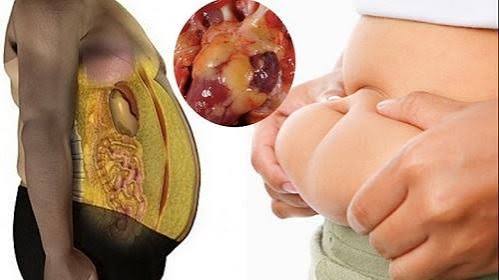
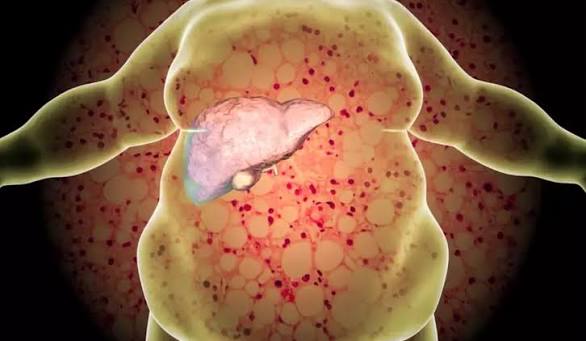
Fatty liver disease is a condition in which fat accumulates within the cells of the liver — the hepatocytes — to a degree that exceeds normal. When more than five percent of hepatocytes contain visible fat droplets, the liver is defined as having steatosis (fatty change), and the clinical condition is called fatty liver disease. It is now the most common liver condition in adults globally, affecting an estimated twenty-five to thirty percent of the world’s adult population — a prevalence that has risen in parallel with the global increases in obesity, type 2 diabetes, and metabolic syndrome over the past three decades. In the United Kingdom, approximately one in four adults has some degree of fatty liver. In most cases, fatty liver disease causes no symptoms and is discovered incidentally — through abnormal liver blood tests performed for another reason, or through an ultrasound that shows a bright or echogenic liver. Understanding what fatty liver disease is, what causes it, how it progresses, and what can be done about it is the first step in engaging with the investigation and management process that follows a diagnosis.
The terminology used for fatty liver disease has changed significantly in recent years, and patients encountering older medical literature or reports may encounter names that have since been retired or redefined. The term “non-alcoholic fatty liver disease” (NAFLD) — which distinguished metabolic fatty liver disease from alcohol-related fatty liver disease — has been replaced by metabolic dysfunction-associated steatotic liver disease (MASLD) following an international consensus in 2023. The renaming reflects a more accurate understanding of the disease’s metabolic origins and removes the stigmatising framing of a disease defined by the absence of alcohol use. “Non-alcoholic steatohepatitis” (NASH) — the more severe form with active inflammation — has been renamed metabolic dysfunction-associated steatohepatitis (MASH). These names are used throughout this article and the broader fatty liver disease series on this site. Alcohol-related fatty liver disease (ALD) and alcohol-related hepatitis remain separate conditions defined by clinically significant alcohol consumption, though they share many histological features with MASLD.
The Two Main Types of Fatty Liver Disease
Metabolic dysfunction-associated steatotic liver disease (MASLD) is fatty liver disease caused by metabolic dysfunction — the accumulation of fat in the liver driven by obesity, insulin resistance, type 2 diabetes, high blood pressure, and dyslipidaemia (elevated triglycerides, low HDL cholesterol). It is by far the most common type, accounting for the vast majority of fatty liver disease diagnoses. MASLD is diagnosed when hepatic steatosis is present alongside at least one cardiometabolic risk factor — body mass index above 25 kg/m² (or above 23 in Asian populations), elevated fasting glucose or type 2 diabetes, hypertension, elevated triglycerides, or low HDL cholesterol — and when significant alcohol consumption has been excluded. The liver in MASLD has an impaired ability to process lipids correctly: insulin resistance promotes increased delivery of free fatty acids to the liver, combined with impaired fatty acid oxidation and increased de novo lipogenesis, leading to net fat accumulation in hepatocytes.
Alcohol-related fatty liver disease (ALD) is caused by the direct toxic effects of alcohol on hepatocyte metabolism — alcohol is preferentially metabolised by the liver, and its metabolite acetaldehyde is hepatotoxic and disrupts fatty acid oxidation, promoting fat accumulation. ALD encompasses a spectrum from simple alcohol-related steatosis through to alcohol-related hepatitis (a severe inflammatory condition with high short-term mortality) to cirrhosis. Alcohol-related fatty liver can develop in individuals drinking above the recommended safe limits — fourteen units per week in the UK — though susceptibility varies significantly between individuals. The distinction between MASLD and ALD is clinically important because the management, prognosis, and risk of progression differ, though both can coexist in the same patient. MASLD with significant alcohol consumption (MetALD) is now recognised as a distinct category in the updated nomenclature for patients who meet MASLD criteria but also drink above the threshold that previously defined alcohol-related disease.
The Spectrum of Fatty Liver Disease
Fatty liver disease is not a single static condition — it exists on a spectrum of severity, and understanding where on that spectrum a patient sits is the central purpose of the diagnostic investigations that follow a fatty liver diagnosis. The spectrum runs from simple steatosis at one end to cirrhosis and hepatocellular carcinoma at the other, with progressive stages in between that carry different risks and require different management intensity.
Simple steatosis (MASLD without significant inflammation): Fat accumulation in hepatocytes without significant liver cell damage or inflammation. The liver is fatty but structurally intact. This stage is generally benign — the risk of progression to significant fibrosis over ten years is approximately ten to twenty percent. Most patients with simple steatosis will not develop cirrhosis, and the fat may be completely reversed with lifestyle change. Steatohepatitis (MASH): The more severe form, in which fat accumulation is accompanied by liver cell damage (hepatocyte ballooning — a specific form of cellular injury), lobular inflammation, and the beginning of fibrosis. MASH is present in approximately twenty-five percent of patients with MASLD and represents the active, progressive form of the disease. The annual risk of fibrosis progression in MASH is significantly higher than in simple steatosis. Fibrosis: Scarring of the liver in response to ongoing hepatocyte damage — staged F0 (no fibrosis) to F4 (cirrhosis) using the METAVIR system, as described in the FibroScan and liver biopsy articles in this series. Fibrosis stage is the most important prognostic determinant in MASLD — it predicts risk of liver-related complications and all-cause mortality more strongly than the degree of steatosis or inflammation. Patients reaching F3 (advanced fibrosis) are at substantially increased risk of progressing to cirrhosis. Cirrhosis (F4): Extensive scarring replacing normal liver architecture with regenerative nodules. Cirrhosis carries a risk of life-threatening complications — hepatic decompensation (ascites, variceal haemorrhage, hepatic encephalopathy), hepatocellular carcinoma (HCC), and liver failure. Hepatocellular carcinoma: MASLD-related cirrhosis accounts for an increasing proportion of HCC cases globally as MASLD prevalence rises. HCC can occasionally arise in patients with MASLD and advanced fibrosis even before cirrhosis is established, though the risk is highest in cirrhosis.
How Fatty Liver Disease Is Discovered
The majority of patients with fatty liver disease are diagnosed incidentally — because most patients have no symptoms until disease is at an advanced stage. The three most common routes to a fatty liver diagnosis are:
Abnormal liver blood tests: Routine blood tests performed for unrelated reasons (pre-employment health check, monitoring of other medications, investigation of fatigue or other non-specific symptoms) may show elevated ALT and AST — the liver enzymes released when hepatocytes are damaged. A mildly elevated ALT (typically one to three times the upper limit of normal in early MASLD) is one of the most common abnormal blood test findings in primary care and is frequently the first indication of underlying fatty liver disease. GGT may also be elevated, particularly in patients who also drink alcohol. The full interpretation of liver blood tests in the context of fatty liver disease is covered in the liver function tests article. Incidental ultrasound finding: An abdominal ultrasound performed for gallstones, abdominal pain, or other indications may show an echogenic (bright) liver — a sonographic finding that reflects increased fat content within the hepatocytes. The sonographic appearance of hepatic steatosis has a sensitivity of approximately sixty percent for detecting moderate to severe steatosis, but misses mild steatosis reliably. An echogenic liver on ultrasound is not a formal diagnosis of MASLD — it is a finding that prompts further clinical assessment including metabolic risk factor review and blood test evaluation. Metabolic risk factor screening: Patients with obesity, type 2 diabetes, or metabolic syndrome who are assessed in a diabetology or cardiometabolic clinic may have liver function tests and ultrasound performed as part of routine monitoring — identifying fatty liver as a complication of the underlying metabolic disease.
Diagnosing Fatty Liver Disease: The Investigation Pathway
After a fatty liver is suspected from blood tests or imaging, the diagnostic pathway has two goals: confirming the aetiology (is this MASLD, ALD, or another liver disease?) and staging the severity (what degree of fibrosis is present?). Both questions shape the management plan. The investigation pathway typically proceeds as follows:
Excluding other liver diseases: Before accepting MASLD as the diagnosis, other causes of elevated liver enzymes or hepatic steatosis must be excluded. Blood tests assess: hepatitis B and C serology (viral hepatitis can coexist with or mimic MASLD); autoimmune liver markers (ANA, SMA, AMA — autoimmune hepatitis and primary biliary cholangitis); thyroid function (hypothyroidism causes hepatic steatosis); ferritin and transferrin saturation (haemochromatosis); alpha-1 antitrypsin level; Wilson’s disease markers in younger patients; coeliac disease serology (coeliac disease is associated with liver enzyme elevation). Medication review is essential — statins, amiodarone, tamoxifen, corticosteroids, methotrexate, and numerous other drugs cause hepatic steatosis and enzyme elevation. Alcohol history is taken systematically. Fibrosis staging: Once MASLD is confirmed as the likely diagnosis, fibrosis staging determines the management intensity. Non-invasive fibrosis assessment is first-line: serum-based scores (FIB-4 index, calculated from age, ALT, AST, and platelet count) are used to risk-stratify patients into low, intermediate, and high fibrosis probability categories. FibroScan is the primary imaging-based non-invasive fibrosis tool — as detailed in the dedicated FibroScan guide, it measures liver stiffness in kPa and fat content via CAP score. Liver biopsy is reserved for discordant non-invasive results or when specific histological information is needed for management decisions.
Why Fatty Liver Disease Matters: Risks and Complications
Understanding why a fatty liver diagnosis matters — and why it is worth taking seriously even when it produces no symptoms — requires understanding the realistic risk of progression and the consequences of reaching advanced disease without intervention. The risks fall into two categories: liver-related and cardiometabolic.
Liver-related risks: The majority of patients with MASLD at the steatosis stage will never develop liver-related complications — simple steatosis is largely benign in isolation. The risk is concentrated in those who progress to MASH with fibrosis: patients with F3–F4 fibrosis have a significantly elevated risk of liver-related mortality, HCC, and the need for liver transplantation. The critical clinical task is identifying patients with advanced fibrosis, because intervention (treating the underlying metabolic disease, eliminating alcohol, initiating antifibrotic treatments where available) at this stage can slow or reverse progression. Patients at the steatosis stage who have modifiable risk factors (obesity, uncontrolled diabetes, dyslipidaemia) are at risk of progressive fibrosis over years to decades if those risk factors are not addressed. Cardiometabolic risks: MASLD is not simply a liver disease — it is a hepatic manifestation of metabolic syndrome, and patients with MASLD have substantially elevated risks of cardiovascular disease (myocardial infarction, stroke), type 2 diabetes, and chronic kidney disease independent of the liver disease itself. The most common cause of death in patients with MASLD is cardiovascular disease, not liver disease — reinforcing that the metabolic risk factor management that benefits the liver also reduces the far more prevalent cardiovascular risk. Patients who receive a fatty liver diagnosis should therefore regard it as a signal that their overall cardiometabolic risk profile requires comprehensive assessment and management, not only a liver-focused investigation.
Frequently Asked Questions About Fatty Liver Disease
My ultrasound showed a fatty liver but my doctor says not to worry — should I be concerned?
An incidental finding of a fatty (echogenic) liver on ultrasound in a patient with no symptoms, normal or mildly abnormal liver blood tests, and no advanced fibrosis risk factors is generally not an immediate cause for concern — the majority of patients in this situation have simple steatosis that carries a low short-term risk of progression. However, “not to worry” does not mean “ignore it.” A fatty liver finding identifies a patient who has at least one active metabolic risk factor (usually obesity, insulin resistance, or dyslipidaemia) that is causing ongoing liver stress. The appropriate response is not anxiety but action: metabolic risk factor assessment and management (weight, blood sugar, lipids, blood pressure, alcohol), a formal liver blood test panel to characterise the degree of enzyme elevation, and FIB-4 calculation or FibroScan to stage fibrosis risk. The goal is to identify the minority of patients with early advanced fibrosis who need intensive specialist management while reassuring the majority that their disease, with lifestyle intervention, is unlikely to progress significantly. Discussing with your GP what follow-up is appropriate given your specific risk factors — and using the investigation tools covered in the liver ultrasound and FibroScan articles — is the right first step.
Can fatty liver disease be reversed?
Yes — fatty liver disease at the steatosis stage is fully reversible with the removal of the causative factors, and significant fibrosis regression (including regression from F3 to F2 or from F2 to F1) is well documented with sustained lifestyle intervention and metabolic risk factor control. The evidence for reversal is strongest for weight loss: a ten percent reduction in body weight is consistently associated with significant reduction in hepatic steatosis (CAP score reduction on FibroScan), reduction in liver enzyme levels, and in patients with MASH, histological improvement in inflammation and fibrosis. A fifteen to twenty percent weight loss is associated with cirrhosis regression in some cases, though advanced cirrhosis is not fully reversible. GLP-1 receptor agonists (semaglutide, liraglutide) — used for type 2 diabetes and obesity management — have demonstrated significant liver stiffness and CAP score reduction in clinical trials, reinforcing the liver benefit of the metabolic treatments used for the underlying conditions. Alcohol cessation in ALD leads to rapid improvement in steatosis and hepatitis, and significant fibrosis regression in patients without established cirrhosis. The key message is that fatty liver disease, diagnosed early, is manageable and potentially reversible — a fatty liver finding is an opportunity for intervention, not an irreversible diagnosis. The practical lifestyle strategies that drive this reversal are covered in the dedicated dietary and lifestyle articles in this series.
Sources: EASL–EASD–EASO — MASLD Clinical Practice Guidelines · AASLD — Liver Disease Clinical Guidance · NIDDK — NAFLD and NASH
Who Is at Risk of Fatty Liver Disease?
Fatty liver disease does not affect everyone equally — certain characteristics significantly increase the probability of developing MASLD and the risk of progression once it is present. Obesity is the strongest single risk factor: MASLD prevalence in people with a BMI above 30 kg/m² is approximately sixty to eighty percent — compared with approximately fifteen percent in those with a normal BMI. Abdominal obesity (visceral fat, reflected in waist circumference above 88 cm in women and above 102 cm in men) is more strongly associated with hepatic steatosis than total body fat, because visceral adipose tissue is more metabolically active and delivers more free fatty acids to the portal circulation. Type 2 diabetes: MASLD is present in approximately fifty to seventy percent of patients with type 2 diabetes, and diabetes is one of the strongest predictors of progression from simple steatosis to MASH and advanced fibrosis. The relationship between insulin resistance, hepatic fat accumulation, and glucose dysregulation is bidirectional — MASLD worsens insulin resistance, which in turn drives further liver fat accumulation. Dyslipidaemia: Elevated triglycerides and low HDL cholesterol — the lipid pattern of metabolic syndrome — are strongly associated with MASLD. Triglycerides above 1.7 mmol/L (150 mg/dL) and HDL below 1.0 mmol/L in men or 1.3 mmol/L in women are particularly associated with hepatic steatosis. Hypertension: An independent risk factor for MASLD and for fibrosis progression, likely mediated by shared mechanisms of insulin resistance and renin-angiotensin system activation. Age and sex: MASLD prevalence increases with age; post-menopausal women have a higher prevalence than pre-menopausal women (oestrogen has a hepatoprotective effect); men tend to develop MASLD at a younger age and lower BMI than women. Ethnicity: Hepatic steatosis prevalence varies by ethnicity — highest in Hispanic/Latino populations, intermediate in White European populations, and lower in Black/African-American populations, independent of BMI and metabolic risk factors, reflecting genetic variation in lipid metabolism pathways. Genetics: The PNPLA3 gene variant (I148M) is the most strongly associated genetic determinant of MASLD susceptibility and severity — carriers of the risk allele have higher hepatic fat content and a greater risk of fibrosis and HCC than non-carriers. The TM6SF2 E167K variant and the MBOAT7 variant also influence MASLD risk. These genetic factors do not cause MASLD in isolation — they interact with the metabolic risk factors described above — but they explain some of the variability in MASLD severity between individuals with similar metabolic profiles.
Monitoring and Long-Term Management
Once diagnosed, fatty liver disease requires ongoing monitoring — the frequency and intensity of which is determined by the fibrosis stage and the degree of metabolic risk factor control. Patients with simple steatosis (F0–F1) and well-controlled metabolic risk factors are typically monitored with annual liver blood tests and periodic FibroScan assessment in primary or secondary care, with FIB-4 recalculation to track fibrosis risk trajectory. Patients with significant fibrosis (F2–F3) require hepatology specialist input, more frequent FibroScan monitoring, and in some cases HCC surveillance depending on the degree of fibrosis and additional risk factors. Patients with cirrhosis (F4) require the full cirrhosis monitoring protocol: six-monthly liver ultrasound for HCC surveillance, upper GI endoscopy for varices screening, and regular hepatology clinic review. Pharmacological treatment for MASLD has been an active area of clinical research: resmetirom (a thyroid hormone receptor-beta agonist) received FDA approval in 2024 for the treatment of MASH with moderate to advanced fibrosis — the first approved pharmacological agent specifically for MASLD — and further agents including semaglutide (evaluating its liver-specific effects beyond weight loss) are in advanced clinical trials. The goal of all management approaches is to interrupt the progression along the steatosis-to-cirrhosis spectrum — and for patients in whom this is achieved through lifestyle change, metabolic treatment, and appropriate monitoring, the prognosis of fatty liver disease is substantially improved compared to unmanaged disease. The series of articles covering the specific aspects of fatty liver management — including causes, risk factors, dietary approaches, and the role of specific comorbidities — provides the detailed guidance to support this management journey.
Fatty liver disease also carries an important cardiovascular dimension that is often underappreciated at the time of diagnosis. Because MASLD shares its root causes with metabolic syndrome — the same insulin resistance, dyslipidaemia, and hypertension that drive hepatic fat accumulation also drive atherogenesis and coronary artery disease — patients with MASLD have a substantially elevated risk of cardiovascular events independent of their liver disease. Studies consistently show that the most common cause of death in MASLD cohort studies is cardiovascular disease, not liver failure. This means that addressing the metabolic drivers of fatty liver disease — through weight management, glycaemic control, lipid lowering, and blood pressure management — has benefits that extend far beyond the liver, reducing cardiovascular risk while simultaneously addressing the conditions driving hepatic steatosis and fibrosis. A fatty liver diagnosis is therefore most usefully understood as a signal that a patient’s overall cardiometabolic risk needs comprehensive review and management, rather than a liver-only concern.
This was exactly what I needed after my GP mentioned my ultrasound showed a ‘bright liver’. I had no idea what that meant and this article explained it really clearly — the spectrum section in particular helped me understand why my doctor ordered further blood tests. Thank you.
Thank you Marianne — a bright or echogenic liver on ultrasound is a very common incidental finding and it can understandably feel alarming when you’re not sure what it means. The key next steps are exactly what your GP is doing: liver blood tests to assess enzyme levels and a FIB-4 calculation or FibroScan to stage fibrosis risk. The majority of people with this finding have simple steatosis that is manageable with lifestyle changes. The FibroScan article in this series goes into more detail on what to expect from that assessment. Wishing you all the best with your follow-up.
The section on cardiovascular risk was new to me. My cardiologist and hepatologist have been treating my conditions separately but this article helped me see the connection. The point about cardiovascular disease being the most common cause of death in MASLD patients really puts the whole thing in perspective.