
The question of whether adults with diabetes should snack between meals is genuinely more nuanced than simply listing healthy snacks for blood sugar support — because the most blood-sugar-optimal snacking strategy depends heavily on the individual’s glucose pattern, medication regimen, meal timing, and the specific nature of the between-meal hunger being experienced. For some adults with Type 2 diabetes on insulin or sulfonylureas, a small between-meal snack is medically necessary to prevent hypoglycemia. For adults on metformin or no medication whose primary concern is reducing postprandial glucose peaks, snacking between meals may not be necessary at all if the main meals are structured correctly. And for adults experiencing genuine mid-morning or mid-afternoon hunger — a real physiological signal, not just habitual or boredom-driven eating — choosing the right healthy snacks for blood sugar support can prevent the reactive overeating at the next meal that paradoxically worsens overall daily blood glucose. The key principles: snacks should be driven by genuine hunger (not by clock or habit), should consist of protein and/or healthy fat with minimal refined carbohydrate, should be pre-planned and portioned (not reactive foraging from vending machines or pantries), and should bridge the interval to the next planned meal without creating significant glucose spikes that compound with the upcoming meal’s postprandial response.
Research on snacking patterns in adults with Type 2 diabetes shows that unplanned, reactive snacking — choosing foods in the moment when hungry from available options — consistently produces higher glycemic snack choices than pre-planned portioned snacks. Adults who pre-portion their snacks (nuts in small bags, vegetables pre-cut, string cheese portioned) make significantly better blood-glucose-supporting snack choices than those deciding what to eat when already hungry and standing in front of a pantry or vending machine.
Best Protein-Based Healthy Snacks for Blood Sugar Support
Protein is the most blood-glucose-neutral macronutrient available at snack time — it provides satiety and maintains stable glucose without triggering significant insulin response or glucose elevation. The following protein-centered healthy snacks for blood sugar support have the best evidence and most favorable glucose profiles:
- Nuts and nut butter (the gold standard diabetes snack): A 1-ounce portion of almonds, walnuts, or mixed nuts provides 5–6g of protein, 3–4g of fiber, 14–18g of healthy fat, and only 3–5g of net carbohydrate — producing essentially no blood glucose elevation in most adults with Type 2 diabetes. Multiple randomized trials have confirmed that adding nut consumption to the diet of adults with Type 2 diabetes does not raise postprandial glucose and may modestly improve fasting glucose and HbA1c over 3–6 months, likely through the combination of anti-inflammatory omega-3s (walnuts), magnesium (almonds), and fiber that improve insulin sensitivity with regular consumption. The specific portion control (1 oz, approximately 23 almonds or 14 walnut halves) is important — nuts are calorie-dense (160–200 calories per ounce) and larger portions (2–3 ounces) add significant caloric load without proportional satiety in some adults. Pre-portioning nuts into 1-ounce bags on Sunday solves the portion control challenge without requiring daily measuring. Nut butter (almond butter, peanut butter) in 1–2 tablespoon portions on celery or cucumber provides a convenient snack format with the same protein and fat benefit and the additional crunch from the vegetable that slows consumption and increases satiety.
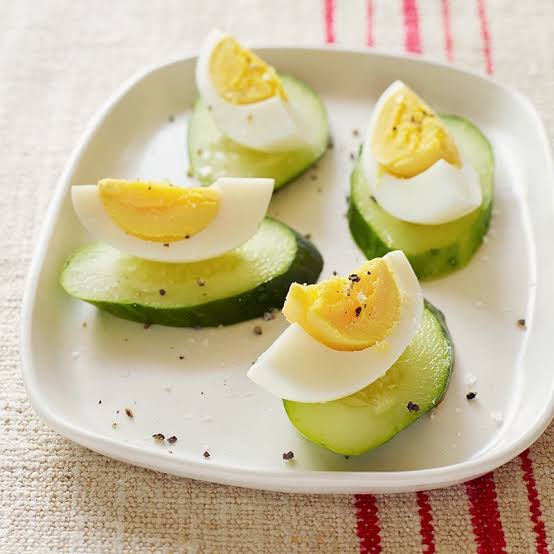
- Hard-boiled eggs: A single hard-boiled egg provides 6g of protein, 5g of fat, and zero carbohydrate — one of the most glycemically inert snack options available. Two hard-boiled eggs as a mid-morning snack provide 12g of protein and excellent satiety at approximately 140 calories, bridging the interval to lunch without glucose elevation. Hard-boiled eggs prepared in advance (Sunday batch cooking for the week) require zero morning preparation time and are easily portable for work snacking. Pairing with a small amount of mustard, hot sauce, or everything bagel seasoning provides flavor variety without added carbohydrate. Hard-boiled eggs represent the most consistently blood-glucose-stable protein snack available — they are essentially impossible to overconsume to glycemic excess at typical snack portions and are universally appropriate for adults with Type 2 diabetes on any medication regimen.
- String cheese or hard cheese: A stick of string cheese (approximately 80 calories, 7g protein, 5g fat, 1g carbohydrate) or a 1-ounce portion of hard cheese (cheddar, gouda, manchego, or Swiss) provides portable, no-preparation protein and fat with essentially no carbohydrate. Paired with a few raw vegetables (celery sticks, cucumber slices, bell pepper strips) or a small apple (which contributes 15g of carbohydrate but with the fiber context of whole fruit), cheese provides a complete blood-sugar-stable snack appropriate for any between-meal interval. The calcium in dairy cheese also provides a potential modest insulin-sensitizing effect — calcium intake is inversely associated with insulin resistance in epidemiological research, providing a nutritional benefit beyond the macronutrient profile.
Vegetable-Based Healthy Snacks for Blood Sugar Support
Non-starchy vegetables as snack foods provide maximum volume and satiety with the lowest possible glycemic impact — the core principle that makes vegetables the most freely consumable snack component for adults managing blood sugar:
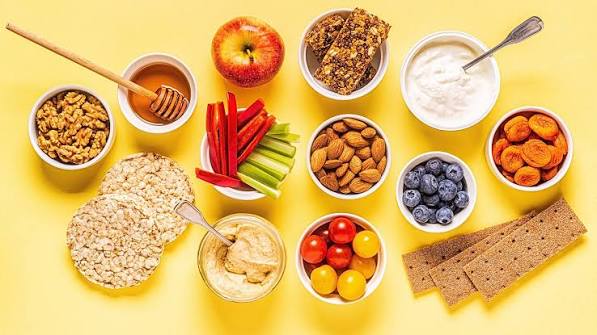
- Raw vegetables with hummus: A combination of raw non-starchy vegetables (celery sticks, cucumber rounds, bell pepper strips, carrot sticks, broccoli florets, radishes, cherry tomatoes) with 2–4 tablespoons of hummus provides fiber from the vegetables, plant protein from the chickpeas in hummus, healthy fat from the tahini and olive oil, and a satisfying dipping format that makes snacking feel like a real food experience rather than a deprived alternative. The total carbohydrate depends on the vegetables chosen — carrots and cherry tomatoes are somewhat higher in natural sugar than celery and cucumber, but all are acceptable in reasonable quantities. The 2–4 tablespoon hummus portion contributes approximately 6–12g of carbohydrate from chickpeas, keeping the total snack net carbohydrate under 15–20g. The fiber and fat in hummus significantly moderate the postprandial response from the chickpea carbohydrate, producing a slow, gradual glucose effect that is nutritionally appropriate for between-meal snacking.
- Celery with almond butter: The combination of celery (near-zero carbohydrate, high water content, crunch texture) with 1–2 tablespoons of almond butter (protein, healthy fat, magnesium) provides a satisfying, blood-glucose-neutral snack with excellent satiety. This is one of the most blood-sugar-stable snack combinations available — the celery provides virtually no glucose, and the almond butter contributes 3–4g of carbohydrate per tablespoon with sufficient fat and protein to flatten any minimal glucose response. The combination also provides the mechanical satisfaction of crunching that psychological snacking research identifies as an important contributor to snack satisfaction.
- Greek yogurt with berries (small portion): A 1/2-cup portion of plain Greek yogurt (10g protein, 5g carbohydrate) with 1/4 cup of fresh berries (7g carbohydrate, 2g fiber) provides a complete protein-and-fiber snack with 12–15g of total carbohydrate and a low glycemic response. This combination is particularly appropriate as a mid-afternoon snack for adults who find that pure protein and fat snacks (nuts, cheese) are not sufficient in volume to bridge the afternoon interval — the yogurt’s volume and creamy texture provide more snack satisfaction than equivalent-calorie nuts in many adults. The probiotic benefit of yogurt also contributes to the gut microbiome health that supports insulin sensitivity over time. The full framework for integrating strategic snacking within a comprehensive daily blood-sugar-conscious eating plan — alongside planned breakfasts, lunches, and dinners — is covered in our diabetes meal planning guide. The ADA’s snacking and nutrition guidance, the NIDDK’s eating guidance for diabetes, and the CDC’s diabetes prevention nutrition resources all support protein and fiber-rich snacks with minimal refined carbohydrate as appropriate between-meal choices for adults managing blood sugar. Related meal occasion guides covering the full daily eating framework include our breakfast ideas for blood sugar control, lunch ideas for diabetes-friendly eating, and dinner ideas for blood sugar balance guides. The specific food-level evidence for why the nuts, dairy proteins, and low-GI vegetables featured in these snacks support blood glucose is covered in our comprehensive best foods for blood sugar control guide.
Snacks to Avoid for Blood Sugar Management
Understanding which common snack foods undermine blood glucose stability is as important as knowing the best healthy snacks for blood sugar support — the snack food category contains some of the most glycemically disruptive products available, often marketed with health claims that obscure their blood sugar impact:
- Crackers, rice cakes, and pretzels: These “light” snack foods are essentially pure refined starch with minimal protein or fiber — producing rapid blood glucose spikes comparable to eating bread or pasta at snack time. A serving of 20 crackers provides 25–35g of refined carbohydrate that is absorbed nearly as quickly as white bread. Rice cakes (often perceived as a diet-friendly snack) have a glycemic index of 64–82 — higher than many whole grain foods — and provide approximately 15g of rapidly absorbed starch per rice cake. Even “whole grain” crackers typically provide 20–25g of carbohydrate per serving with only 1–2g of fiber — an insufficient fiber-to-carbohydrate ratio to meaningfully blunt the glucose response. Adults with diabetes who snack on crackers and rice cakes as “healthy” alternatives to chips are still consuming high-glycemic snacks that produce blood sugar spikes inconsistent with between-meal glucose stability goals.
- Dried fruit and fruit bars: The concentration process of drying fruit removes water while preserving all of the fruit’s sugar — a 1/4 cup of raisins contains 33g of sugar (equivalent to eating 4–5 fresh grapes’ worth of sugar in a handful). Dates (one of the most popular healthy snack choices) contain 18g of sugar each. Dried mango, cranberries (often sweetened), apricots, and figs all provide 20–35g of carbohydrate per 1/4 cup serving with limited fiber in a concentrated form that absorbs very rapidly. Fruit and nut bars (KIND bars, RXBARs, Larabars) often contain 20–30g of carbohydrate from dates, honey, maple syrup, or fruit concentrate — the nuts provide protein and fat, but the sugar content from the fruit base can produce significant glucose spikes. Adults managing blood sugar should treat dried fruit and fruit-based bars as high-sugar snacks equivalent to candy in their glycemic impact, regardless of their whole-food or natural marketing positioning.
- Granola bars and “protein” bars with high sugar: Most commercial granola bars contain 20–30g of carbohydrate, 10–15g of sugar from corn syrup, honey, or sugar, and only 2–5g of fiber — producing a blood glucose profile nearly identical to eating a cookie. “Protein bars” marketed for blood sugar or energy management vary enormously: some provide 20–30g of protein with under 5g of net carbohydrate (appropriate for blood sugar management); others provide 20g of protein alongside 25–35g of carbohydrate from sugar alcohols, dates, or oats (moderate glycemic impact); and some provide high protein alongside high sugar (30g carbohydrate with 20g added sugar — not appropriate for blood sugar management despite the protein content). Reading the nutrition label — specifically the “Total Carbohydrates,” “Dietary Fiber,” “Total Sugars,” and “Added Sugars” lines — is essential to distinguishing genuinely blood-sugar-appropriate protein bars from marketing-led products that only appear healthier than candy bars.
- Fruit smoothies and fruit juice as snacks: Liquid carbohydrates from fruit juice or smoothies at snack time bypass satiety mechanisms and deliver sugar rapidly into the bloodstream — producing glucose spikes that negate the blood-sugar-supporting goal of having a snack in the first place. A “healthy” green smoothie from a commercial shop or homemade with banana, mango, orange juice, and honey can contain 60–80g of sugar in liquid form — more carbohydrate than most complete meals. Even smoothies made from seemingly modest ingredients (one banana provides 27g of carbohydrate; a cup of orange juice provides 26g; two dates provide 36g) combine to create high-glycemic beverage snacks that would be avoided if their sugar content were presented transparently.
Snack Timing and Frequency for Blood Sugar Control
Not just what you eat but when you eat it determines whether snacking supports or disrupts the stable blood glucose profile that healthy snacks for blood sugar support are intended to produce:
- Snack only when genuinely hungry: Habitual or clock-driven snacking — eating at 10am because “it’s snack time” regardless of hunger — adds calorie and carbohydrate intake without the hunger-reduction benefit that makes snacking physiologically useful. Adults with Type 2 diabetes who are not on insulin or sulfonylureas (medications that can cause hypoglycemia requiring between-meal carbohydrate) do not need to eat between meals if they are not hungry — skipping a snack on days when main meals provided sufficient satiety is fine and avoids unnecessary glucose exposure. The decision to snack should be driven by genuine physiological hunger (stomach growling, difficulty concentrating, declining energy) rather than by habit, boredom, stress, or social eating cues.
- Mid-morning snack timing: If breakfast is consumed at 7:00–8:00 AM and lunch is planned for 12:00–1:00 PM, a mid-morning snack is appropriate if genuine hunger develops — typically around 10:00–10:30 AM. Adults who experience persistent mid-morning hunger despite adequate breakfast portions may benefit from increasing breakfast protein (adding an egg, increasing Greek yogurt portion, or adding a protein supplement) rather than relying on mid-morning snacking to compensate for insufficient breakfast satiety. A mid-morning snack of 1 ounce of nuts or a hard-boiled egg provides the glucose-neutral hunger bridge that maintains focus and prevents overeating at lunch.
- Mid-afternoon snack timing: A mid-afternoon snack (3:00–4:00 PM) is often the most legitimate snacking occasion for adults managing blood sugar — the 5–6 hour interval between a noon lunch and a 6:00–7:00 PM dinner is genuinely long enough to produce real physiological hunger in most adults, and appropriate snacking at this time prevents the pre-dinner ravenous hunger that leads to high-carbohydrate appetizer eating or oversized dinner portions. A 150–200 calorie snack at 3:30 PM that includes protein (string cheese, Greek yogurt, nuts, hard-boiled egg) prevents the 5:30 PM hunger emergency that undermines dinner planning and often drives the worst snacking decisions of the day. The overall daily eating framework — integrating breakfast, snacks, lunch, dinner, and late-night eating decisions for comprehensive blood glucose management — is covered in our diabetes meal planning guide and our late-night eating and blood sugar guide. The American Diabetes Association’s nutrition guidance, the NIDDK’s diabetes eating guidance, and the CDC’s diabetes prevention nutrition resources all recommend protein and fiber-rich snacks with controlled carbohydrate content as the appropriate choice for between-meal eating in adults managing blood sugar. Related guides for other meal occasions include breakfast ideas for blood sugar control, lunch ideas for diabetes-friendly eating, and dinner ideas for blood sugar balance.
Portable Snack Ideas for Work and On-the-Go Blood Sugar Support
The practical challenge of implementing healthy snacks for blood sugar support is often portability — adults who need between-meal snacks at work, during commutes, or while running errands need options that are shelf-stable, require no refrigeration for several hours, are TSA-friendly for travel, and can be eaten without preparation. The following portable snack strategies address the common gap between knowing what to eat and having it available when needed:
- Shelf-stable portable protein options: Single-serve almond butter or peanut butter packets (Justin’s and similar brands offer 1.15oz packets containing 7–8g of protein and 4g of carbohydrate) that require no refrigeration and pair with celery, apple slices, or eaten standalone with a spoon. Individual nut portions in small ziplock bags (portioned on Sunday from bulk nuts) provide 1-ounce servings with 5–6g protein, 2–3g net carbohydrate, and 160–180 calories. Jerky and meat sticks (look for low-sugar versions with under 3g sugar per serving and no added nitrates — Epic brand and country-style beef jerky without teriyaki or honey glazes are good options) provide 9–12g of protein per 1-ounce serving with minimal carbohydrate. Seaweed snack packs provide a very-low-calorie, low-carbohydrate snack option with some umami satisfaction for adults who prefer savory textures; though low in protein, they are extremely blood-sugar-neutral and suitable for small hunger management between adequate snacks. Roasted edamame (shelf-stable, sold in snack portion bags) provides 11g of protein and 6g of net carbohydrate per 1/2-cup serving — one of the highest-protein plant snacks available in portable format.
- Refrigerated portable options (desk fridge or cooler bag): Adults with access to a work refrigerator or who carry a small insulated bag can access a wider range of blood-glucose-supportive portable snacks: single-serve Greek yogurt cups (specify plain, full-fat or 2%), individual string cheese portions, hard-boiled eggs (pre-prepared at home), mini BabyBel cheese rounds, and pre-portioned hummus cups with individual vegetable servings. These refrigerated options provide more variety and typically higher protein per serving than shelf-stable alternatives while remaining quick and convenient for desk snacking.
- Pre-planning as the key to consistent healthy snacking: The single most important determinant of successful blood-glucose-supporting snack habits is not the specific snack choice but the presence of prepared, portioned snacks at the location where snacking occurs. Adults who stock their desk drawer with portioned nuts, their work refrigerator with prepared yogurt and cheese, and their bag with an almond butter packet make dramatically better snack choices than adults who eat whatever is available in the break room, vending machine, or office kitchen. The 10-minute weekly prep investment — portioning nuts, boiling eggs, packing yogurt, assembling vegetable bags — is the behavioral intervention with the highest return on blood glucose improvement per unit of effort in the snacking domain. Integrating this snack preparation into the broader weekly meal prep routine described in our meal prep for blood sugar control guide creates a comprehensive system where breakfast, lunch, dinner, and snacks are all pre-planned and pre-prepared — eliminating the reactive, unplanned eating decisions that consistently produce worse blood glucose outcomes than intentional, structured meal planning. The complete daily meal architecture — with planned, portioned meals and snacks that collectively maintain stable blood glucose from morning through evening — is the foundation of the diabetes dietary management approach covered throughout this guide series and anchored in the evidence-based framework presented in our diabetes meal planning guide.
Adopting these healthy snacks for blood sugar support as consistent daily habits — replacing chips, crackers, granola bars, and candy with nuts, cheese, Greek yogurt, and raw vegetables — produces cumulative blood glucose improvement that compounds with the benefits of improved breakfast, lunch, and dinner choices into the comprehensive daily dietary pattern that supports meaningful, sustained HbA1c reduction. Small snacking habit changes, consistently maintained, represent some of the lowest-effort highest-return opportunities available in diabetes dietary management.
Sources reviewed and verified by the Horizon Health Guide editorial team. American Diabetes Association — snacking guidance and blood glucose management; NIDDK — dietary guidance for diabetes; research on nut consumption and HbA1c in Type 2 diabetes; protein snack satiety research and second-meal effects; glycemic impact of hummus and legume-based snacks; hard-boiled egg protein content and blood glucose neutrality; calcium intake and insulin resistance associations; CDC diabetes prevention nutrition guidance.
I never fully understood healthy snacks for blood sugar support until I read this. The practical tips made this immediately actionable, not just theoretical. Will definitely be coming back to this site for more health information.
This is one of the clearest explanations of healthy snacks for blood sugar support I have found. What I liked most was that the article didn’t just say what to avoid — it also gave alternatives. Appreciate the effort that went into researching and writing this — it shows.
I never fully understood healthy snacks for blood sugar support until I read this. This is the kind of evidence-based writing that actually changes how people approach their health. This gave me real confidence going into my next specialist appointment.