
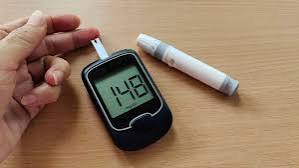
Blood Sugar Spikes: Why They Happen
Blood sugar spikes — the sharp rises in blood glucose that occur after eating, during stress, or in response to other physiological triggers — are among the most clinically significant and least understood aspects of glucose dynamics in both diabetes and metabolic health more broadly. Understanding why blood sugar spikes happen, what determines how high they go and how long they last, and what their consequences are for health motivates the dietary, behavioral, and pharmacological strategies that constitute modern post-meal glucose management. In people without diabetes, post-meal glucose spikes typically peak at 120–140 mg/dL and return to baseline within two hours, representing normal physiological variation that is fully handled by a healthy insulin response. In people with prediabetes, spikes are larger and more prolonged, with inadequate insulin secretion and early insulin resistance allowing glucose to peak at 140–200 mg/dL and remain elevated for three to four hours. In people with Type 2 diabetes, spikes can reach 200–300 mg/dL and last for four to six hours, producing sustained periods of glucose elevation that progressively damage blood vessels, kidneys, nerves, and the retina. This guide covers the full picture of blood sugar spikes: the physiological factors that determine their magnitude, the non-dietary triggers that are often overlooked, the mechanisms through which repeated spikes cause harm, and the practical evidence-based strategies for reducing post-meal glucose elevation. For the reference ranges that define what post-meal glucose levels are considered normal versus elevated, see our guide on post-meal blood sugar explained. For the broader context of blood sugar management in diabetes, see our guides on what is blood sugar and blood sugar after meals: what adults should know.
What Causes Blood Sugar to Spike After Eating?
The primary driver of post-meal blood sugar spikes is carbohydrate intake — but the relationship between carbohydrate consumption and the resulting glucose spike is far more nuanced than simply “more carbohydrates equal a higher spike.” Several key factors determine the height and duration of the post-meal glucose rise:
Total carbohydrate content: The total amount of digestible carbohydrate in a meal is the single most important determinant of the post-meal glucose spike. Each gram of digestible carbohydrate (total carbohydrates minus fiber, which is not absorbed in the small intestine) produces approximately 3–4 mg/dL rise in blood glucose per gram consumed in a person with Type 2 diabetes — so a meal with 60 grams of net carbohydrates would be expected to raise glucose by roughly 180–240 mg/dL above the pre-meal level in the absence of an adequate insulin response. This dose-response relationship is why carbohydrate counting is such a central skill in diabetes management, particularly for insulin users who calculate their mealtime insulin dose based on the carbohydrate content of their meals.
Glycemic index and speed of absorption: Not all carbohydrates raise blood glucose at the same rate. The glycemic index (GI) ranks carbohydrate-containing foods by how quickly they raise blood glucose relative to a reference food (pure glucose or white bread). High-GI foods (white rice, white bread, sugary beverages, most breakfast cereals, potatoes) are rapidly digested and absorbed, producing fast, sharp glucose spikes that peak high and early. Low-GI foods (legumes, most whole grains, most vegetables, many fruits) are digested more slowly, producing slower, lower, more gradual glucose rises. The practical implication is that two meals with the same total carbohydrate content can produce very different spike profiles depending on the GI of the food sources — a 50-gram carbohydrate meal from white bread might produce a faster, higher spike than the same carbohydrate load from lentils, even though the total carbohydrate content is identical.
Meal composition — fiber, protein, and fat: The presence of fiber, protein, and fat in a meal significantly modifies the glucose response to its carbohydrate content. Dietary fiber slows gastric emptying and creates a physical matrix in the gut that slows the rate of carbohydrate digestion and absorption — reducing the height of the glucose peak even without changing the total carbohydrate content. Protein triggers an insulin response and also slows gastric emptying, both effects that moderate post-meal glucose. Fat primarily works through slowing gastric emptying — a high-fat, high-carbohydrate meal (pizza, for instance) often produces a delayed, extended glucose rise over four to six hours rather than a sharp early peak, because the fat content substantially slows stomach emptying and carbohydrate absorption. Understanding these interactions is why dietary advice for blood sugar management goes well beyond simply counting carbohydrates, and why eating patterns (eating vegetables and protein before carbohydrates, including fat and fiber with each meal) produce consistently better post-meal glucose outcomes than carbohydrate restriction alone at the same total carbohydrate intake.
Eating order: The order in which foods are consumed within a meal has a measurable effect on post-meal glucose. Studies have consistently shown that eating vegetables and protein before the carbohydrate portion of the same meal (same foods, same quantities) produces significantly smaller glucose spikes — by 20–40% in some studies — compared to eating carbohydrates first. The mechanism is the physical and hormonal effect of food already in the stomach: protein and fiber in the stomach trigger early satiety hormones, slow gastric emptying, and provide a matrix that slows subsequent carbohydrate absorption. This simple behavioral strategy requires no change in what is eaten, only in the sequence — vegetables first, protein second, carbohydrates last — and can produce clinically meaningful reductions in post-meal glucose without any dietary restriction. The effect is similar to, though somewhat less dramatic than, the glucose-lowering effect of post-meal walking.
- Total digestible carbohydrate: Primary driver — each 15g of net carbs raises glucose ~45–60 mg/dL in uncontrolled T2D
- Glycemic index: High-GI foods produce faster, higher spikes than low-GI foods at equal carbohydrate content
- Fiber content: Soluble and insoluble fiber both slow absorption and reduce peak glucose
- Protein and fat: Both slow gastric emptying, smoothing and extending the glucose curve
- Eating order: Vegetables/protein before carbs reduces post-meal spike by 20–40% in studies
- Portion size: Larger portions produce proportionally higher spikes; even low-GI foods cause large spikes in large quantities
- Individual insulin response: The same meal produces dramatically different spikes between individuals based on insulin sensitivity and secretory capacity

Non-Dietary Causes of Blood Sugar Spikes
While food-related factors are the primary driver of post-meal spikes, several non-dietary factors can also produce significant and sometimes unexpected blood sugar elevations that appear as spikes in a glucose reading but are not directly caused by food consumption:
Stress hormones: Physical and emotional stress trigger cortisol and epinephrine release, which raise blood glucose through hepatic glucose production and insulin resistance. A stressful meeting, argument, or anxiety-provoking event can raise glucose by 30–80 mg/dL above baseline in people with diabetes — producing what appears to be an unexplained glucose spike if the person is monitoring glucose without accounting for the stressful context. Exercise is both a blood-sugar-lowering activity (through muscle glucose uptake) and a potential spike trigger, particularly with high-intensity anaerobic exercise (sprinting, heavy weightlifting) that produces a significant epinephrine response and acute glucose elevation before the longer-term glucose-lowering effect of the exercise takes hold. Our guide on what causes high blood sugar covers the full range of stress and counter-regulatory hormone triggers in detail.
Illness and infection: Counter-regulatory hormone surges during acute illness can produce glucose spikes of 100–200 mg/dL above baseline even without any food intake, as the stress response mobilizes glucose stores to provide energy for immune function and tissue repair. This is why people with diabetes often see dramatically elevated readings during infections and need to increase monitoring frequency and sometimes insulin doses during acute illness. Our guide on when blood sugar symptoms need medical attention covers the clinical framework for managing illness-related glucose elevations and knowing when the magnitude of glucose rise during illness warrants urgent medical contact.
The dawn phenomenon: A physiological rise in blood glucose that occurs in the early morning hours (typically between 4 and 8 AM) as the body prepares for waking through a surge of cortisol and growth hormone. This produces what appears to be a morning glucose spike even in people who have not eaten since the previous evening. Our guide on morning blood sugar: what it means explains the dawn phenomenon and other causes of elevated fasting glucose in detail. Understanding these non-dietary spike triggers is important because responding to them with the same dietary adjustments used for food-related spikes (eating less at the next meal) is the wrong response — the appropriate management varies significantly by cause, and misidentifying the cause leads to the wrong intervention. Tracking glucose context — noting meals, stress events, illness, and activity in a blood sugar log alongside readings — is what makes this causal identification possible and is one of the most important practical skills in blood sugar management.
Why Blood Sugar Spikes Matter: The Mechanism of Harm
Post-meal glucose spikes are not merely temporary inconveniences — they are periods of metabolic stress during which the excess glucose in the bloodstream actively damages the cells lining blood vessels through oxidative mechanisms. The primary mechanism is glucose-driven superoxide radical production in the mitochondria of endothelial cells: at elevated glucose concentrations, more glucose enters these cells than their mitochondria can process normally, overwhelming the electron transport chain and generating superoxide free radicals. These radicals activate four overlapping pathways of cellular damage — the polyol pathway, advanced glycation end products formation, protein kinase C activation, and the hexosamine pathway — all of which converge on increased vascular inflammation, reduced nitric oxide availability, and progressive endothelial dysfunction. This oxidative damage accumulates proportionally to both the height and the duration of glucose elevation, which is why post-meal spikes specifically — which can be higher and longer than fasting glucose elevations even when fasting glucose appears controlled — are increasingly recognized as independent contributors to cardiovascular and microvascular complication risk, separate from what A1C captures. Epidemiological data from the DECODE study and others have shown that post-meal glucose measured at two hours during an oral glucose tolerance test predicts cardiovascular mortality better than fasting glucose in people without established diabetes — making post-meal glucose patterns a clinically meaningful risk factor even in people who would not be classified as diabetic on fasting glucose alone. For the comprehensive framework on how sustained glucose elevation — whether fasting or post-meal — affects long-term organ health and complication risk, our guide on why blood sugar matters for long-term health provides the full evidence-based context. And for people managing existing diabetes, understanding the full picture of their glucose patterns — from fasting glucose through post-meal spikes to the longer-term A1C average covered in our A1C guide — provides the complete data needed to make effective management decisions in collaboration with a healthcare team. Reducing post-meal blood sugar spikes through the dietary strategies, behavioral modifications, and where necessary pharmacological approaches described in this and our companion guides is one of the most direct and modifiable ways that people with diabetes and prediabetes can reduce their cumulative glucose-driven complication risk — and one of the most evidence-based contributions to long-term cardiovascular and metabolic health available to anyone interested in proactive glucose management.
How to Reduce Blood Sugar Spikes: Practical Evidence-Based Strategies
The goal of reducing blood sugar spikes is not to eliminate all post-meal glucose variation — some degree of post-meal glucose rise is normal and physiologically appropriate — but to keep the peak and duration of elevation within ranges that minimize oxidative stress and vascular damage. The most effective strategies for reducing post-meal blood sugar spikes work by targeting the specific mechanisms that amplify them: rapid carbohydrate absorption, large carbohydrate loads, insufficient insulin response, and poor glucose-clearance capacity. Understanding which mechanism is dominant in any individual allows for targeting the most impactful intervention. The principal evidence-based strategies include:
Physical activity before and after meals: Exercise is one of the most powerful post-meal glucose-lowering interventions available. A 10–15 minute walk after eating has been shown in multiple studies to reduce post-meal glucose by 25–40 mg/dL compared to remaining sedentary, through increased muscle glucose uptake that continues for 30–60 minutes post-exercise. The timing of the walk matters: walking immediately after eating produces greater post-meal glucose reduction than walking thirty to sixty minutes later, because the exercise-driven glucose uptake occurs simultaneously with the absorption of glucose from the meal rather than after the spike has already peaked. Even light activity — walking at a conversational pace, brief standing and movement breaks — produces meaningful post-meal glucose reduction compared to continuous sitting. People who find it difficult to exercise before meals for practical reasons can also benefit from physical activity earlier in the day: morning exercise, through improved insulin sensitivity that persists for 6–12 hours, reduces post-meal glucose throughout the rest of the day even without post-meal walking. Our guide on how to use a glucose meter explains how to check post-meal glucose at one and two hours to objectively measure the effect of post-meal walking and other interventions on individual glucose responses.
Choosing lower glycemic index carbohydrates: Substituting lower-GI carbohydrate sources for high-GI sources reduces post-meal glucose spikes without requiring overall carbohydrate reduction. Replacing white rice with brown rice or legumes, white bread with sourdough or whole-grain bread with visible seeds and grains, and sugary breakfast cereals with steel-cut oats produces meaningfully lower post-meal glucose peaks at the same total carbohydrate intake. The practical limitation of GI-based approaches is that GI values measured under standardized conditions do not always predict individual responses well, and combining foods (adding fat, protein, or fiber to high-GI foods) significantly lowers the effective GI of the meal as eaten. Using a glucose meter to check post-meal responses to specific food substitutions over several days provides the individualized data that population-average GI values cannot.
Adding fiber-rich foods to each meal: Increasing dietary fiber — particularly soluble fiber from sources such as oats, legumes, psyllium husk, and vegetables — consistently reduces post-meal glucose spikes by slowing gastric emptying, creating a viscous gel in the gastrointestinal tract that slows carbohydrate digestion and absorption, and modifying the gut microbiome in ways that improve glucose metabolism. The American Diabetes Association recommends a minimum of 25 grams of dietary fiber per day for people with diabetes, with higher intakes associated with progressively better glucose outcomes. The practical approach is to include at least one serving of non-starchy vegetables, legumes, or high-fiber whole grains at each meal, ensuring a fiber foundation that modifies the glucose response to whatever carbohydrates are also consumed. For people who find it difficult to meet fiber targets through food alone, soluble fiber supplements (psyllium husk) taken before meals have been shown in clinical trials to reduce post-meal glucose peaks.
Vinegar and acidic foods: Multiple studies have demonstrated that consuming vinegar (one to two tablespoons in water) before or with a high-carbohydrate meal reduces the post-meal glucose spike by approximately 20–30% through a mechanism involving delayed gastric emptying and possibly inhibition of carbohydrate-digesting enzymes. The effect is consistent across different forms of vinegar (apple cider vinegar, white wine vinegar) and appears most pronounced when the meal has a high glycemic index. While not a replacement for comprehensive dietary management, adding vinegar-based dressings to meals, consuming pickled vegetables, or drinking diluted vinegar before meals is a simple, inexpensive strategy that meaningfully reduces post-meal spikes in some individuals.
Pharmacological approaches for people with diabetes: When lifestyle interventions are insufficient to keep post-meal glucose spikes within target ranges, several medication classes specifically target post-meal glucose. Alpha-glucosidase inhibitors (acarbose) directly slow carbohydrate absorption in the small intestine; GLP-1 receptor agonists reduce post-meal glucose by stimulating meal-responsive insulin secretion and slowing gastric emptying; and rapid-acting insulin analogs injected before or during meals directly cover the carbohydrate load. The appropriate pharmacological approach depends on diabetes type, current medication regimen, and individual glucose patterns — discussion with a diabetes care provider is necessary to determine which option fits the overall management plan. Monitoring post-meal glucose through structured testing with a meter or CGM is the tool that makes it possible to determine whether any intervention — dietary, behavioral, or pharmacological — is actually reducing spikes in a meaningful and lasting way. Our guides on home blood sugar monitoring, blood sugar logging, and continuous glucose monitoring provide the practical framework for building the monitoring system that makes post-meal spike management data-driven and objectively measurable rather than guesswork. For the full picture of blood sugar management connecting what causes spikes (covered here and in our what causes high blood sugar guide) to how spikes fit within overall blood sugar control (covered in our A1C vs blood glucose guide) and why managing them matters for long-term health (covered in our why blood sugar matters guide) — the complete Horizon Health Guide blood sugar series provides the interconnected knowledge framework that makes individual pieces of glucose management information most useful in practice.
Tracking Blood Sugar Spikes: How to Know If Your Interventions Are Working
The most important tool for managing blood sugar spikes is objective measurement — checking glucose at one hour or two hours after starting a meal to see exactly how high the spike went and how quickly it is returning to baseline. Without post-meal glucose data, it is impossible to know whether a dietary change, exercise habit, or medication adjustment is actually reducing spikes or simply changing when and how they manifest. The standard post-meal testing approach is to check glucose two hours after the first bite of the meal — the two-hour mark is when most post-meal spikes have peaked and glucose should be returning toward baseline in people with adequate insulin response. A glucose below 180 mg/dL at two hours after eating is the target recommended by the American Diabetes Association for most adults with diabetes; below 140 mg/dL at two hours is the target for people with prediabetes or those aiming for tighter glucose control. Checking at both one hour and two hours after eating provides a fuller picture of the spike profile — one-hour glucose reveals the peak (which can be meaningfully higher than the two-hour value), while two-hour glucose shows how well glucose is returning to baseline. Our guide on how often blood sugar should be checked covers the recommended testing schedule for different clinical situations, including the post-meal testing frequency appropriate for people actively working to identify and reduce their blood sugar spike patterns. For people who want complete spike data without frequent finger-sticking, continuous glucose monitoring (CGM) provides a full minute-by-minute curve of the post-meal glucose response — revealing the precise peak time, peak height, and the rate of return to baseline for every meal without any additional effort. Our guide on continuous glucose monitoring explains how CGM works, what data it provides about post-meal spikes specifically, and who benefits most from using it for post-meal glucose management.
Sources: Ceriello A, et al. Postprandial Hyperglycemia and Cardiovascular Complications of Diabetes. Diabetes Care. 2008;31(12):2373–2375. • Imai S, et al. Eating Vegetables Before Carbohydrates Improves Postprandial Glucose Excursions. Diabetes Care. 2014;37(7):2106–2112. • DECODE Study Group. Glucose Tolerance and Cardiovascular Mortality: Comparison of Fasting and 2-Hour Diagnostic Criteria. Arch Intern Med. 2001;161(3):397–405.
Thank you for covering blood sugar spikes: why they happen so thoroughly without being overly technical. This is the kind of evidence-based writing that actually changes how people approach their health. Appreciate the effort that went into researching and writing this — it shows.
Bookmarked this article on blood sugar spikes: why they happen immediately — going to reference it regularly. The practical tips made this immediately actionable, not just theoretical. This is exactly why I prefer this website over generic health platforms.
As someone dealing with this personally, the blood sugar spikes: why they happen section was very helpful. This is the kind of evidence-based writing that actually changes how people approach their health. This is going into my health folder that I bring to every doctor’s visit.